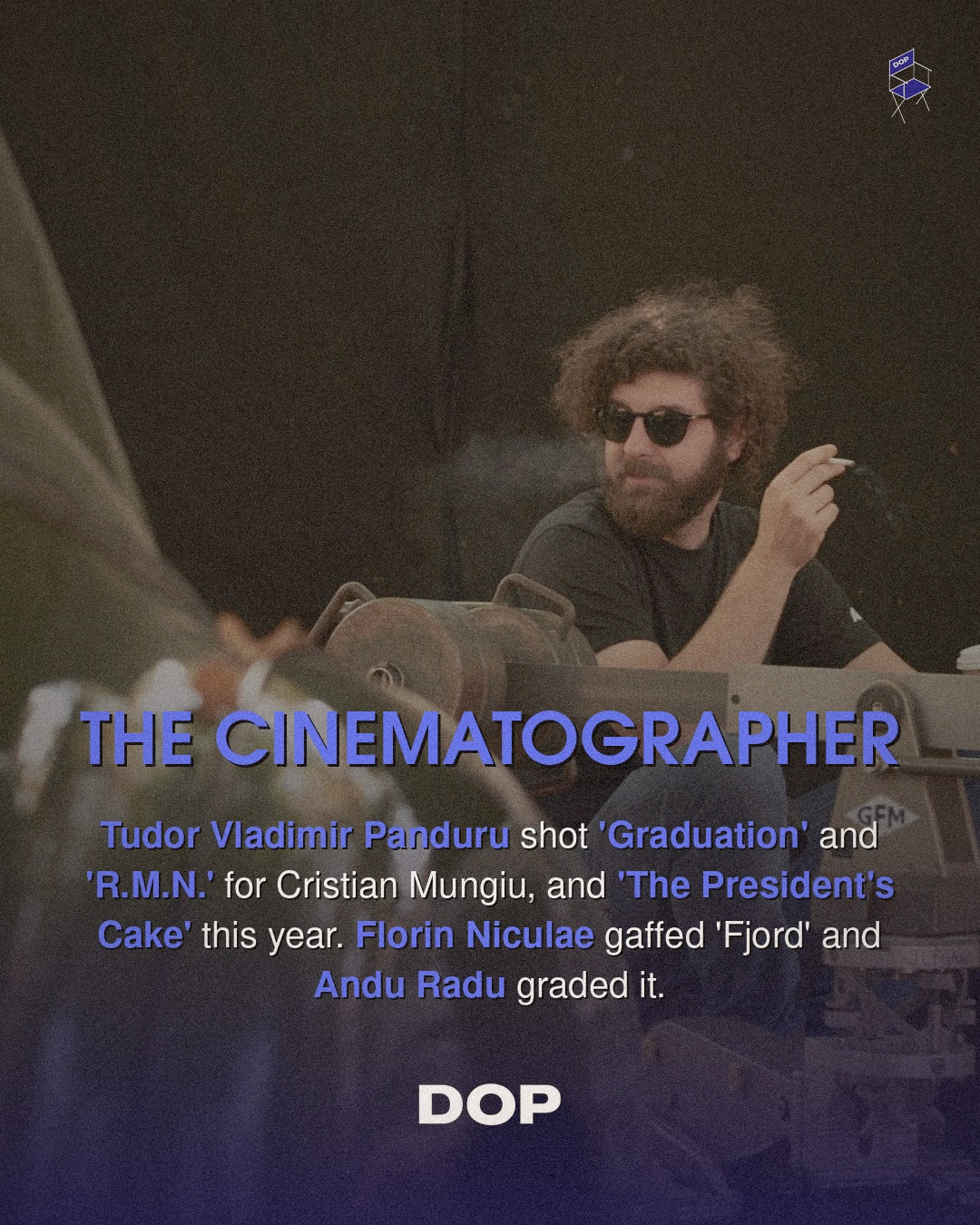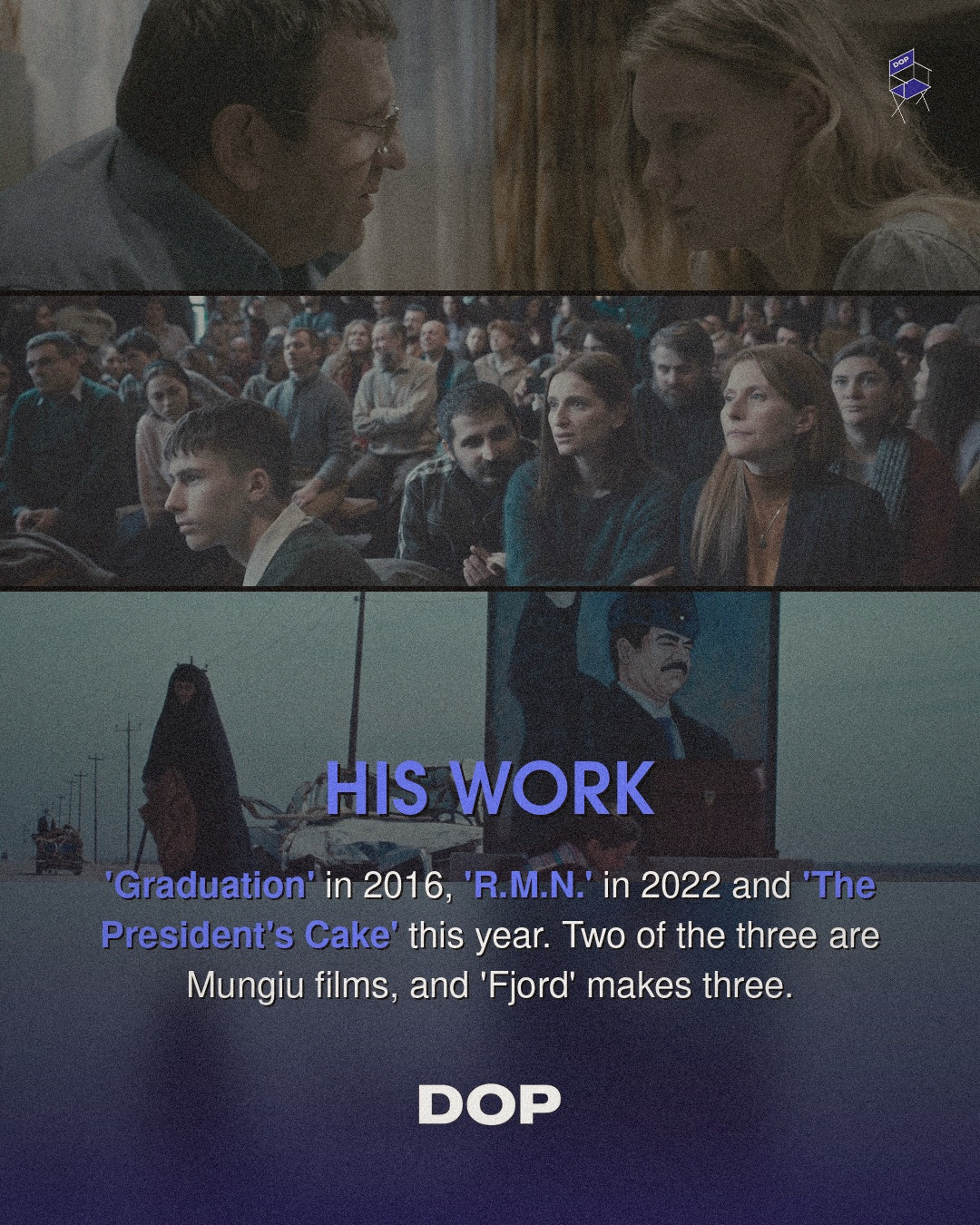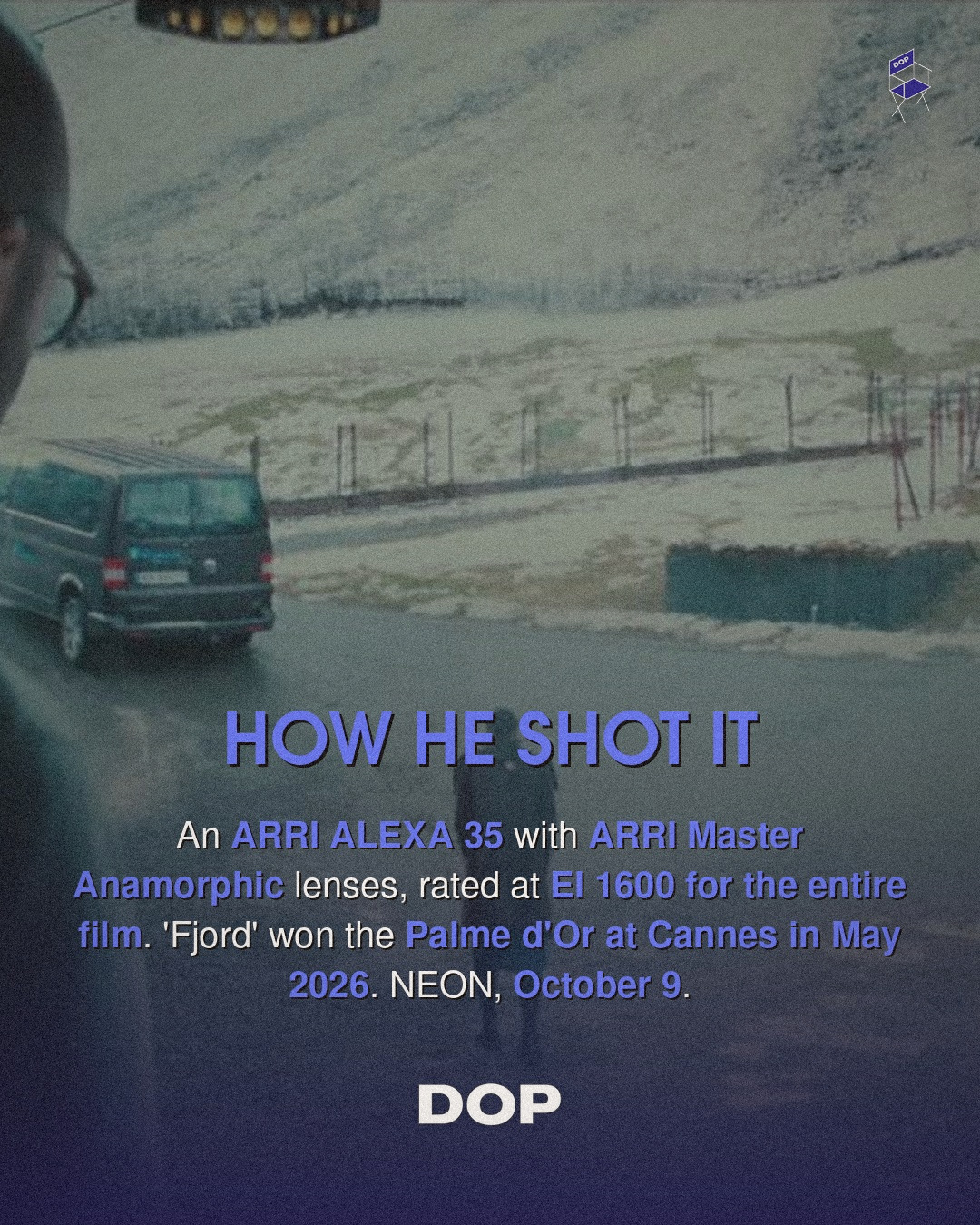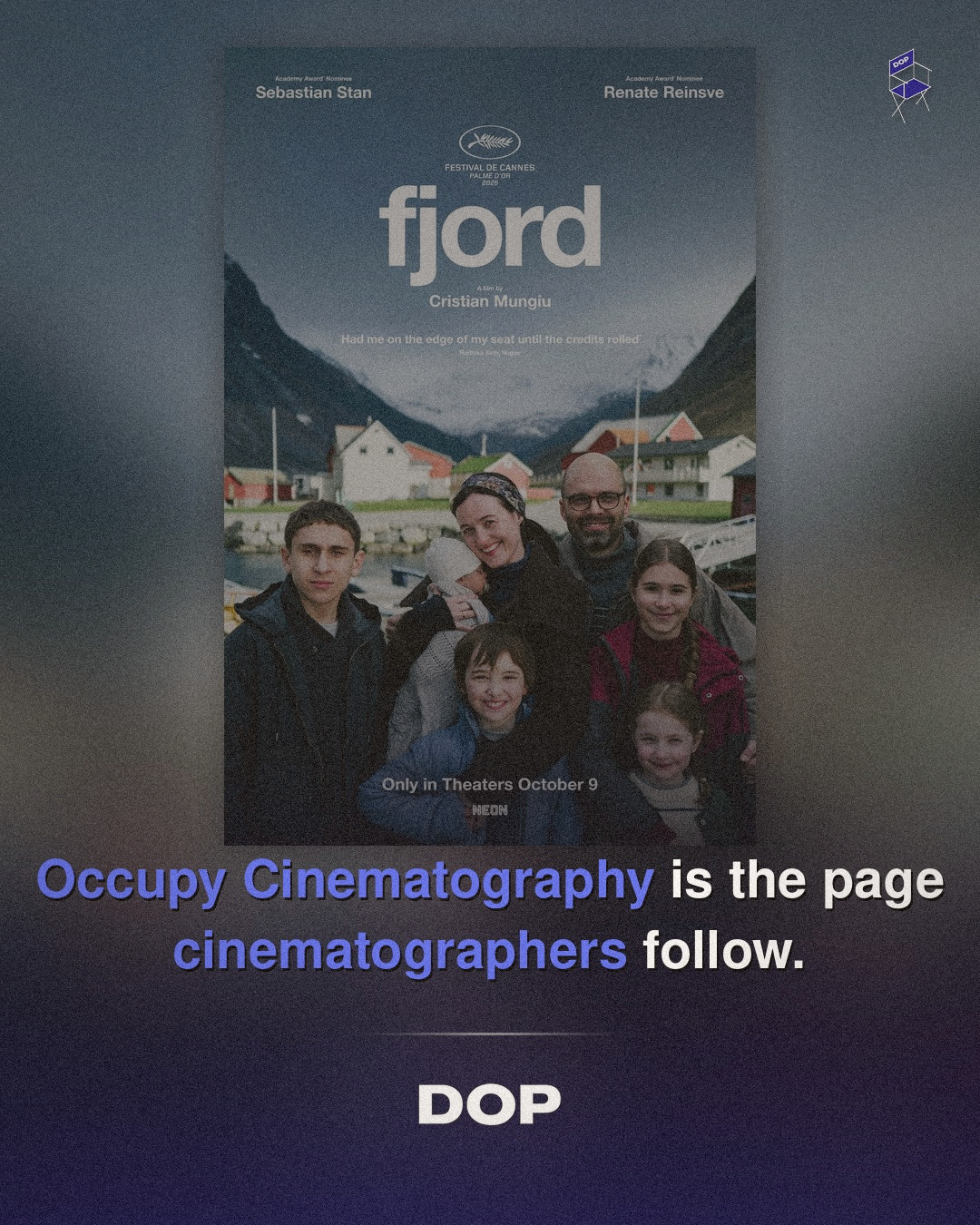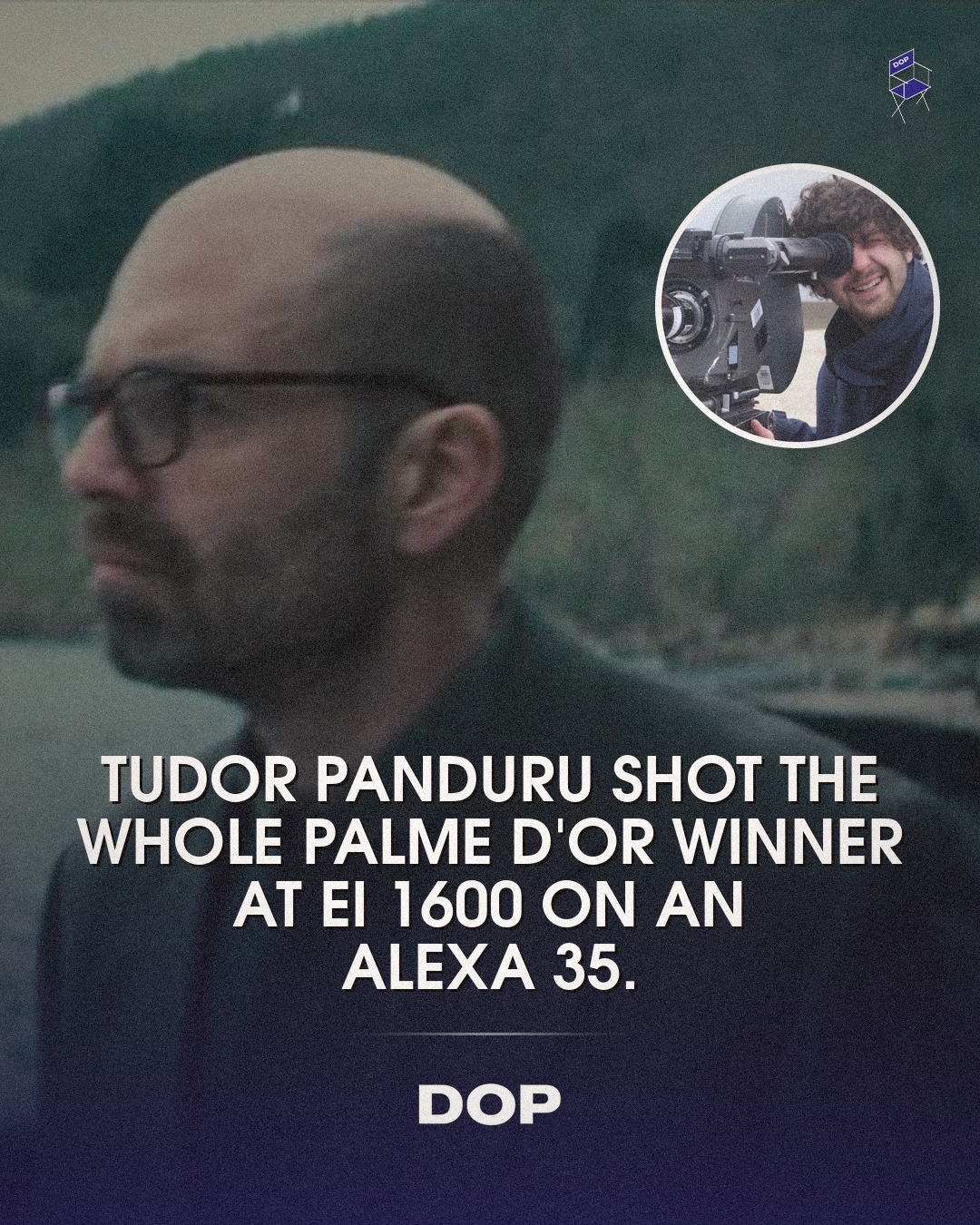
The recent Palme d'Or win for Cristian Mungiu's 'Fjord' at Cannes 2026 has not only cemented his legacy as one of cinema's most profound auteurs but has also shone a blinding spotlight on the extraordinary work of cinematographer Tudor Vladimir Panduru. Known for his unflinching gaze and masterful command of natural light in Mungiu's previous works like 'Graduation' and 'R.M.N.', Panduru has once again delivered a visual experience that is both brutally honest and breathtakingly beautiful, this time pushing the ARRI ALEXA 35 to its low-light limits with Master Anamorphic lenses, all rated consistently at EI 1600.
This isn't merely a technical choice; it's a profound artistic statement. Rating the ALEXA 35 at EI 1600 for the entirety of 'Fjord' speaks volumes about Panduru's commitment to capturing the subtle nuances of available light, particularly in the remote coastal setting where much of the film unfolds. The ALEXA 35, with its new ALEV 4 sensor, boasts an impressive 17 stops of dynamic range and enhanced low-light performance. Pushing it to EI 1600 allows for an incredibly sensitive image, rendering deep shadows with detail while retaining highlights, crucial for the often-gloomy, atmospheric world of 'Fjord'. This strategy minimizes artificial lighting interventions, fostering an authenticity that has become a hallmark of Mungiu's cinema.
The Anamorphic Embrace: Texture and Immersion
The decision to pair the ALEXA 35 with ARRI Master Anamorphic lenses is particularly intriguing and impactful. While Panduru's previous collaborations with Mungiu often favored spherical lenses for a more direct, observational style, the anamorphic choice for 'Fjord' introduces a new layer of visual poetry. Master Anamorphics are renowned for their pristine optical quality, minimal breathing, and controlled anamorphic artifacts, a far cry from the more aggressive flares and distortions of vintage glass. Yet, they still impart that distinctive widescreen canvas, shallow depth of field, and elegant oval bokeh that can elevate a dramatic narrative.
"Panduru's consistent rating at EI 1600 isn't just about capturing low light; it's about embracing the inherent grain and texture of the sensor at higher sensitivities, allowing it to become part of the film's gritty, lived-in aesthetic. It's a bold move that pays dividends in realism."
The anamorphic format, especially with such high-quality glass, allows Panduru to compose wide, expansive shots of the desolate coastal landscape while simultaneously isolating the intimate, often desperate, struggles of Sebastian Stan and Renate Reinsve's characters within the frame. This juxtaposition of grand scale and intense human drama is perfectly served by the anamorphic aesthetic, drawing the audience deeper into the characters' isolated world.
The Crew's Invisible Hand: Gaffing and Grading
No cinematographer works in a vacuum, and the seamless integration of Panduru's vision owes much to his collaborators. Florin Niculae, serving as gaffer, played a critical role in subtly shaping the light, even with the high EI setting. Gaffing for a film shot predominantly at EI 1600 means that every light source, no matter how small, becomes incredibly potent. Niculae's expertise would have been crucial in refining natural light, perhaps using negative fill or minimal, highly controlled sources to sculpt faces and define spaces without betraying the film's naturalistic ethos. The challenge here is to enhance without overtly illuminating, a testament to a gaffer's sensitivity and technical prowess.
Equally vital is the final touch of colorist Andu Radu. The raw footage captured at EI 1600, while rich in dynamic range, requires a nuanced hand in post-production. Radu's grading would have been instrumental in establishing the film's overall mood and tone, translating Panduru's captured light into the final emotional palette. Given the film's setting and likely themes, one can anticipate a grade that emphasizes cool, desaturated tones, perhaps with hints of warmth reserved for moments of fleeting hope or human connection. The goal would be to maintain the organic feel of the high ISO capture while finessing the color separation and contrast to tell the story.
A Masterclass in Deliberate Realism
Tudor Vladimir Panduru's work on 'Fjord' is a masterclass in deliberate realism and technical artistry. By choosing the ARRI ALEXA 35 for its sensor fidelity and dynamic range, pairing it with the elegant character of ARRI Master Anamorphics, and consistently rating at EI 1600, he has crafted a visual language that is both immersive and deeply authentic. This approach, supported by the meticulous gaffing of Florin Niculae and the refined grading of Andu Radu, allows Mungiu's stark narrative to unfold with an unparalleled sense of presence. As 'Fjord' prepares for its NEON release on October 9th, cinematographers and film enthusiasts alike will undoubtedly dissect and celebrate this bold and brilliant achievement in visual storytelling.
This article contains affiliate links. We may earn a small commission at no extra cost to you. Learn more.