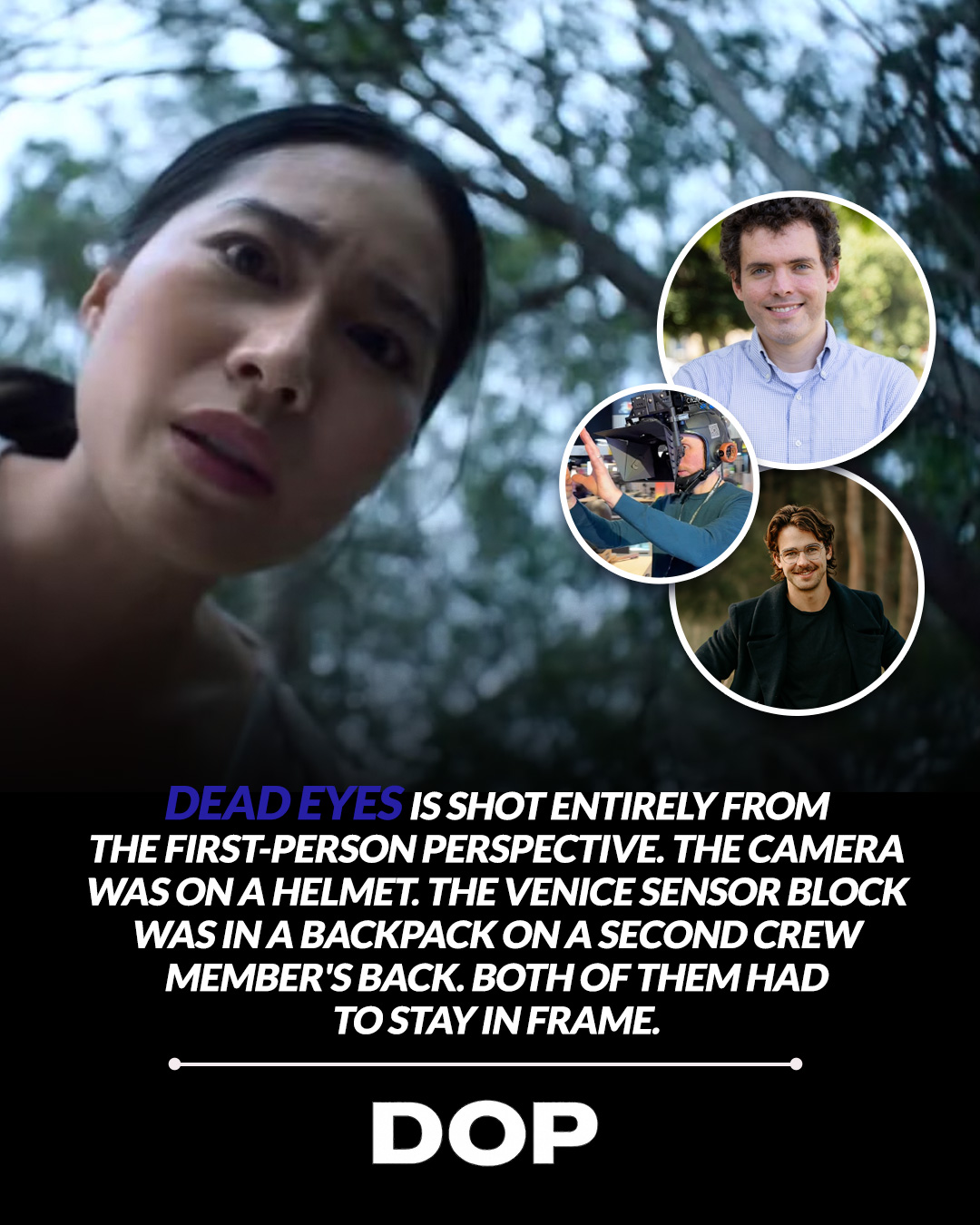
In an era where immersive storytelling is paramount, the SXSW 2026 premiere of Dead Eyes, directed by Richard E. Williams with cinematography by Julian Panetta, stands as a bold declaration of intent. This isn't just a film with first-person sequences; it is a film shot entirely from the protagonist's perspective. For cinematographers, this immediately raises a myriad of questions about execution, immersion, and the very nature of visual storytelling. Panetta's approach, utilizing the Sony Venice Rialto system in a groundbreaking manner, offers a masterclass in overcoming technical hurdles to serve narrative.
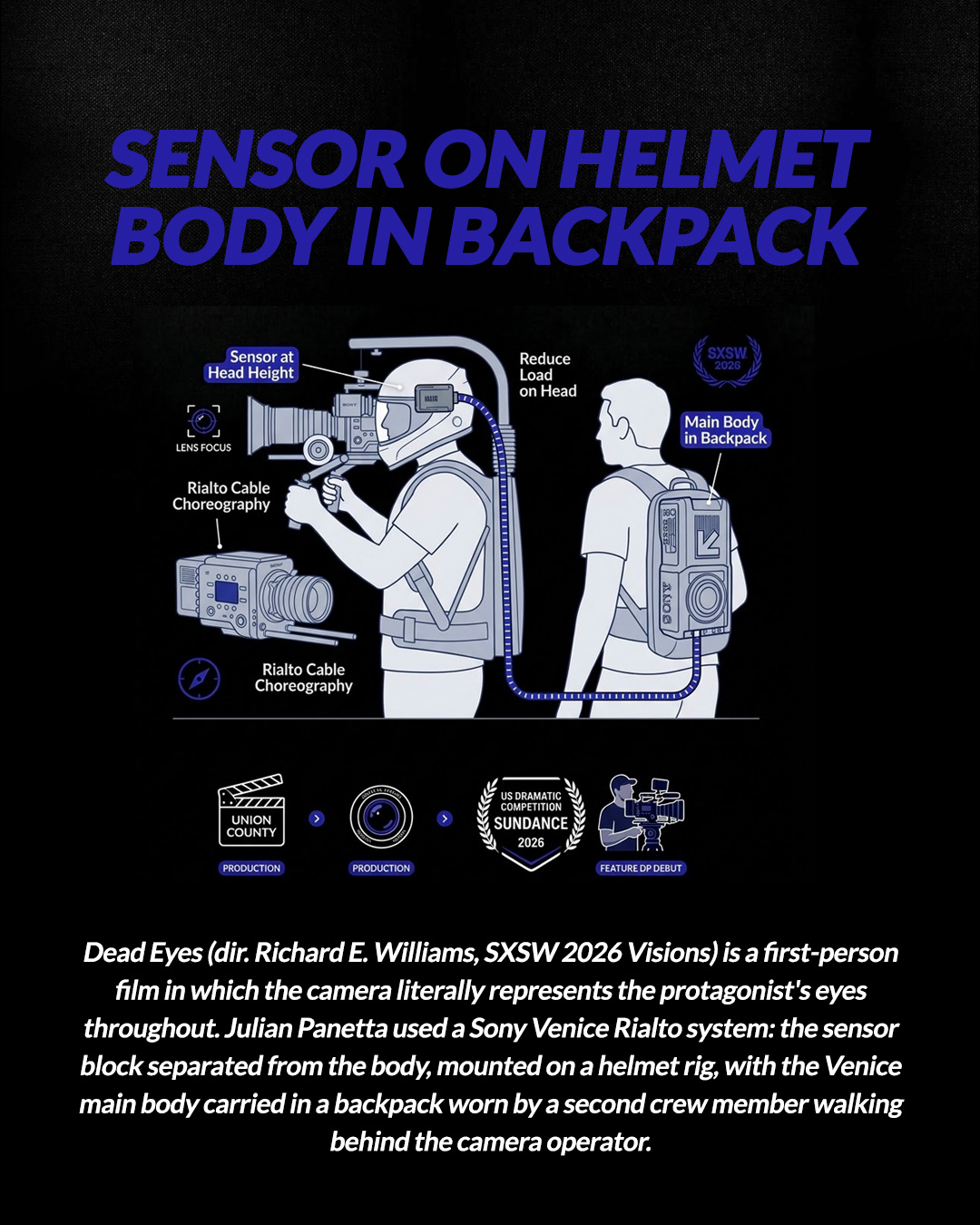
The core of Panetta's methodology involved the Sony Venice Rialto system, a choice that speaks volumes about the project's ambition. The Rialto extension system, designed to separate the Venice's sensor block from its main body, allowed the compact sensor to be mounted directly onto a helmet rig. This isn't a new concept in itself, but the commitment to maintain this perspective for an entire feature film is. The main camera body, the heart of the recording and processing, was then housed in a backpack worn by a second crew member, constantly shadowing the helmet-clad actor. This setup immediately introduces a balletic challenge: two individuals moving as one, their proximity and synchronization directly influencing the final image. It's a logistical nightmare that, when executed flawlessly, becomes invisible to the audience, a testament to Panetta's meticulous planning and the crew's dedication.
The Lens: A Window to the Soul
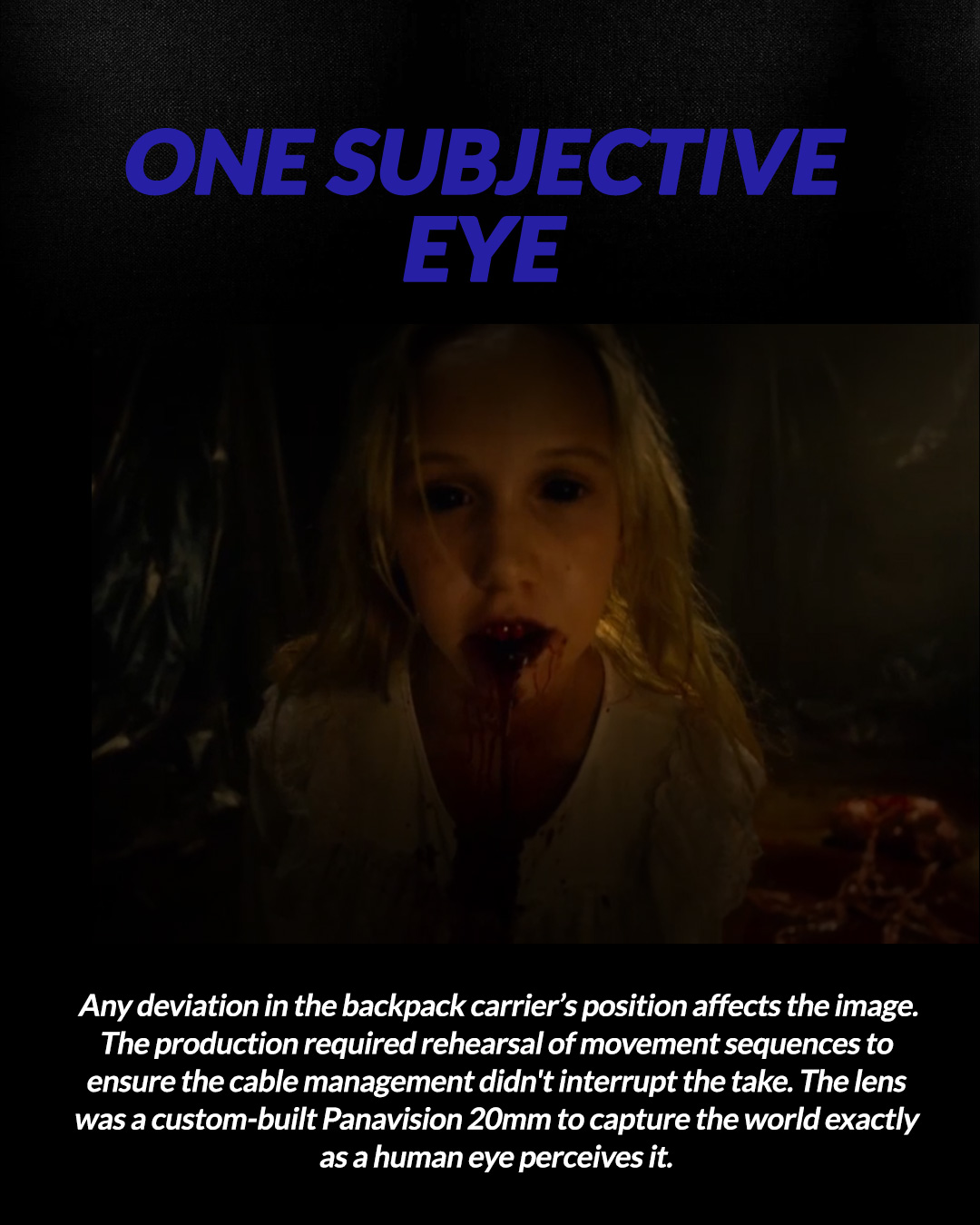
Beyond the innovative camera rigging, the lens choice for Dead Eyes is equally pivotal. Panetta opted for a custom-tuned Panavision H Series 20mm. The H Series, known for its vintage character and organic rendering, was further modified by Panavision with specific field curvature, halation, flares, and veiling glare. These aren't just aesthetic flourishes; they are deliberate choices to imbue the protagonist's perspective with a tangible, almost subjective quality. The 20mm focal length, as Panetta noted to IndieWire, allowed for a precise control over the frame, an essential consideration when the camera literally embodies a character's gaze.
"A 20mm lens allows us to be a lot more selective about what is in and out of the frame."
This statement highlights the paradox of wide-angle first-person: while it offers a broad field of view, the specific character of this 20mm, enhanced with bespoke optical aberrations, ensures that the audience's attention is guided, not simply overwhelmed. The halation and veiling glare, in particular, would simulate the imperfect, organic way human eyes perceive light, adding a layer of realism and perhaps even psychological depth to the protagonist's vision. It’s a sophisticated manipulation of optical physics to achieve emotional resonance.
Choreography of the Unseen
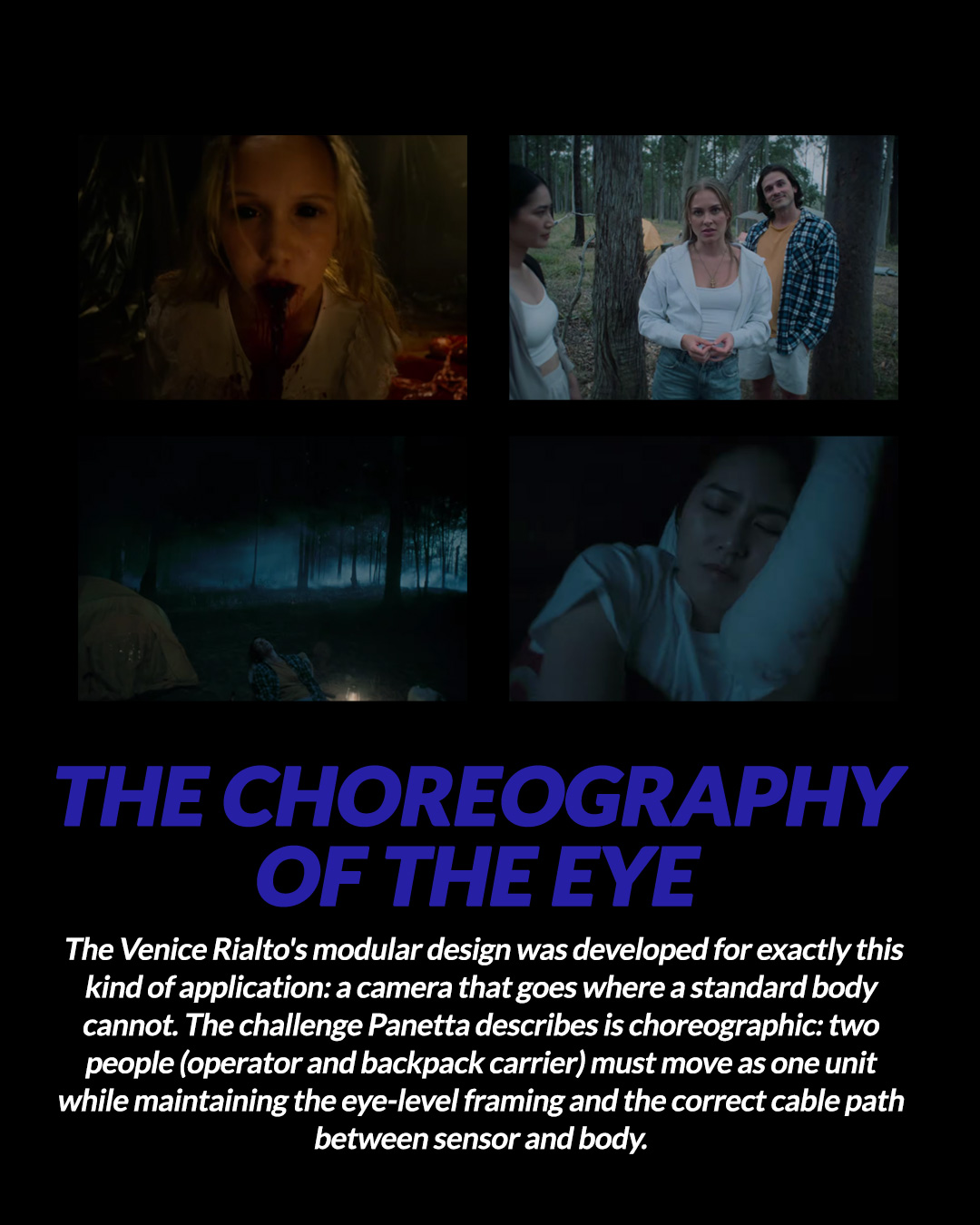
The true genius of Panetta's approach lies not just in the gear, but in the intricate dance required to operate it. The 'backpack carrier' wasn't merely a human tripod; they were an extension of the camera, their every movement critical to maintaining eye-level framing and ensuring the integrity of the cable path connecting the sensor to the body. This is a level of human-camera entanglement rarely seen in conventional filmmaking. Rehearsals, typically focused on actor blocking, would have extended to the synchronized movement of the actor and the camera operator, a unique form of physical choreography where the camera itself is a performer.
This constant, intimate connection between operator and 'subject' fundamentally alters the filmmaking process. Every turn, every glance, every interaction required a seamless coordination that transcends traditional camera operating. It’s a testament to Panetta’s deep understanding of visual language and his willingness to push beyond conventional boundaries. The resulting images in Dead Eyes are not just seen; they are experienced, offering an unprecedented level of immersion that redefines what first-person cinema can achieve. This project isn't just a technical marvel; it's a profound exploration of empathy through the lens, forcing the audience to quite literally walk in another's shoes.
This article contains affiliate links. We may earn a small commission at no extra cost to you. Learn more.