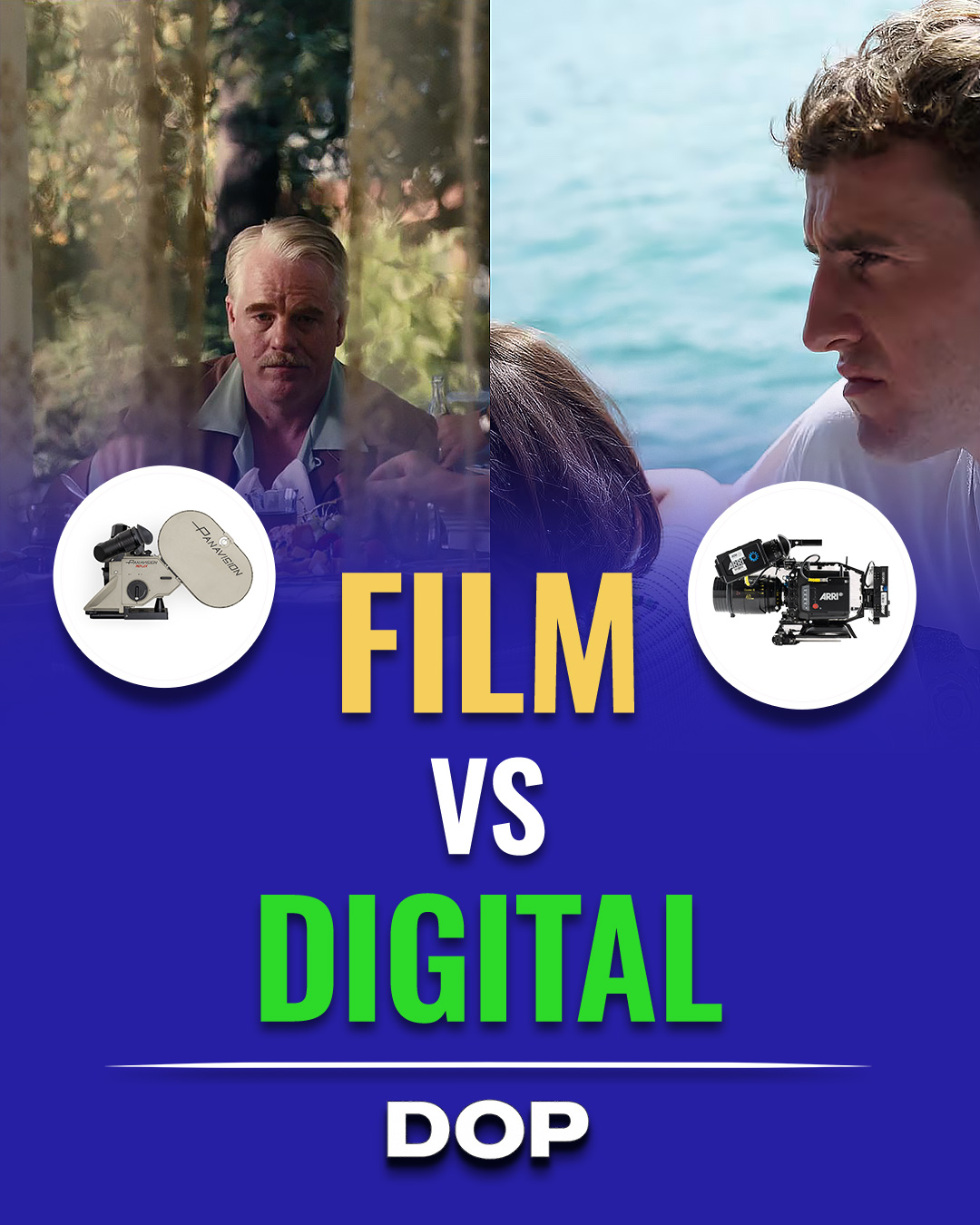
The discourse surrounding film versus digital acquisition has long been a tempest in the cinematic teapot, often devolving into tribalism rather than enlightened discussion. Yet, as practitioners and aficionados of the moving image, we understand that this isn't a zero-sum game. The core of the matter, as always, lies not in the medium itself, but in the discerning eye and masterful hand of the cinematographer. The work of luminaries like Christopher Nolan, steadfast in his commitment to large-format celluloid, and Sean Baker, who has not only embraced but innovated with digital tools from an iPhone to high-end cinema cameras, unequivocally demonstrates that excellence is not format-dependent.
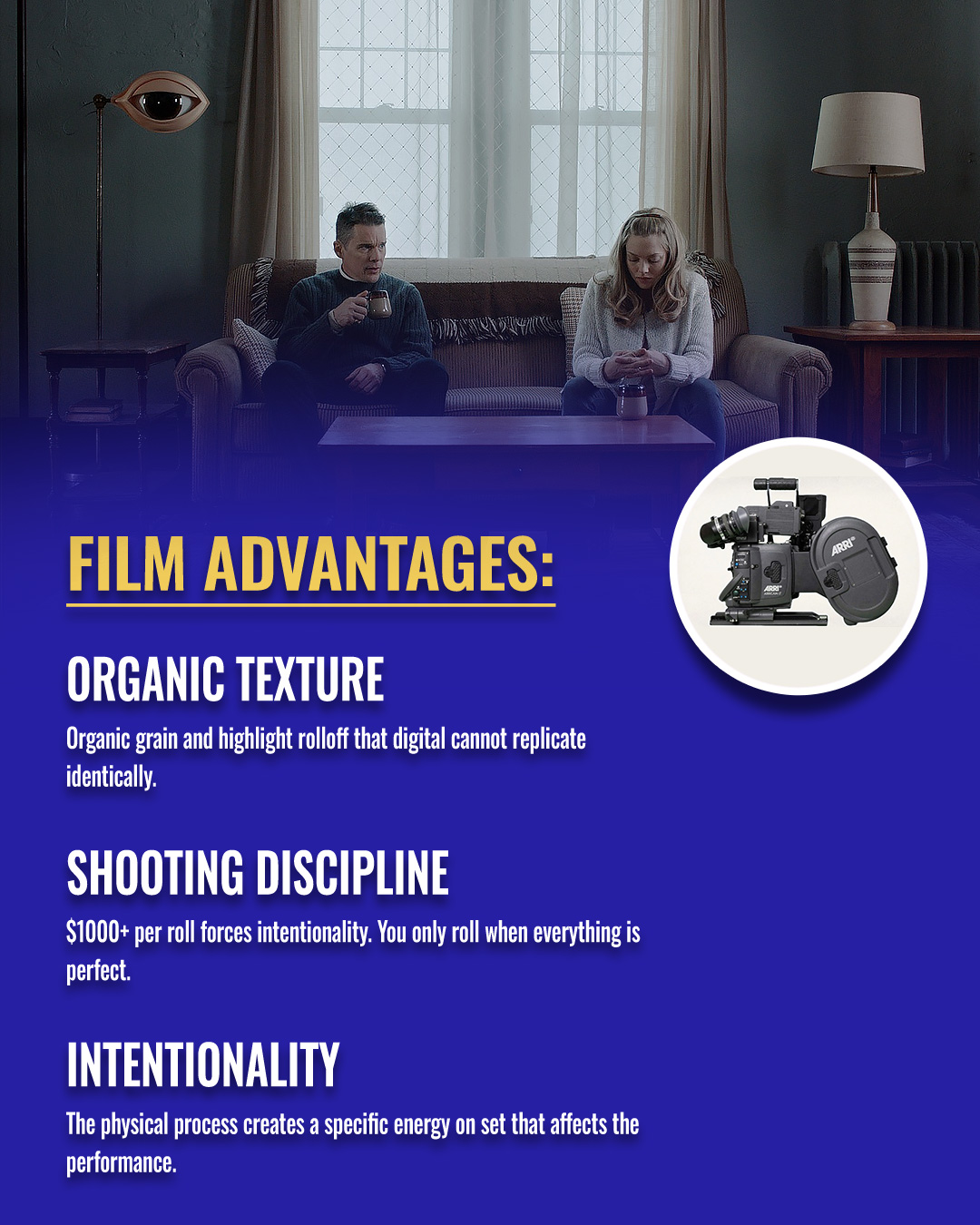
Let's dissect the distinct characteristics that fuel this enduring conversation. Celluloid film, with its organic grain structure and unparalleled highlight rolloff, offers a visual signature that digital sensors, for all their advancements, still strive to emulate. That subtle, almost painterly transition from highlight to pure white, the way overexposed areas gently clip rather than abruptly blow out, is a hallmark of film's aesthetic. This isn't merely nostalgic preference; it’s a specific optical characteristic born from silver halide crystals reacting to light. Furthermore, the very physicality of film imposes a unique discipline. A single 1000-foot roll of 35mm, yielding roughly 11 minutes of footage, costs upwards of $1,000 once processing and scanning are factored in. This material cost fosters a deliberate, considered approach to every take, a commitment to creative choices that digital’s boundless storage often doesn't demand.
The Digital Revolution: Precision and Playback
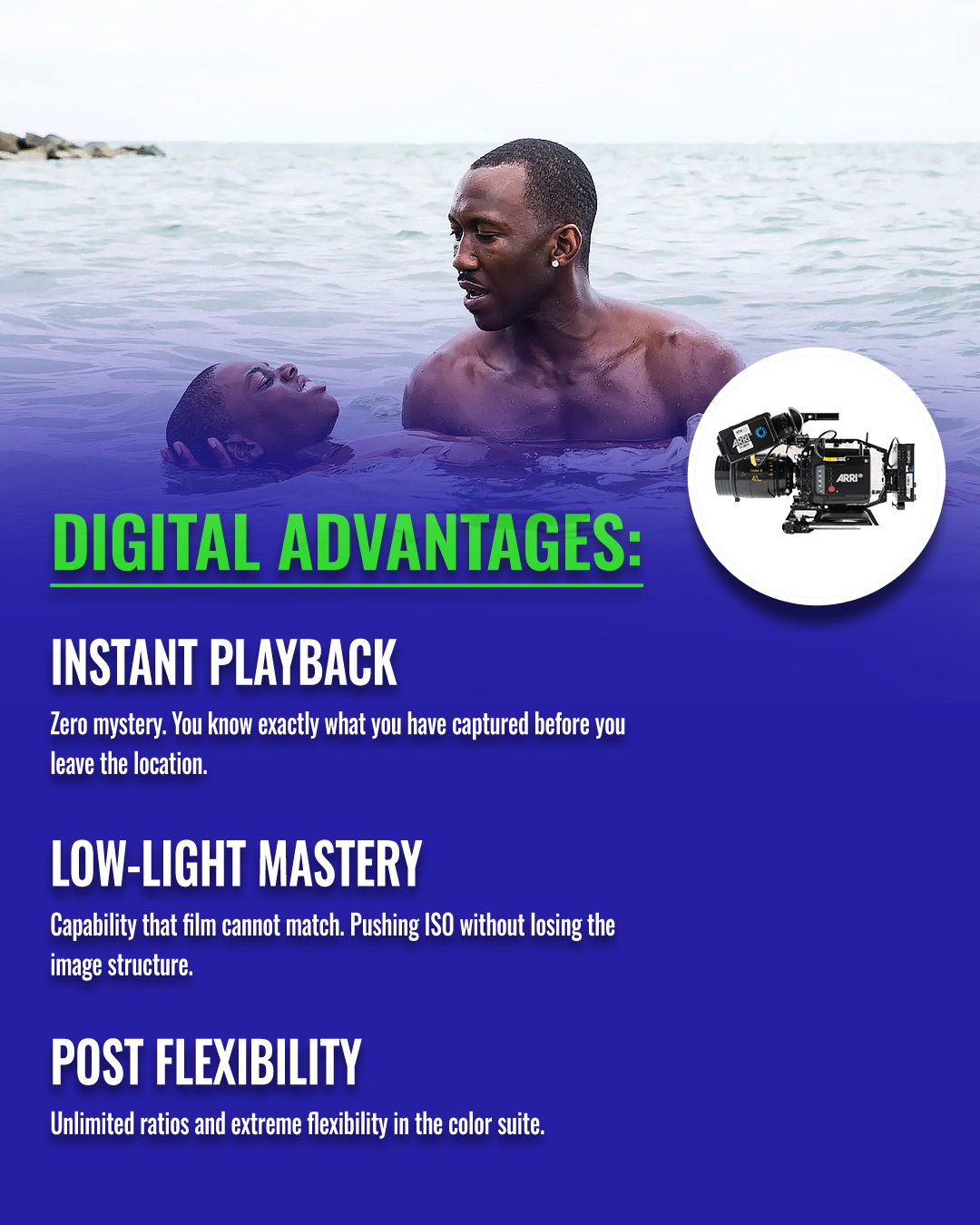
Conversely, digital acquisition has ushered in an era of unprecedented flexibility and technical prowess. Instant playback allows for immediate critical assessment on set, streamlining workflows and fostering experimentation. The virtually unlimited shooting ratios liberate cinematographers from the economic constraints of film stock, encouraging more takes and broader coverage. Modern digital cinema cameras, equipped with large, sensitive sensors, boast low-light capabilities that far exceed any film stock, opening up new frontiers for naturalistic and low-key lighting scenarios. Moreover, the prevalence of RAW and LOG formats ensures maximum image data preservation, offering unparalleled latitude for color grading and visual effects in post-production. This isn't just convenience; it's a profound expansion of the creative toolkit.
The debate has been resolved by the work itself: both are tools whose effectiveness depends entirely on the skill of the cinematographer using them.
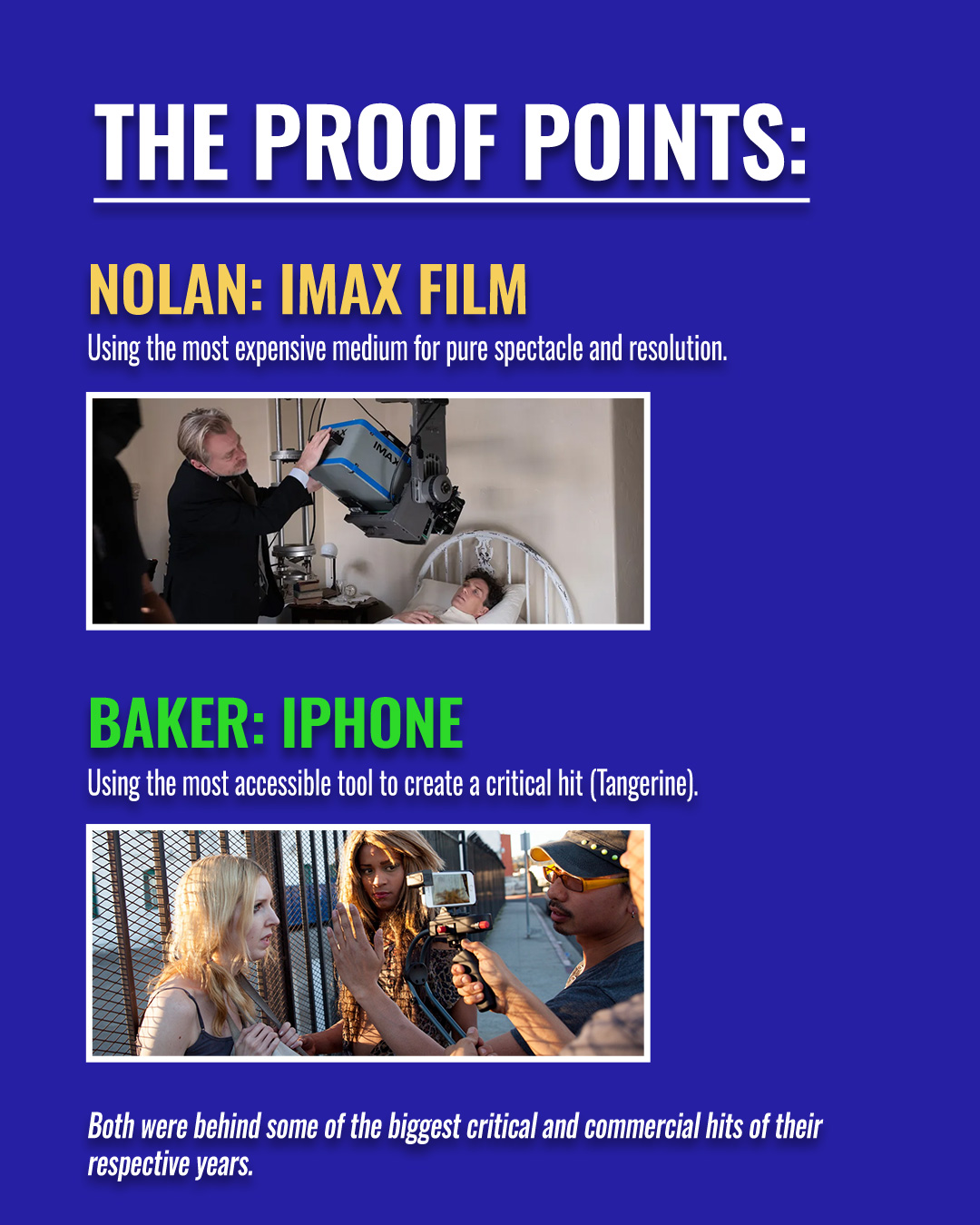
Consider Christopher Nolan's unwavering dedication to IMAX 65mm film. From the sprawling landscapes of Interstellar to the gritty realism of Dunkirk and the mind-bending complexity of Oppenheimer, Nolan and his DPs – Hoyte van Hoytema, Wally Pfister – harness the immense resolution and tactile quality of large-format film to create an immersive, visceral experience. The sheer scale and detail captured by a 65mm negative are undeniable, offering a photographic depth that, for certain narratives, is simply unmatched. This isn't a stubborn adherence to the past; it's a deliberate artistic choice to leverage film's unique characteristics for maximum impact.
Sean Baker: Redefining the Toolkit
On the other end of the spectrum, Sean Baker, a director known for his empathetic portrayal of marginalized communities, has demonstrated an exceptional ability to adapt his tools to his narrative and logistical needs. His groundbreaking 2015 film Tangerine, shot entirely on an iPhone 5s, wasn't a gimmick; it was a pragmatic and creatively liberating decision that allowed him to shoot discreetly on location with minimal crew, capturing an authenticity that a traditional camera package might have compromised. The vibrant, almost hyper-real aesthetic achieved with the iPhone, coupled with an anamorphic adapter and careful post-production, became an integral part of the film's identity. Fast forward to Anora, which garnered the Palme d'Or, and Baker and his DP, Drew Daniels, are still making intentional choices, likely leveraging the strengths of modern digital cinema cameras to tell another compelling story.
The implication here is clear: the medium serves the story, and the cinematographer serves the medium. Dismissing film as obsolete is a profound act of historical ignorance, ignoring the rich legacy and ongoing contributions it makes to cinematic art. Conversely, positioning film as inherently superior, while understandable given its heritage, risks gatekeeping and alienating a new generation of filmmakers who are pushing boundaries with digital. The true mastery lies in understanding the strengths and weaknesses of each format, and deploying them with intention and skill.
Ultimately, the film vs. digital debate isn't about which is 'better,' but rather about which is 'righter' for a given project. It's about the cinematographer's vision, their understanding of light, composition, and movement, and their ability to translate that vision through the chosen medium. Whether it's the organic texture of celluloid, the pristine clarity of a high-resolution digital sensor, or even the raw immediacy of a smartphone, the power to create indelible images resides, as it always has, in the artist.