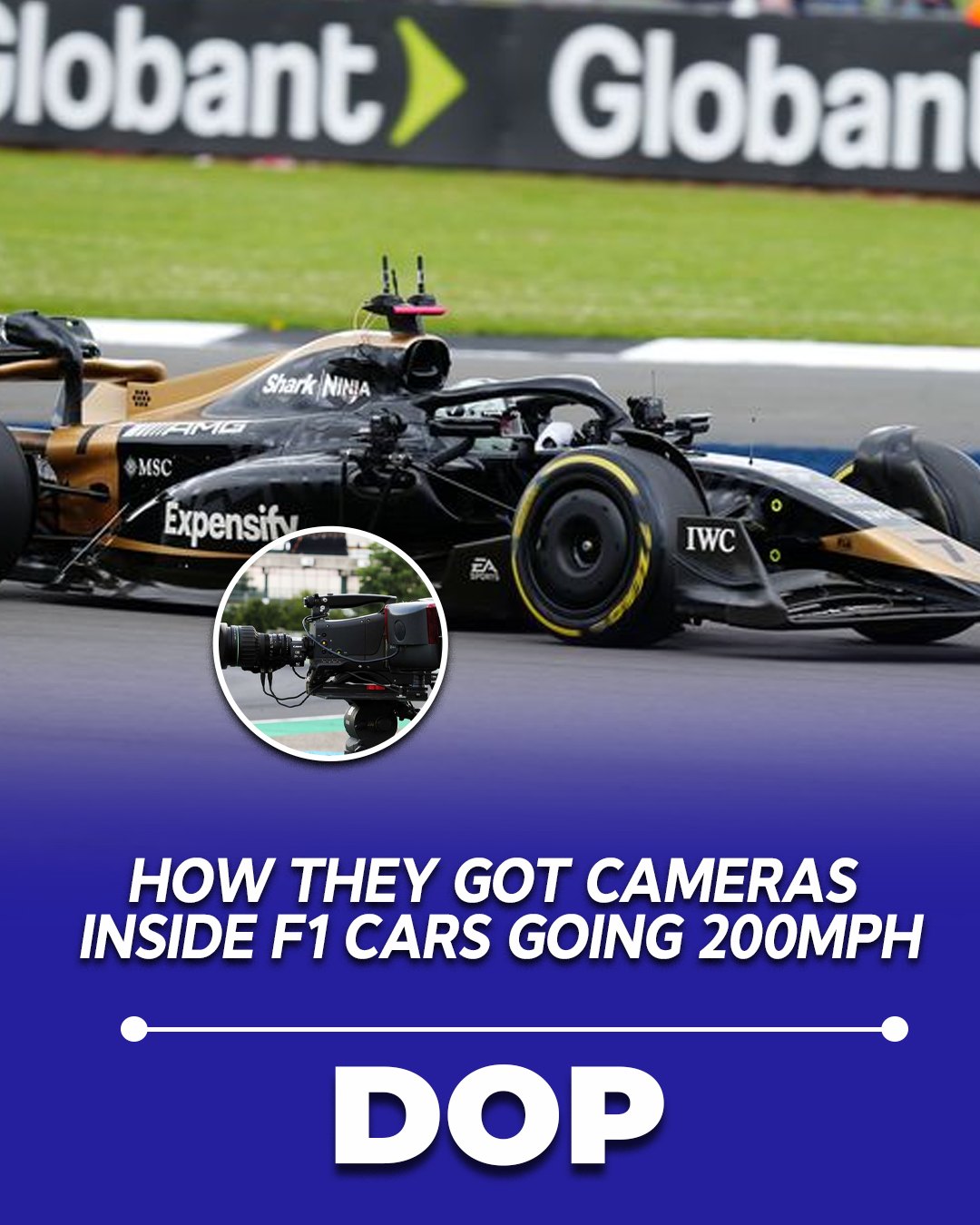
In the relentless pursuit of cinematic authenticity, filmmakers often push the boundaries of technology. Joseph Kosinski's upcoming Formula 1 feature, simply titled 'F1', starring Brad Pitt, is poised to be a landmark in this regard, particularly concerning its groundbreaking in-car cinematography. At the heart of this innovation is a bespoke collaboration between cinematographer Claudio Miranda, ASC, and Sony, resulting in custom-modified VENICE cameras designed to capture the visceral intensity of Formula 1 racing from within the cockpit.
Claudio Miranda, a master of visual storytelling whose filmography includes the breathtaking aesthetics of *Top Gun: Maverick* and *Life of Pi* (for which he won an Academy Award), is no stranger to integrating cutting-edge technology into his craft. His work on 'F1' demanded an entirely new approach to capturing high-speed action from an unprecedented perspective. The challenge was multifaceted: how to fit a cinema-grade camera into the cramped, turbulent environment of an F1 car, withstand extreme G-forces and vibrations, and still deliver the pristine image quality expected from a large-format sensor.
Engineering the Unseen Shot
The solution was a collaborative engineering marvel. Sony's VENICE camera system, already renowned for its full-frame sensor, exceptional color science, and robust build, served as the foundation. However, standard VENICE bodies were simply too large and unwieldy for the tight confines of a Formula 1 cockpit. Miranda and his team, working closely with Sony's engineers, embarked on a mission to miniaturize and ruggedize the camera components without compromising image fidelity. This involved stripping down the VENICE to its core imaging block, creating custom housings, and developing proprietary mounting solutions that could absorb the brutal vibrations inherent in high-performance racing.
“The goal was not just to put a camera inside a car, but to make the audience feel like they are *in* the car, experiencing every G-force and every split-second decision alongside the driver.”
The modification process extended beyond mere size reduction. Considerations for extreme temperature fluctuations, from the scorching heat of a race track to potential cooling issues within an enclosed space, were paramount. The custom cameras needed to be resilient, reliable, and capable of sustained operation under some of the most demanding conditions imaginable. This level of bespoke engineering underscores a fundamental principle in high-end cinematography: when existing tools fall short, the craft demands the creation of new ones.
The Cinematic Impact of Intimacy
The choice of the Sony VENICE for this ambitious undertaking is particularly insightful. Its dual-base ISO, offering exceptional low-light performance, is crucial for maintaining image quality in varying light conditions, particularly inside a cockpit where lighting can be highly dynamic and challenging. The full-frame sensor provides a shallower depth of field and a more cinematic fall-off, crucial for isolating the driver and enhancing the sense of immersion, even within a wide field of view. Furthermore, the VENICE's renowned color rendition ensures that the vibrant hues of the F1 world, the sponsors, the track, the sky, are captured with stunning accuracy and richness.
The impact of this technological leap on the viewing experience cannot be overstated. By placing these custom VENICE cameras directly into the F1 cars, 'F1' promises to deliver an unprecedented level of visual fidelity and intimacy. Audiences will no longer be mere spectators; they will be transported into the driver's perspective, feeling the speed, the G-forces, and the intense focus required to navigate a Formula 1 circuit at breakneck speeds. This is not just about capturing a race; it's about translating the raw, sensory experience of F1 into cinematic language, and Miranda's collaboration with Sony is setting a new benchmark for how we perceive and consume high-octane action on screen.
This project exemplifies the relentless pursuit of visual excellence that defines the best cinematographers. It's a testament to the idea that the camera is not merely a recording device but a tool for empathy and immersion. By meticulously engineering solutions for seemingly insurmountable challenges, Claudio Miranda and the 'F1' team are not just making a movie; they are redefining the very possibilities of in-car action cinematography, proving once again that true innovation arises from a deep understanding of both technology and the art of visual storytelling.
This article contains affiliate links. We may earn a small commission at no extra cost to you. Learn more.