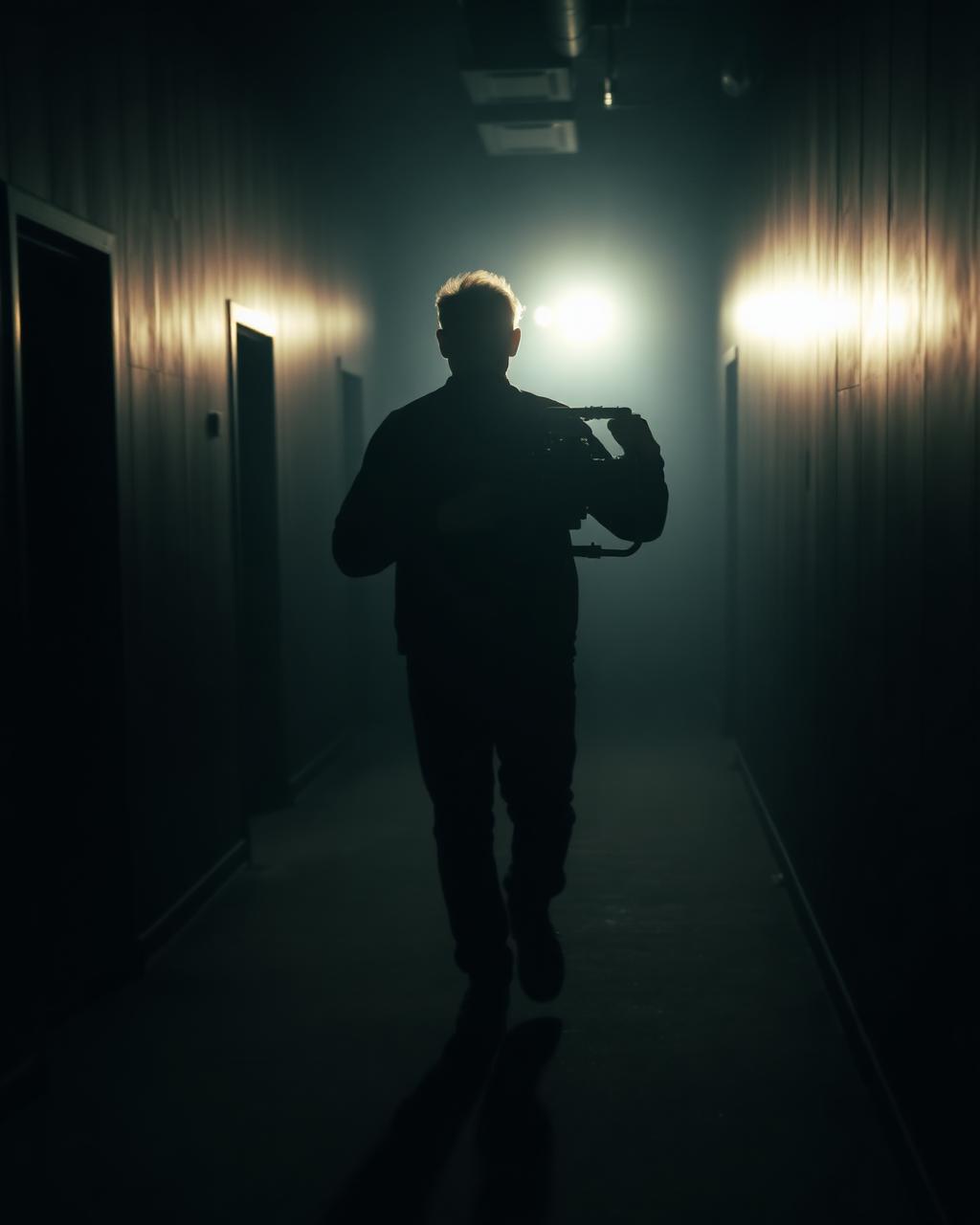
Eric Branco ASC built a camera movement grammar on Chasing Summer (Sundance 2026) that is directly tied to the protagonist's psychology. Static setups on sticks represent external stability. Handheld camera movement represents internal instability. The approach is not new—matching camera technique to emotional state is a standard cinematographic practice—but executing it with consistency across an entire feature requires absolute editorial discipline. The ASC's Sundance 2026 roundup noted Branco's work as moving 'between sticks and handheld moves, depending on its protagonist's internal state.'
The challenge with this kind of grammar is that it must be established early and sustained consistently. If the audience doesn't internalize the rule—sticks equal stability, handheld equals instability—the technique becomes incoherent. But if the rule is clear and consistent, the camera itself becomes a storytelling device. When the camera shifts from sticks to handheld, the psychological pressure registers immediately. The audience feels it without consciously noticing it.
This requires advance planning. Every scene must be evaluated against the protagonist's internal state at that moment in the story. Is the character stable or unstable? Confident or anxious? Clear-headed or confused? The camera position and movement must serve that emotional register. A scene that appears calm on the page might require handheld coverage because the character is internally destabilized. Another scene with dramatic tension might be shot on sticks because the character is externally in control.
For working cinematographers, the lesson is this: your technical choices must be motivated by the story, not by visual fashion or aesthetic preference. Branco was not using handheld because it's trendy. He was using handheld because the character's internal state requires it. The sticks are not chosen for visual stability per se; they are chosen because external stability matches the character's psychological condition in that moment.
The practice also requires collaboration with editing. The editor must understand the grammar and maintain it during the assembly. If the editor cuts between sticks and handheld based on scene length or pacing rather than on the protagonist's psychological arc, the grammar breaks down. This is why films using this approach often have close cinematography-editing relationships.
For emerging cinematographers interested in building visual language that serves narrative rather than imposing style onto narrative, Branco's approach offers a model. The camera becomes an extension of the character's nervous system. When the character feels stable, the camera is stable. When the character is unraveling, the camera unravels with them. This is not cinematography as decoration. This is cinematography as storytelling.
Sticks for external world. Handheld for internal state. Branco held that grammar for an entire film. That is visual storytelling, not cinematography.
Gear Recommendations
- DJI RS 4 Pro Gimbal – Amazon
- Easyrig Vario 5 | Adorama – B&H Photo
- Blackmagic Pocket Cinema Camera 6K Pro | Adorama – B&H Photo
- Sigma 18-35mm f/1.8 Art | Adorama – B&H Photo
- Tiffen Black Pro-Mist 1/4 Filter | Adorama – B&H Photo
Note: Links above are affiliate links. Occupy Cinematography may earn a commission on qualifying purchases at no additional cost to you.