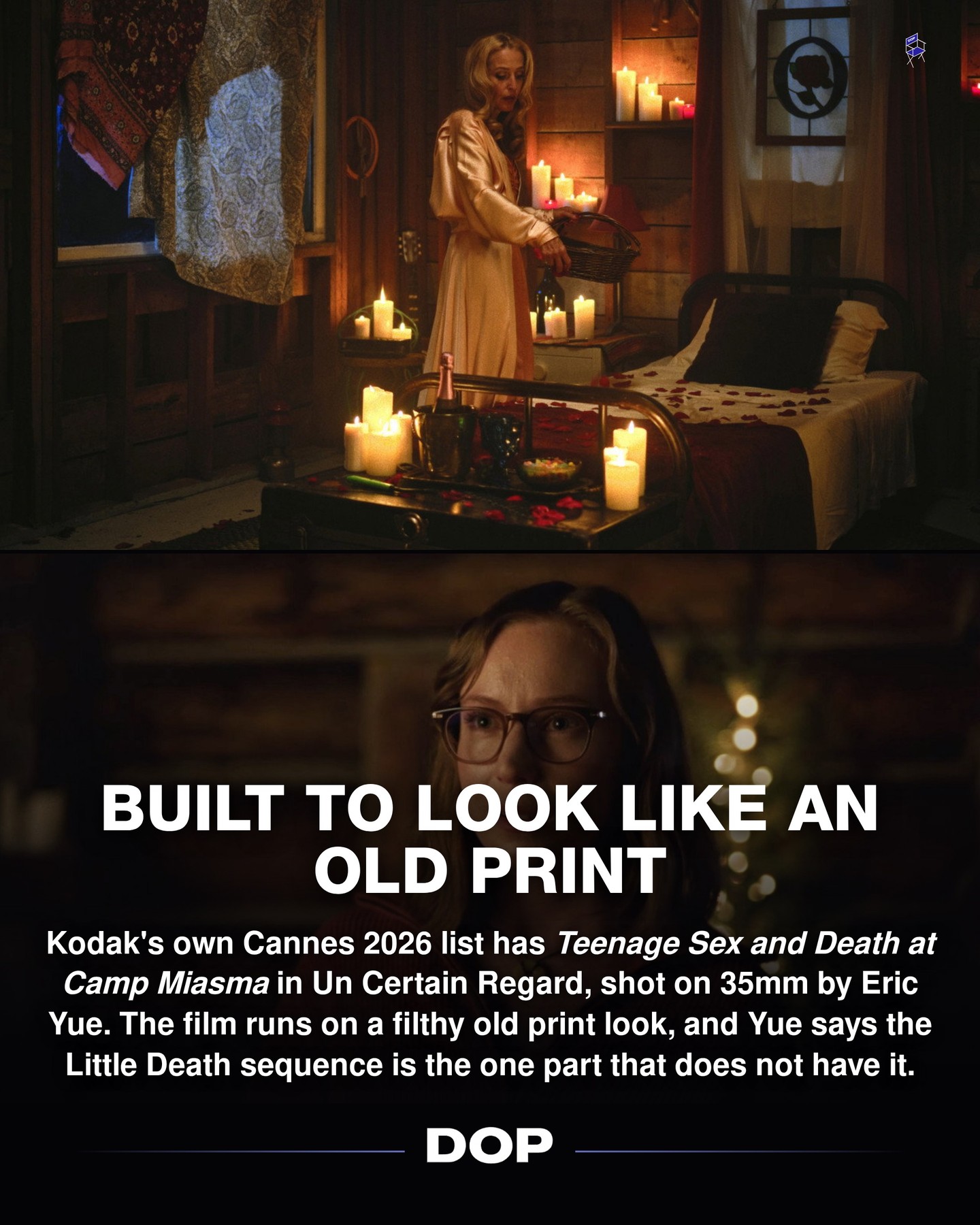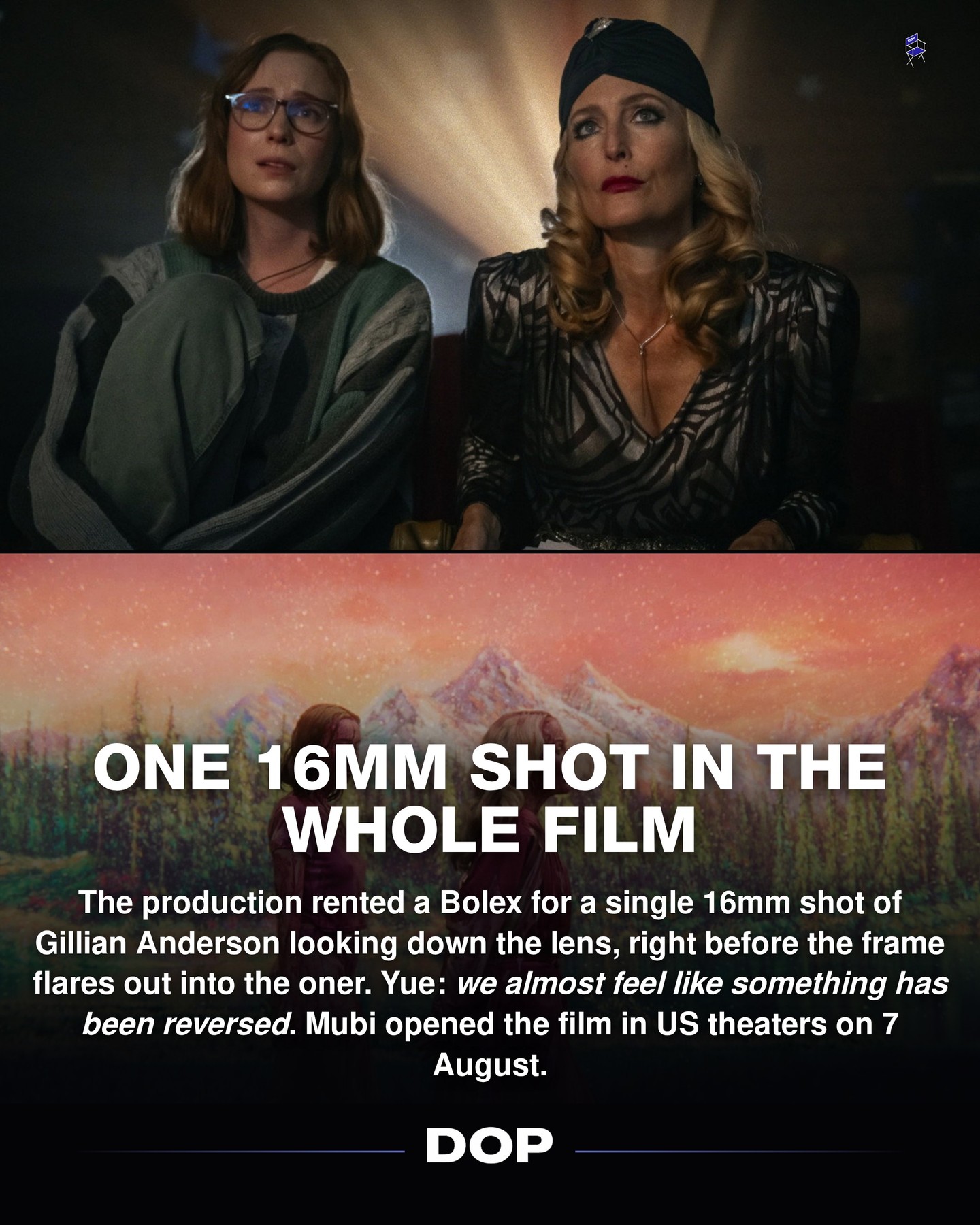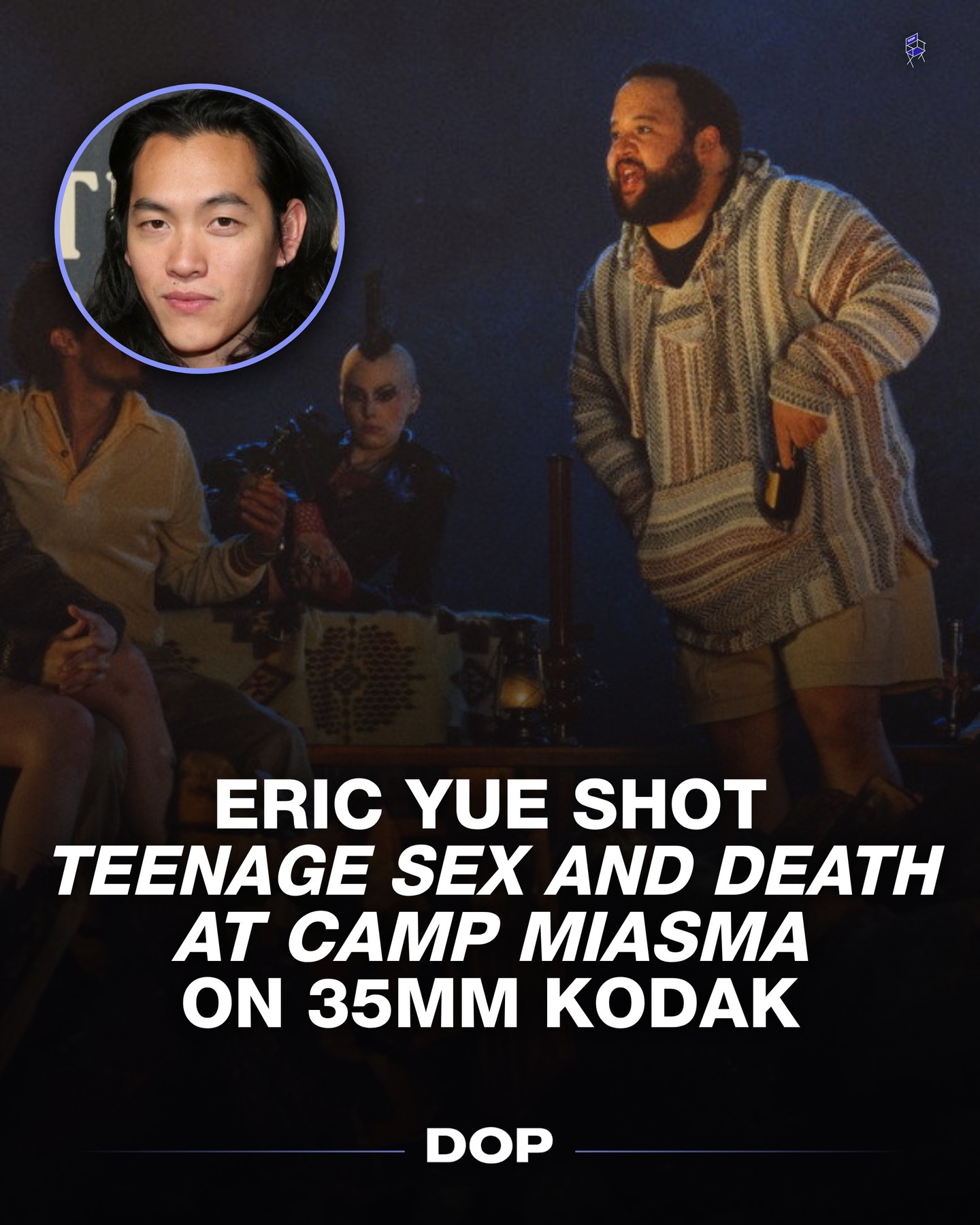
In an era where digital pristine reigns supreme and every pixel is polished to perfection, a new wave of cinematographers is consciously rebelling, seeking beauty in the imperfect, the grainy, the 'degraded.' Eric K. Yue, with his work on the Mubi-distributed 'Teenage Sex and Death at Camp Miasma,' emerges as a fascinating figure in this movement, turning the conventional pursuit of visual fidelity on its head. The film, predominantly a 35mm production, features a striking anomaly: a single, pivotal shot of Gillian Anderson captured on a 16mm Bolex. This isn't merely a stylistic flourish; it's a profound statement, a deliberate act of cinematic authorship that underscores the film's entire visual philosophy.
Yue’s approach, as he described to Variety, was 'reversed.' Instead of striving for the cleanest possible negative and then introducing effects, he aimed for a degraded print look from the outset. This isn't about simulating vintage; it's about engineering a specific texture, a deliberate decay that speaks volumes about the film’s narrative and emotional landscape. It's an infinitely more challenging task than simply adding a filter in post-production. To truly degrade an image with purpose, one must possess an intimate understanding of its pristine state. You must know the rules inside out before you can break them effectively, discerning what constitutes 'accidental' versus 'authored' imperfection.
The Bolex as a Signature of Intent
The decision to shoot a single insert of Gillian Anderson on a 16mm Bolex is the cinematic equivalent of an artist leaving a visible brushstroke in an otherwise meticulously blended painting. It's the tell. While the bulk of 'Teenage Sex and Death at Camp Miasma' was captured on 35mm film, a format already rich with organic texture compared to digital, the Bolex shot elevates the film's aesthetic conversation. The Bolex, with its distinct mechanical charm, inherent grain structure, and often slightly softer, more organic rendering, immediately signals a shift. It’s a physical artifact, a tangible piece of film history interjected into a contemporary narrative, deliberately disrupting the visual flow and drawing acute attention to itself.
“To truly degrade an image with purpose, one must possess an intimate understanding of its pristine state. You must know the rules inside out before you can break them effectively.”
This isn't merely about grain; it's about the character of the image. The 16mm frame, especially from a Bolex, carries a certain nostalgia, a DIY punk rock energy that resonates with the raw, perhaps unsettling themes implied by the film's provocative title. It’s a knowing wink to early independent cinema, to experimental shorts, and to a time when filmmaking was more tactile, less virtual. This specific choice suggests a deliberate contrast, perhaps isolating Anderson's character or a particular moment with a unique visual language that transcends the primary 35mm look.
Crafting Intentional Imperfection
The technical implications of Yue's 'reversed' approach are fascinating. For the 35mm photography, one might speculate on a number of techniques employed to achieve this 'degraded print look' from the initial capture. This could involve pushing or pulling the film stock, using older or less perfectly maintained lenses with unique aberrations, or even experimenting with specific lab processes like cross-processing or skip bleaching, which can introduce color shifts, increased contrast, and a grittier texture. The choice of Kodak film stock itself would be crucial; perhaps a Vision3 500T pushed a stop or two, or even an older, re-animated stock if available, to maximize grain and reduce dynamic range in a controlled manner.
When it comes to the Bolex 16mm shot, the choice of lens would be paramount. Vintage Switar or Kern lenses, often paired with Bolex cameras, are known for their unique flares, fall-off, and sometimes less-than-clinical sharpness, all of which contribute to a 'degraded' aesthetic. The smaller negative size of 16mm inherently means a more pronounced grain structure, even with modern stocks like Kodak Vision3 250D or 50D. The Bolex’s manual operation, its clockwork mechanism, and the inherent limitations of its optical system all contribute to an image that feels less polished, more visceral. This isn't just about 'making it look old'; it's about crafting a specific emotional texture that resonates with the film's themes, whatever they may be.
Yue’s film, even before widespread viewing, stands as a testament to the power of intentionality in cinematography. It challenges the prevailing dogma of technical perfection, asserting that visual degradation, when precisely authored, can be a potent narrative tool. The single Bolex shot of Gillian Anderson is not an outlier; it is the lynchpin, the irrefutable evidence that every 'imperfection' in 'Teenage Sex and Death at Camp Miasma' is a calculated choice, a stroke of genius in a visually ambitious work. It reminds us that sometimes, the most profound statements are made not by what you add, but by what you deliberately take away or distort, forcing the audience to lean in and truly see.
This film is a masterclass in controlled chaos, a reminder that the craft of cinematography is as much about understanding imperfection as it is about chasing an unattainable ideal. It’s a bold declaration that the medium itself, in all its grainy, tactile glory, can be a character, and its imperfections, when wielded by a visionary like Eric K. Yue, can speak volumes.
This article contains affiliate links. We may earn a small commission at no extra cost to you. Learn more.