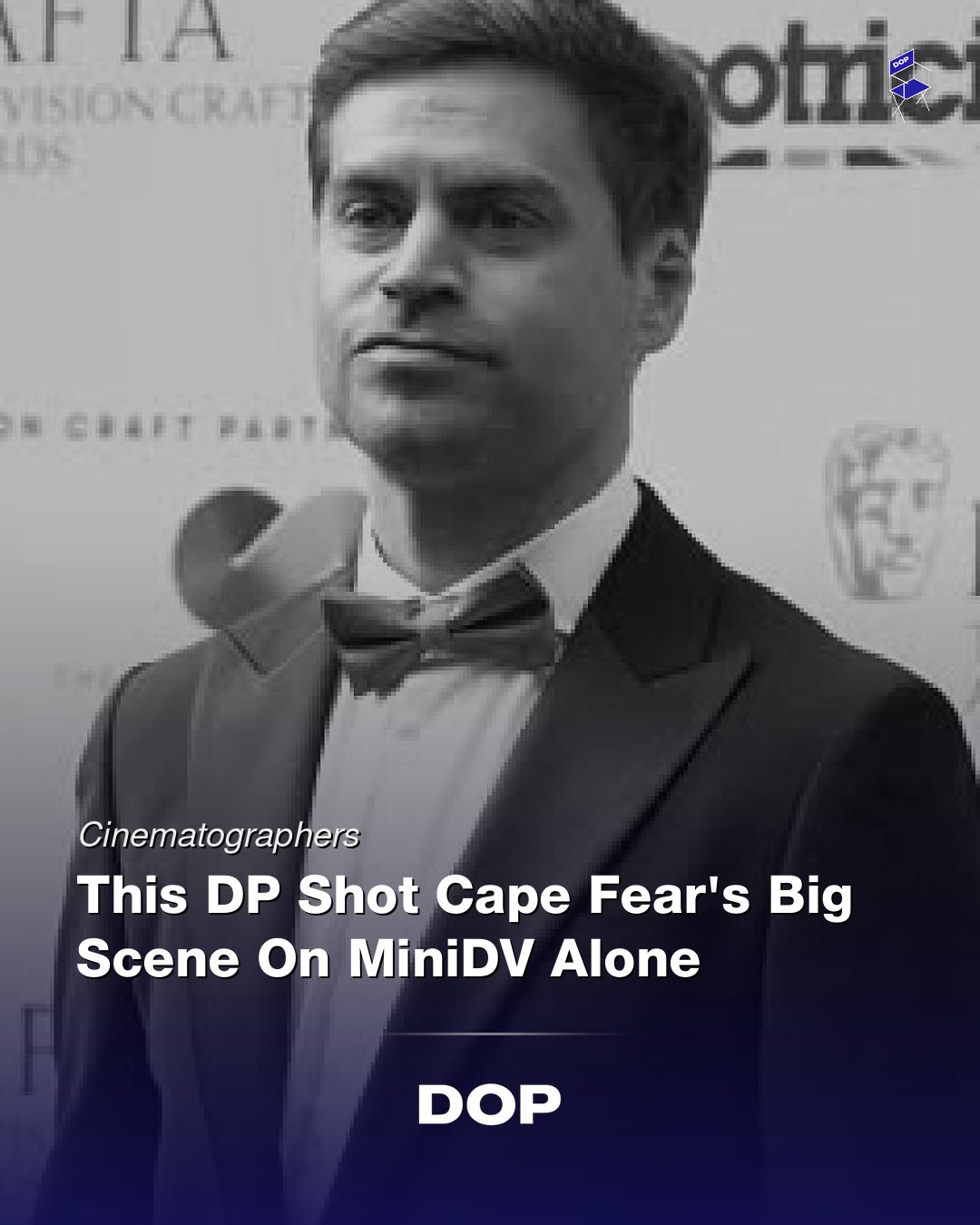
In an age where digital redundancy and cutting-edge sensor technology reign supreme, the decision to shoot a pivotal scene on a period-accurate MiniDV camera, with no modern digital backup, is not merely bold, it's a profound statement on cinematic intent. This is precisely the gamble Eben Bolter, ASC BSC, took for Apple TV’s forthcoming ‘Cape Fear’ series, a move that speaks volumes about his artistic conviction and trust in the power of authenticity.
Bolter, whose recent induction into the American Society of Cinematographers (ASC) solidifies his status among the craft's elite, is no stranger to pushing boundaries. His work on HBO’s critically acclaimed ‘The Last of Us’ showcased an incredible range, from the desolate beauty of a post-apocalyptic world to the intimate, character-driven moments that defined the series. On ‘The Last of Us,’ Bolter often employed the ARRI Alexa Mini LF, pairing it with vintage glass like the rehoused Cooke Speed Panchros or the Atlas Orion anamorphic lenses to achieve a blend of modern resolution with classic cinematic texture. This thoughtful approach to equipment, always serving the story, is a hallmark of his style.
The Philosophy of Period-Accurate Imperfection
The ‘Cape Fear’ MiniDV decision isn't a mere stylistic flourish; it's a deep dive into the very essence of the narrative. The original ‘Cape Fear’ (1962) and its iconic 1991 remake both explore themes of primal fear and psychological torment, often through a lens of unsettling intimacy. A VHS-style aesthetic, inherently linked to an era of home video and raw, unpolished imagery, can immediately transport an audience to a specific time and evoke a sense of voyeurism or found footage. This isn't about pristine images; it's about evocative ones.
When Bolter states, “It’s not like we shot it on our big expensive camera and then shot it on the MiniDV. It was just the MiniDV. So it was a leap of faith,” he articulates a philosophy that many cinematographers, despite their access to the latest gear, often yearn for: absolute commitment to a chosen aesthetic. This isn't about degrading a high-resolution image in post-production; it's about embracing the inherent characteristics of the medium from capture.
“It’s not like we shot it on our big expensive camera and then shot it on the MiniDV. It was just the MiniDV. So it was a leap of faith.”, Eben Bolter, ASC BSC
The MiniDV format, with its distinct interlaced video look, limited dynamic range, and often characteristic color reproduction, offers a texture that simply cannot be perfectly replicated digitally. The specific noise pattern, the way light blooms, the inherent softness, these are artifacts of the medium that contribute to its unique character. To commit to this completely means surrendering to its limitations, understanding that these limitations are precisely what make it powerful for the scene in question.
Technical Nuances and Creative Trust
From a technical standpoint, shooting on MiniDV for a high-profile series presents a myriad of challenges. Exposure latitude is significantly reduced compared to modern digital cinema cameras. Color science is rudimentary, and the post-production workflow for integrating this footage seamlessly into a larger digital production requires careful planning and a highly skilled colorist. Yet, Bolter and his team clearly understood these hurdles and embraced them, trusting that the narrative impact would outweigh any perceived technical compromises.
This level of trust extends beyond the technical. It speaks to a profound collaborative relationship with the director and producers, who must have shared Bolter's vision for this audacious approach. In an industry often driven by risk aversion, such a decision showcases a rare and commendable artistic bravery. It's a testament to Bolter's growing reputation as a cinematographer who prioritizes storytelling above all else, even if it means stepping away from the comfort of cutting-edge technology for a moment to achieve a specific, potent effect.
Bolter’s career trajectory, from the haunting landscapes of ‘The Last of Us’ to this bold MiniDV experiment on ‘Cape Fear,’ demonstrates a cinematographer continually evolving, always seeking the most impactful visual language for the story at hand. His induction into the ASC is a recognition not just of his technical prowess, but of his artistic integrity and willingness to challenge conventional wisdom. For serious film enthusiasts and fellow craftspeople, Bolter's 'Cape Fear' gamble offers a compelling reminder that sometimes, the most powerful images are found not in the pursuit of perfection, but in the embrace of authentic imperfection.
This article contains affiliate links. We may earn a small commission at no extra cost to you. Learn more.