The cinematic landscape has long been defined by its visual language, and few elements speak with as much authority as anamorphic glass. For decades, the distinctive widescreen aspect ratio, the organic oval bokeh, and those iconic horizontal lens flares have been the hallmark of premium, big-budget productions. It’s a look that whispers 'cinema' with every frame, a visual shorthand for epic storytelling and grand scale. Yet, for the independent cinematographer, the dream of shooting true anamorphic has often remained just that – a dream, priced out by prohibitive rental costs and the scarcity of accessible options. Until now.
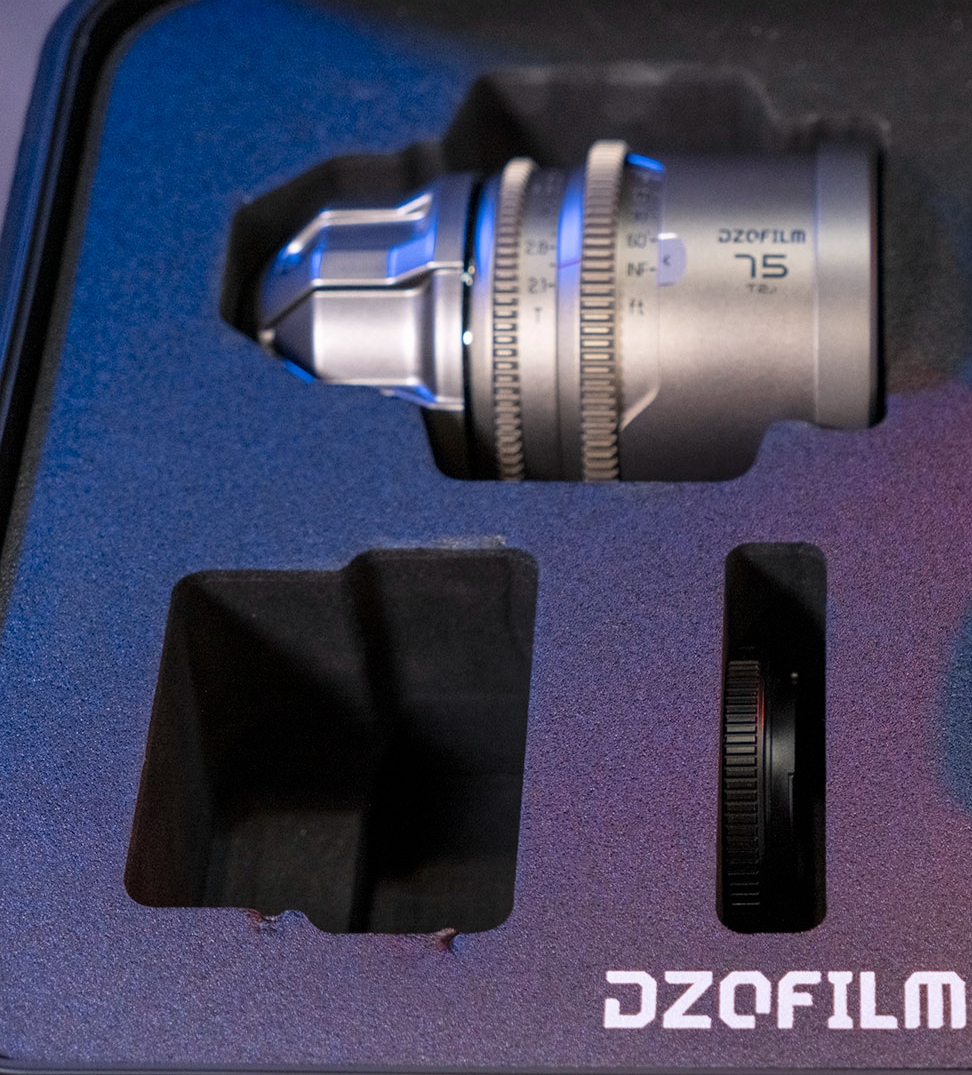
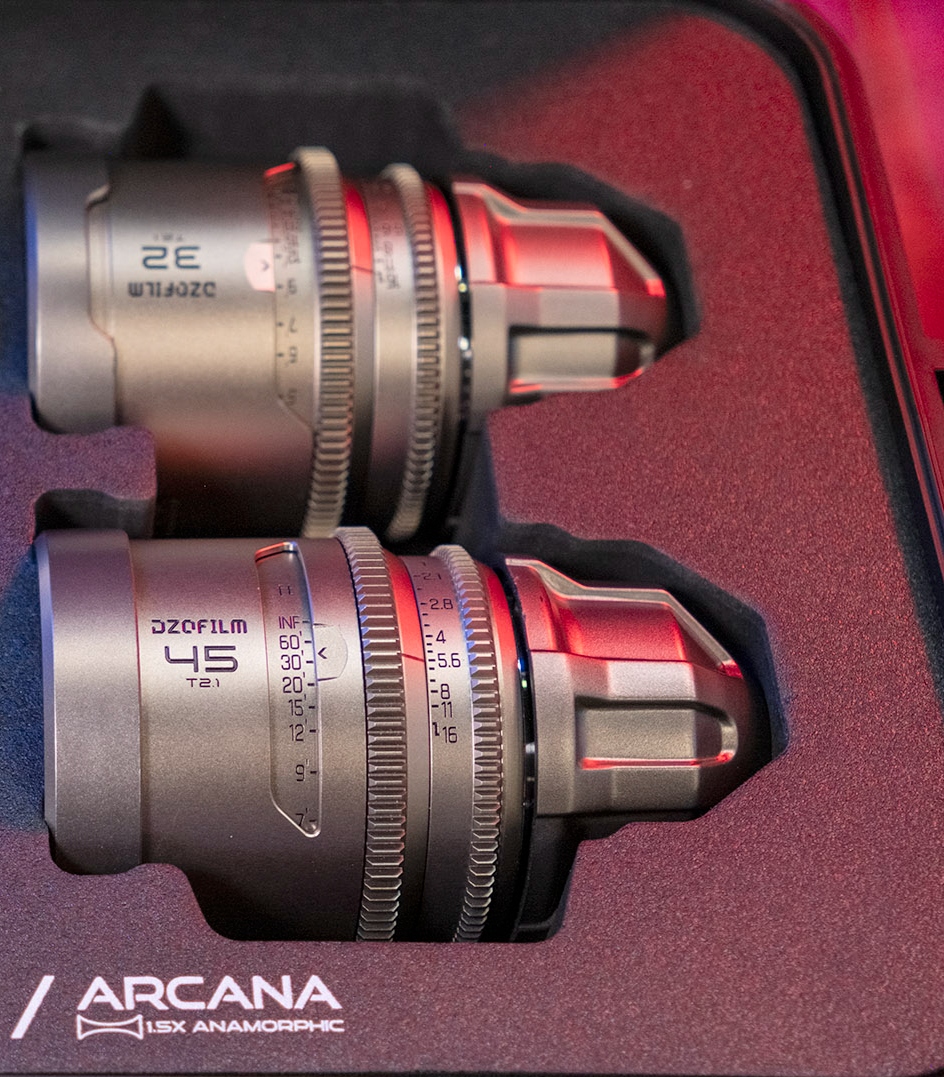
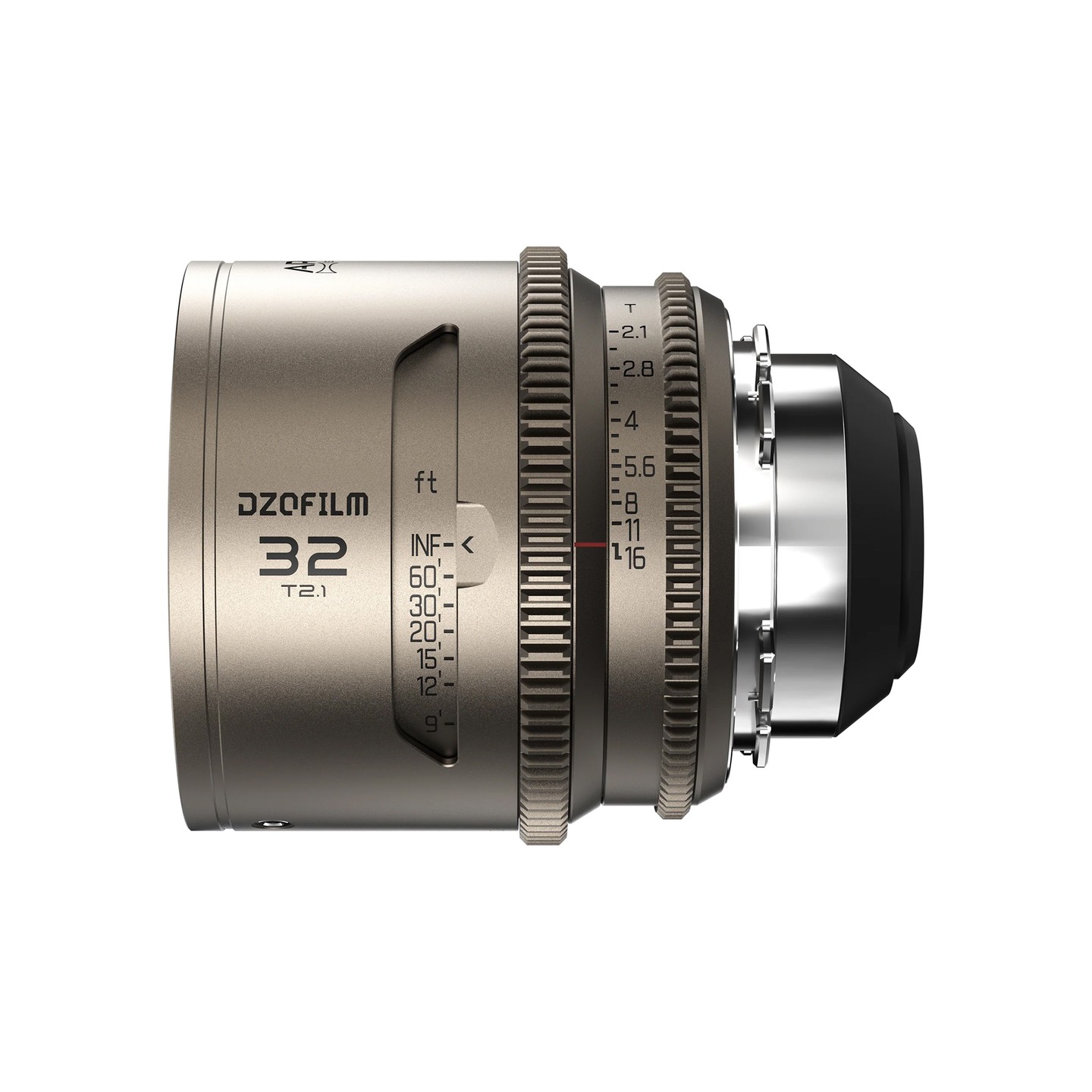
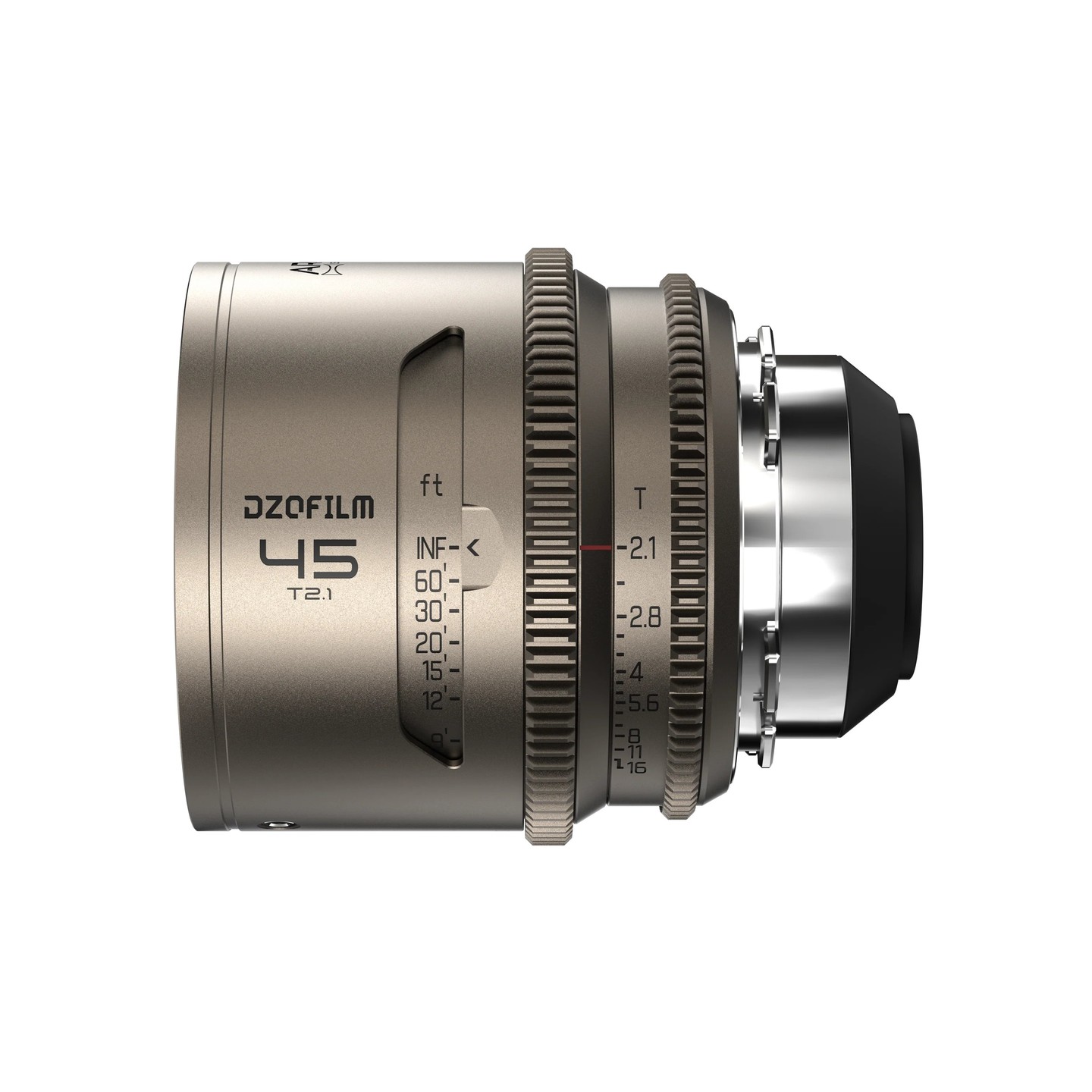
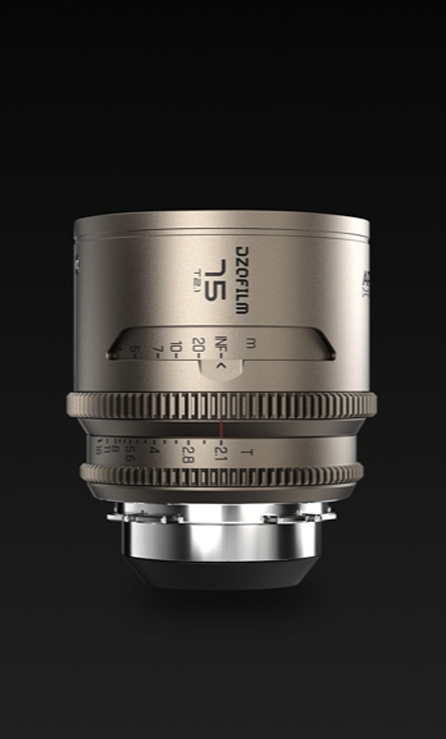
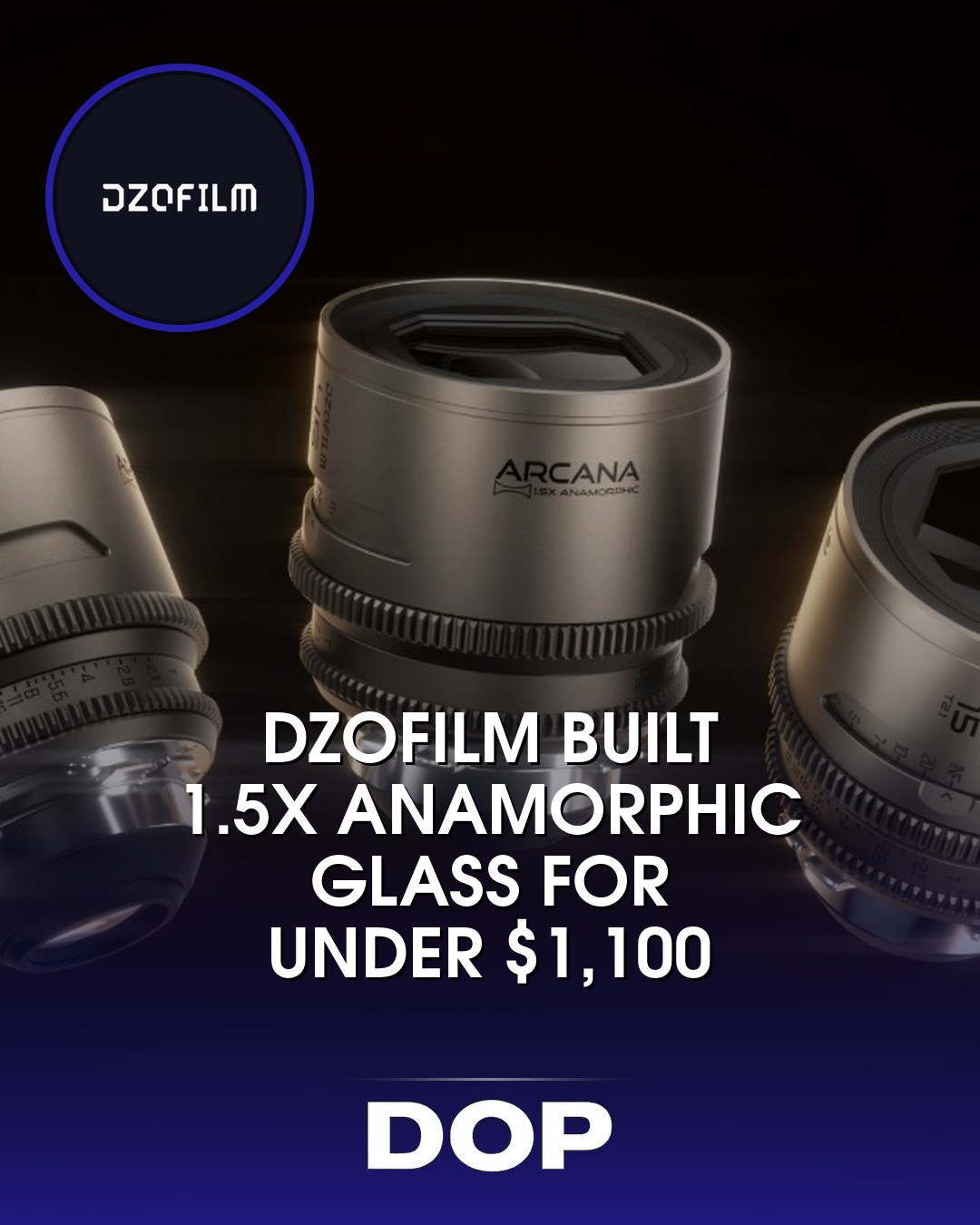
DZOFILM’s unveiling of the Arcana series at NAB 2026 marks a watershed moment, a genuine game-changer for the craft. With an entry price point starting at an astonishing $1,099 per lens, the Arcana primes aren't just affordable; they're revolutionary. This isn't a compromise; it’s a fully-fledged 1.5x full-frame anamorphic set, designed from the ground up to deliver the aesthetic characteristics that DPs crave. The initial trio of 32mm, 45mm, and 75mm focal lengths, all at a respectable T2.1, provides a solid foundation for a wide range of narrative and commercial work, covering full-frame sensors with elegance and precision.
Breaking the Anamorphic Barrier
The history of cinematography is punctuated by moments of democratization. The advent of digital cinema cameras from manufacturers like Blackmagic Design, coupled with the release of high-performance, affordable prime lenses such as the Sigma Art series, fundamentally reshaped the independent film scene. Suddenly, 'cinema-quality' imagery was no longer exclusive to those with seven-figure budgets. Yet, anamorphic remained the final frontier, a tantalizing yet financially out-of-reach aesthetic. While anamorphic adapters and rehoused vintage glass offered glimpses of the look, they often came with their own set of compromises: inconsistent optical performance, limited focal length options, and the inherent challenges of adapting optics not originally designed for modern digital sensors.
“The Arcana primes are a breakthrough affordable option that doesn't require compromise. DZOFILM just lowered the price on a format that has defined cinema since Lawrence of Arabia.”
What DZOFILM has achieved with the Arcana series is a true breakthrough. They haven't just made anamorphic cheaper; they've made it accessible without sacrificing the core tenets of the format. This isn't about simulating the look; it's about delivering the authentic experience: the organic fall-off, the creamy oval bokeh that transforms point lights into painterly strokes, and those distinctive horizontal flares that can add so much character and atmosphere to a scene. For a working indie cinematographer, who might previously have faced rental costs exceeding $1,100 per day for a premium anamorphic set, the Arcana series represents an investment that can pay for itself in just a few shoots.
The Craft of Anamorphic Storytelling
The choice to shoot anamorphic is rarely just a stylistic whim; it’s a deliberate storytelling decision. Think of the sweeping vistas of David Lean's Lawrence of Arabia, captured on Super Panavision 70, or the intimate yet expansive frames of Paul Thomas Anderson's The Master, shot by Mihai Mălaimare Jr. on Panavision C-Series anamorphics. These films leverage the inherent qualities of anamorphic lenses to create a sense of scale, immersion, and a unique visual texture that can't be replicated by spherical lenses cropped to a similar aspect ratio.
The 1.5x squeeze factor of the Arcana primes is a judicious choice, offering a compelling balance between the classic 2x anamorphic look and the practicality of 1.33x anamorphics, which often feel less pronounced. A 1.5x squeeze, when desqueezed, yields a widescreen aspect ratio that feels inherently cinematic, while still being manageable for sensor coverage on full-frame cameras. This thoughtful design ensures that DPs can achieve that beloved widescreen aesthetic without excessive cropping or the often-extreme barrel distortion sometimes associated with higher squeeze factors.
Technical Prowess and Future Implications
While specific details on the optical design and coatings are still emerging, the T2.1 aperture across the initial set suggests a commitment to low-light performance and shallow depth of field, crucial for anamorphic work where the separation of subject from background is paramount. The consistency of the T-stop across focal lengths is also a boon for DPs, simplifying exposure calculations and ensuring seamless transitions during production. The choice of full-frame coverage further positions the Arcana series as a forward-thinking option, future-proofing it against the continued evolution of large-format sensors in cinema cameras.
The implications of the DZOFILM Arcana series extend beyond just the individual filmmaker. This move could catalyze a broader shift in the visual lexicon of independent cinema. As more DPs gain access to true anamorphic tools, we can expect to see an explosion of creativity, with filmmakers exploring new ways to utilize this distinctive format for their narratives. It's an exciting time to be a cinematographer, and DZOFILM has just opened a new chapter in the story of accessible, high-quality cinematic imaging.