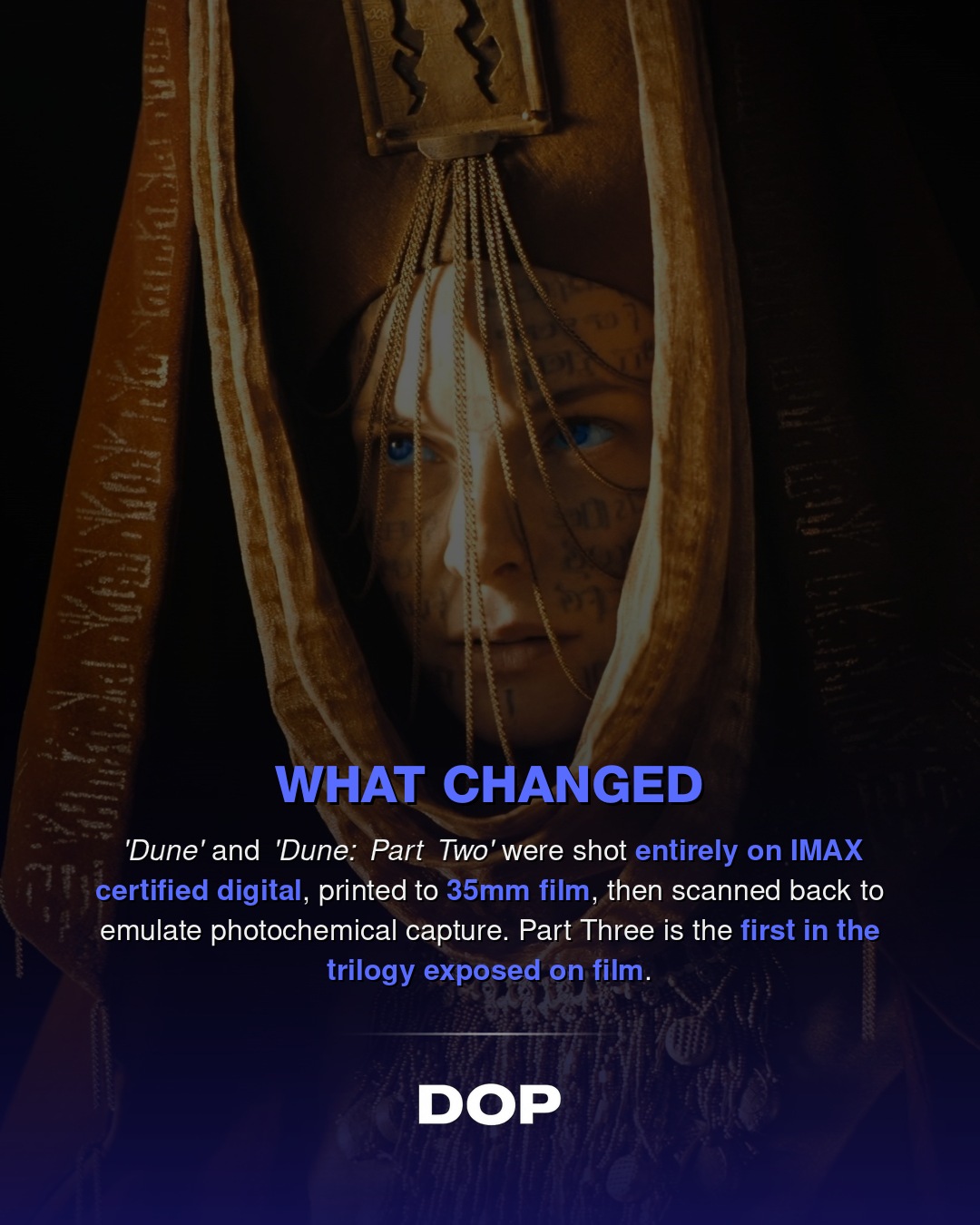
The shifting sands of Arrakis have always demanded a visual language as vast and visceral as its unforgiving landscape. For two films, Denis Villeneuve and Greig Fraser ASC, ACS forged this vision through the cutting edge of IMAX-certified digital cinematography, meticulously crafting an aesthetic that felt both epic and intimately brutal. Their approach, a sophisticated dance of digital capture printed to 35mm and then scanned back, created a unique textural quality that blurred the lines between digital precision and filmic grit. Now, as the saga marches towards its climactic chapter, Dune: Part Three, a seismic shift in photographic philosophy is underway, spearheaded by the acclaimed Linus Sandgren ASC, FSF.
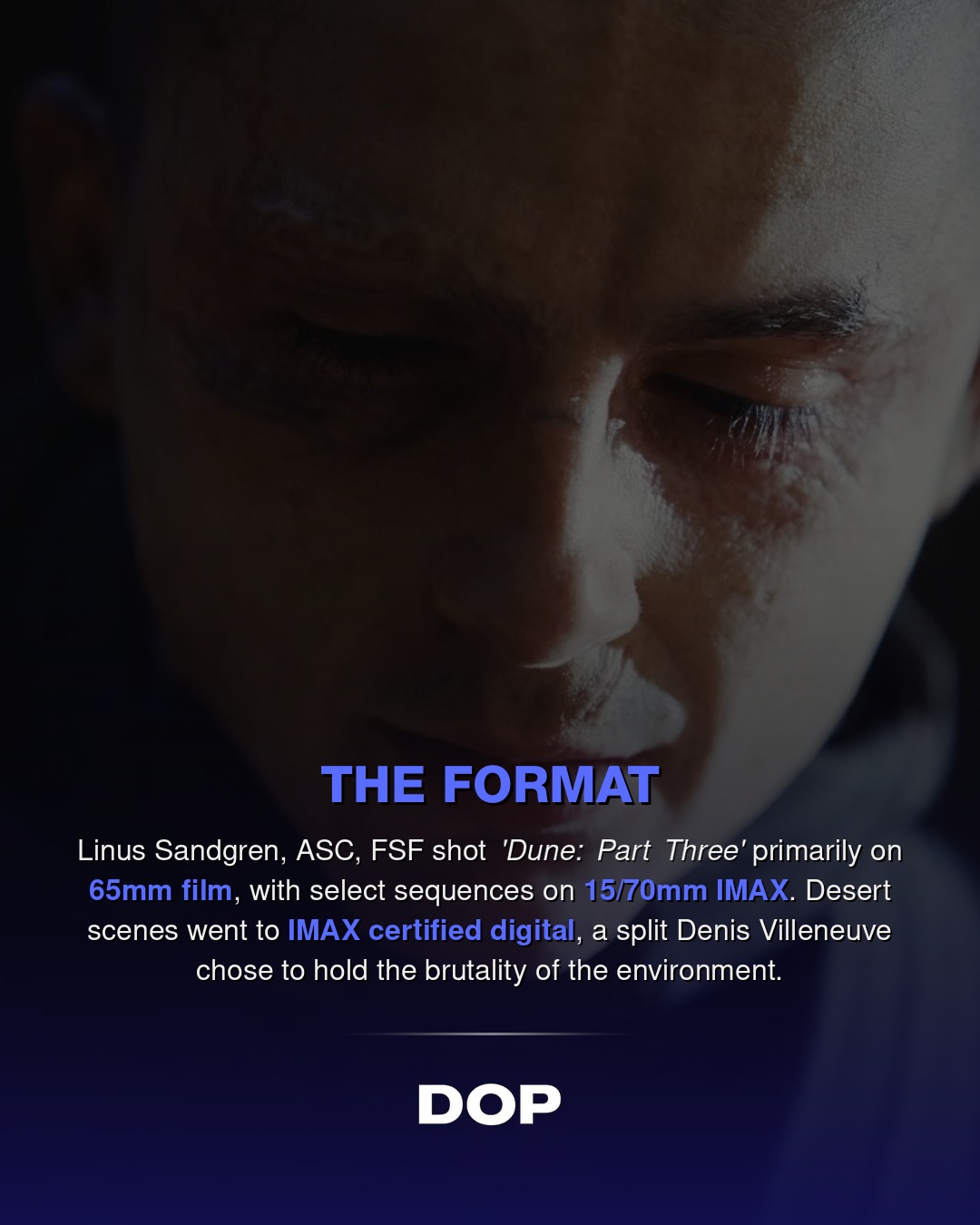
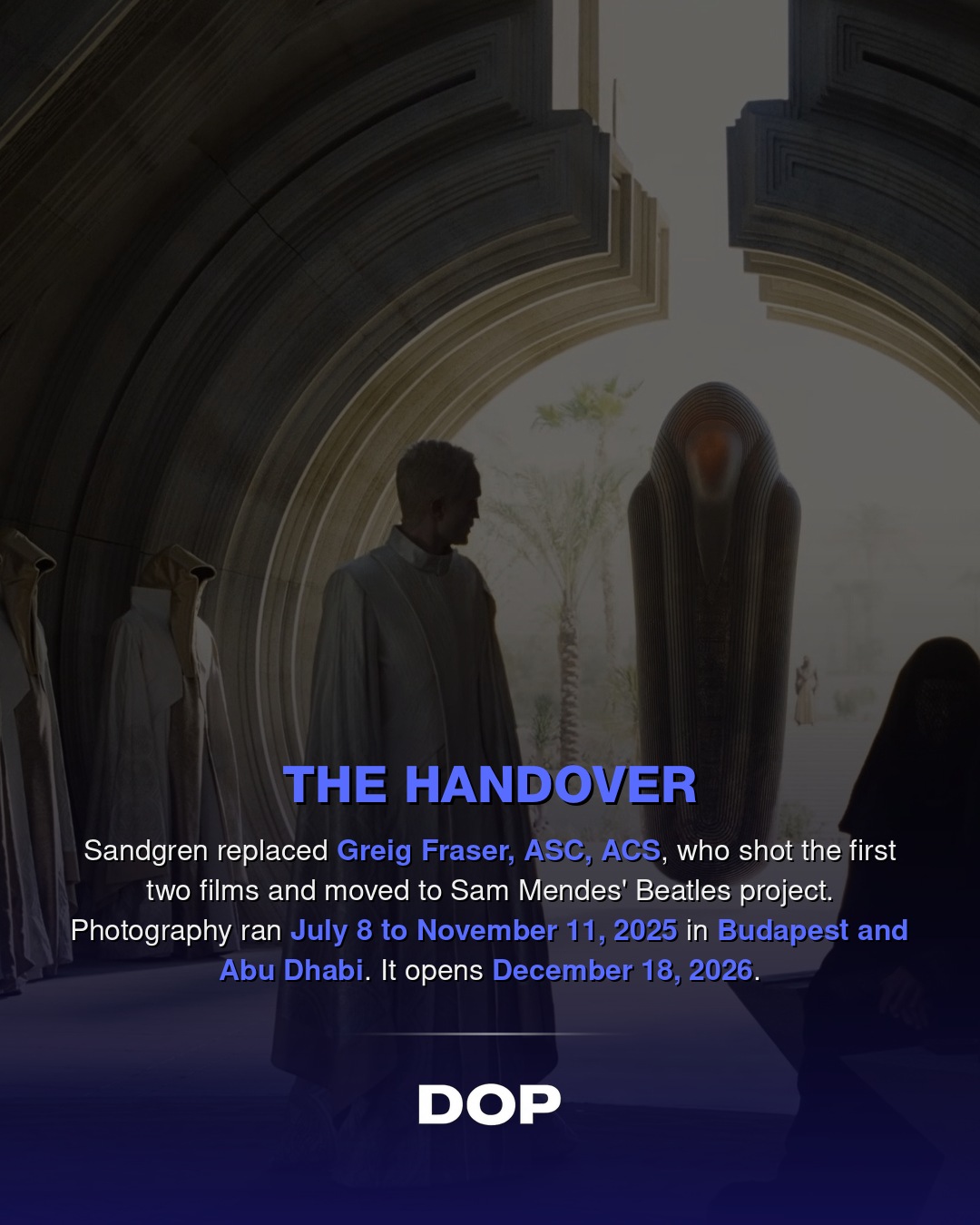
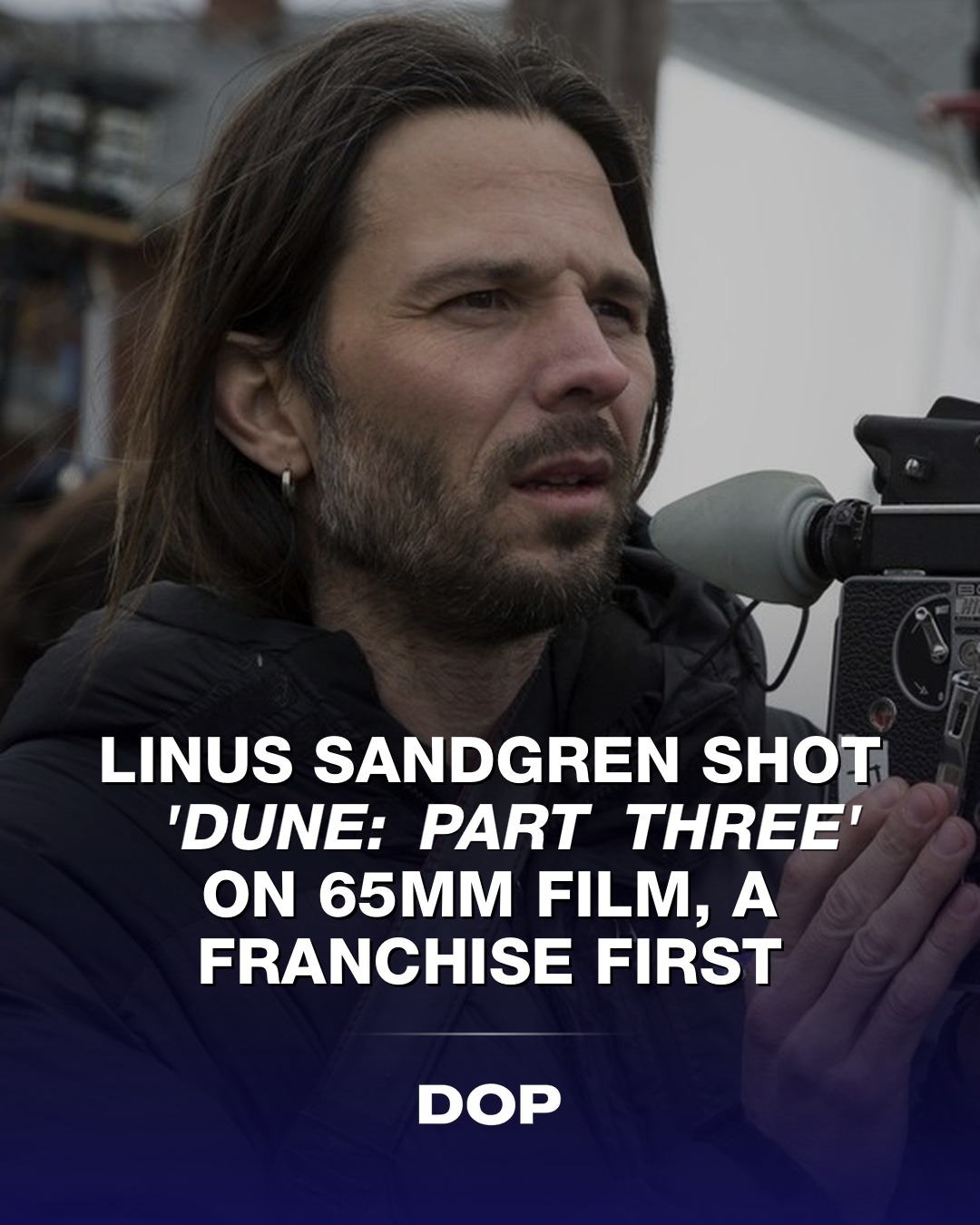
Sandgren, a master of diverse palettes from the vibrant musicality of La La Land to the stark espionage of No Time to Die, steps into the formidable shoes of Greig Fraser, who departed to lend his inimitable eye to Sam Mendes' Beatles projects. And with this transition comes a revelation that has set the cinematography world abuzz: Dune: Part Three is primarily being shot on 65mm film, with select, high-impact sequences capturing the true grandeur of Arrakis on 15/70mm IMAX. This isn't merely a stylistic choice; it's a profound commitment to the medium, a testament to film's enduring power to convey scale, texture, and emotional depth in ways digital sometimes struggles to replicate.
The Tactile Truth of Film on Arrakis
Villeneuve's decision to embrace film for the third installment, particularly after two successful digital entries, speaks volumes about the perceived limitations and unique strengths of each format. The initial films, shot on Arri Alexa LF and Mini LF cameras often paired with Panavision Ultra Panatar anamorphic lenses, established a clean yet grand aesthetic. The printing to 35mm and scanning back was a clever technique to imbue the digital image with a subtle filmic grain and color response, attempting to mimic the organic feel of celluloid. For Part Three, Sandgren, known for his deep understanding of film stocks and photochemical processes, can lean directly into these qualities.
“The brutality of the environment, the sheer scale of Arrakis, demands a tangible quality that film inherently provides. It’s about more than resolution; it’s about the soul of the image.”
The choice of 65mm film, likely Kodak Vision3 stocks, offers unparalleled resolution and dynamic range, far exceeding standard 35mm. This format, beloved by visionaries like Christopher Nolan, allows for breathtaking detail in wide shots, rendering the vastness of the desert with a fidelity that can feel almost overwhelming. When combined with 15/70mm IMAX, the largest film format available, the audience will be plunged into the heart of Arrakis with an immersive quality that digital projection, while excellent, often struggles to match in sheer optical density and light response. This is particularly crucial for a film where environment is as much a character as the protagonists.
Sandgren's Signature and Technical Specifics
Linus Sandgren's filmography reveals a cinematographer who isn't afraid to push boundaries and tailor his approach meticulously to the narrative. His work on First Man, for instance, saw him blend 35mm, 16mm, and IMAX 65mm to convey the claustrophobia of early space travel against the boundless void. For Dune: Part Three, we can anticipate a similar thoughtful application of format. The mention of “desert material” being relegated to IMAX-certified digital is a crucial detail. This likely refers to sequences requiring extensive visual effects work or highly complex stunt choreography, where the flexibility and instantaneous feedback of digital capture can be advantageous without sacrificing the perceived quality in the final composite.
The specific cameras would undoubtedly include Panavision 65mm cameras like the Panaflex System 65 Studio or possibly the Arriflex 765 for 65mm, and of course, the venerable IMAX MSM 9802 or MKIII for the 15/70mm sequences. Lens choices will be paramount. Given Sandgren's frequent collaboration with Panavision, we might see the use of Panavision Sphero 65 lenses, known for their sharp resolution and pleasing fall-off, or possibly even the larger format Panavision H-Series lenses if adapted for 65mm. The lighting philosophy will be fascinating to observe; Fraser's approach was often naturalistic, using hard sunlight and practicals to shape the desert. Sandgren, with his ability to craft both naturalistic and highly stylized lighting, will undoubtedly bring his own nuanced interpretation, perhaps leaning into the dramatic shadows and rich, warm tones that film handles so beautifully.
The production timeline, July to November 2025 in Budapest and Abu Dhabi, provides ample time for Sandgren and his team to meticulously scout locations and test various film stocks and processing techniques. This move back to film for such a high-profile, tentpole release is a powerful statement in an increasingly digital landscape. It's a reaffirmation of film's unique aesthetic and its ability to connect with audiences on a deeper, almost subconscious level. As we await the December 18 opening, the anticipation isn't just for the story's conclusion, but for the profound visual journey Linus Sandgren is poised to deliver, proving that sometimes, the most advanced vision comes from embracing the analog heartbeat of cinema.