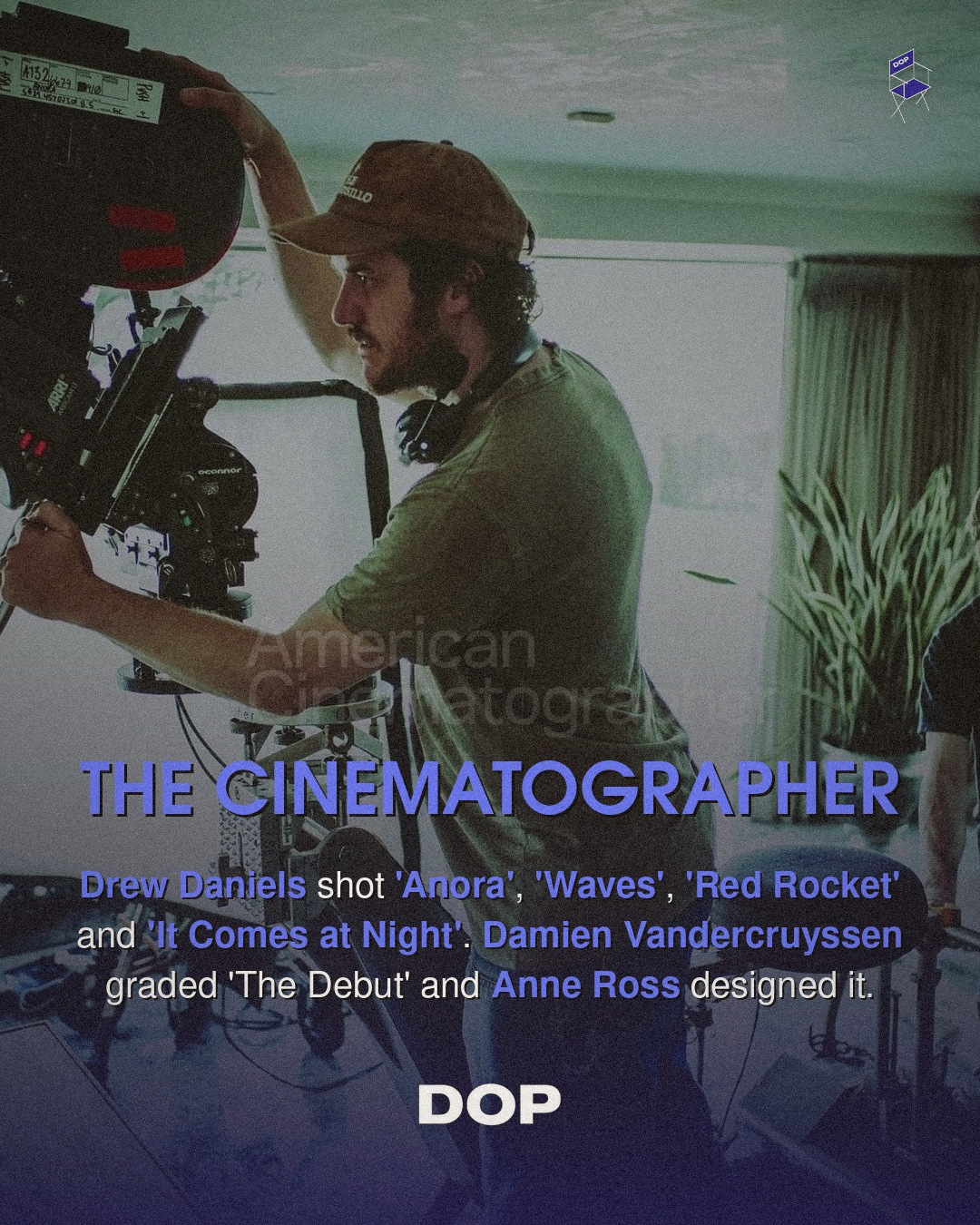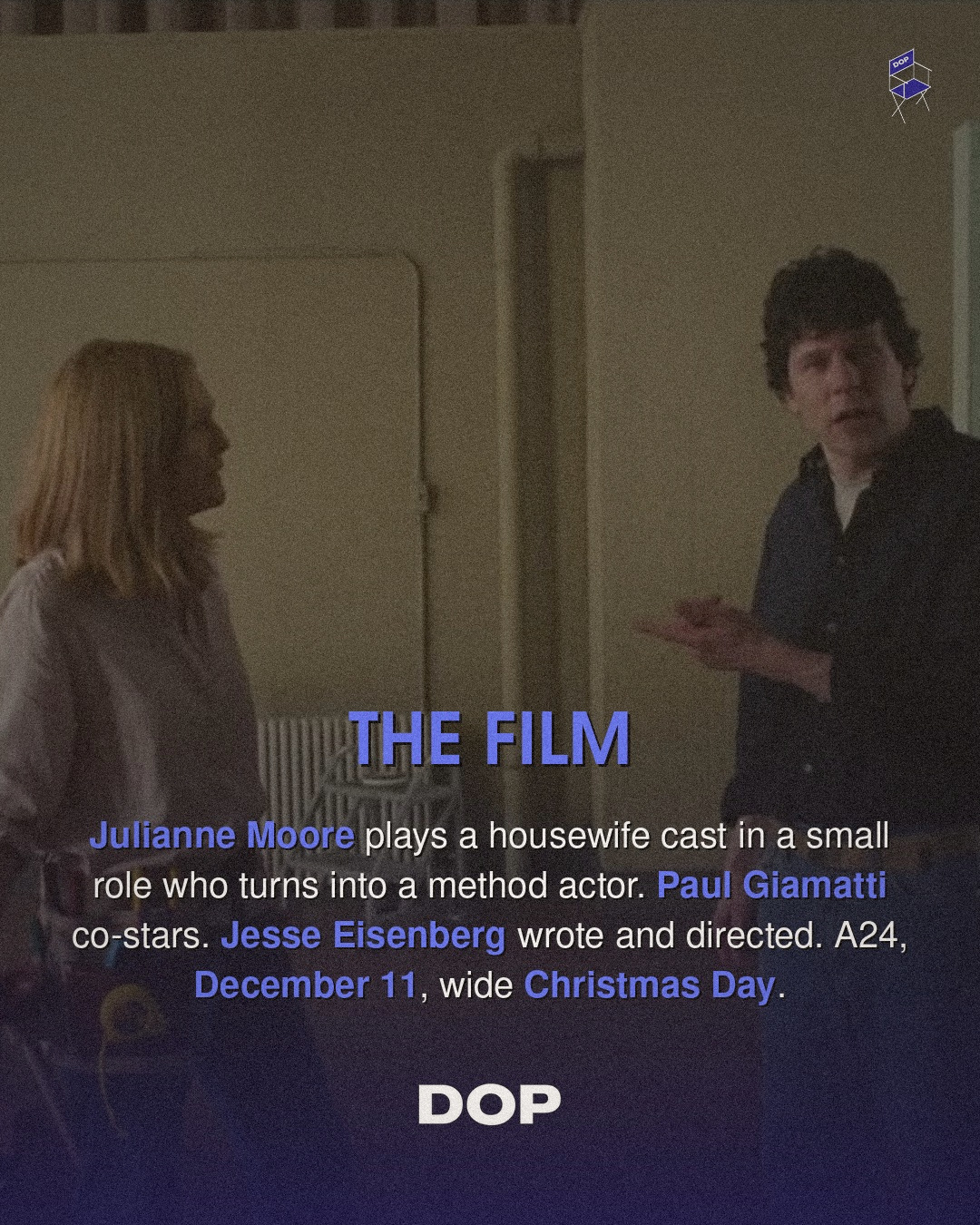
Drew Daniels is a name that resonates with a particular kinetic energy in contemporary independent cinema. His collaborations with visionary directors like Sean Baker and Trey Edward Shults have cemented his reputation as a cinematographer unafraid to push boundaries, to embrace movement as a core narrative device, and to imbue each frame with a palpable sense of life. The recent announcement of his involvement in Jesse Eisenberg's third feature, starring Julianne Moore and Paul Giamatti, only further underscores his status as a go-to DP for films that demand both raw authenticity and sophisticated visual language.
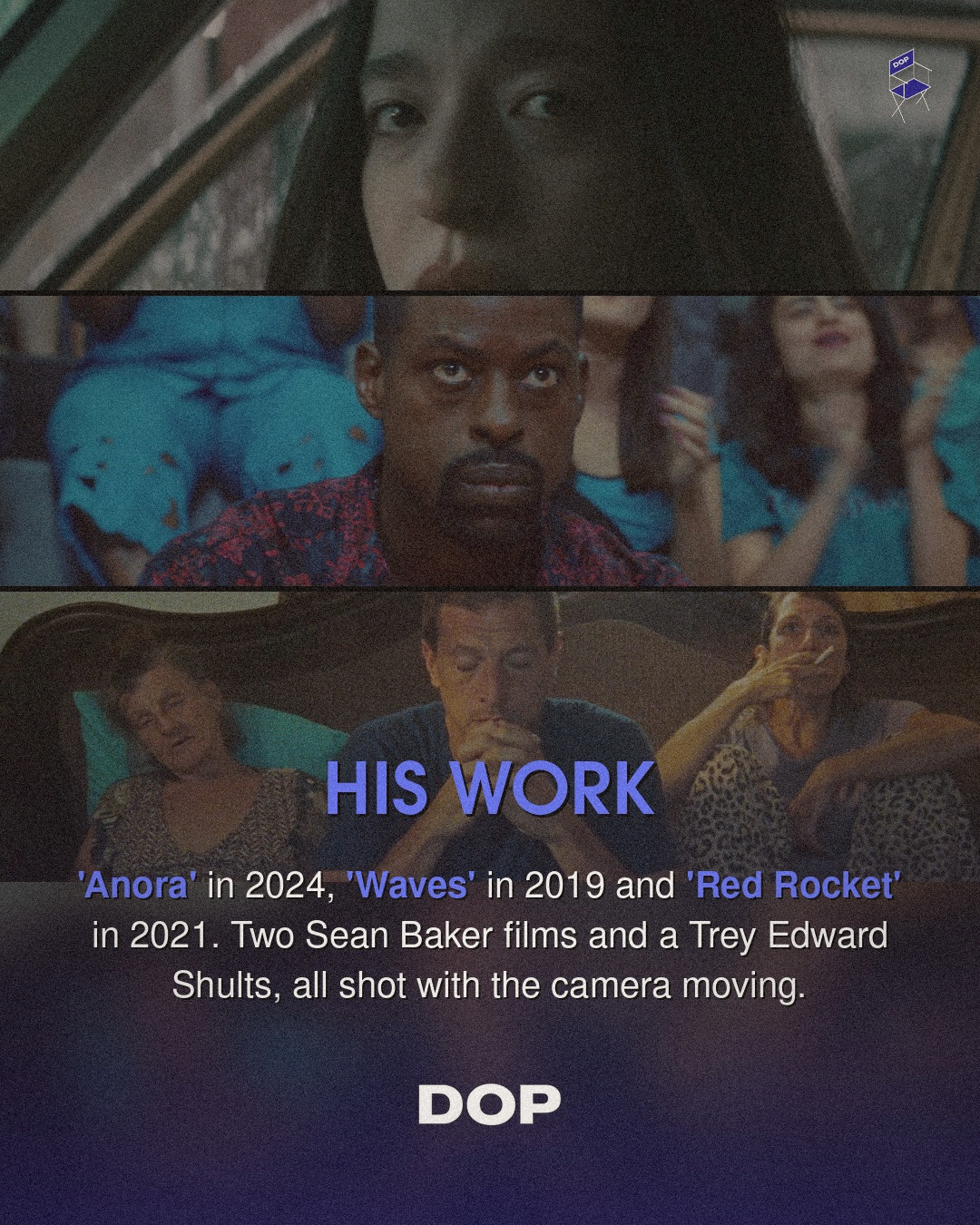
Daniels' filmography is a testament to his versatility and his unwavering commitment to character. Whether it's the sun-drenched, vibrant hues of Waves, the grimy, yet somehow luminous, world of Red Rocket, or the chilling claustrophobia of It Comes at Night, his visual approach is always in service of the story and its inhabitants. The recurring motif noted in the caption, 'all shot with the camera moving', is more than a stylistic choice; it's a philosophical stance. For Daniels, the camera is not a static observer but an active participant, mirroring the emotional states and physical journeys of the characters on screen.
The Art of the Moving Frame: A Daniels Signature
Consider Red Rocket, Sean Baker's poignant and often hilarious character study of Mikey Saber. Daniels' cinematography here is a masterclass in controlled chaos. Shot on 16mm film, the texture and grain lend an undeniable grittiness and immediacy to the sun-baked, economically depressed landscape of Texas City. The camera is rarely still, often handheld, tracking Mikey's manic energy, his desperate charm, and his inevitable decline. This fluidity isn't just aesthetic; it places the audience directly into Mikey's often uncomfortable orbit, making us feel the relentless pace of his schemes and the fleeting nature of his successes. The choice of 16mm, while often associated with a 'lo-fi' aesthetic, is meticulously employed by Daniels to evoke a specific era and mood, demonstrating a deep understanding of film stock's emotive power.
Similarly, in Trey Edward Shults' Waves, Daniels unleashes a torrent of visual dynamism. The film opens with a dizzying 360-degree shot inside a car, immediately immersing the viewer in the intoxicating world of its young protagonists. The camera twists, turns, and glides with an almost balletic grace, capturing the euphoria and eventual tragedy that unfolds. Daniels' use of anamorphic lenses here is particularly noteworthy, creating a widescreen canvas that feels both epic and intimately personal. The shallow depth of field, characteristic of anamorphic, isolates characters in moments of intense emotion, while the distinctive lens flares add a dreamlike quality that perfectly complements the film's emotional rollercoaster. The color palette, shifting dramatically from vibrant neons to muted blues, acts as a visual barometer for the characters' internal states.
"For Daniels, the camera is not a static observer but an active participant, mirroring the emotional states and physical journeys of the characters on screen."
Crafting Worlds: From Grime to Grandeur
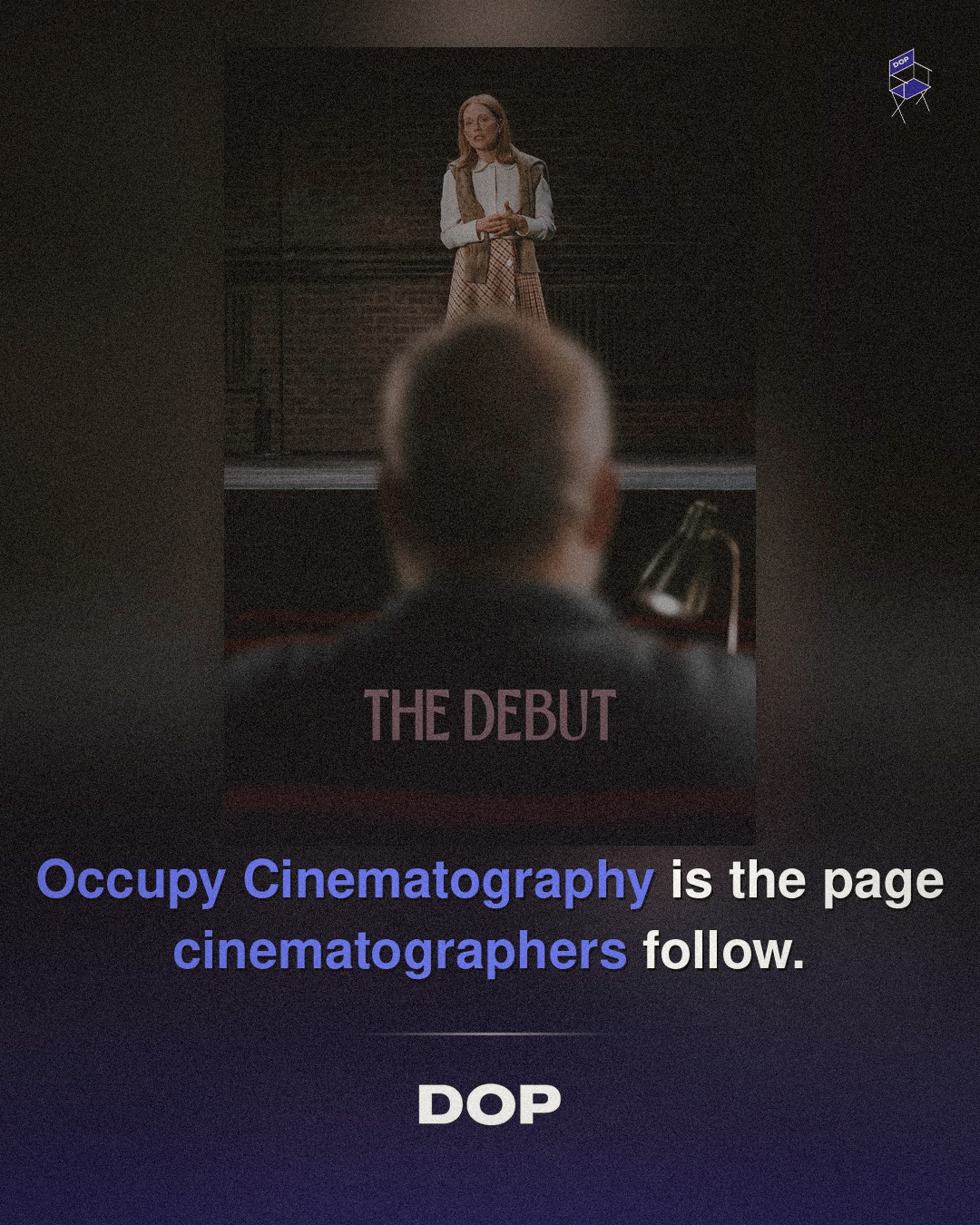
The upcoming Jesse Eisenberg feature, with Julianne Moore as a shy housewife turned method actor and Paul Giamatti co-starring, promises a different, yet equally compelling, challenge for Daniels. The mention of Damien Vandercruyssen grading 'The Debut' (presumably a working title or an earlier project) and Anne Ross as production designer paints a picture of a carefully constructed world. Production design, especially when working with a cinematographer like Daniels who is attuned to texture, light, and space, becomes a crucial partner. Ross's vision for the environment will undoubtedly inform Daniels' lighting choices and camera movements, creating a cohesive visual language that grounds Moore's character transformation.
Daniels' lighting philosophy often leans towards naturalism, even in highly stylized contexts. He masterfully manipulates available light, augmenting it with subtle practicals and carefully placed units to sculpt faces and define spaces. In It Comes at Night, for instance, the oppressive darkness and the flickering lanterns are not just atmospheric; they are integral to the film's horror, enhancing the sense of isolation and creeping dread. This thoughtful approach to light and shadow will be paramount in capturing the nuanced performance of Julianne Moore, allowing her character's internal journey to be subtly illuminated on screen.
The collaboration between Daniels and a director like Eisenberg, known for his incisive character studies, suggests a film where the cinematography will be both expressive and deeply empathetic. The camera's movement, a hallmark of Daniels' style, will likely serve to explore Moore's character's evolving psyche, perhaps starting with a more constrained, observational approach and gradually becoming more liberated and dynamic as she embraces her new persona. As A24 prepares to release the film, audiences and cinematographers alike can anticipate another visually arresting and narratively resonant work from one of independent cinema's most exciting DPs.