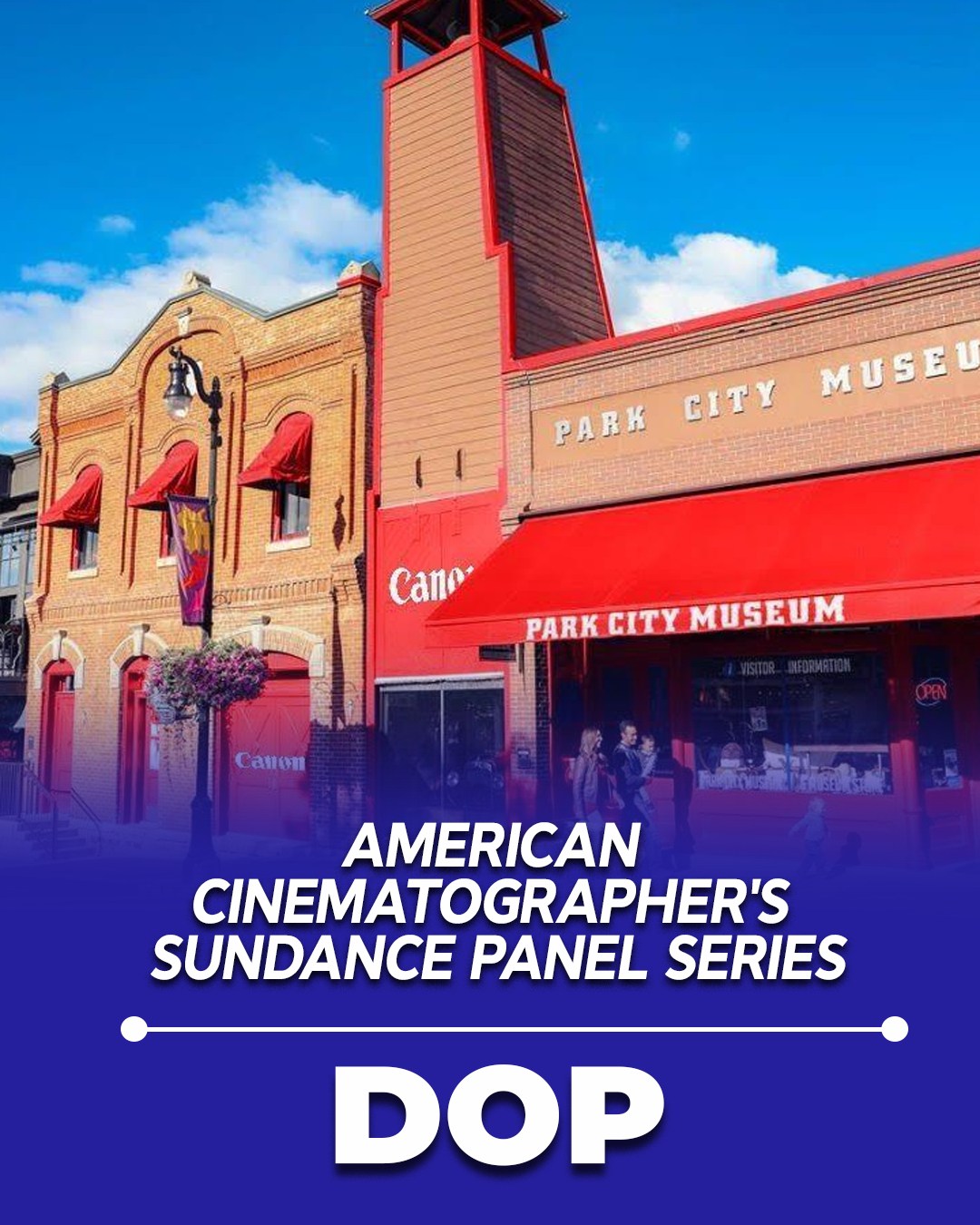
The hallowed halls of the Sundance Film Festival have long been a crucible for independent cinema, a place where new voices and groundbreaking visual narratives emerge. For documentary filmmakers, this annual pilgrimage is particularly significant, offering a platform to showcase stories that challenge, inform, and inspire. At the 2026 festival, Canon’s Creative Studio once again provided an invaluable forum, hosting a series of panels that delved deep into the intricate world of non-fiction cinematography. These sessions, featuring DPs whose work graced the festival screens, offered a rare glimpse into the technical and ethical tightrope walk that defines documentary production.
One of the recurring themes, and arguably the most foundational, was the nuanced art of camera selection. Unlike narrative features where aesthetic control reigns supreme, documentary often demands adaptability and discretion. Cinematographers discussed the delicate balance between image fidelity and practical considerations: the need for low-light performance in unscripted environments, the importance of a compact footprint for unobtrusive shooting, and the reliability required for extended, often unpredictable, shoots. Many spoke to the versatility of Canon’s Cinema EOS line, citing cameras like the C300 Mark III or the C70 for their robust codecs, excellent dynamic range, and user-friendly interfaces, which allow for quick adjustments in fast-evolving scenarios. The ability to capture high-quality imagery without drawing undue attention, blending seamlessly into the environment, was frequently highlighted as paramount.
Ethical Illumination: Lighting Truth in Documentary
Perhaps the most compelling and ethically charged discussion revolved around lighting in documentary filmmaking. The very notion of 'lighting' a documentary can feel like a contradiction to the purist's ideal of observational cinema. Yet, as the panelists eloquently argued, thoughtful lighting is not about artifice but about clarity, emotion, and respect for the subject. The challenge lies in enhancing the visual narrative without imposing an artificial reality. This often means working with available light, augmenting it subtly with small, portable LED units, or strategically placing practicals to shape the scene. Discussions touched upon the ethical implications of altering a space and how to maintain the integrity of the real-world environment while still achieving a visually compelling frame.
“Our job isn't to create reality, but to reveal it with integrity and beauty. Sometimes, that means shaping light, not just finding it.”
The DPs shared techniques for bouncing light off natural surfaces, using negative fill to sculpt faces, and employing diffusion to soften harsh environments, all while striving for an aesthetic that felt organic and truthful. The consensus was clear: every lighting decision in documentary must be weighed against its impact on authenticity and the subject's comfort.
The Long Haul: Visual Consistency Across Extended Productions
Documentary projects, by their very nature, can span months, even years, covering diverse locations and evolving narratives. Maintaining visual consistency across such extended productions presents a unique set of challenges for cinematographers. The panels explored strategies for managing different camera bodies, lens sets, and color profiles over time. This included meticulous metadata logging, creating detailed lookbooks, and developing robust post-production workflows that could harmonize disparate footage. The importance of a strong creative partnership with the director and editor was emphasized, ensuring that the visual language established early in the production could be sustained and evolved coherently.
Lens choice, too, played a significant role in achieving this consistency. Many DPs favored prime lenses for their consistent optical quality and character, but also acknowledged the necessity of versatile zooms for run-and-gun situations. The discussion also veered into the realm of color science, with cinematographers detailing their approaches to in-camera settings and how they collaborate with colorists to establish a cohesive aesthetic that serves the story without becoming overtly stylized or distracting.
Canon's ongoing engagement with the independent film community, exemplified by these Sundance sessions, underscores a commitment not just to selling cameras, but to fostering the art and craft of visual storytelling. By bringing together seasoned professionals to share their insights, Canon facilitates a crucial dialogue that elevates the standards and understanding of documentary cinematography. These discussions are vital, not only for aspiring DPs but for anyone who appreciates the profound power of non-fiction cinema to illuminate our world.
The panels served as a powerful reminder that documentary cinematography is far more than merely pointing a camera at reality; it is a thoughtful, ethical, and deeply artistic endeavor that demands technical prowess, creative intuition, and an unwavering commitment to truth.
This article contains affiliate links. We may earn a small commission at no extra cost to you. Learn more.