Dion Beebe, ASC, ACS, is a cinematographer whose career trajectory is marked by audacious visual storytelling and a remarkable versatility that spans intimate dramas, high-octane thrillers, and lavish musicals. His Academy Award win for 2005's Memoirs of a Geisha solidified his place among the industry's elite, but it's his continuous evolution and willingness to embrace new technologies that truly define his craft. His latest endeavor, the Antoine Fuqua-directed biopic Michael, presents a fascinating case study in how a seasoned DP tackles the monumental task of bringing an icon's life and artistry to the big screen, particularly through the lens of large-format digital photography.
Crafting the Spectacle: Large Format for the King of Pop
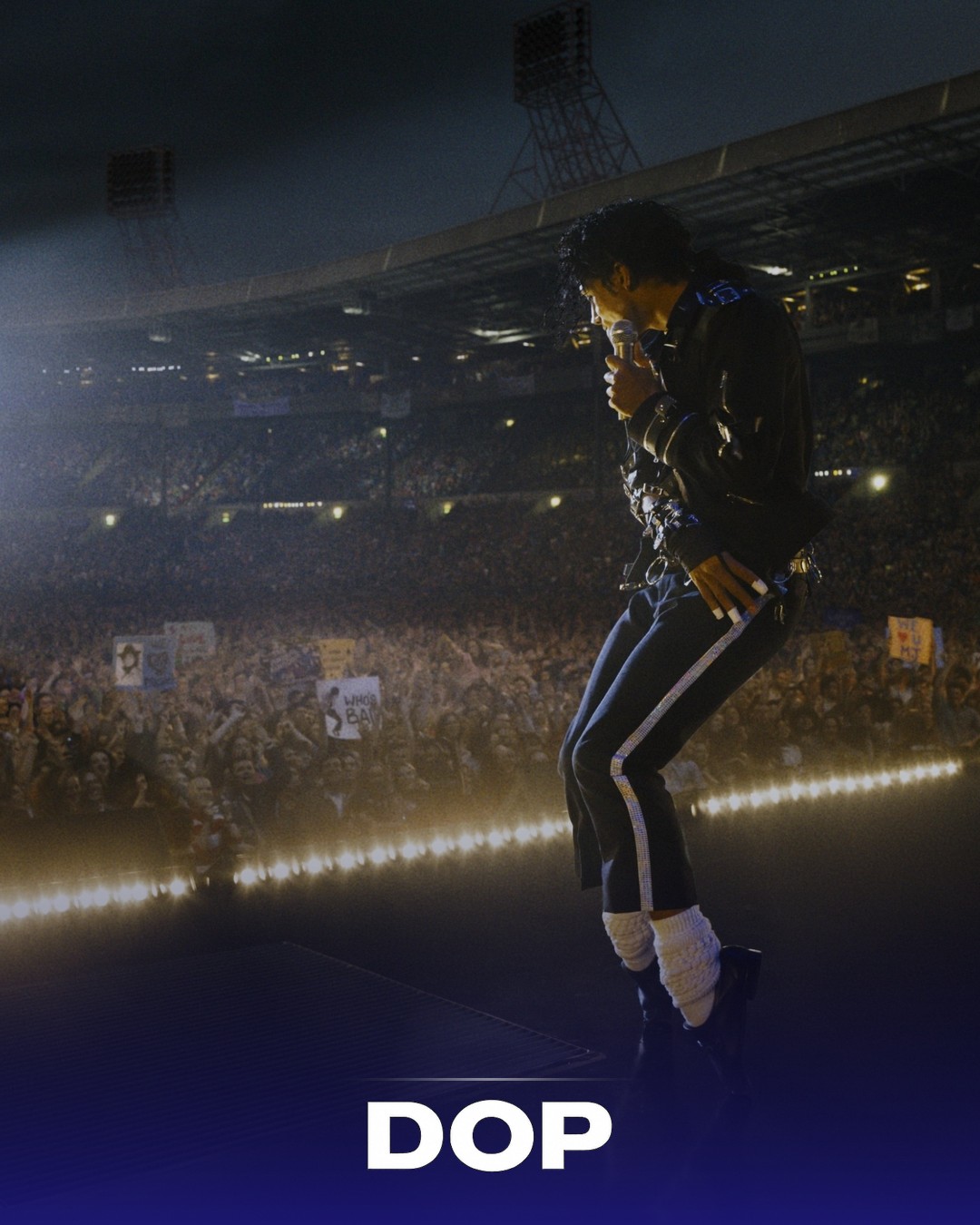
The decision to employ large-format digital photography for Michael is a bold and strategic one, perfectly aligned with the subject matter. Michael Jackson's career was defined by spectacle – his groundbreaking music videos were mini-films, and his concert productions were global events. Beebe's choice of large format, likely utilizing cameras such as the ARRI Alexa LF or Mini LF, coupled with a carefully curated set of large-format lenses (perhaps ARRI Signature Primes or Supreme Primes known for their clean yet characterful rendering), allows for an immersive visual experience. This format provides an expansive canvas, offering a wider field of view and a more pronounced sense of depth and dimensionality, crucial for conveying the grandeur of Jackson's stage performances. The increased sensor size inherently produces a shallower depth of field at equivalent T-stops, allowing Beebe to isolate subjects with a painterly precision, drawing the audience's eye exactly where it needs to be amidst the dazzling chaos of a concert.
“Large format isn't just about resolution; it's about the feeling of immersion, the way it wraps around you. For Michael Jackson, whose presence filled arenas, it was the only way to truly capture that scale.”
This technical choice isn't merely about higher resolution; it's a philosophical one. It speaks to Beebe's understanding that to recreate the magic of Michael Jackson, the visual language needed to feel epic, almost larger than life. The large sensor's ability to capture subtle tonal gradations and rich color information would have been instrumental in rendering the intricate lighting designs of Jackson’s concerts and the vibrant, often surreal aesthetics of his music videos. Beebe, known for his masterful control of light and color, would have leveraged this capability to its fullest, ensuring that every sequin, every stage light, and every carefully choreographed movement was rendered with breathtaking clarity and emotional resonance.
From Collateral to Concerts: Beebe's Visual Versatility
Beebe’s filmography is a testament to his adaptability. From the gritty, neon-soaked nights of Michael Mann's Collateral (shot digitally on the Thomson Viper FilmStream camera, a pioneering move for its time) to the opulent period drama of Memoirs of a Geisha (captured on film with Panavision anamorphic lenses), his visual signature adapts to the narrative's demands. In Collateral, he embraced the digital medium's sensitivity to low light, painting Los Angeles with a palette of steely blues and molten golds, a stark contrast to the ethereal, painterly quality of Memoirs of a Geisha, where soft, diffused light and rich, saturated colors evoked a bygone era. His work on Doug Liman's Edge of Tomorrow showcased his ability to craft dynamic, propulsive action sequences, often with a handheld immediacy that plunges the audience into the heart of the conflict.
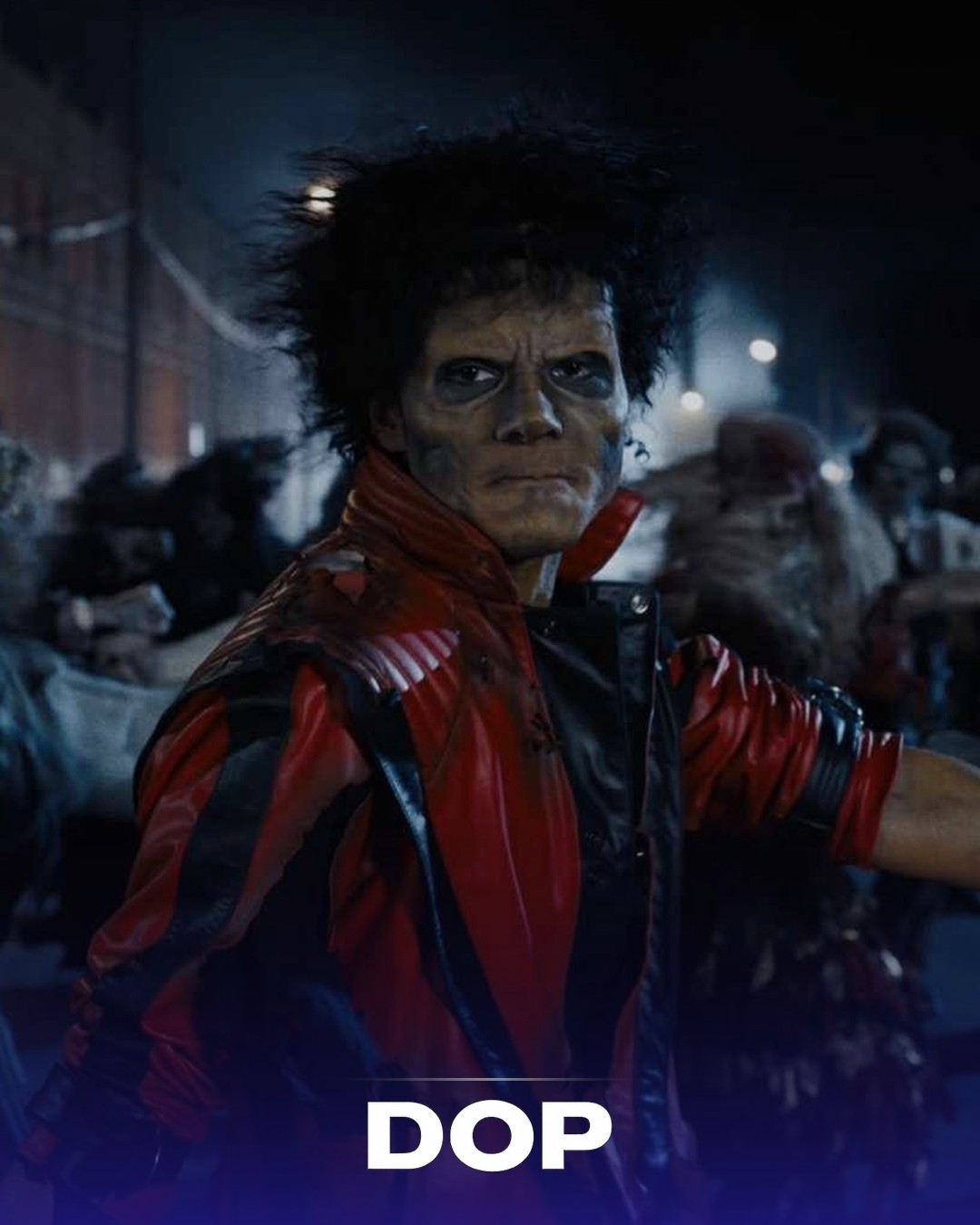
For Michael, this versatility is crucial. Beebe and Fuqua, in their first collaboration, faced the challenge of not only recreating iconic performances but also translating the distinct aesthetic grammar of Jackson's music videos – often highly stylized, meticulously choreographed, and employing innovative visual effects – into a cohesive feature film narrative. This would have involved a delicate balance of replicating familiar imagery while infusing it with a cinematic scope. Beebe's experience with diverse genres armed him with the tools to navigate this complex visual landscape, likely employing a combination of precise, theatrical lighting for concert sequences and more dynamic, perhaps even experimental, approaches for the music video re-creations and biographical elements.
The Art of Illumination: Lighting Michael's Legacy
Lighting is arguably the most critical component of any concert film or musical biopic, and for Michael, it's paramount. Beebe’s lighting philosophy often leans towards creating a heightened reality, whether it's the meticulous control of natural light in Memoirs of a Geisha or the expressive, almost expressionistic use of practicals and motivated lighting in Collateral. For Michael, the lighting design would have been a character unto itself, mirroring the evolution of Jackson's stage shows and music video aesthetics. We can anticipate a sophisticated interplay of theatrical lighting – powerful moving heads, strobes, and elaborate stage washes – meticulously controlled to evoke the energy and emotion of a live performance. Beyond the spectacle, Beebe would also have been tasked with crafting intimate, character-driven lighting for the biographical scenes, ensuring that even amidst the grandeur, the human story of Michael Jackson remained illuminated.
The choice of large format would also have influenced the lighting strategy. The larger sensor's ability to handle dynamic range would have allowed Beebe to push highlights and shadows further, creating more dramatic and nuanced lighting compositions without losing detail. This is particularly beneficial when dealing with the extreme contrast often found in stage lighting. His eye for color science, honed over decades, would have ensured that the vibrant hues of stage costumes and lighting gels translated faithfully and evocatively, contributing to the film's immersive quality. Michael, having opened to a global take of $85 million, is not just a commercial success but a testament to Beebe's enduring skill and his ability to masterfully blend technical prowess with artistic vision, once again proving his status as a titan of cinematography.