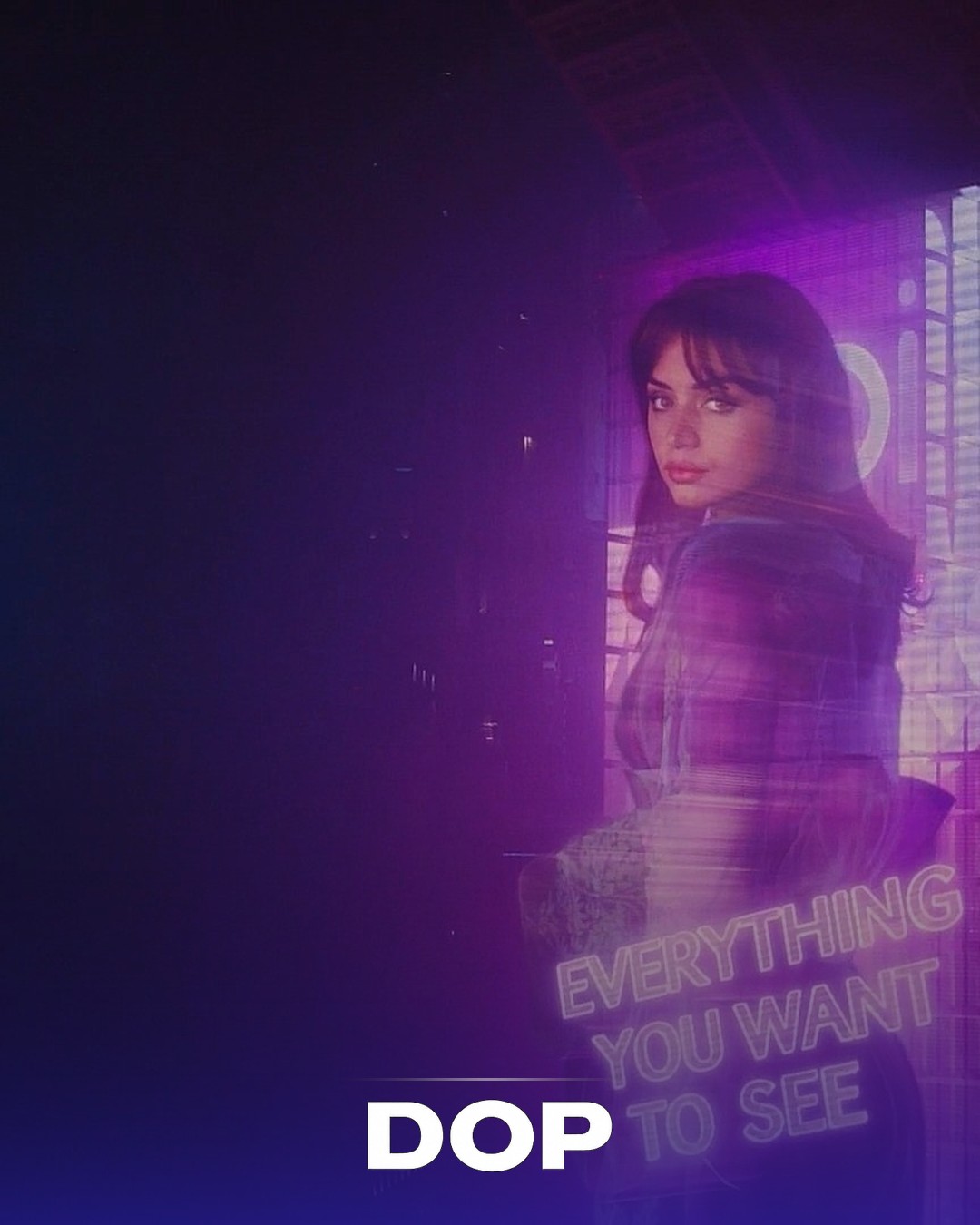
The 90th Academy Awards in 2018 marked a moment of collective catharsis for cinematographers and film enthusiasts worldwide. After 13 nominations spanning a legendary career, Roger Deakins, ASC, BSC, finally clutched the golden statuette for Best Cinematography, an honor bestowed upon his breathtaking work in Denis Villeneuve's Blade Runner 2049. This wasn't merely an award; it was a vindication, a recognition of a visual language so profound and influential that its previous omission felt like a historical oversight. Deakins' journey to this win, marked by an unprecedented string of nominations for films like The Shawshank Redemption, Fargo, No Country for Old Men, and True Grit, had become a narrative unto itself, making his Blade Runner 2049 triumph all the more resonant.
To understand the significance of this win, one must first appreciate the scale and ambition of Blade Runner 2049. Villeneuve and Deakins embarked on a monumental task: to not only honor the iconic visual legacy of Ridley Scott and Jordan Cronenweth's original but to expand upon it, creating a future that felt both familiar and terrifyingly new. Their collaborative vision eschewed the prevalent green-screen reliance of modern blockbusters, opting instead for a philosophy rooted in practical sets and meticulously crafted in-camera effects. This commitment to tangibility, to building and lighting physical spaces, is a hallmark of Deakins' approach, and it lent an unparalleled sense of depth and texture to the film's sprawling, dystopian landscapes.
The Architecture of Light and Shadow
Deakins' cinematography in Blade Runner 2049 is a masterclass in the architecture of light and shadow. He employed a bold and often stark approach to both natural and artificial light sources, using them not just to illuminate but to define character, mood, and narrative. Consider the film's recurring motif of the orange-hued, dust-choked Las Vegas sequences. Deakins achieved this iconic look primarily through massive external lighting rigs, often utilizing HMI units gelled with deep orange and red filters, combined with judicious use of smoke and atmospheric effects. This wasn't merely a color choice; it was an environmental statement, conveying the planet's degradation and the characters' isolation. Similarly, the stark, high-contrast interiors of Niander Wallace's (Jared Leto) headquarters, often lit with a single, powerful overhead source, evoke a chilling sense of control and sterile power.
“Deakins' work isn't just about beautiful images; it's about a profound understanding of how light, color, and composition can serve the story, creating an immersive world that speaks volumes without dialogue.”
The technical precision behind these visuals is staggering. Deakins, a long-time proponent of digital cinematography, shot Blade Runner 2049 using the ARRI Alexa XT and Mini, primarily with ARRI Master Prime lenses. The choice of the Alexa's sensor was critical, allowing for exceptional dynamic range to handle the extreme contrasts inherent in the film's lighting schemes, from the deep blacks of the shadowed streets to the searing highlights of the neon signs and futuristic displays. The Master Primes, known for their clinical sharpness and minimal distortion, provided the clean, precise aesthetic that perfectly complemented the film's sleek, futuristic design, yet without sacrificing the organic feel that Deakins always strives for.
Beyond the Visuals: Story Through the Lens
What truly elevates Deakins' work in Blade Runner 2049, and indeed throughout his career, is his unerring ability to imbue every frame with narrative purpose. His lighting choices are never arbitrary; they are extensions of the characters' internal states and the film's overarching themes. The muted, desaturated palette of K's (Ryan Gosling) apartment reflects his existential emptiness, while the sudden bursts of vibrant color – the pink glow of Joi's (Ana de Armas) holographic presence, the rich blues and purples of the city at night – punctuate moments of emotional connection or fleeting beauty. This meticulous approach to color science and exposure ensures that the visual storytelling is as potent as the screenplay itself.
Deakins' collaboration with directors like Villeneuve is legendary, a testament to his humility and his deep understanding of the director's vision. Their partnership has continued to flourish, notably in the expansive and equally ambitious Dune films, where Deakins' influence, even in a consulting capacity for Greig Fraser on Dune: Part One, is palpable, and more directly in their previous collaborations like Sicario. His consistent pursuit of visual excellence, his willingness to push technical boundaries while always prioritizing story, solidifies his position as one of the greatest living cinematographers. The Oscar for Blade Runner 2049 was not just a recognition of one exceptional film, but a celebration of a career defined by an unwavering commitment to the art of seeing.