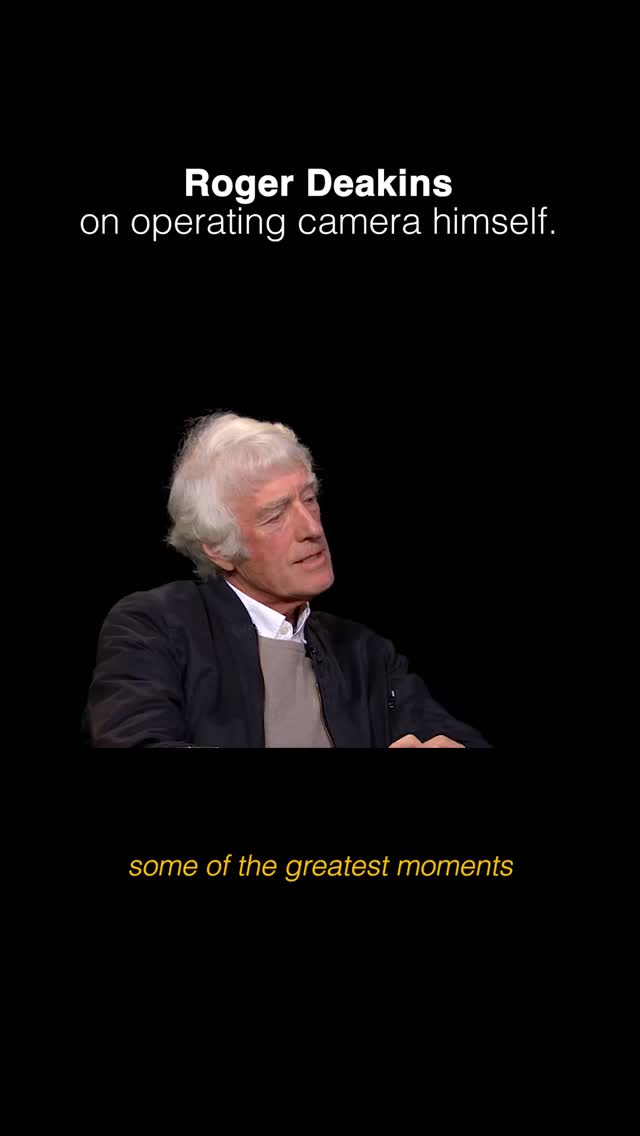
In the rarefied air of elite cinematography, few names resonate with the consistent brilliance and technical mastery of Roger Deakins. ACS, BSC. His filmography is a masterclass in visual storytelling, from the stark, sun-drenched landscapes of Sicario to the intimate, almost tactile textures of Blade Runner 2049. Yet, beyond the awe-inspiring frames he crafts, there's a fascinating insight that often surfaces: Deakins frequently operates the camera himself. This isn't merely a preference; it's a profound statement about the cinematographer's role and their connection to the very heart of the performance.
Deakins has often spoken about the unique privilege of being the first to witness a truly captivating performance unfold, directly through the viewfinder. It’s a sentiment that speaks volumes about the symbiotic relationship between actor and camera, and the DP’s pivotal position in capturing that ephemeral magic. For many cinematographers, the act of operating is a deeply personal extension of their craft, a direct conduit between their artistic vision and the raw emotion playing out before them.
The Operator's Intuition: Beyond the Monitor
In an era where remote operating, elaborate crane shots, and multi-camera setups are increasingly prevalent, the choice to physically operate the camera can feel almost anachronistic, yet it carries immense weight. When a DP like Deakins is behind the lens, they are not merely framing; they are feeling. They are breathing with the actor, anticipating their movements, and reacting to the subtle shifts in their performance in real-time. This isn't something that can be fully replicated by even the most skilled camera operator viewing a monitor from a distance.
"When you're operating, you're not just looking at a picture; you're feeling the moment. You're part of the scene, and that connection is invaluable."
Consider the intensely personal close-ups in films like Prisoners or the fluid, almost dance-like camera work in 1917. These aren't just technically brilliant shots; they possess an emotional intimacy that feels earned. Deakins, often utilizing ARRI Alexa cameras for their exceptional dynamic range and color science, paired with his favored Cooke S4 or Zeiss Master Prime lenses for their subtle character and reliability, is not just observing; he is participating. This direct engagement allows for a level of improvisation and responsiveness that can elevate a scene from good to unforgettable.
The Craft of Connection: Advantages and Disadvantages
The advantages of a DP operating are multifaceted. Firstly, it ensures a seamless translation of the DP's visual philosophy directly to the frame. There's no intermediary interpretation; the vision is executed directly by its architect. This can lead to a more cohesive visual language throughout the film. Secondly, it fosters a deeper connection with the actors. When the DP is literally eye-to-eye with the performance, a trust can develop that enhances the authenticity of the captured moment. Actors often speak of feeling more connected to the camera when the DP is operating, sensing that their performance is being seen and understood directly.
However, this approach isn't without its challenges. The demands on a DP are immense – managing lighting, collaborating with the director, overseeing the crew, and ensuring the technical integrity of the image. Adding the physical and mental strain of operating to this already extensive list requires extraordinary discipline and stamina. There are also moments when the sheer complexity of a shot necessitates a dedicated operator, allowing the DP to step back and assess the broader visual landscape. Imagine complex Steadicam sequences or intricate crane moves; these often require a specialist operator to achieve the required precision, freeing the DP to focus on the overall aesthetic.
Deakins's choice to operate is a testament to his dedication to the craft and his belief in the power of direct engagement. It underscores a philosophy where the camera is not just a recording device but an active participant in the storytelling process. For aspiring DPs and seasoned professionals alike, Deakins’s approach serves as a powerful reminder that while technology evolves, the human element – the intuition, the connection, the visceral reaction to performance – remains at the very core of compelling cinematography.
Ultimately, whether a DP chooses to operate or delegate, the goal remains the same: to craft images that serve the story and resonate with the audience. But for those moments when an actor transcends, and the camera is the sole witness, there's an undeniable magic in being the one to capture that fleeting, powerful truth, right there, up close and personal.
This article contains affiliate links. We may earn a small commission at no extra cost to you. Learn more.