In an era dominated by high-key, candy-coated comedy lighting and over-stylized period recreations, cinematographer David Robert Jones operates with a rare and disciplined restraint. Rather than leaning on overt stylistic posturing, Jones builds his images around spatial authenticity, motivated light, and an uncompromising respect for narrative tone. His work across network television, streaming comedies, and independent cinema proves that the visual grammar of drama can profoundly elevate lighter source material, grounding characters within tangible, breathing environments.
Subverting Broadcast Tropes: A Dramatic Approach to Comedy
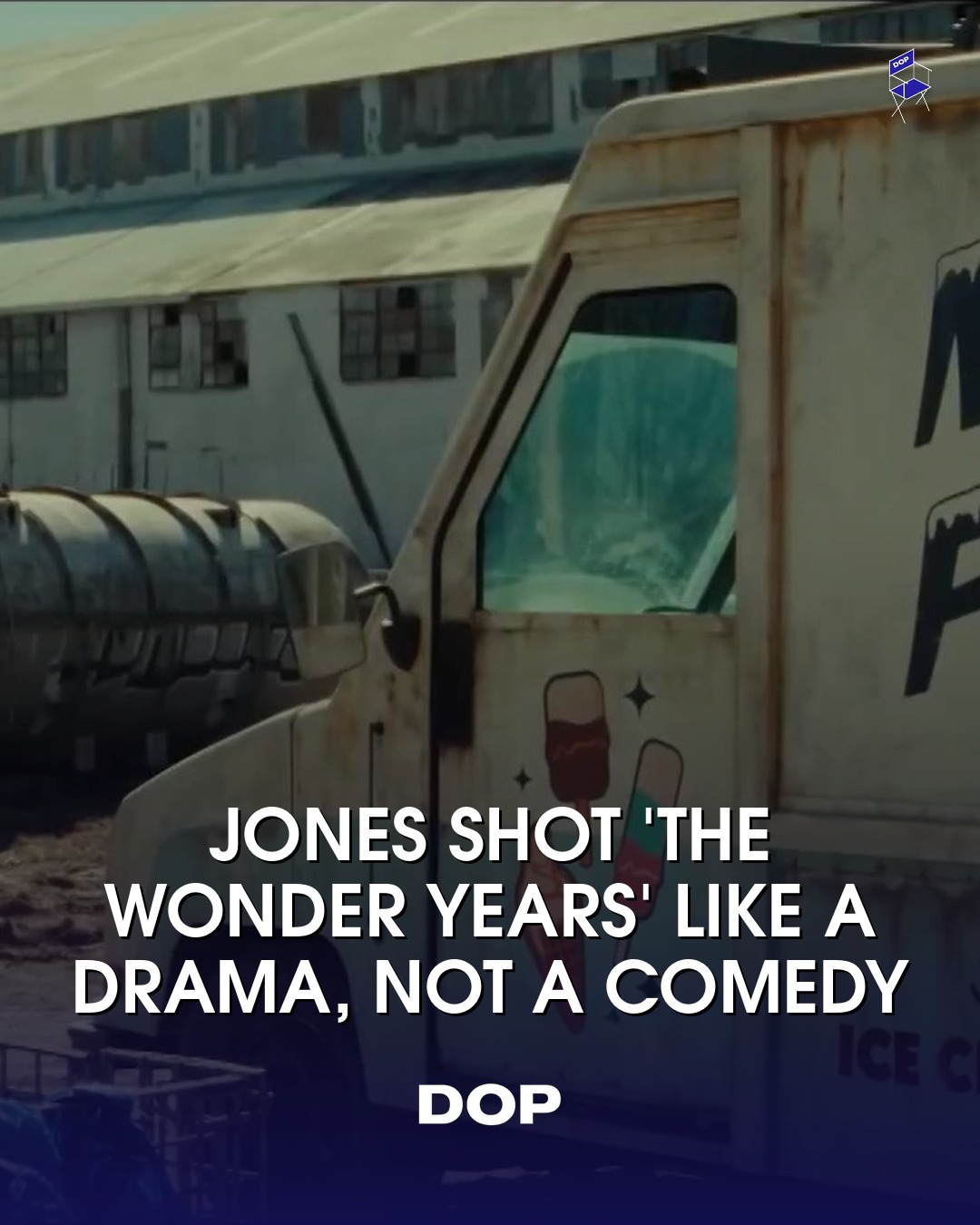
Nowhere is Jones’s visual philosophy more apparent than in ABC’s reboot of The Wonder Years. Where standard half-hour network series typically rely on broad, hyper-diffused three-point lighting setups designed to accommodate fast multi-camera turnarounds, Jones treated the period comedy with the weight and shadow fall-off of a prestige single-camera drama. Employing large-format digital sensors paired with vintage-tuned glass, Jones captured 1968 Montgomery, Alabama, not as a nostalgic cartoon, but as a textured historical reality.
Achieving that authenticity presented a unique historical challenge. Jones and the creative team found that archival photographic records documenting everyday Black family life in 1968 were remarkably scarce, requiring a deliberate aesthetic synthesis of historical research, painterly skin-tone fidelity, and period-accurate color palettes. Rather than mimicking the oversaturated Kodachrome pastiche often applied to the late 1960s, Jones favored a softer, lower-contrast curve, rolling off the highlights and prioritizing rich, faithful skin rendition under soft, motivated daylight ambiances.
“Jones treats the half-hour format not as a showcase for flat multi-cam illumination, but as an opportunity to let shadows linger and locations breathe.”
The Mechanics of Collaboration: Stone and Winer
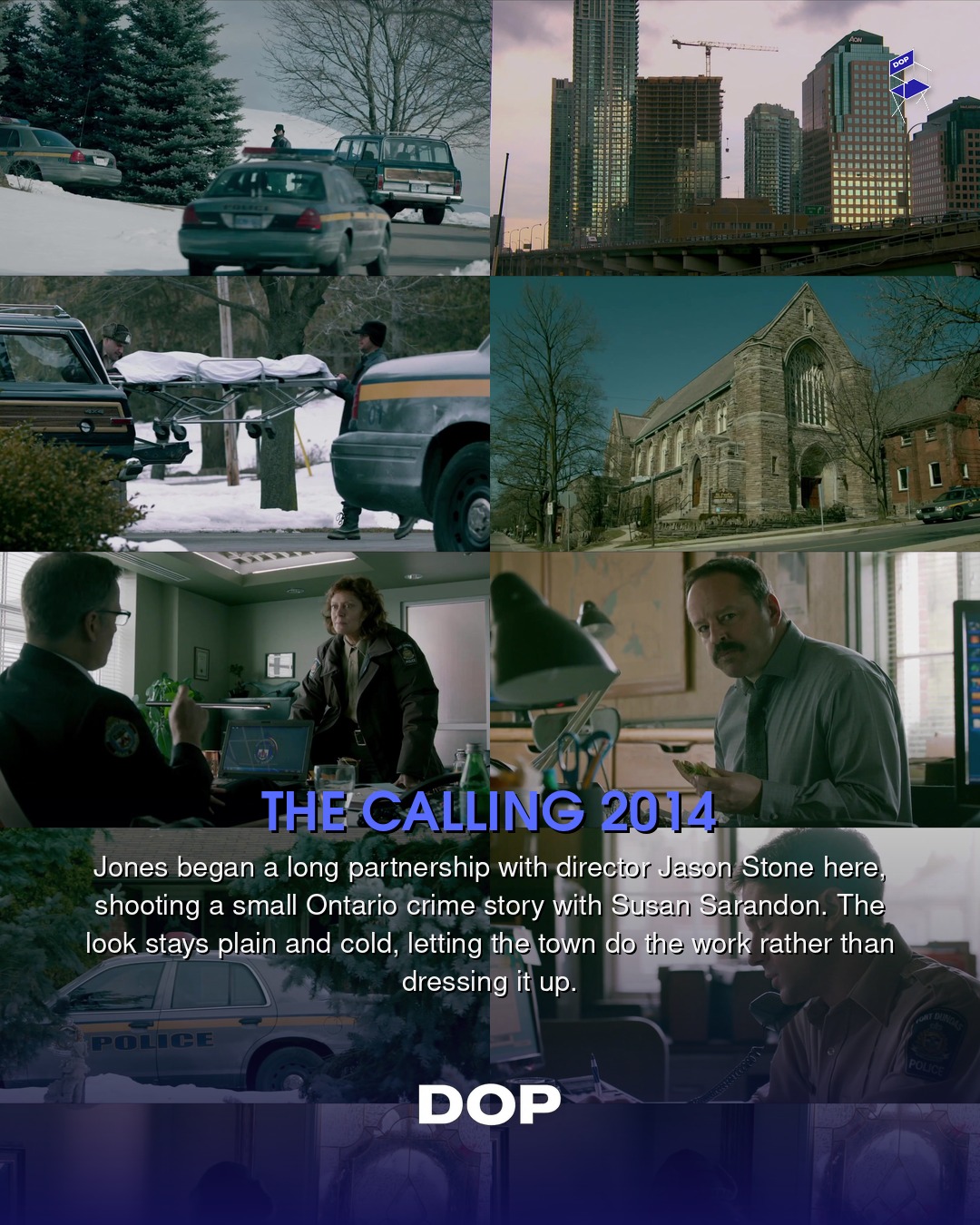
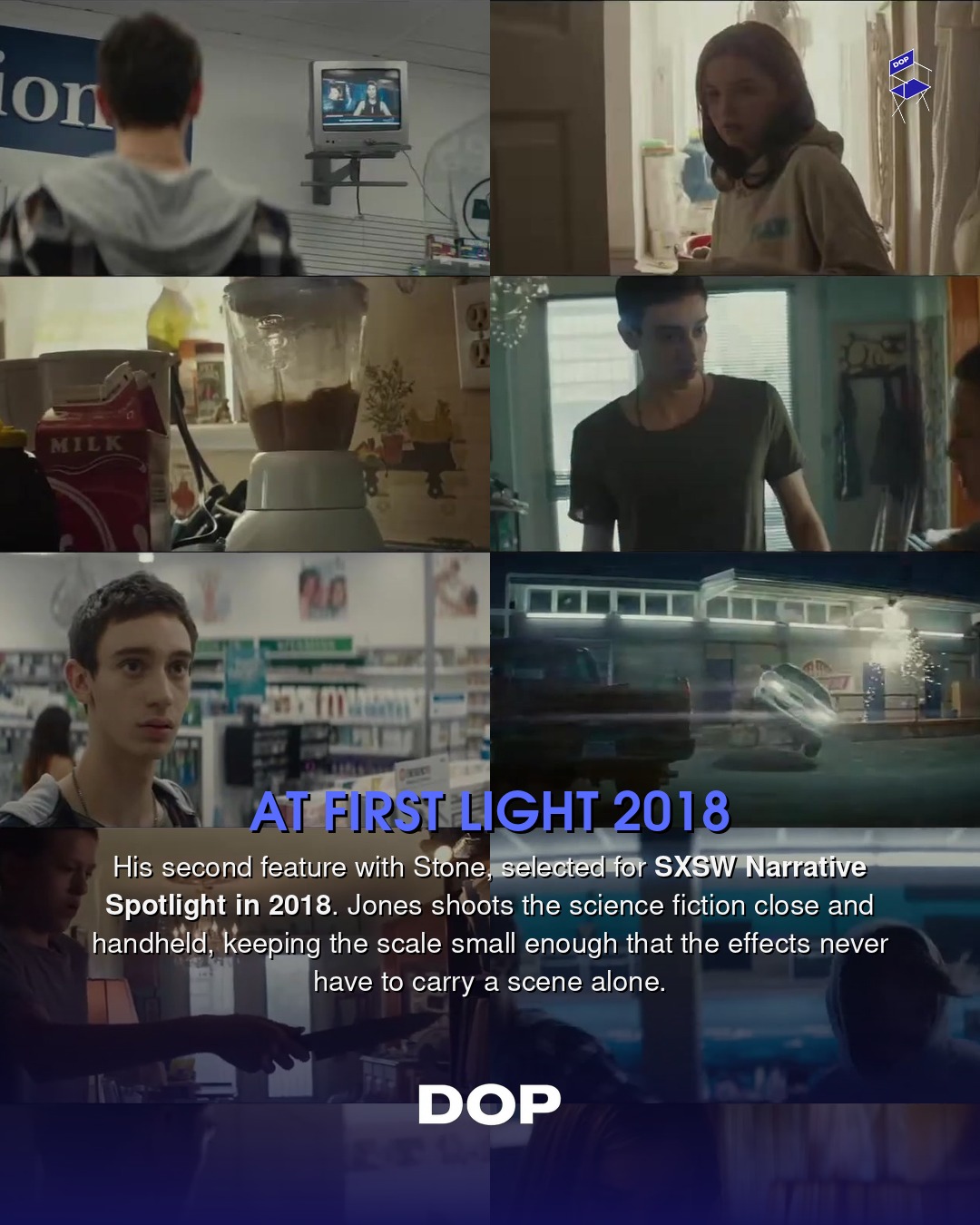
Jones’s versatile eye has been honed across long-standing creative partnerships with directors Jason Stone and Jason Winer. With Stone, Jones explored dark, moody atmospheric genre storytelling on the procedural thriller The Calling and the grounded sci-fi indie At First Light. In these projects, the camera embraces the desaturated coolness of rural landscapes, utilizing available light and low-profile LED practicals to craft a world that feels unvarnished and palpably cold.
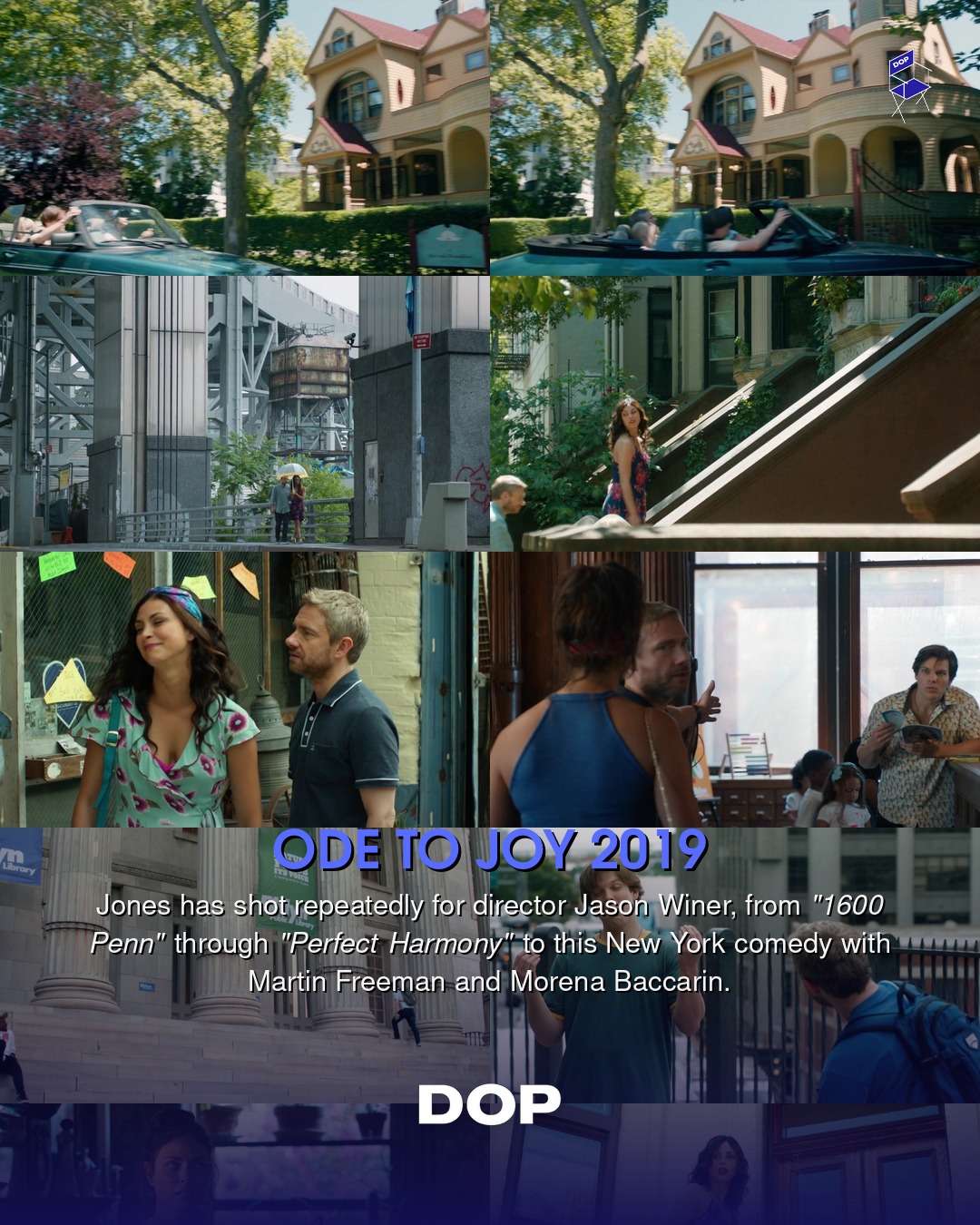
Conversely, his extensive work with director Jason Winer, spanning series like 1600 Penn and Perfect Harmony to the feature comedy Ode to Joy, highlights his ability to balance clean comedic pacing with disciplined single-camera cinematography. Rather than pushing saturated keys to signal levity, Jones lets the architecture of the location dictate camera blocking, favoring wide focal lengths that keep actors connected to their physical spaces rather than isolating them against artificially blurred backdrops.
Minimalism and the Frame: Letting the World Speak
Across his filmography, Jones avoids the contemporary urge to over-dress frames or force visual flourishes where they aren't earned. His lighting philosophy leans heavily into the source-motivated school of thought: soft bounces pushed through unbleached muslin, natural negative fill to preserve contrast, and practical sources shaping interior frames. This commitment to environmental honesty allows locations to carry narrative weight rather than fighting against artificial illumination.
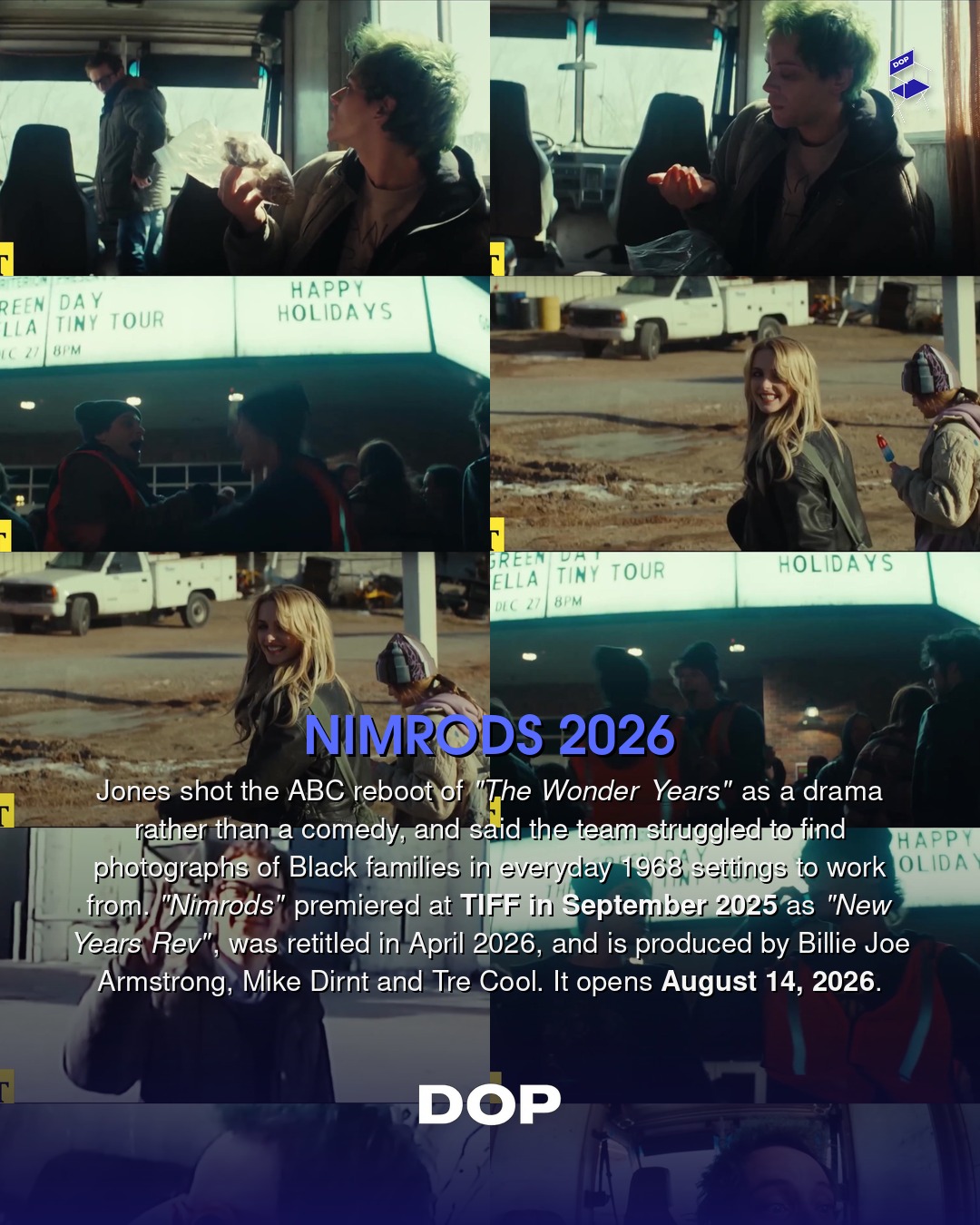
This distinct, tactile realism anchors Jones’s work on Nimrods (formerly premiering at TIFF as New Years Rev), produced alongside Green Day’s Billie Joe Armstrong, Mike Dirnt, and Tré Cool. Moving between indie grit and broadcast precision, David Robert Jones continues to demonstrate that true cinematic sophistication lies not in loud visual trickery, but in the quiet confidence to let light, shadow, and environment tell the story.