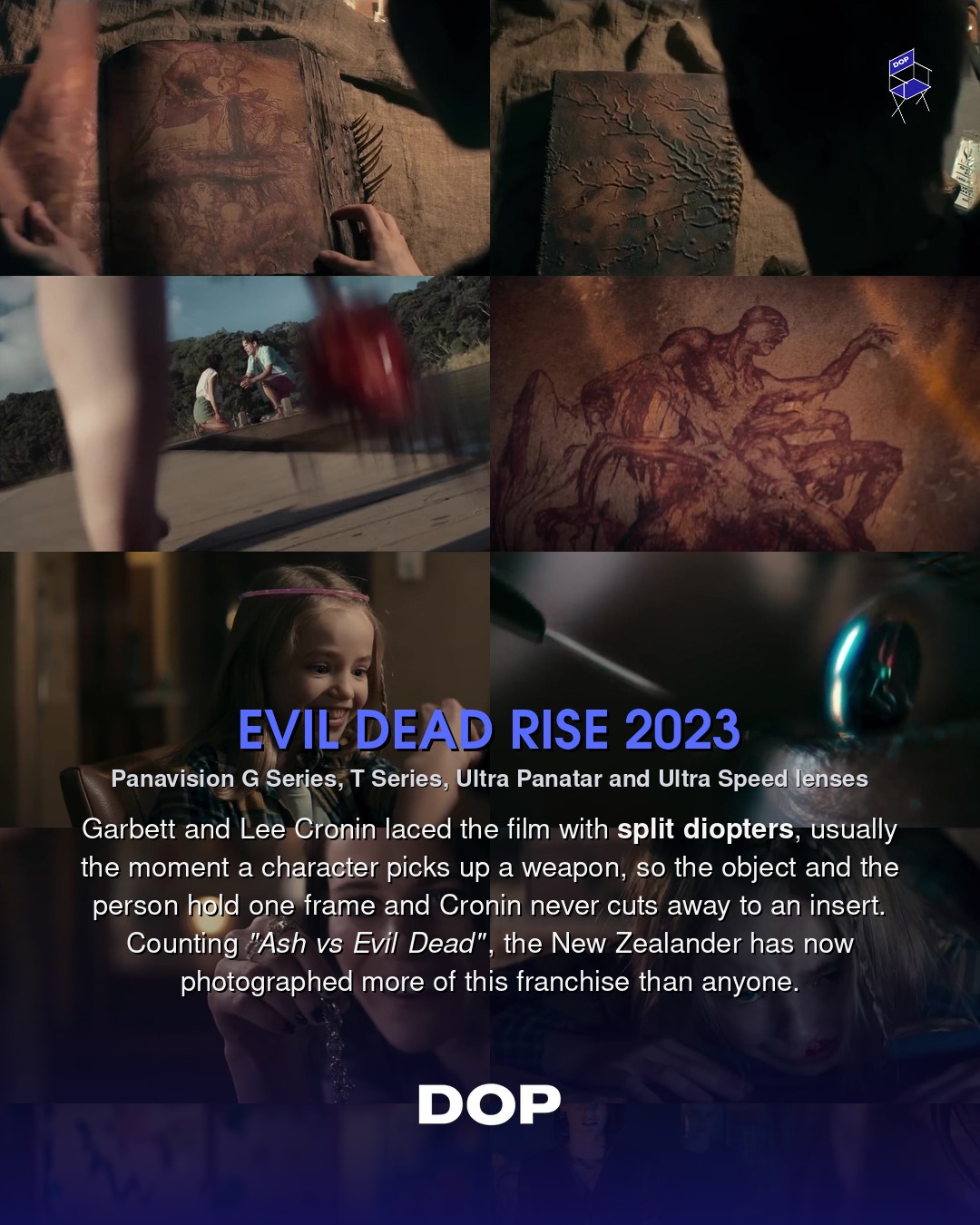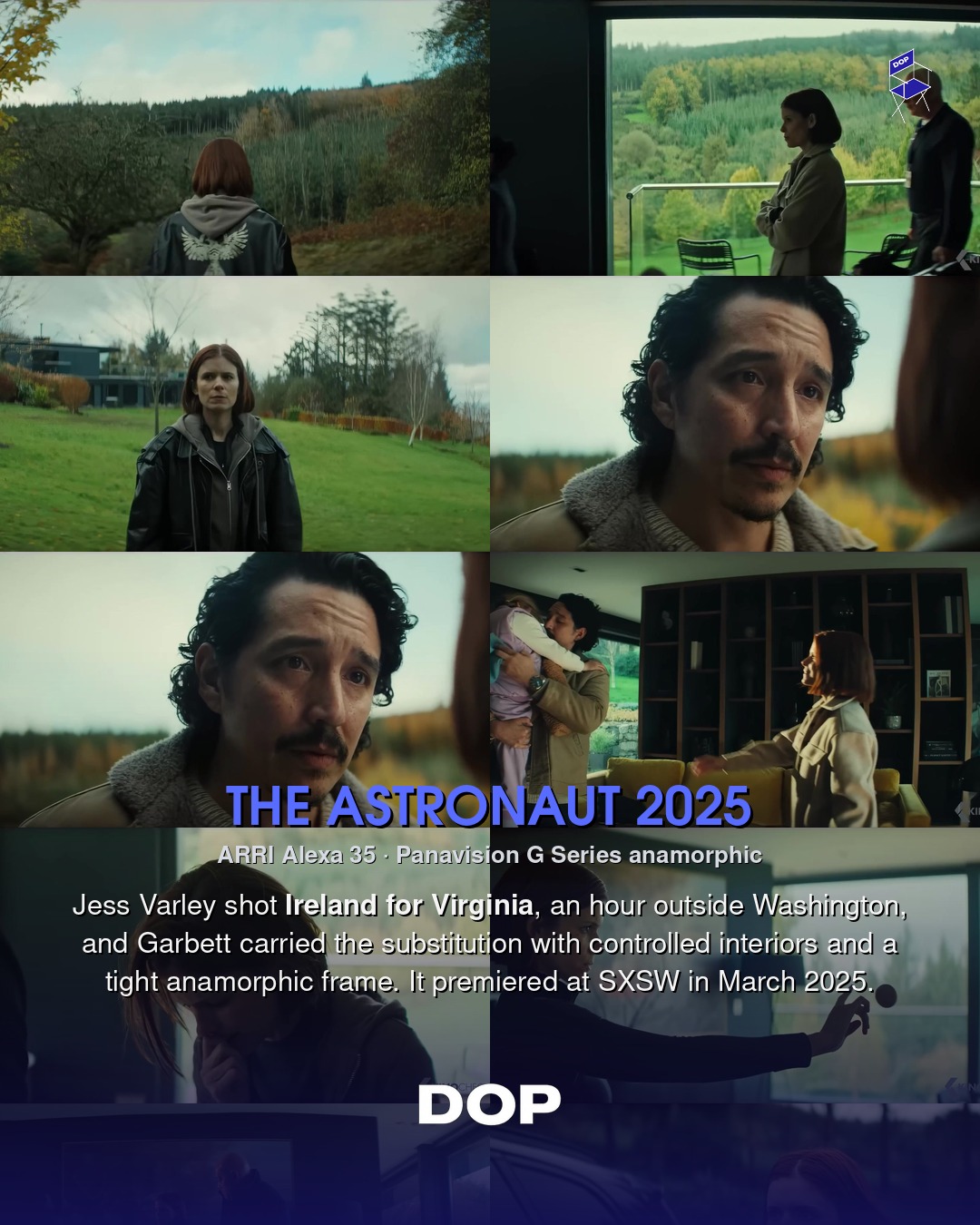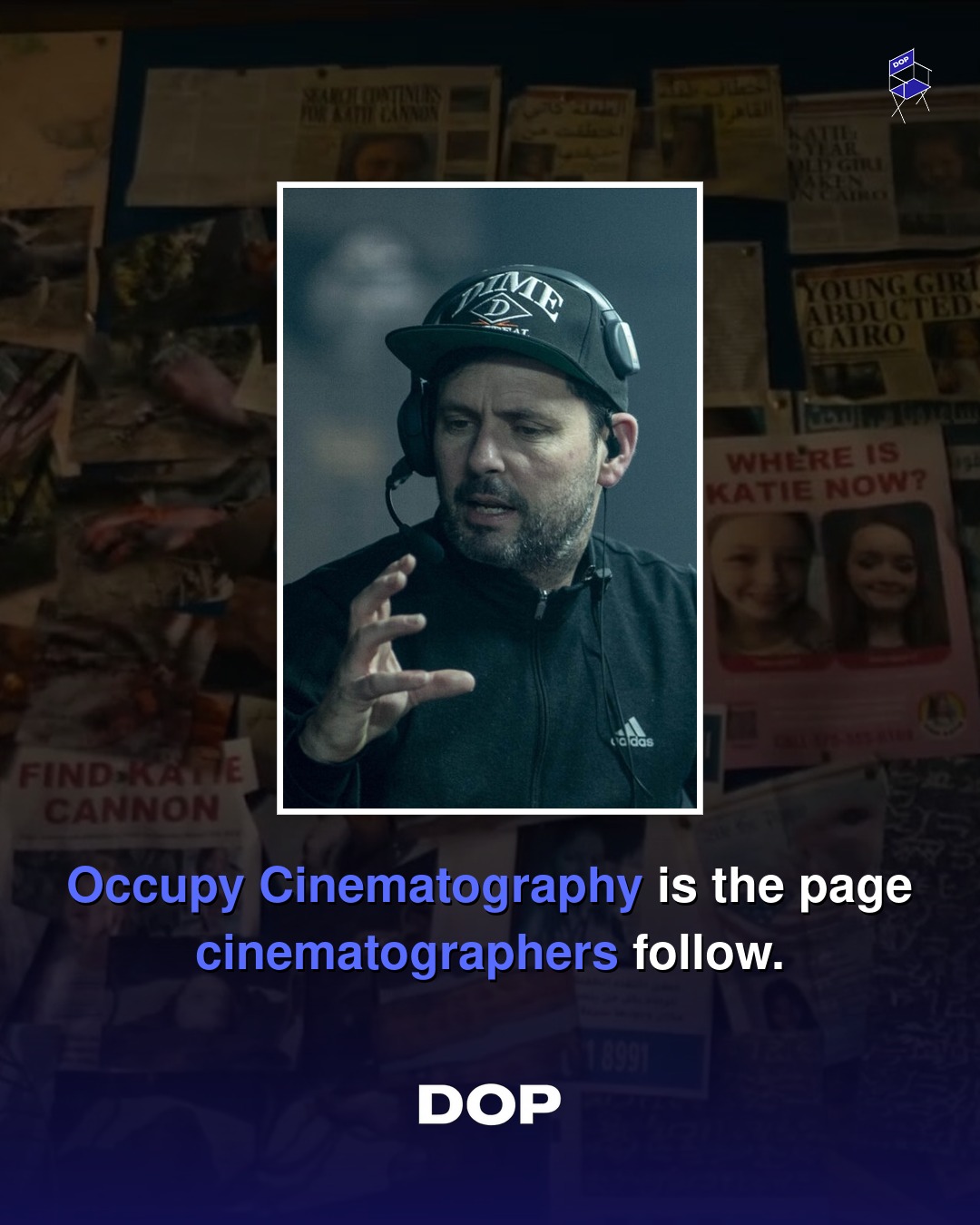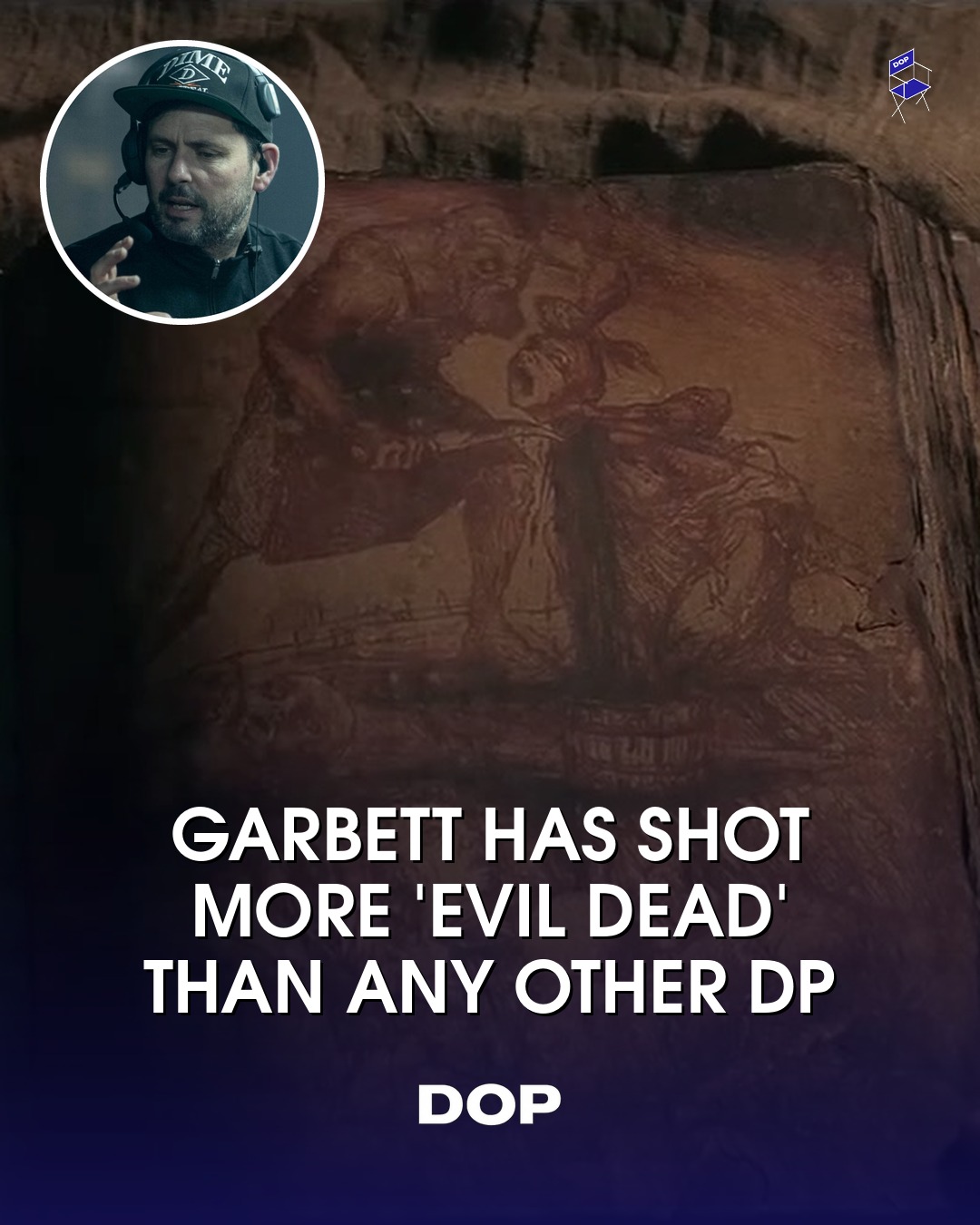
Few cinematographers have immersed themselves in the chaotic mechanics of a single cinematic universe quite like Dave Garbett. The New Zealand native has quietly become the chief visual architect of the contemporary Evil Dead lore, lensing the relentless kineticism of the Starz television series Ash vs Evil Dead before scaling up the urban claustrophobia in director Lee Cronin’s Evil Dead Rise. Garbett’s pedigree is rooted in the physical reality of the camera department, having cut his teeth as a clapper loader, focus puller, and Steadicam operator before stepping behind the master monitor. That tactile fluency translates directly to the screen—every frame pulses with an operator’s instinct for momentum, spatial geography, and kinetic energy.
The Tactical Geometry of the Split Diopter
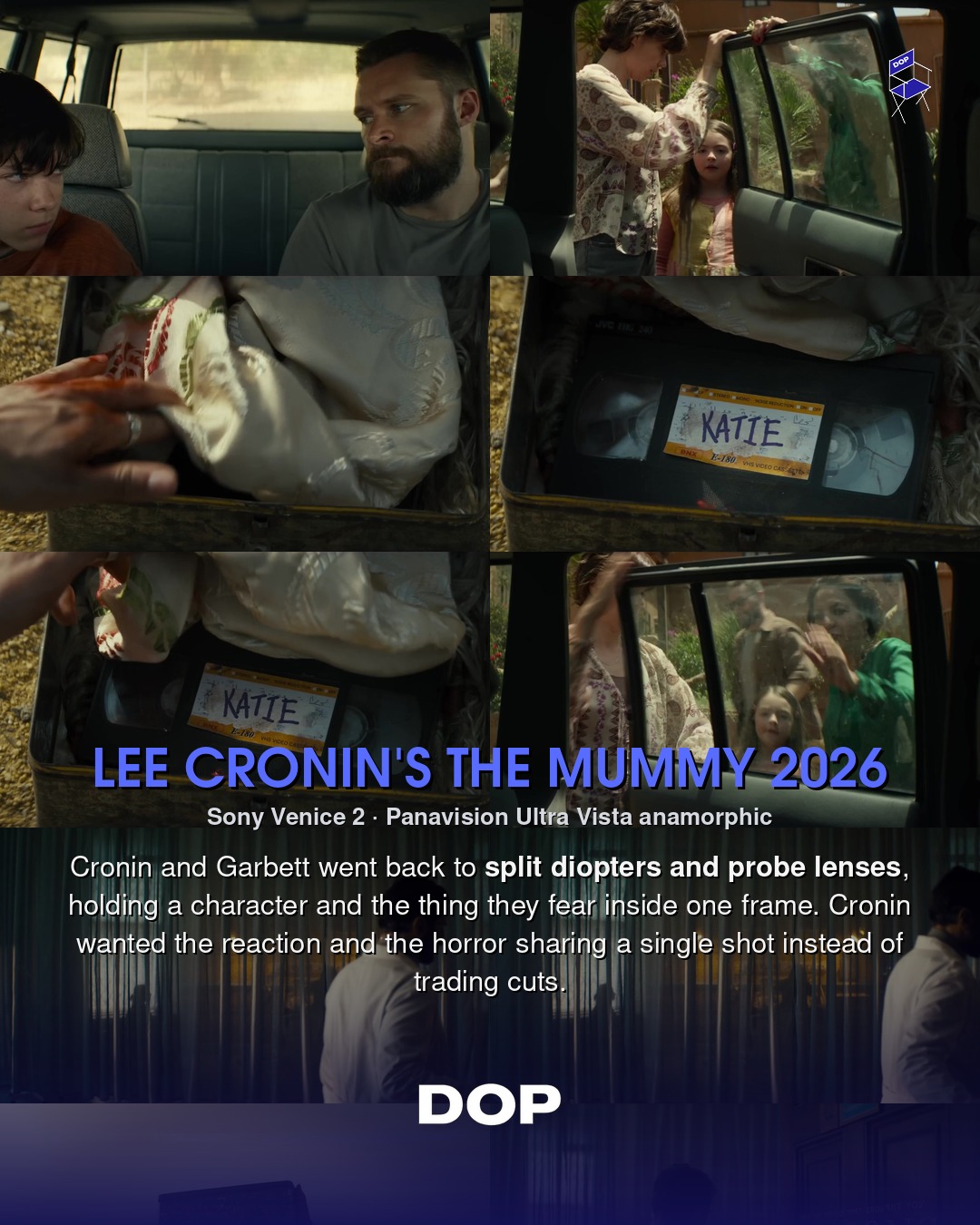
Among Garbett and Cronin’s signature visual motifs is a surgical deployment of split-field diopters. While often associated with the operatic compositions of Brian De Palma or John Frankenheimer, Garbett recontextualizes the half-convex lens element for modern, hard-hitting genre storytelling. Instead of purely using the tool for dramatic dialogue confrontations, the duo weaponizes depth: an extreme foreground object—frequently a makeshift weapon, a talisman, or a bloodied prop—is locked into razor-sharp focus alongside a character’s terrified reaction in the background.
“A split diopter is not just a stylistic flourish; it is an act of visual violence that forces two disparate planes of reality into the exact same instant of dramatic focus.”
Achieving this optical trickery requires rigorous technical planning on set. Because a split diopter leaves a soft, out-of-focus transition line down the center of the frame, Garbett meticulously hides the seam against architectural verticals, door frames, shadows, or subtle shifts in production design. The result eliminates the cognitive relief of a shallow depth-of-field rack focus, keeping both the impending threat and the human stakes painfully immediate for the audience.
Glass, Sensors, and the Anamorphic Horizon
To capture Cronin’s distinct visual palette, Garbett has leaned into large-format digital workflows paired with character-rich glass. On recent productions, the combination of the Sony Venice 2 and Panavision Ultra Vista 1.65x squeeze anamorphic lenses has provided an expansive field of view with organic edge falloff and creamy roll-off into the highlights. The dual-native ISO of the Venice 2 sensor allows Garbett to shoot deep in low-light environments without sacrificing the dynamic range of crushed shadow tones or rendering practical incandescent sources as harsh video clippers.
Complementing this anamorphic backbone is the selective use of probe lenses. When the narrative demands a claustrophobic crawl through the anatomy of horror—whether tracking liquid through narrow apertures or moving impossibly close to textural details—the probe lens delivers a wide perspective with an extreme close-focus capability that standard macro primes cannot reproduce. By keeping the camera body distant while placing the micro-optical element inches from the subject, Garbett produces an uncanny, bugs-eye perspective that ratchets up psychological dread.
Mastering Atmosphere and Spatial Dread
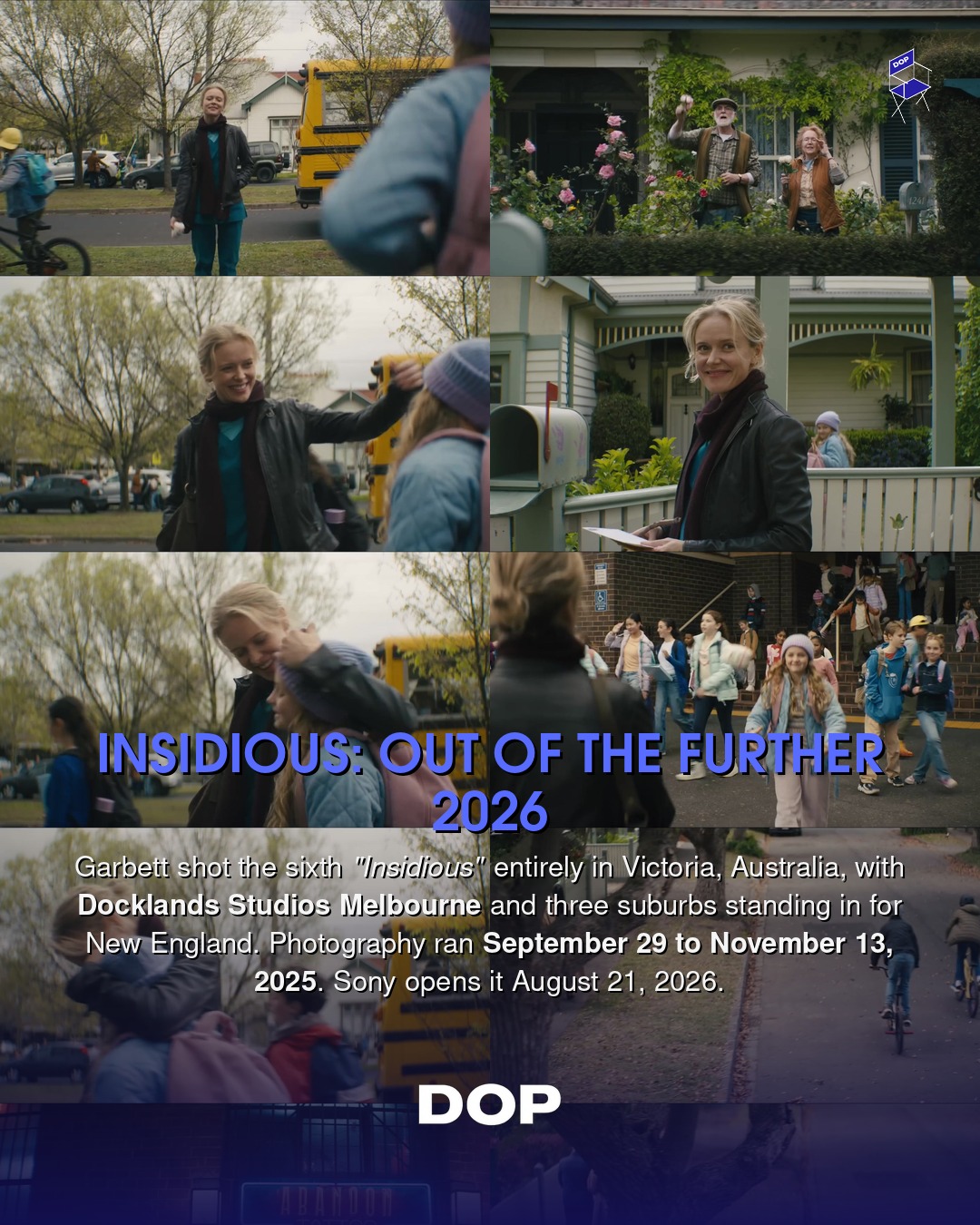
Beyond his technical mastery of specialized glass, Garbett’s work—which includes an Emmy-winning turn on Netflix’s post-apocalyptic fantasy Sweet Tooth—demonstrates an innate understanding of environmental lighting. In the confined slaughterhouse of an apartment complex or the sprawling soundstages of Docklands Studios Melbourne standing in for New England, his lighting philosophy balances high-contrast mood with practical realism. He frequently anchors scenes with motivated source lighting, letting deep amber practicals, flashing emergency lights, and cool moonlight carve out shapes in heavy haze.
As Garbett prepares audiences for forthcoming terror in the expanding horror lexicon, his work remains a clinic in intentionality. In an era dominated by clean digital plates and post-production reframing, his commitment to getting optical flares, deep focus, and mechanical movement in-camera is a testament to the enduring power of cinematographic craft.
This article contains affiliate links. We may earn a small commission at no extra cost to you. Learn more.