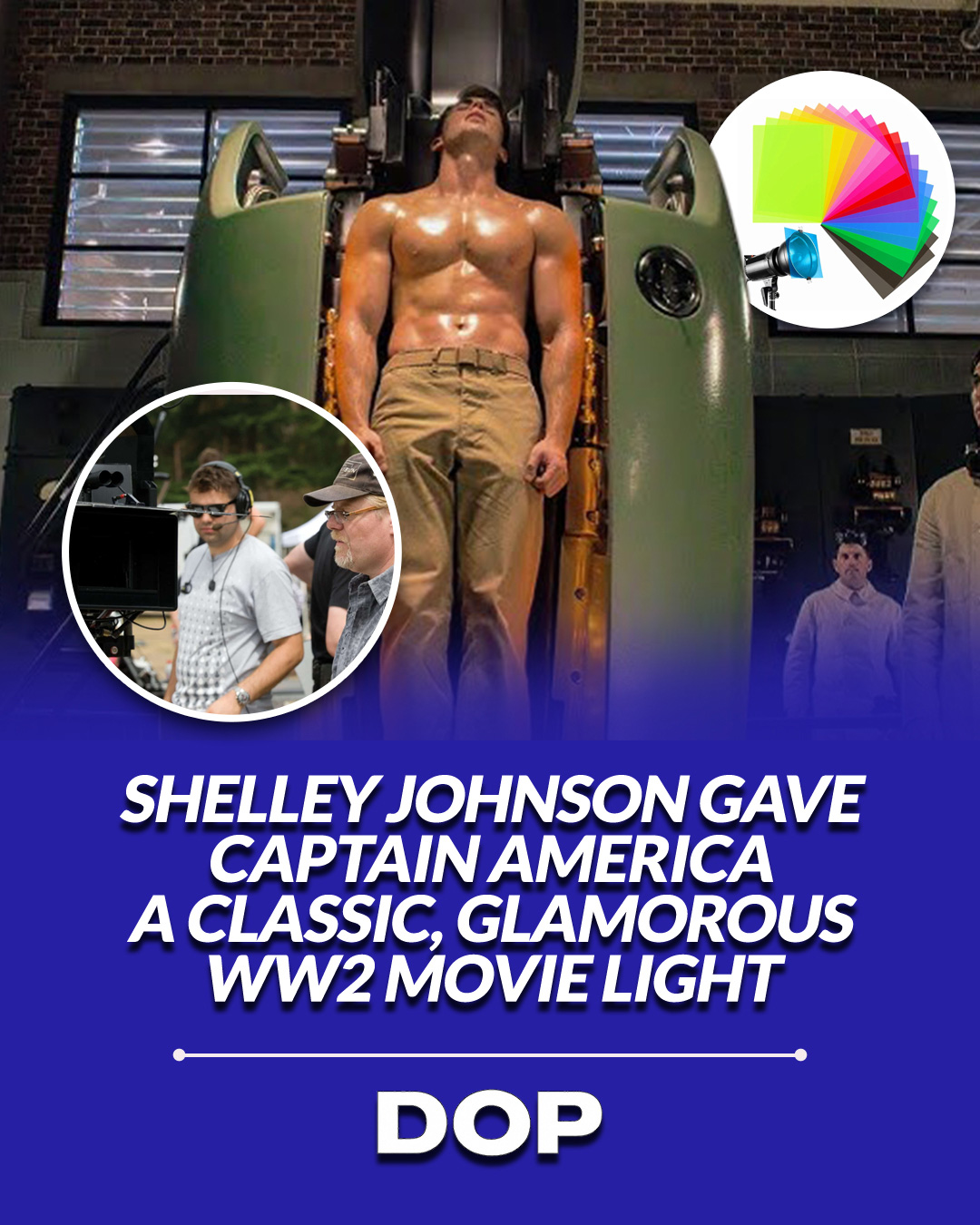
In an era dominated by hyper-saturated color grades, crushingly dark shadows, and clinical high-contrast lighting, Captain America: The First Avenger (2011) stands out as a masterclass in period-appropriate visual storytelling. Director of Photography Shelley Johnson, ASC, approached Steve Rogers' origin story not as a typical modern comic book movie, but as an intentional homage to classic 1940s studio war cinema. By blending vintage lighting philosophies with sophisticated digital acquisition, Johnson created a visual aesthetic that feels anchored in history yet visually arresting.
Instead of relying on the modern fashion of soft, ambient top-lighting and extreme edge-lights, Johnson looked back to the golden age of Hollywood still photography and studio filmmaking. He employed strong key lights, motivated backlights, and precise fill control across the film's elaborate period sets. The goal was simple yet challenging: ensure that faces remained clean, sculpted, and slightly idealized, even in the middle of chaotic war zones and muddy European battlefields.
This traditional three-point lighting structure gave Steve Rogers an iconic, larger-than-life presence on screen. By using traditional tungsten directional fixtures reminiscent of the classic Mole-Richardson units that lit WWII propaganda pictures, Johnson maintained meticulous control over ratios and shadow placement. Fill light was strictly managed to keep shadows rich without losing the noble, hero-lit quality that defined mid-century screen icons.
Bridging Vintage Aesthetics and Digital Capture
To capture this period look, Johnson turned to the Panavision Genesis digital camera system paired with Panavision Primo spherical lenses. While shooting digitally was a practical necessity for the production's heavy visual effects workload, Johnson avoided the cold sharpness often associated with early digital cinema. The Primo lenses provided an organic texture and subtle optical characteristics that softened the sensor's precision, creating a crucial bridge between modern digital workflows and mid-century film stocks.
The color palette was meticulously crafted to echo Kodachrome slide photography and WWII newsreels. Working alongside production designer Rick Heinrichs, Johnson leaned into warm, slightly desaturated tones with rich, amber-hued skin tones. Highlights were gently rolled off to emulate vintage film emulsions, while shadows were kept dark yet detailed, mimicking the high-contrast Kodachrome prints of the 1940s.
"Superhero cinema doesn't have to default to high-contrast, hyperreal digital aesthetics; by leaning into historical visual grammar, you ground fantasy in authentic cinematic history."
Timeless Craft in the Era of Digital Slickness
What makes the film so visually successful is how seamlessly it integrates with actual archival newsreel and propaganda footage within the narrative. The film’s montage sequences of Captain America selling war bonds feel completely integrated because Johnson matched the contrast ratios, key direction, and exposure latitude of vintage 35mm Technicolor and black-and-white stocks.
Johnson’s extensive filmography, including visual highlights like Jurassic Park III and The Wolfman, demonstrates a consistent dedication to clear visual geography and painterly lighting setups. On The First Avenger, this experience translated into a world that feels tactile and grounded. Practical oil lamps, warm tungsten desk lights, and harsh spotlight shafts create a sense of physical atmosphere that CGI environments rarely achieve on their own.
For contemporary DPs and camera operators, Johnson's work serves as a crucial reminder: visual style should always serve narrative origin. When adapting material set in a specific historical period, defaulting to contemporary visual trends is a missed opportunity. By borrowing from the lighting ratios, color science, and optical characteristics of the past, cinematographers can forge a deeper emotional connection between the audience and the world on screen.