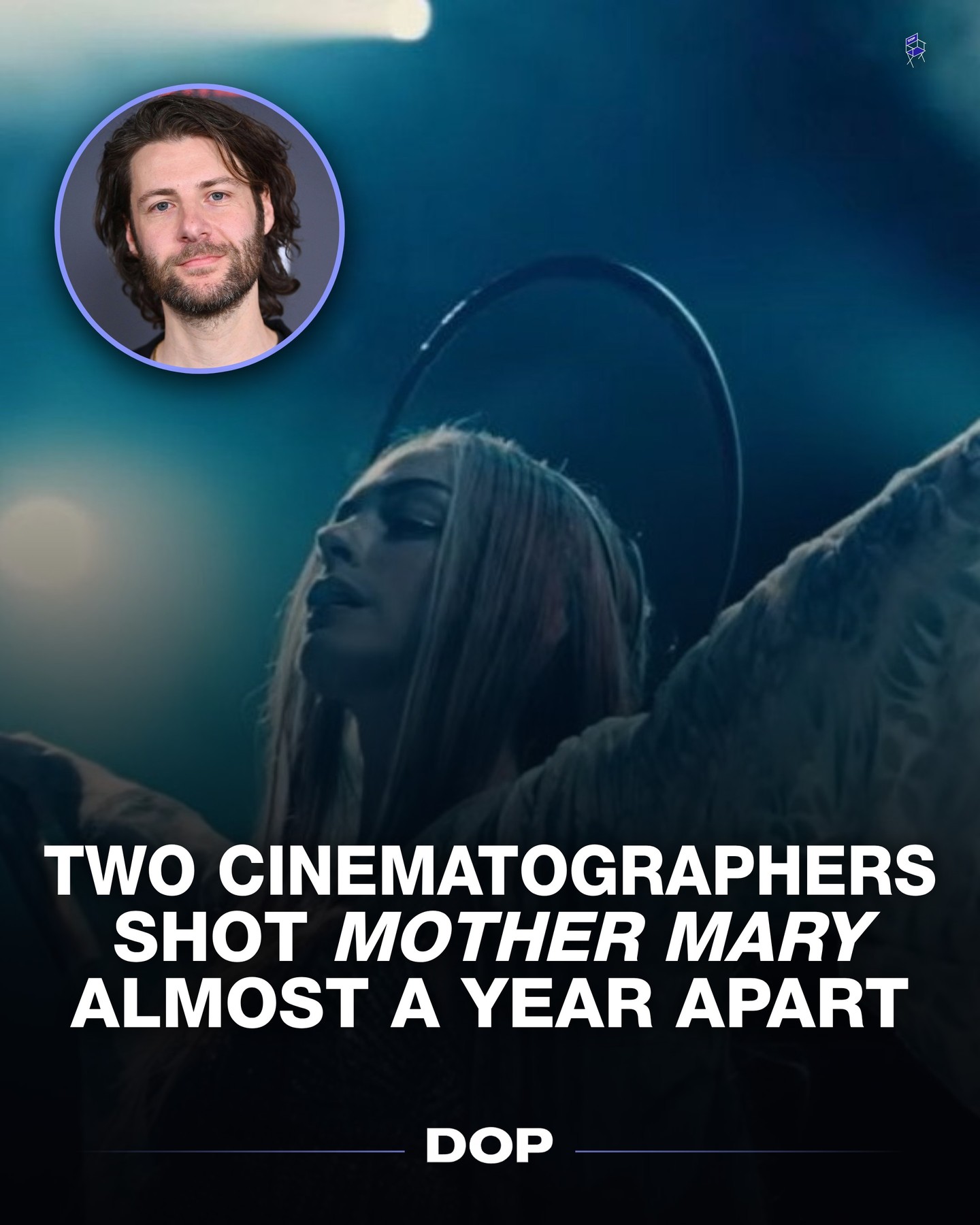
The upcoming A24 feature 'Mother Mary' promises to be a cinematic event, and as always, our eyes are firmly on the visual architects behind the lens. The film's ambitious scope, particularly in its depiction of a global concert tour, necessitated a unique approach to cinematography, brilliantly executed by a dual-DP team: Andrew Droz Palermo and Rina Yang. Their collaboration, with Yang specifically helming the high-octane concert sequences, offers a masterclass in how technical choices serve narrative and emotional impact, especially when faced with the daunting task of creating grand-scale illusions.
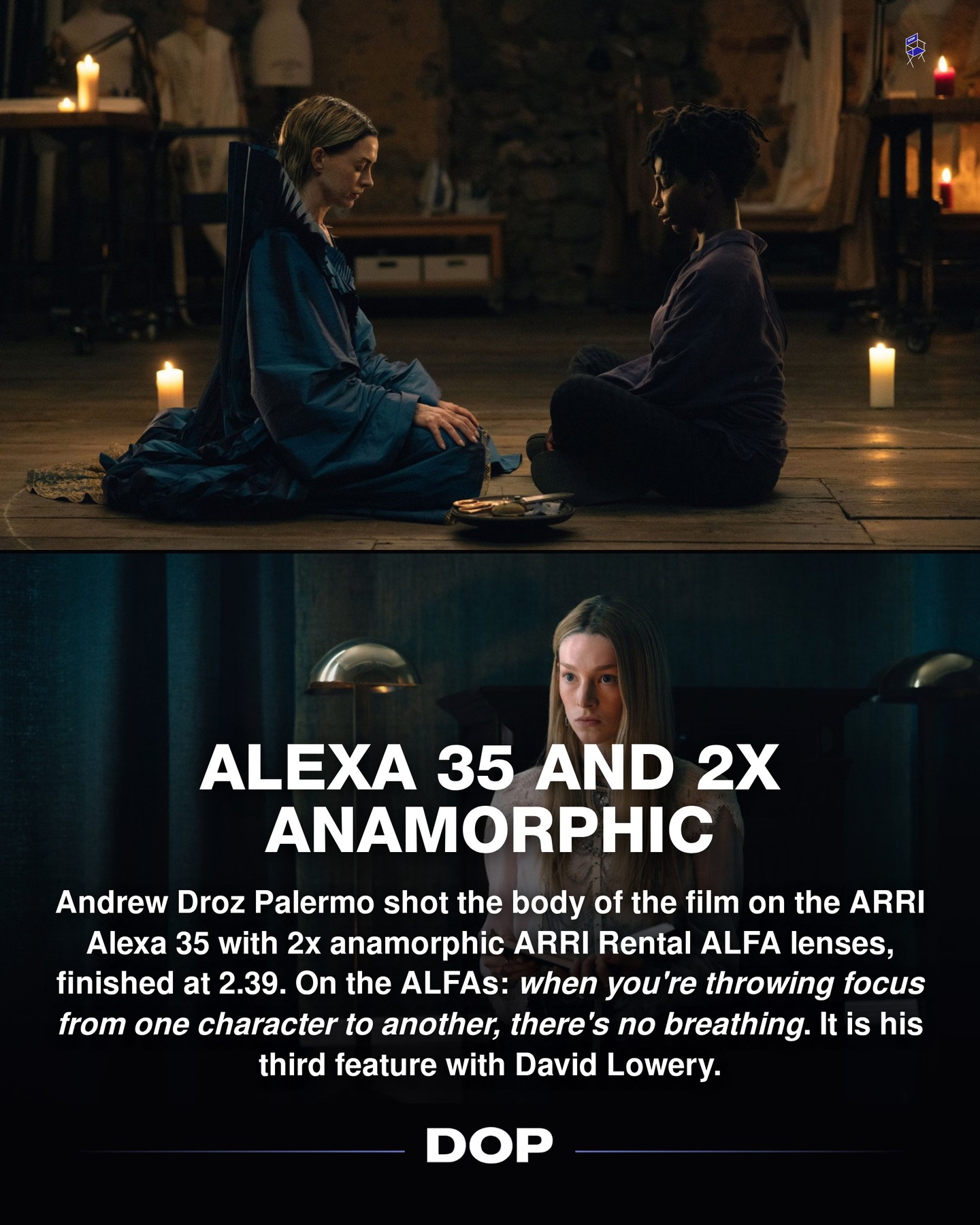
The decision to shoot on the ARRI Alexa 35, paired with Panavision ALFA 2x anamorphic lenses, immediately signals a commitment to a sophisticated, high-fidelity image. The Alexa 35, with its native 4K sensor and enhanced dynamic range, provides an exceptional canvas, capable of rendering the nuanced interplay of concert lighting and the subtle textures of performance. But it's the ALFA lenses that truly intrigue. These 2x anamorphic optics are known for their distinctive character, a beautiful oval bokeh, organic flares, and a widescreen aspect ratio that inherently elevates the cinematic experience. Crucially, the mention that these lenses were chosen partly because they do not 'breathe' (minimal focus breathing) is a telling detail. In the dynamic, often unpredictable environment of a concert film, maintaining consistent framing and avoiding distracting optical shifts during focus pulls is paramount to preserving immersion and visual integrity.
The Illusion of Immensity: Lighting a Global Stage
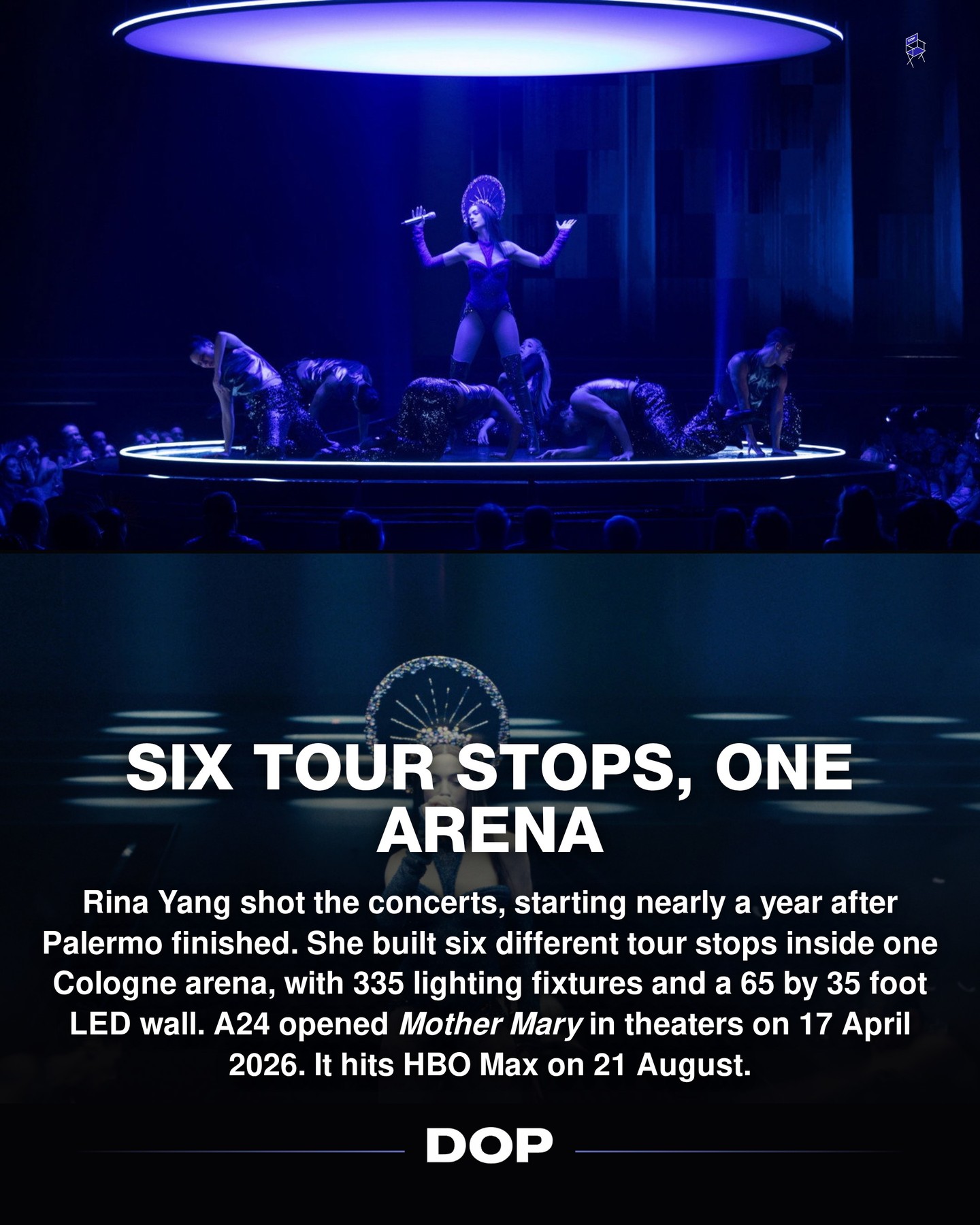
The logistical feat of 'Mother Mary' is perhaps best encapsulated by the transformation of a single Cologne arena into six distinct international tour stops. This wasn't merely a set dressing challenge; it was a lighting director's magnum opus. The Instagram caption reveals the staggering scale: 335 individual fixtures and a colossal 65 by 35-foot LED wall. This isn't just about brightness; it's about versatility, control, and the ability to rapidly reconfigure an entire environment to evoke different cities, moods, and performance phases. The sheer density of lighting instruments allowed the team to sculpt light with precision, creating distinct visual identities for each 'venue' within the same physical space.
"Building six venues in one room is a lighting problem before it is a camera problem, and 335 fixtures is the answer." This statement perfectly encapsulates the hierarchical approach to problem-solving on such a complex production. Without the meticulously crafted lighting, the camera would merely be documenting an unconvincing stage.
The strategic deployment of an LED wall of that size further amplifies the illusion. LED walls are no longer just glorified backdrops; they are dynamic light sources and immersive environments in themselves. They can project intricate visuals, replicate specific architectural details, or even generate abstract light patterns that react to the music, transforming the stage into a living, breathing entity. The interplay between the practical fixtures and the programmable LED wall would have been key to establishing the unique atmosphere of each 'tour stop,' providing both ambient light and direct visual information.
Collaborative Vision: Palermo's Eye, Yang's Energy
While the technical details are fascinating, the artistic collaboration between Andrew Droz Palermo and Rina Yang is equally compelling. Palermo, known for his evocative and often dreamlike cinematography in films like 'A Ghost Story' and 'The Green Knight,' brings a refined sense of composition, mood, and subtle emotional resonance. His work often features carefully controlled light and shadow, creating a palpable atmosphere that complements the narrative. One can anticipate his influence shaping the film's more intimate, character-driven moments, grounding the spectacle in human experience.
Rina Yang, on the other hand, is a master of capturing dynamic movement and high-energy performances, with an impressive portfolio in music videos and commercials. Her expertise in handling fast-paced action, complex stage lighting, and the raw energy of live performance makes her the ideal choice for the concert sequences. Her ability to operate handheld or with sophisticated camera movement systems while maintaining visual clarity and emotional impact would be crucial in conveying the visceral experience of a concert. This division of labor, leveraging each DP's specific strengths, is a smart and increasingly common strategy for projects with diverse visual requirements.
The choice of the Alexa 35 and ALFA anamorphics, combined with the elaborate lighting design, suggests a film that is not only visually grand but also deeply textural and cinematic. The 2.39:1 aspect ratio, inherent to the 2x anamorphic format, will provide an expansive canvas, perfect for showcasing the scale of the performances and the vastness of the recreated arenas. The 'Max date' of August 21, 2026, following the theatrical release, indicates a significant investment in delivering a premium viewing experience across all platforms. 'Mother Mary' is shaping up to be a profound exploration of performance, identity, and spectacle, all framed through the meticulous and passionate lens work of its cinematographic team. It's another testament to the power of thoughtful, collaborative cinematography in bringing ambitious visions to life.
This article contains affiliate links. We may earn a small commission at no extra cost to you. Learn more.