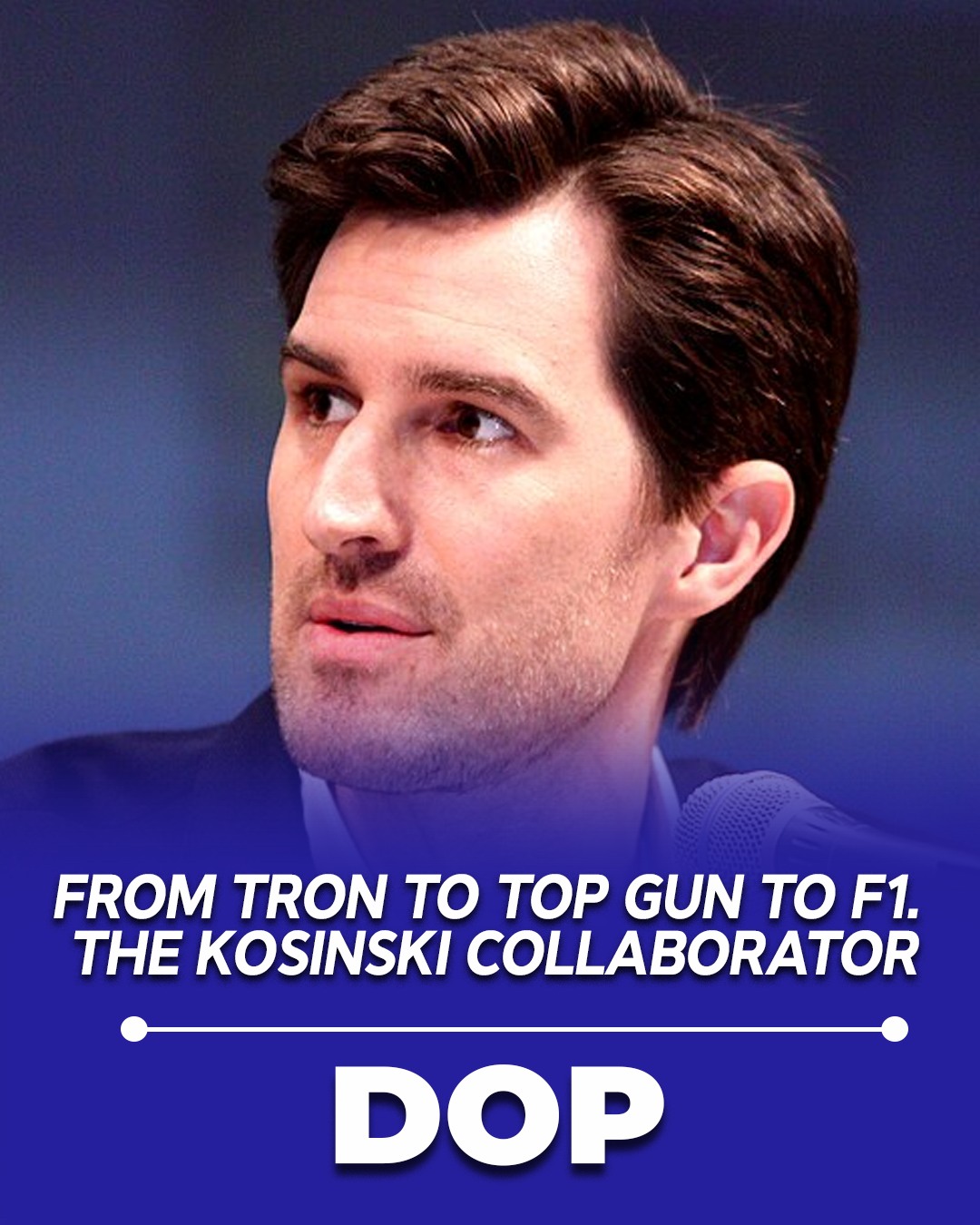
Claudio Miranda, ASC, stands as a titan in contemporary cinematography, a master craftsman who has consistently pushed the boundaries of visual storytelling across an astonishing array of genres. His filmography reads like a testament to audacious visual ambition, from the breathtaking, Oscar-winning vistas of Life of Pi to the neon-drenched digital realms of Tron: Legacy and the visceral, high-octane aerial ballet of Top Gun: Maverick. What unites these disparate projects is Miranda's unwavering commitment to innovation, his ability to seamlessly blend traditional photographic artistry with cutting-edge technical problem-solving.
Miranda’s work is characterized by a relentless pursuit of visual authenticity, even within the most fantastical or technically complex scenarios. In Life of Pi, for instance, his collaboration with director Ang Lee resulted in a groundbreaking use of 3D, not as a gimmick, but as an integral component of the narrative's emotional and spatial immersion. The challenge of shooting water, light, and a digital tiger in a way that felt tactile and real was immense. Miranda, alongside his team, developed intricate lighting setups to mimic natural sun and moonlight on water, often employing large-scale LED panels to create dynamic reflections and subtle color shifts that brought the ocean to life.
The Fusion of Art and Engineering
The true genius of Miranda lies in his embrace of technology as an artistic tool, rather than a mere necessity. His approach to projects like Tron: Legacy exemplifies this. Working with director Joseph Kosinski, Miranda crafted a distinctive visual language defined by sleek, high-contrast aesthetics and a palette dominated by electric blues and deep blacks. This wasn't achieved through simple color grading; it involved meticulous planning of practical lighting within sets, often integrating LED strips and custom light sources directly into the production design to create the film's signature glowing lines and ethereal environments. The choice of the Sony F35, known for its clean, film-like image and dynamic range, was crucial in capturing the subtle nuances of these digital landscapes.
"Miranda's career demonstrates how modern cinematographers must balance traditional visual artistry with cutting-edge technical problem-solving."
The challenges escalated with Top Gun: Maverick, a film that redefined aerial combat cinematography. Here, the pursuit of authenticity demanded placing IMAX-certified cameras directly inside the cockpits of F-18 fighter jets. This wasn't a simple plug-and-play operation. It required extensive collaboration with engineers, custom rigging solutions, and robust camera systems capable of withstanding extreme G-forces and vibrations while delivering pristine, high-resolution imagery. Miranda's team worked tirelessly to ensure that the audience felt every banking turn and high-speed maneuver, not through green screen, but through genuine, in-camera capture.
Beyond the Lens: A Legacy of Innovation
Miranda’s current endeavor on the Netflix series F1 further underscores his trajectory as a cinematographer who thrives on technical hurdles. Documenting the high-octane world of Formula 1 racing demands bespoke camera solutions, compact, rugged, and capable of capturing the dizzying speed and raw energy of the sport from unique perspectives. This often involves developing custom mounts for cars, innovative remote camera systems, and specialized lenses that can withstand the harsh environments of the racetrack while delivering cinematic quality.
His filmography, which also includes diverse projects like Oblivion and The Curious Case of Benjamin Button, showcases a DP who is not confined by genre or conventional approaches. Whether he's crafting the intimate glow of a period drama or the expansive grandeur of a sci-fi epic, Miranda consistently elevates the visual experience. He understands that the sensor choice, the unique character of a lens, the philosophy behind a lighting setup, and the subtle nuances of color science are all integral components of the storytelling tapestry.
Claudio Miranda's impact on cinematography is profound. He is not just a visual artist; he is an engineer of emotions, a sculptor of light, and a relentless innovator who reminds us that the art of cinematography is a dynamic, evolving discipline. His work inspires a new generation of DPs to not only master the traditional tools of the trade but also to fearlessly explore and harness the potential of emerging technologies to tell stories in ways previously unimagined.
This article contains affiliate links. We may earn a small commission at no extra cost to you. Learn more.