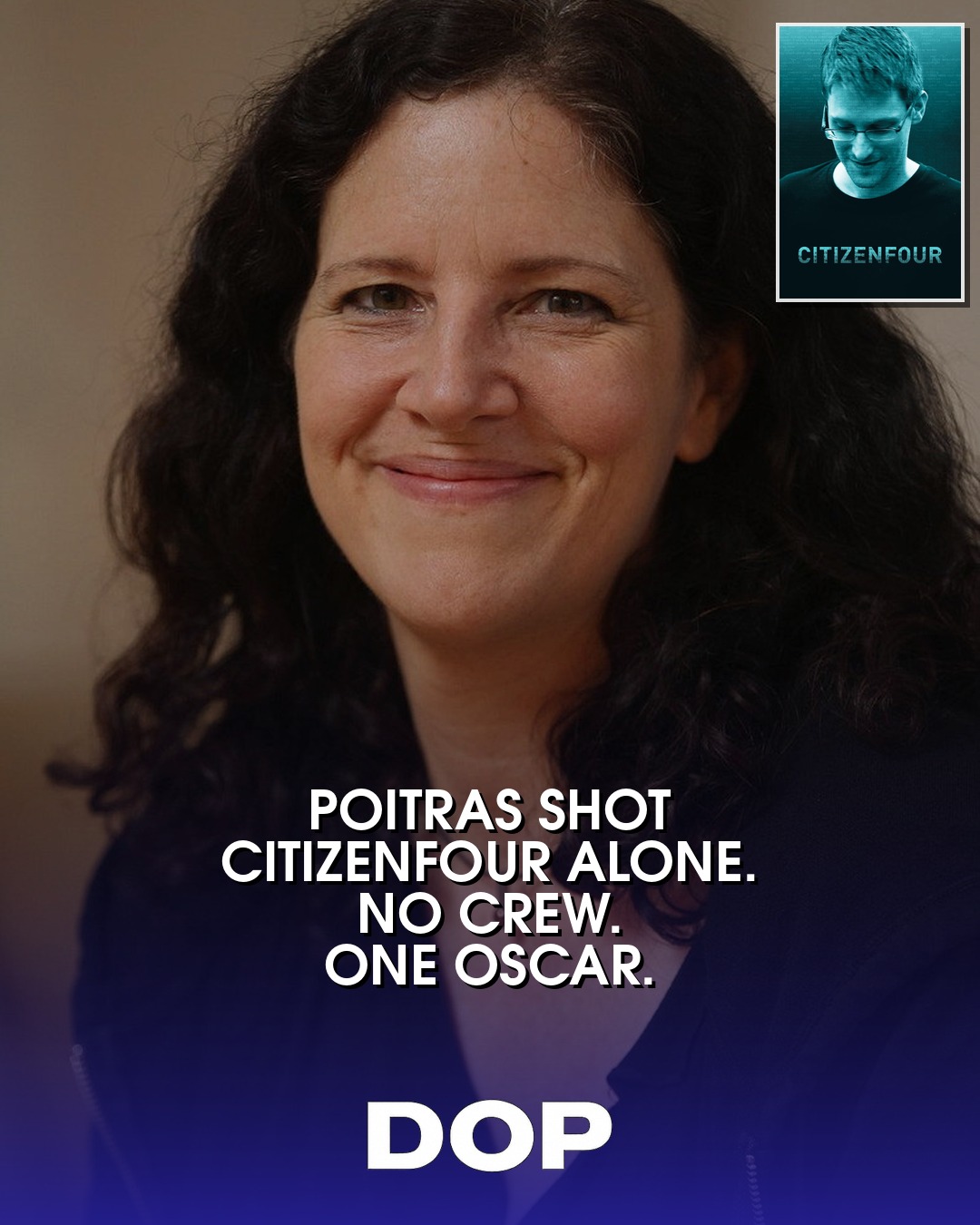
In the annals of documentary filmmaking, few productions have been as fraught with peril, as laden with immediate consequence, or as utterly essential as Laura Poitras’s 2014 masterpiece, Citizenfour. This wasn't merely a film about a significant event; the act of making it was the significant event, a high-stakes capture of history unfolding in real-time. Poitras, already a target of government surveillance long before Edward Snowden reached out, stepped into a situation where every frame captured wasn't just storytelling, but a potential legal liability, a direct challenge to the powers that be.
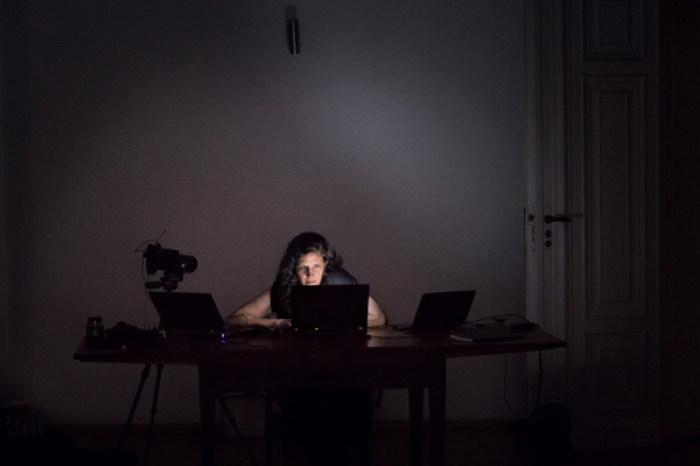
The cinematography of Citizenfour is, by necessity, a masterclass in understated intimacy and deliberate restraint. Working with a skeleton crew – often just herself – in the cramped confines of a Hong Kong hotel room, Poitras eschewed elaborate setups for a raw, unvarnished vérité style. The camera, often a Canon EOS C300 or similar compact, high-quality digital cinema camera, became an extension of her journalistic gaze. Its relatively small form factor allowed for discretion, blending into the environment while still delivering the necessary resolution and low-light performance to capture the intense, often whispered, conversations. The choice of prime lenses, likely a set of fast, neutral glass, would have been paramount, allowing for shallow depth of field to isolate Snowden in his moments of profound disclosure, yet wide enough to capture the claustrophobic tension of the room.
The Ethics of the Lens: Witnessing History
What makes Citizenfour’s cinematography so compelling isn't its technical flash, but its ethical fortitude. Poitras wasn't just documenting; she was bearing witness, and the camera became her unblinking eye. The lighting in the hotel room, predominantly practical and natural light filtering through windows, contributes to the film's stark realism. There are no dramatic three-point setups, no carefully sculpted shadows. Instead, we see the harsh reality of fluorescent overheads and the flat, diffused light of an overcast day, emphasizing the gravity of the situation rather than aestheticizing it. This deliberate choice underscores the film's journalistic imperative: to present the truth as unadorned as possible, to let the weight of Snowden’s revelations speak for themselves.
“The camera in Citizenfour isn't just a recording device; it's a silent co-conspirator, a witness to a moment that shifted the global conversation around privacy and surveillance.”
The intimacy achieved through this minimalist approach is profound. We are not merely observers; we are placed directly into that hotel room, sharing the nervous energy, the hushed tones, the sheer magnitude of what is being revealed. The framing is often tight on Snowden's face, capturing every flicker of emotion – the trepidation, the conviction, the immense burden he carries. This tight framing, combined with the almost imperceptible camera movements, creates an immersive experience that pulls the audience into the ethical and personal maelstrom of the disclosures.
Beyond the Frame: Courage and Conviction
Poitras's filmography, which includes essential works like My Country, My Country and The Oath, consistently demonstrates a commitment to unflinching political documentary, often placing her and her subjects in precarious positions. Her visual style is characterized by a direct, observational approach, prioritizing authenticity over stylistic flourish. In Citizenfour, this philosophy reached its zenith. The color science, likely a naturalistic profile with minimal grading, serves to maintain the documentary's objective tone, avoiding any manipulation that might detract from the raw truth of the footage. The sound design, equally spare, focuses on the clarity of dialogue, the hum of the air conditioner, the subtle sounds of a world unaware of the seismic shifts occurring within that single hotel room.
The fact that Citizenfour won the Academy Award for Best Documentary Feature in 2015, and that Poitras became the first person to receive both an Oscar and a MacArthur Genius Grant for the same body of work, speaks volumes not just to its artistic merit, but to its undeniable cultural and political impact. It's a testament to a filmmaker who understood that sometimes, the most powerful cinematography isn't about grand gestures or elaborate setups, but about the quiet courage to point a camera at the truth, even when that truth comes with immense personal risk. Citizenfour remains a pivotal work, a stark reminder of the power of the lens when wielded with integrity and an unwavering commitment to accountability.