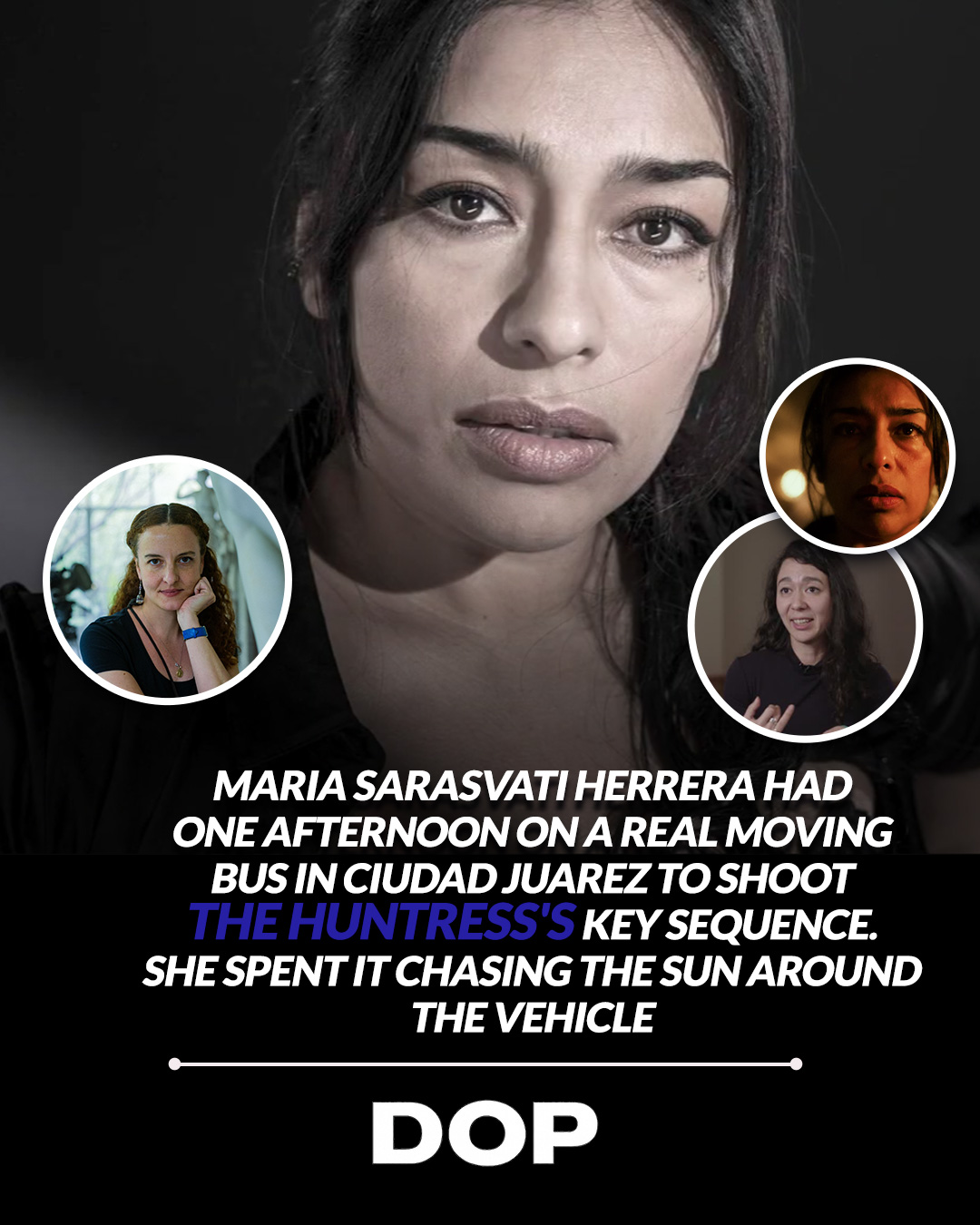
In the high-stakes world of independent cinema, where time and resources are perpetually at a premium, cinematographers are often called upon to perform minor miracles. Maria Sarasvati Herrera, AMC, the brilliant mind behind the lens of Suzanne Andrews Correa's The Huntress (La Cazadora), delivered precisely such a feat for a pivotal sequence in the film. Premiering to critical acclaim in the World Cinema Dramatic Competition at Sundance 2026, the film, and particularly this bus sequence, stands as a testament to Herrera’s meticulous planning, improvisational genius, and unwavering commitment to subjective visual narrative.
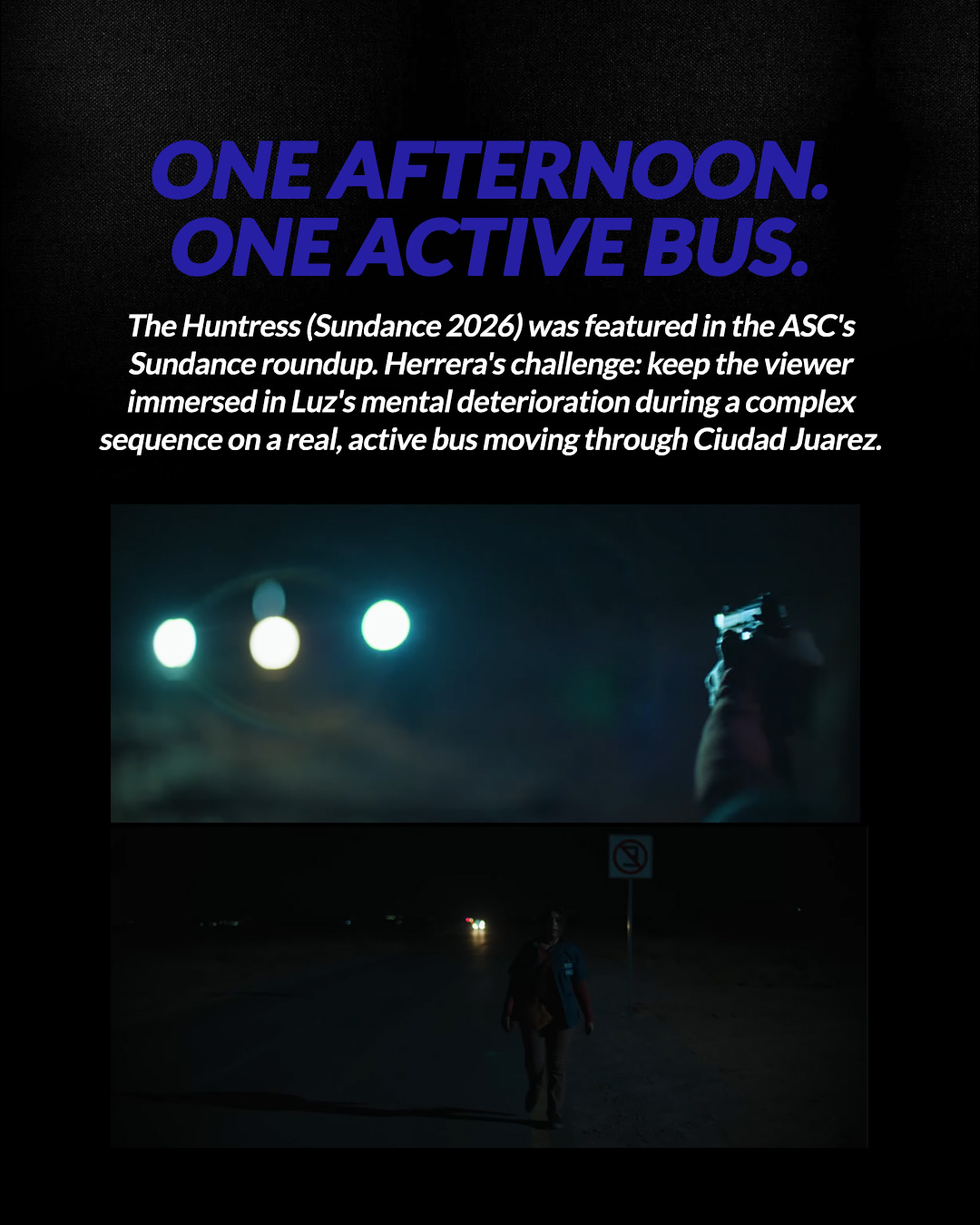
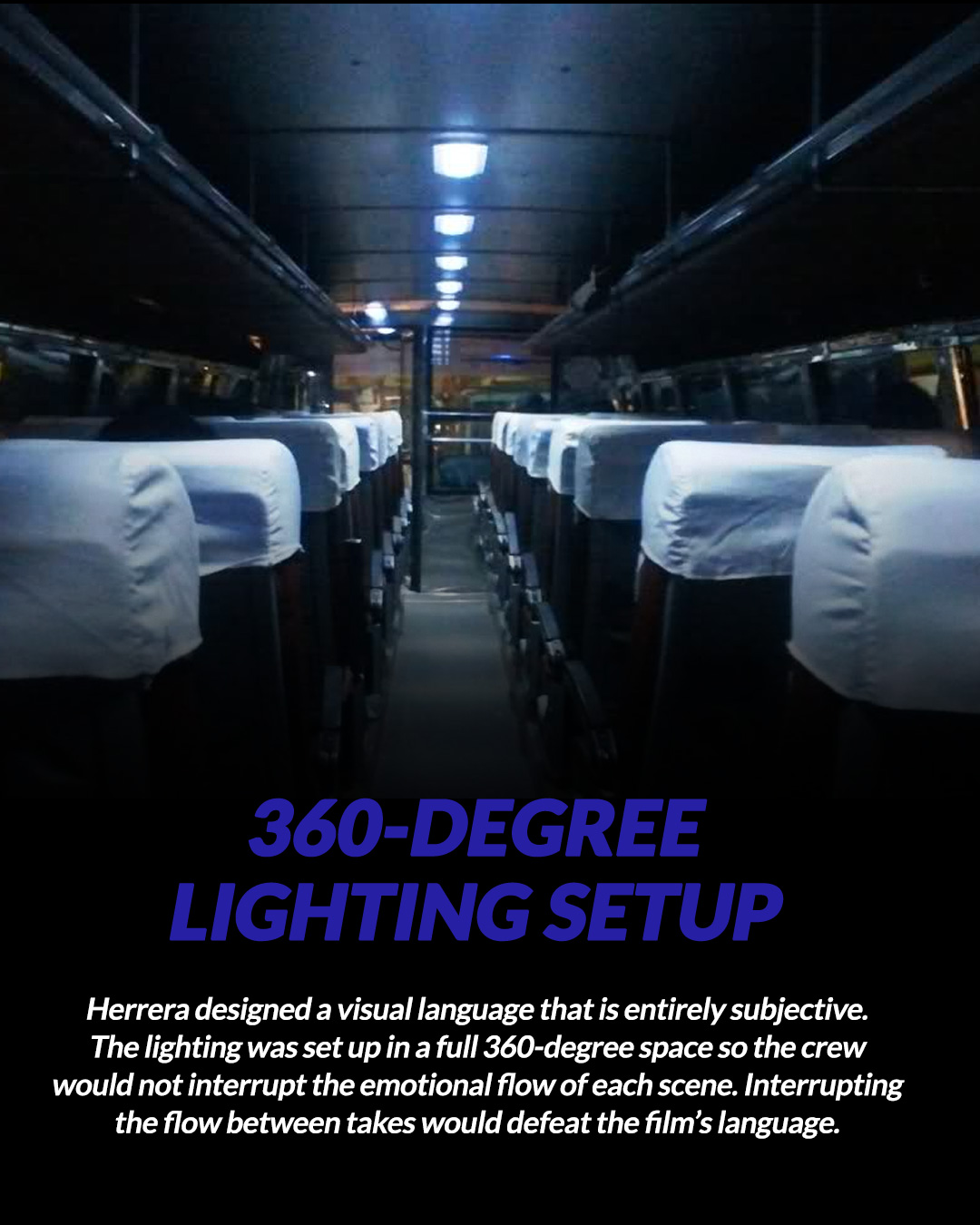
The challenge was formidable: capture a protagonist's escalating mental deterioration within the confines of a real moving bus, navigating the bustling streets of Ciudad Juarez, all while laying the groundwork for complex VFX. The sequence demanded not just authentic street-level realism but also specific, real-sun flares to serve as practical elements for later ghost appearances in post-production. And for all this, Herrera and her team had a single afternoon. This isn't just filmmaking; it's a high-wire act of visual engineering.
The Sun as a Character
Herrera's approach to the bus sequence wasn't merely about capturing light; it was about sculpting it. As she recounted to the ASC, “We had to chase the sun so that it was always on the same side, as the bus pushed through the streets of Juarez, and we only had one afternoon to make it work.” This seemingly simple directive reveals a profound understanding of light's psychological impact. By constantly repositioning to keep the sun consistent on one side, Herrera wasn't just maintaining continuity; she was imbuing the scene with a relentless, almost oppressive, quality of light. This consistent, directional sunlight, perhaps a harsh backlight or a searing side-light, becomes an active participant in Luz’s deteriorating state, mirroring her internal turmoil with external pressure.
"We had to chase the sun so that it was always on the same side, as the bus pushed through the streets of Juarez, and we only had one afternoon to make it work."
The decision to bake in practical sun flares for VFX ghost appearances is particularly astute. Instead of relying solely on digital effects to generate these ethereal elements from scratch, Herrera provided a tangible, organic foundation. This technique grounds the fantastical in reality, making the eventual supernatural intrusions feel more integrated and less artificial. It's a hallmark of DPs who understand the symbiotic relationship between production and post-production, designing shots not just for what they capture, but for what they enable.
Mastering Subjectivity: Lens, Frame, and Frame Rate
Beyond the technical acrobatics of sun-chasing, Herrera’s overarching philosophy for The Huntress was one of unwavering subjectivity. The film’s visual language is meticulously aligned with Luz’s perspective, a bold artistic choice that places the audience squarely within the protagonist's fracturing mind. This commitment likely informed every decision, from lens choice to camera movement. One can imagine Herrera opting for lenses that offer a particular character – perhaps vintage glass for its organic flares and softer fall-off, or modern anamorphics for their distinctive bokeh and shallow depth of field, immersing us in Luz's immediate, often distorted, reality.
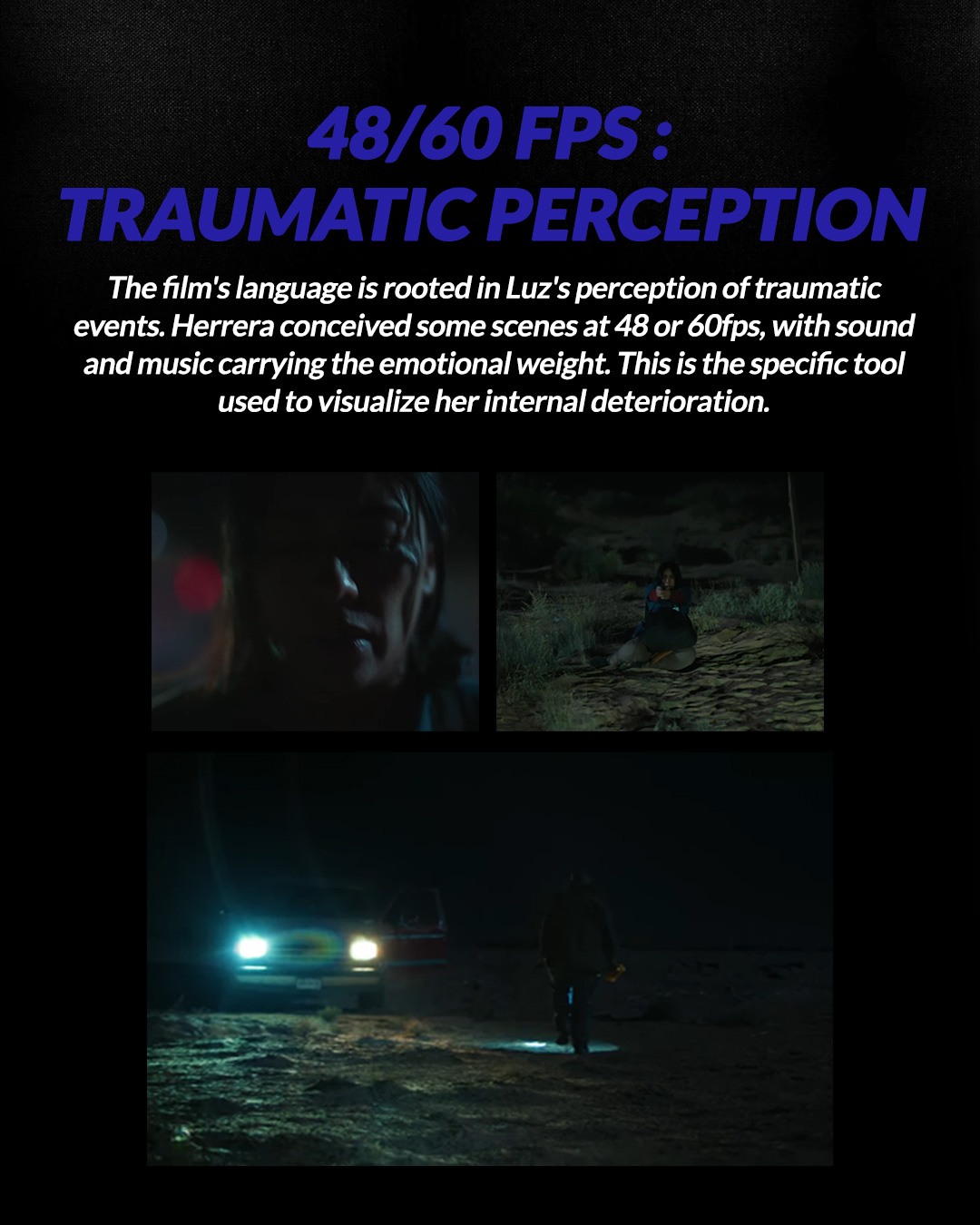
The varying frame rates – conceiving some scenes at 48 or 60fps – further underscore this subjective approach. High frame rates, often used to create hyper-real clarity or to emphasize slow motion, can here be employed to disorient, to heighten a moment of panic, or to stretch a perceived second into an eternity. This manipulation of time, combined with the film’s reliance on sound and music to carry emotional weight when the image alone couldn’t, speaks to a holistic understanding of cinematic storytelling. Herrera understands that cinematography is not just about what is seen, but how it makes us *feel*.
Herrera’s filmography, while diverse, often showcases a nuanced approach to character-driven narratives, where the camera acts as an extension of the protagonist’s inner world. Her work on The Huntress elevates this to a new level, transforming logistical constraints into creative opportunities. The bus sequence is more than just a visually striking moment; it's a masterclass in how a cinematographer can harness natural light, collaborate with post-production, and manipulate cinematic tools to plunge an audience deep into a character's psychological landscape. It's a powerful reminder that true cinematography is as much about intention and ingenuity as it is about equipment.