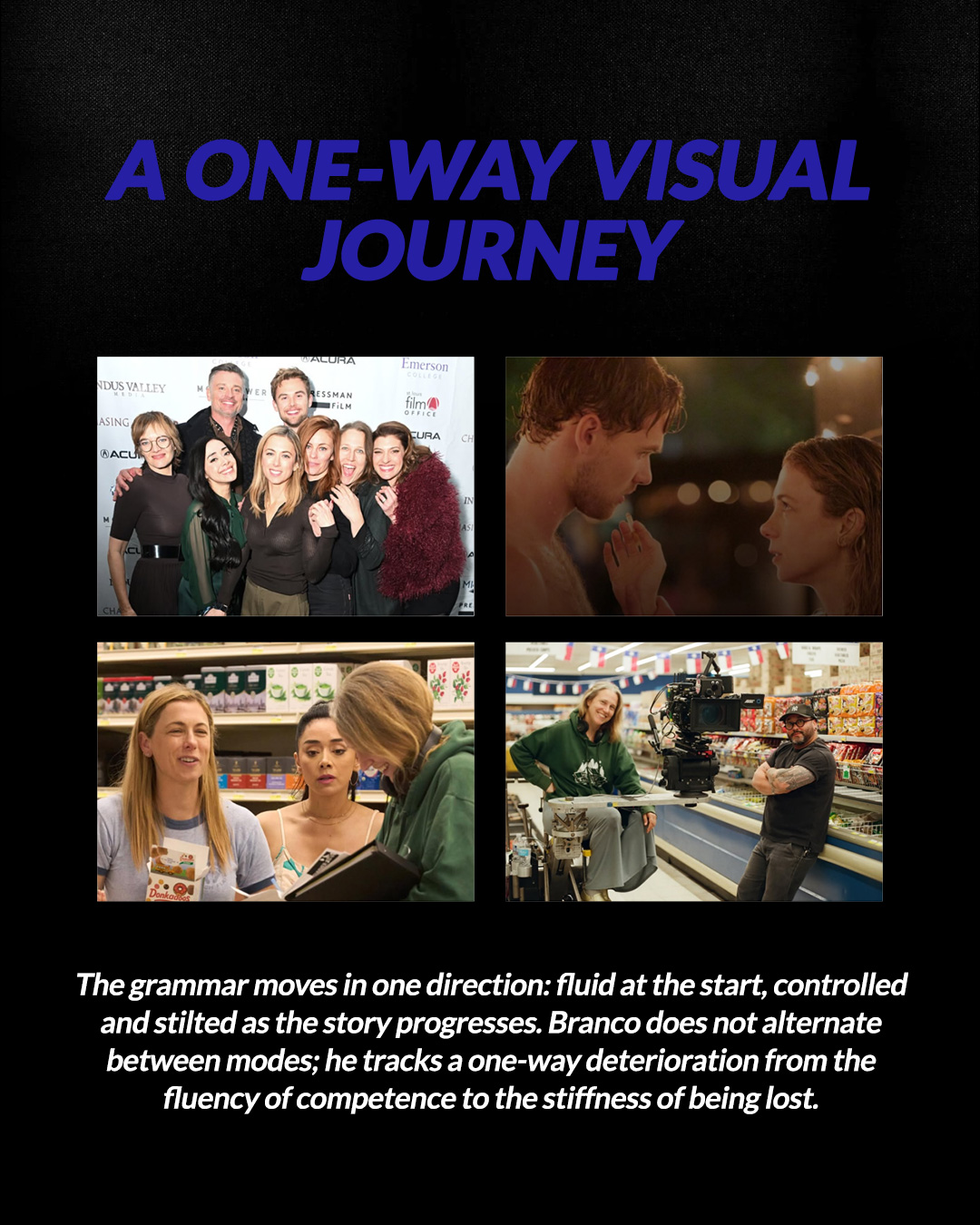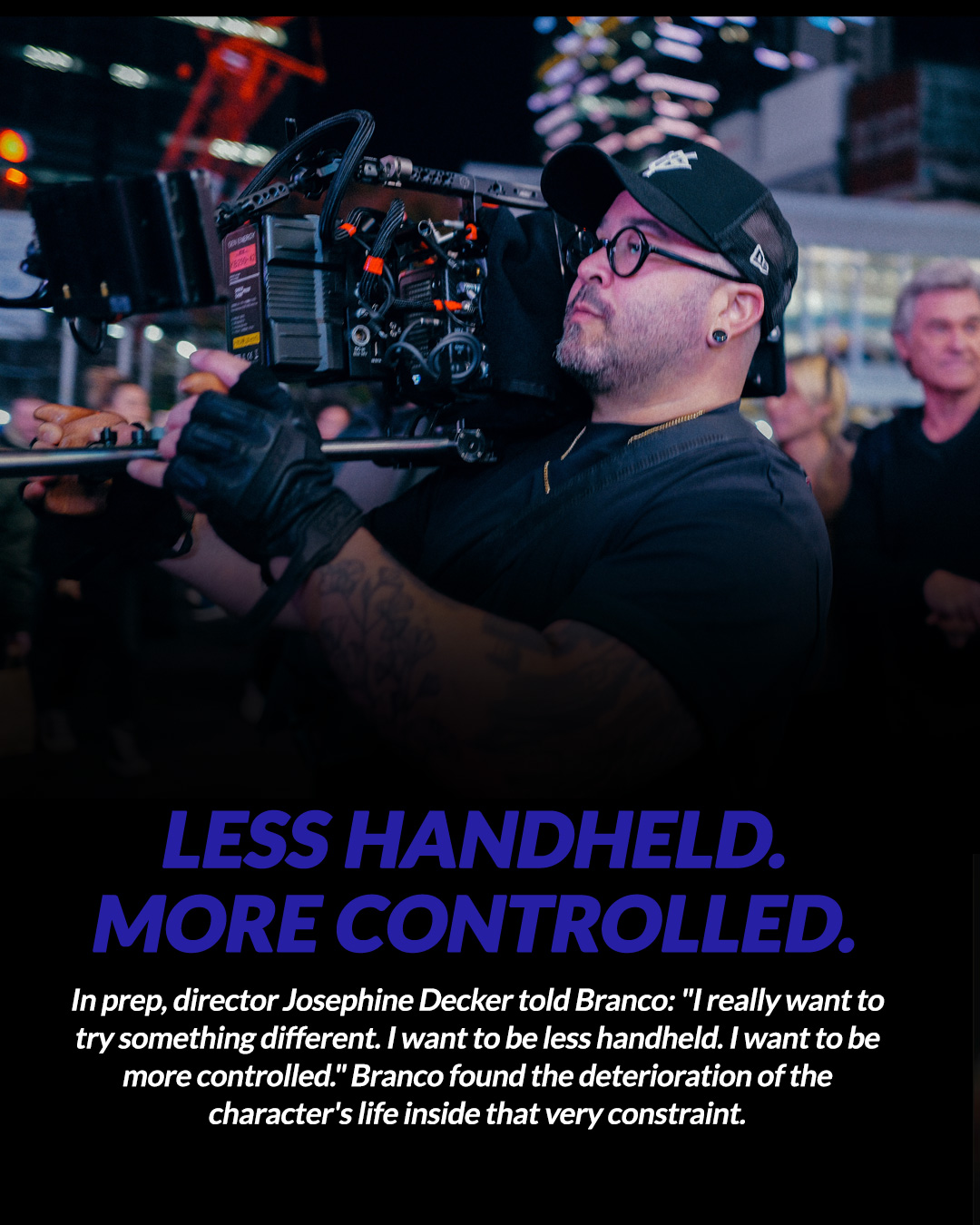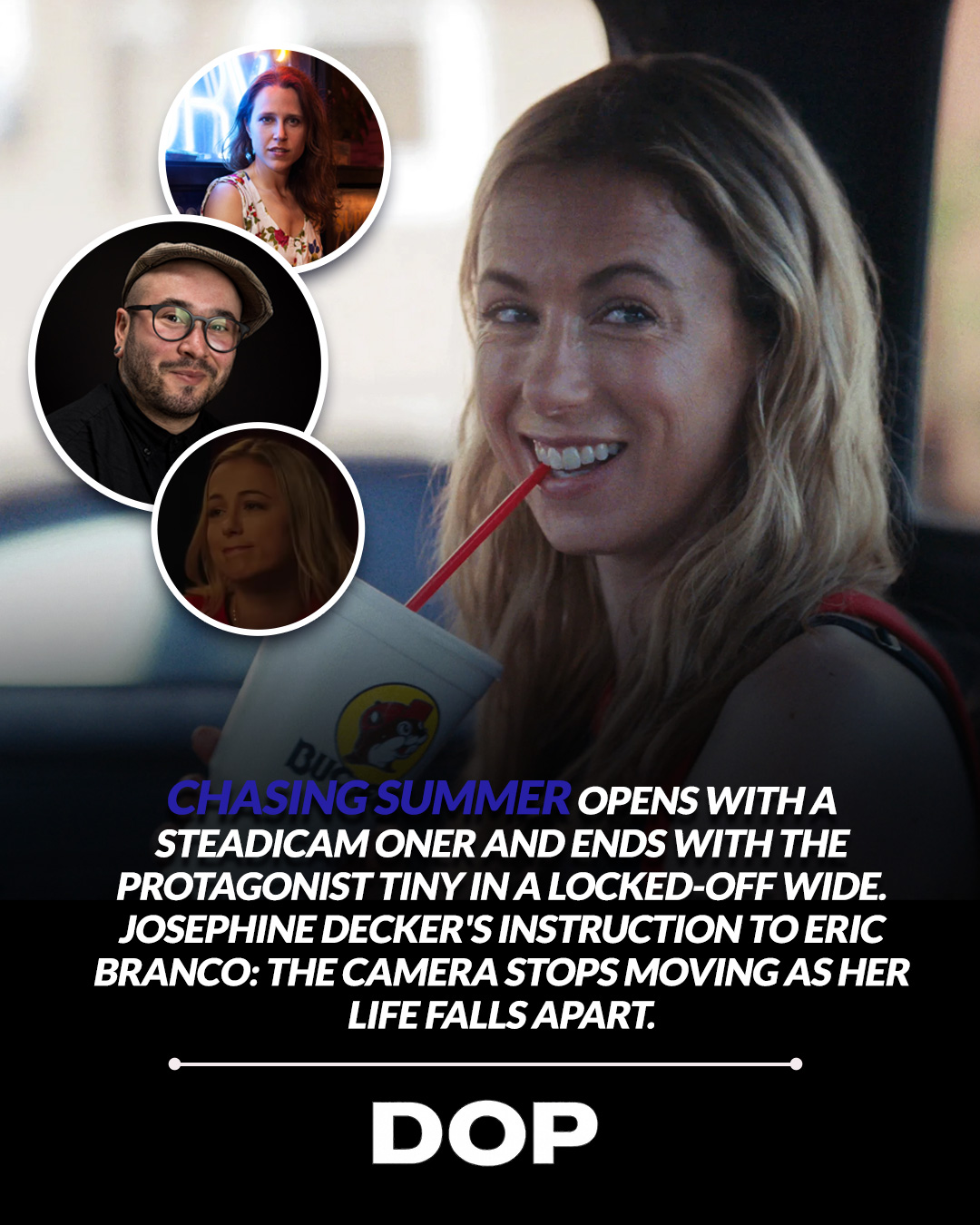
In the often-chaotic and deeply humanistic work of Josephine Decker, one might expect a visual language as fluid and untethered as her narratives. Yet, with Chasing Summer, which premiered to critical buzz at Sundance 2026, Decker, alongside her cinematographer Eric Branco ASC, has orchestrated a visual journey that is as daring in its restraint as it is profound in its emotional impact. The film's core conceit, as succinctly articulated by Decker to Branco during pre-production, was a deliberate move away from her signature handheld intimacy towards a more controlled, almost clinical observation, where the camera's movement—or lack thereof—becomes a direct metaphor for the protagonist's disintegrating life.
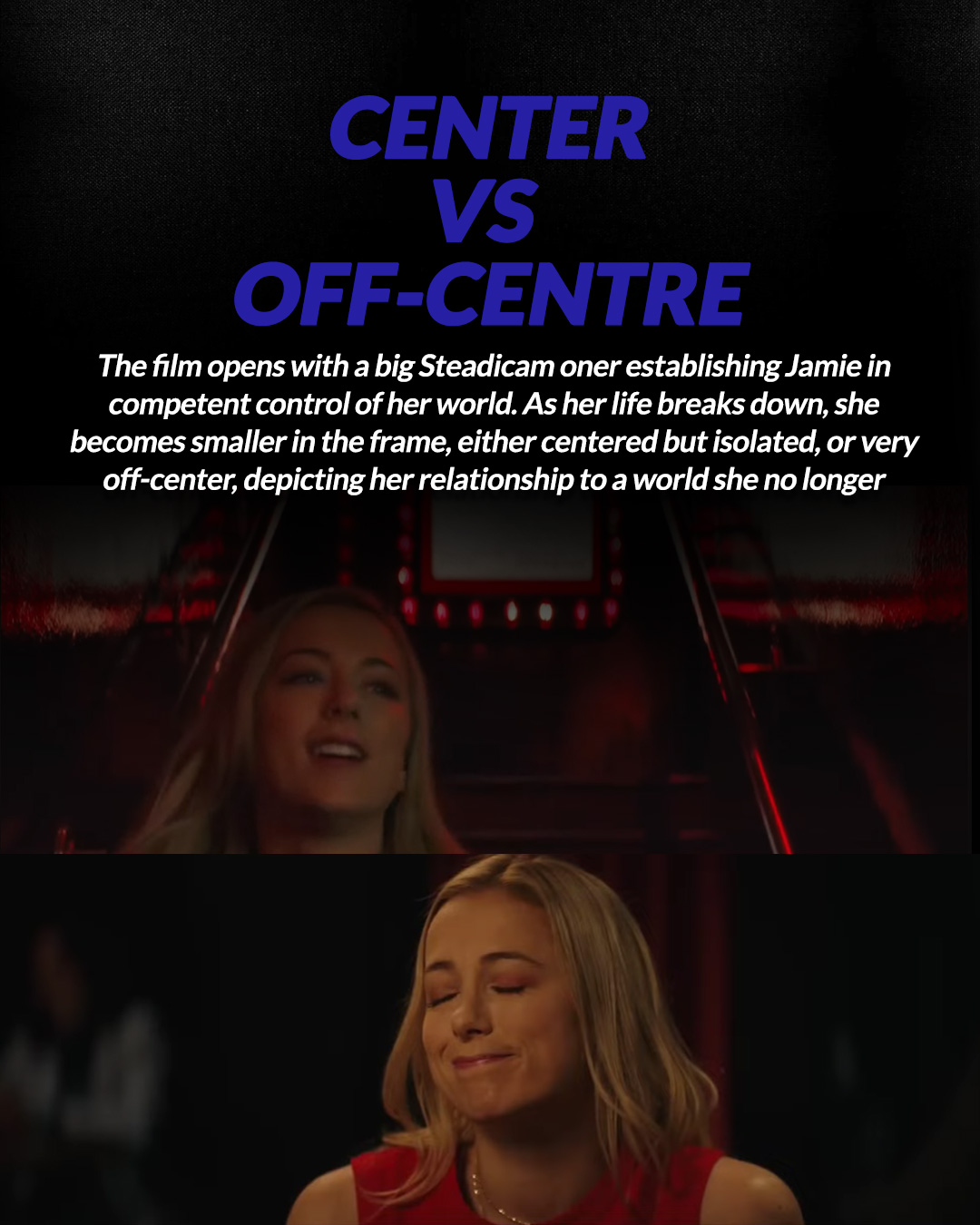
The film opens with a breathtaking Steadicam oner, a sequence that immediately establishes Iliza Shlesinger’s character, Jamie, as a woman in command, navigating her world with a confident, almost effortless grace. This opening shot is not merely a technical flex; it is a crucial piece of visual exposition. The Steadicam, with its inherent fluidity and ability to glide seamlessly through space, perfectly embodies Jamie's initial state of control and agency. It's a dance between performer and operator, a visual symphony of purpose and direction. One can imagine Branco, a DP known for his versatile approach and keen eye for emotional nuance, meticulously choreographing this sequence, likely with an ARRI Alexa Mini LF for its dynamic range and naturalistic color science, paired with perhaps a set of vintage anamorphic lenses to imbue the early frames with a touch of lyrical grandeur and a sense of expansive possibility.
The Unraveling: From Flow to Rigidity
What makes Chasing Summer's visual strategy so compelling is its one-way trajectory. Decker's directive to Branco was clear: 'The camera stops moving as her life falls apart.' This isn't a subtle shift; it's a deliberate and increasingly stark transformation of the visual grammar. As Jamie, a trained relief worker, returns to her Texas hometown and her life begins to unravel, the camera's fluency gives way to a profound stiffness. The Steadicam, once a symbol of her mastery, is gradually abandoned. Branco transitions from dynamic movement to increasingly static, locked-off frames, a choice that speaks volumes about Jamie's diminishing control over her circumstances.
“The visual grammar moves in one direction only. Branco tracks a one-way deterioration from fluency to stiffness.”
This progressive immobilization of the camera is a masterful stroke of visual storytelling. It forces the audience to confront Jamie's vulnerability, her increasing isolation, and the stark reality of her predicament. The once-expansive frames of the Steadicam oner give way to compositions that feel almost oppressive in their stillness. Branco, perhaps utilizing a combination of dolly shots that become increasingly less mobile, and eventually, purely locked-off tripod shots, meticulously charts this decline. The choice of lens also likely evolves; perhaps moving from wider, more encompassing primes to increasingly longer, more isolating focal lengths, emphasizing Jamie's shrinking world and her diminished presence within it.
The Power of Stillness: Framing Despair
By the film's conclusion, the visual language is stark. Jamie is depicted as tiny within wide, locked-off frames. This isn't just an aesthetic choice; it's a profound statement on her psychological and emotional state. The awkward framing, the vast negative space surrounding her, serves to accentuate her profound loneliness and insignificance in the face of overwhelming personal turmoil. Branco's lighting philosophy here would undoubtedly shift from the warm, inviting glow of the opening scenes to something colder, more naturalistic, perhaps even harsh – utilizing practicals and available light to underscore the raw, unvarnished reality of Jamie's situation. The color palette, too, would likely desaturate, mirroring the fading vibrancy of her life.
This deliberate visual progression is a testament to the power of a well-conceived cinematographic plan. It highlights the collaborative genius between Decker and Branco, where every camera choice, every movement (or lack thereof), serves the narrative's emotional core. For cinematographers, Chasing Summer offers a masterclass in using visual language not just to show, but to feel. It demonstrates how the very mechanics of filmmaking – the sensor's capture, the lens's perspective, the camera's physical presence – can be wielded as potent tools for psychological insight. The film’s opening Steadicam oner isn't just a technical achievement; it's the last fleeting moment of grace before the visual world itself conspires to reflect a life in profound disarray. It’s a powerful reminder that sometimes, the most impactful cinematography is found in the courage to stand still.
This article contains affiliate links. We may earn a small commission at no extra cost to you. Learn more.