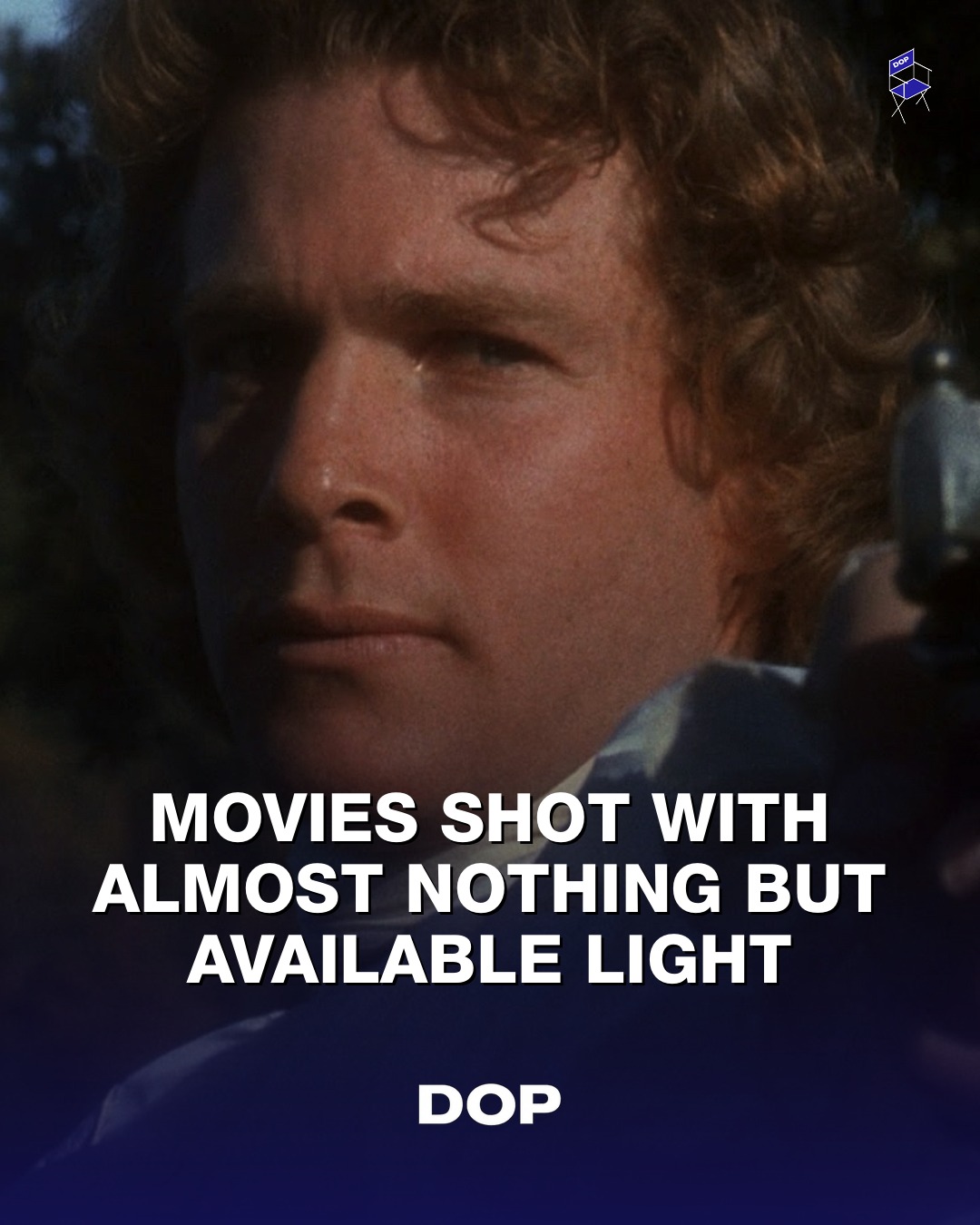
The allure of natural light, particularly the warm, flickering glow of a candle or the fleeting magic of 'magic hour,' has captivated cinematographers for generations. It’s a pursuit of authenticity, a challenge to conventional lighting, and often, a testament to a DP’s ingenuity and artistic vision. The Instagram caption you’ve provided is a masterclass in highlighting these cinematic triumphs, drawing parallels between legendary figures like John Alcott and contemporary artists such as Jarin Blaschke and Joshua James Richards. It's a reminder that sometimes, the most profound images are born from the simplest, most organic light sources.
John Alcott's work on Stanley Kubrick's Barry Lyndon remains the gold standard for natural light cinematography. The legend of the custom-modified Zeiss Planar 50mm f/0.7 lenses, originally developed for NASA’s Apollo program, is not just a technical footnote; it’s the very foundation of the film’s ethereal, painterly aesthetic. These lenses, opening to an unprecedented f/0.7, allowed Alcott to capture scenes lit solely by candlelight, a feat that defied the technological limitations of the era. The decision to commit to this lighting philosophy wasn't merely stylistic; it was integral to Kubrick's vision of recreating 18th-century Europe with an almost documentary-like fidelity, immersing the audience in the warmth and intimacy of a pre-electric world. Alcott's Academy Award for this achievement wasn't just for technical prowess but for redefining what was possible with available light.
The Fleeting Glow: Dusk, Dawn, and Determination
The pursuit of natural light often means a race against time, a dance with the sun's rhythm. Nestor Almendros, a master of naturalism, famously shot much of Terrence Malick’s Days of Heaven during the 'magic hour', those brief twenty minutes of usable light at dusk. His approach was a stark contrast to the heavily lit, controlled sets prevalent at the time, favoring the soft, golden, and often melancholic glow of twilight. Almendros's philosophy was about stripping away artificiality, allowing the natural environment to dictate the mood and texture of the image. While Haskell Wexler, another titan of cinematography, completed a significant portion of the film after Almendros's departure, the indelible visual signature of those magic hour sequences remains Almendros’s triumph, earning him a well-deserved Oscar.
“The pursuit of natural light often means a race against time, a dance with the sun's rhythm.”
This dedication to specific natural light conditions isn't unique to the past. Joshua James Richards's breathtaking work on Chloé Zhao's Nomadland is a contemporary homage to this tradition. Richards built the film's visual language around sunrise and sunset, utilizing the vast, open landscapes of the American West as his canvas. With Frances McDormand often performing in real locations, the cinematography became an extension of the environment, capturing the raw beauty and the transient nature of the nomadic life. Richards's choice of an Arri Alexa Mini LF, often paired with vintage lenses, allowed for a nuanced capture of light and shadow, delivering a film that feels both epic and intimately personal.
Mastering the Flame: Candlelight & Hearth
Beyond the sun, the humble flame has been a profound source of inspiration. Jarin Blaschke's cinematography for Robert Eggers’s The Witch is a chilling example of this. Shot across a mere 26 days in Illinois and Canada, Blaschke committed to lighting the film almost exclusively by candle and hearth. This wasn't merely a stylistic choice; it was a narrative imperative, immersing the audience in the oppressive, claustrophobic world of 17th-century Puritan New England. Blaschke's meticulous planning, understanding how these light sources would interact with the period-appropriate sets and costumes, created a palpable sense of dread and authenticity. His use of a custom-modified Arri Alexa M with vintage Baltar lenses further enhanced the film's period feel, adding a subtle softness and unique flare characteristics that complemented the flickering light.
Similarly, Sven Nykvist, Ingmar Bergman's frequent collaborator, demonstrated an almost spiritual dedication to understanding light. For Winter Light, Nykvist spent a month observing how light moved through a Swedish church, studying its nuances and characteristics before even beginning to shoot. This level of preparation exemplifies the craft at its highest, recognizing that light isn't just about illumination, but about mood, character, and narrative. His ability to capture the stark, often melancholic beauty of natural light became a hallmark of Bergman's films, establishing a visual language that was both profound and deeply human.
The stories of Geoffrey Unsworth on Tess, who tragically passed away three weeks into production, with Ghislain Cloquet finishing the film and Unsworth posthumously winning the Oscar, further underscore the profound impact a cinematographer has on a film's visual identity. Unsworth's initial vision for Tess, inspired by Thomas Hardy's novel, was to create a film of breathtaking pastoral beauty, often using soft, diffused natural light to evoke a sense of romanticism and tragedy. Cloquet, stepping in, meticulously honored Unsworth's aesthetic, ensuring the film's visual continuity and ultimately, its enduring legacy.
These cinematographers, from Alcott's audacious f/0.7 experiments to Blaschke's fiery commitment, demonstrate that the most compelling images often emerge from a deep respect for natural light, combined with technical mastery and an unyielding artistic vision. Whether it's the meticulous planning for a month in a church or the fleeting moments of magic hour, their work reminds us of the power of light, in its purest forms, to tell stories that resonate deeply on the big screen.
This article contains affiliate links. We may earn a small commission at no extra cost to you. Learn more.