In the intricate ballet of visual storytelling, few elements hold as much silent power as camera placement. It's the cinematographer's primal language, a non-verbal cue that shapes audience perception, elicits emotional responses, and establishes psychological dynamics long before dialogue or performance take center stage. For the seasoned DP, or the aspiring visual artist, understanding the profound impact of spatial relationships between camera and subject is not merely a technical consideration, but a fundamental pillar of narrative construction.
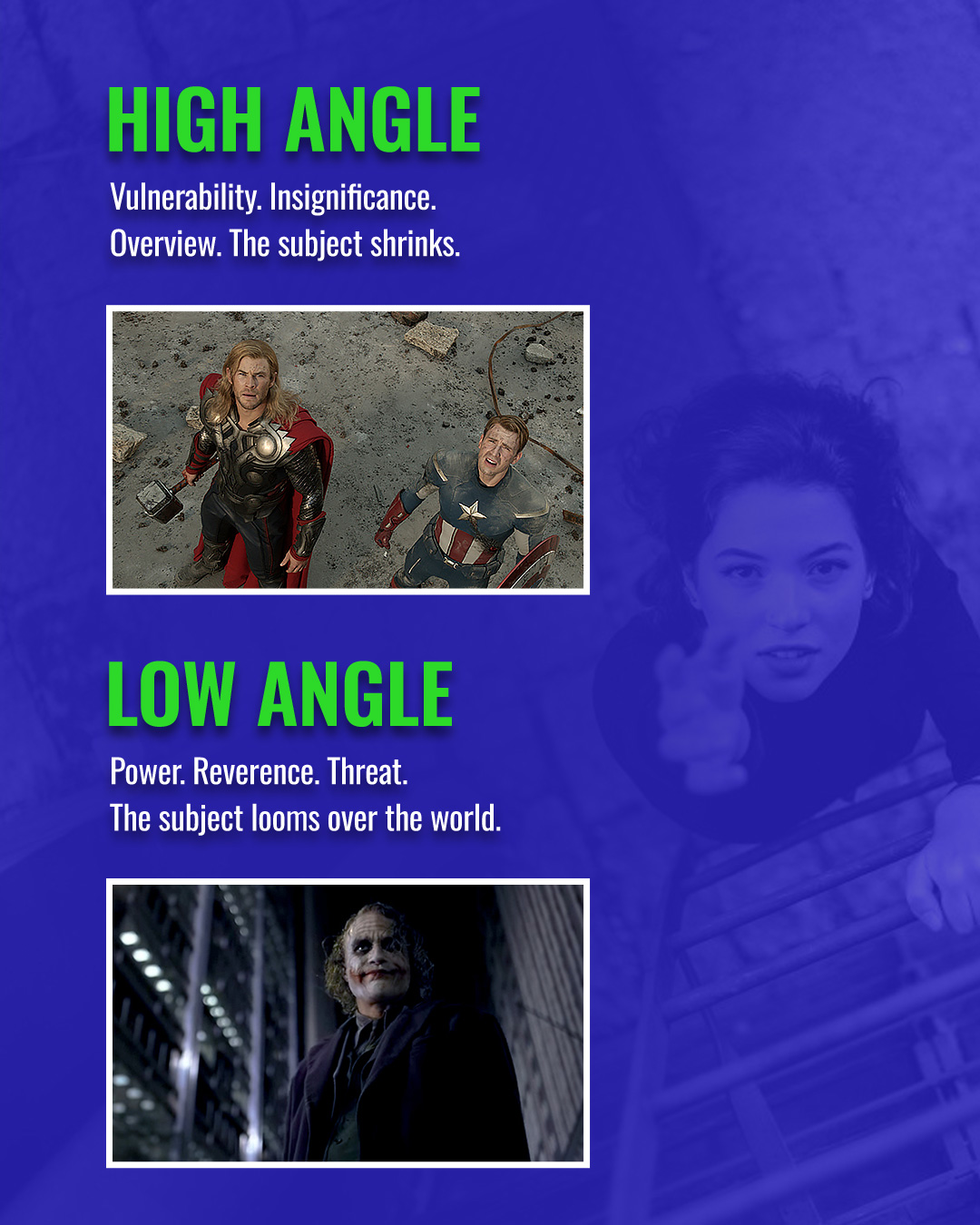
Consider the classic low angle, where the camera gazes upwards at its subject. This isn't merely an aesthetic choice; it's a deliberate act of psychological manipulation. By placing the viewer in a subordinate spatial relationship, the subject is instantly imbued with power, authority, or even menacing threat. Think of Orson Welles' iconic use of low angles in Citizen Kane, often shot from floor level, making Charles Foster Kane loom monumentally, a titan in his own, often suffocating, world. Cinematographer Gregg Toland, a master of deep focus and evocative framing, understood that this perspective could amplify Kane's ambition and isolation. Conversely, a high angle looking down immediately diminishes the subject, rendering them vulnerable, small, or observed by an omniscient, detached gaze. It's a technique often employed to emphasize helplessness or to create a sense of foreboding, as if the character is being watched by an unseen force.
The Psychology of Perspective
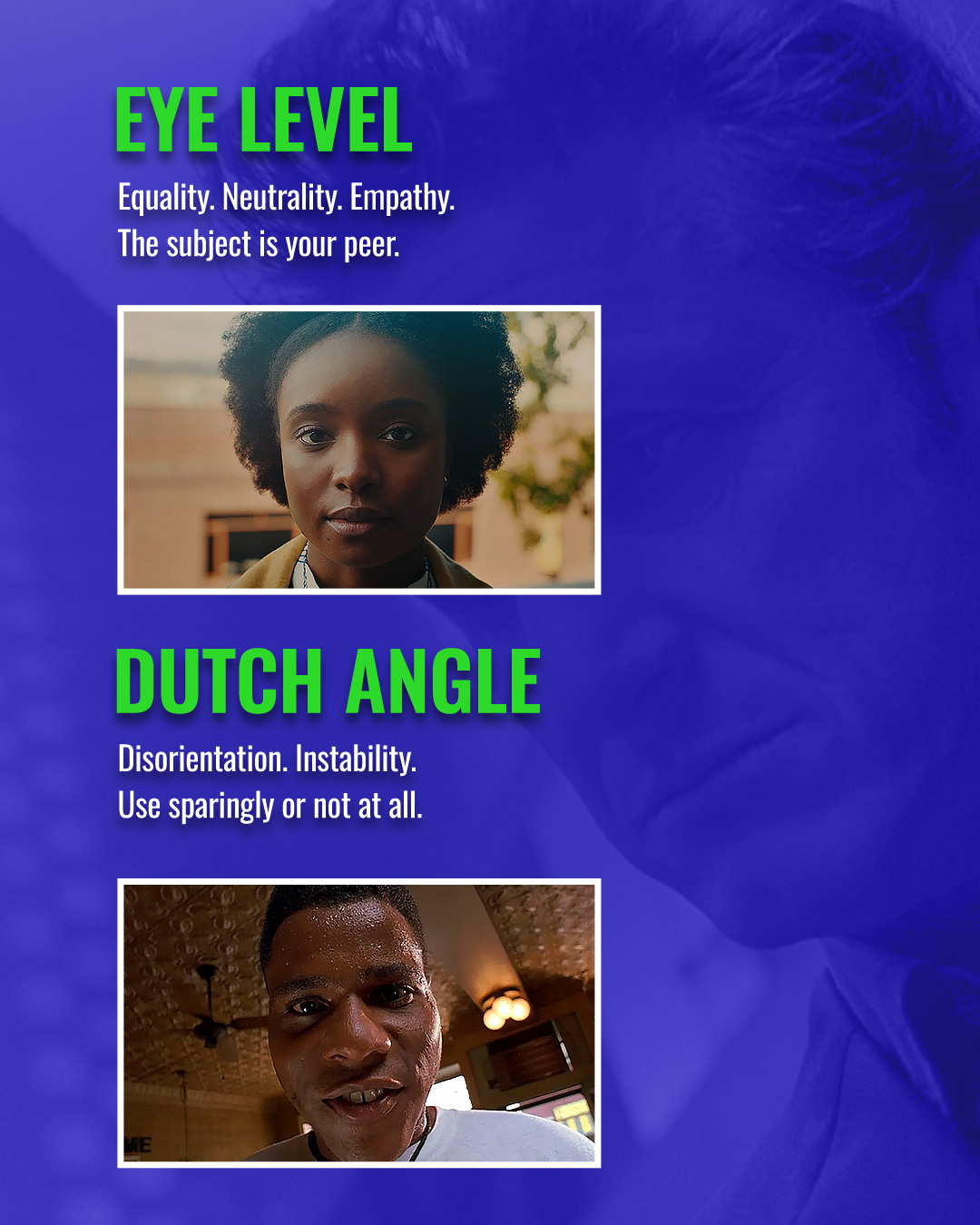
Eye-level framing, often considered the default, is anything but neutral. It's a deliberate act of establishing spatial equality, fostering a sense of empathy and direct connection. When the camera meets the subject at eye level, the audience is invited to witness, to participate on an equal footing, rather than being positioned above or below. This is the bedrock of naturalistic drama, where the goal is often to immerse the viewer in the character's experience without overt manipulation. Emmanuel Lubezki, known for his immersive and often intimate camera work in films like Birdman or The Revenant, frequently employs eye-level perspectives to ground the audience in the character's immediate reality, enhancing the visceral quality of their struggles.
Then there's the notorious Dutch angle – a canted, tilted frame that immediately signals disorientation, unease, or psychological instability. While potent when used judiciously, it's also, regrettably, one of the most frequently overused techniques in early-career cinematography. The allure of its immediate impact can lead to its gratuitous application, cheapening its effect and telegraphing rather than subtly suggesting. A true master like Roger Deakins, in a film like Sicario, might use a slight, almost imperceptible cant to suggest the moral ambiguity and unsettling nature of the world the characters inhabit, rather than a jarring, obvious tilt.
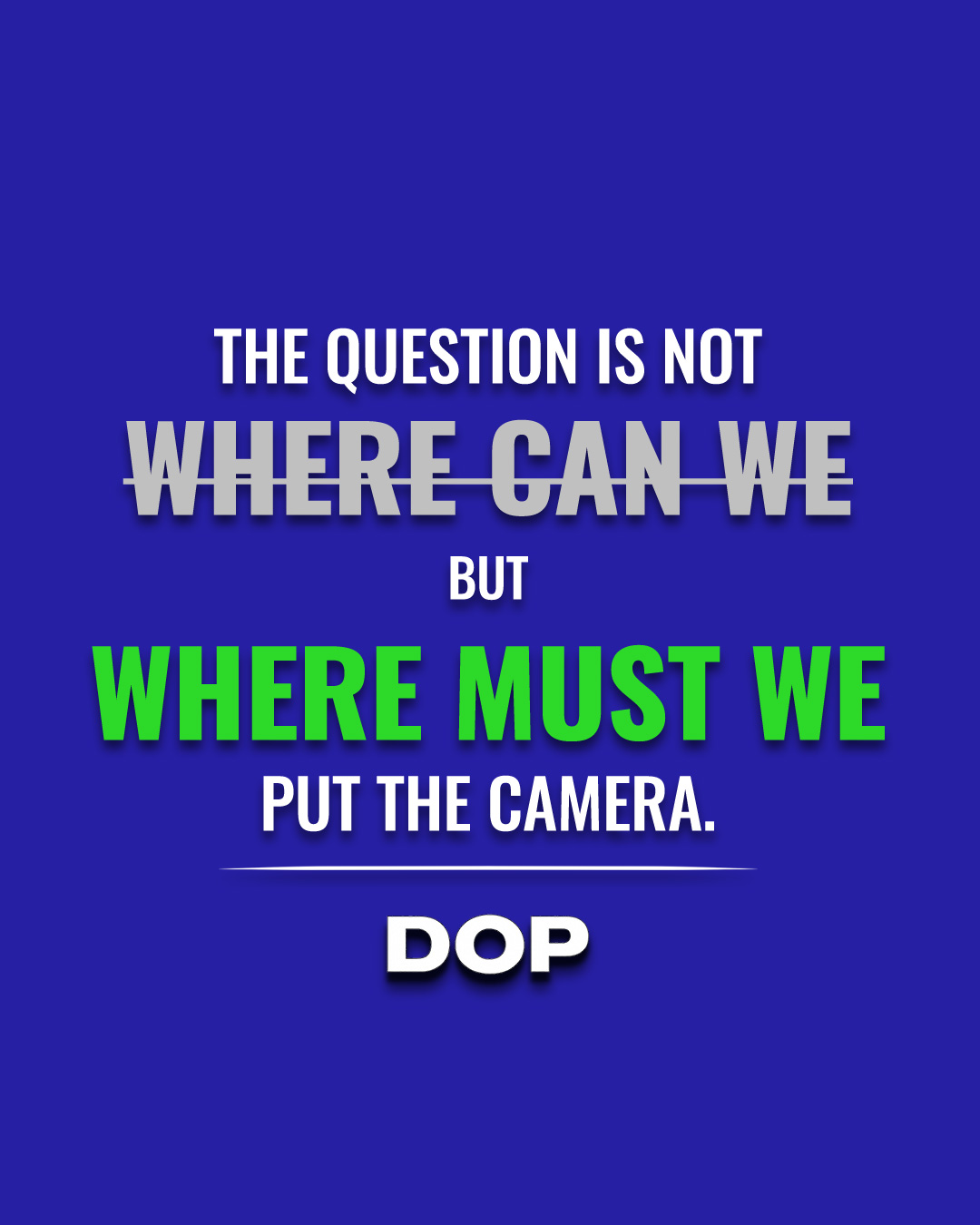
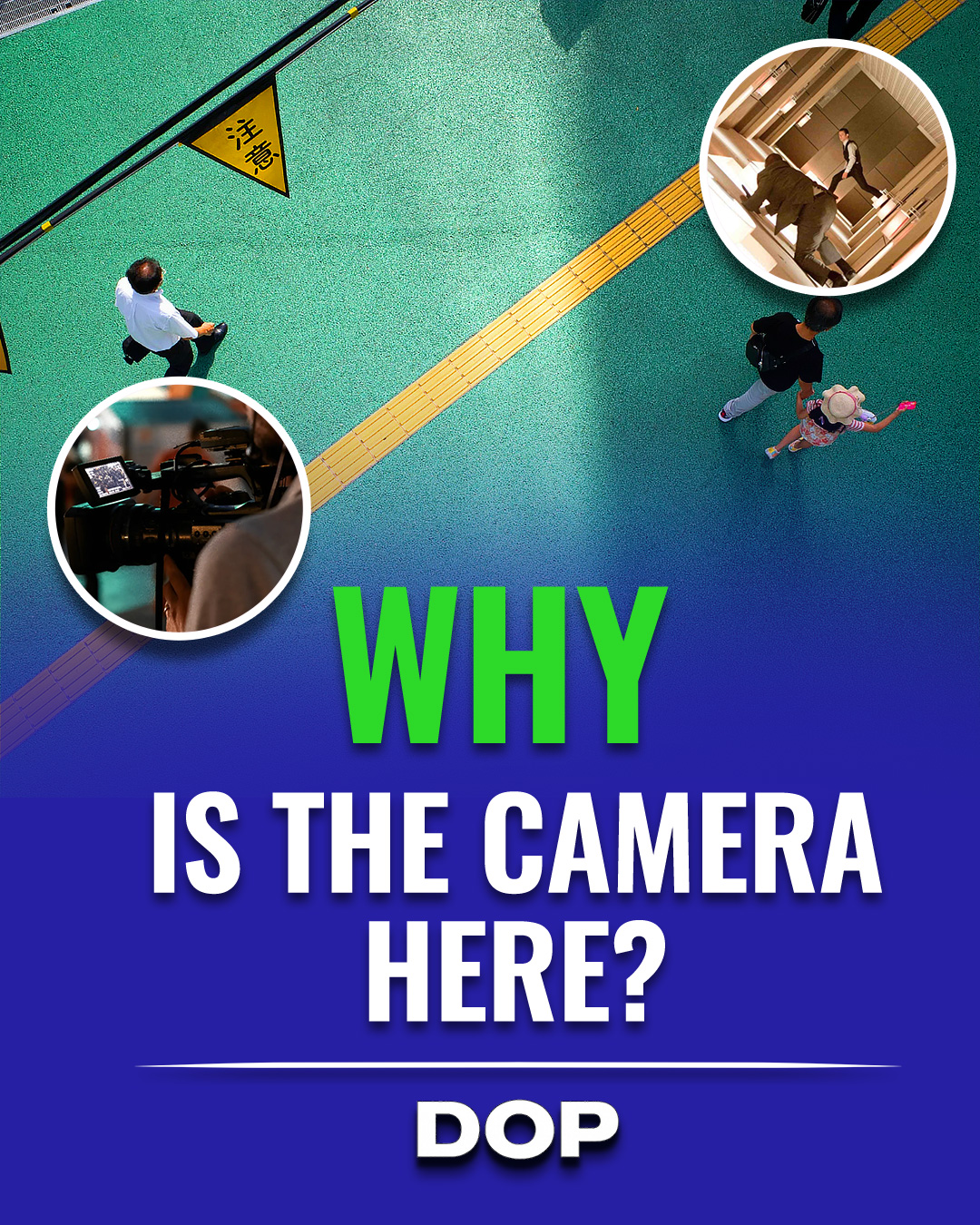
The question is not 'where can we put the camera?' but 'where must we put the camera for this specific moment?' If you cannot explain why the camera is in this exact position with this exact lens at this exact height, move it.
Beyond Arbitrary Choices
The discipline of cinematography demands that every camera position, every lens choice, every lighting setup, answers a specific question about what the audience should understand and feel in that precise moment. It's a profound responsibility. There is no room for arbitrary selection from a menu of available options. The camera isn't merely a recording device; it's a storyteller, an emotional conduit. If a DP cannot articulate the precise narrative and emotional rationale governing the camera's height, its distance, its angle, or the focal length of the lens chosen, then that placement is likely insufficient. It is a sign that the shot is not yet serving the story to its fullest potential.
This philosophy extends to every technical decision. Why an ARRI ALEXA LF with Signature Primes for their smooth fall-off and organic rendering, rather than a RED MONSTRO with anamorphic glass for its wide aspect ratio and unique bokeh? Why a soft, diffused key light from a 12x12 frame overhead, rather than a hard, directional source from a 5K Fresnel? These are not random choices; they are calculated decisions based on the desired emotional texture, the character's internal state, and the overarching thematic goals of the scene. The best cinematographers are those who deeply understand the psychological weight of their tools and employ them with surgical precision, elevating craft to artistry.