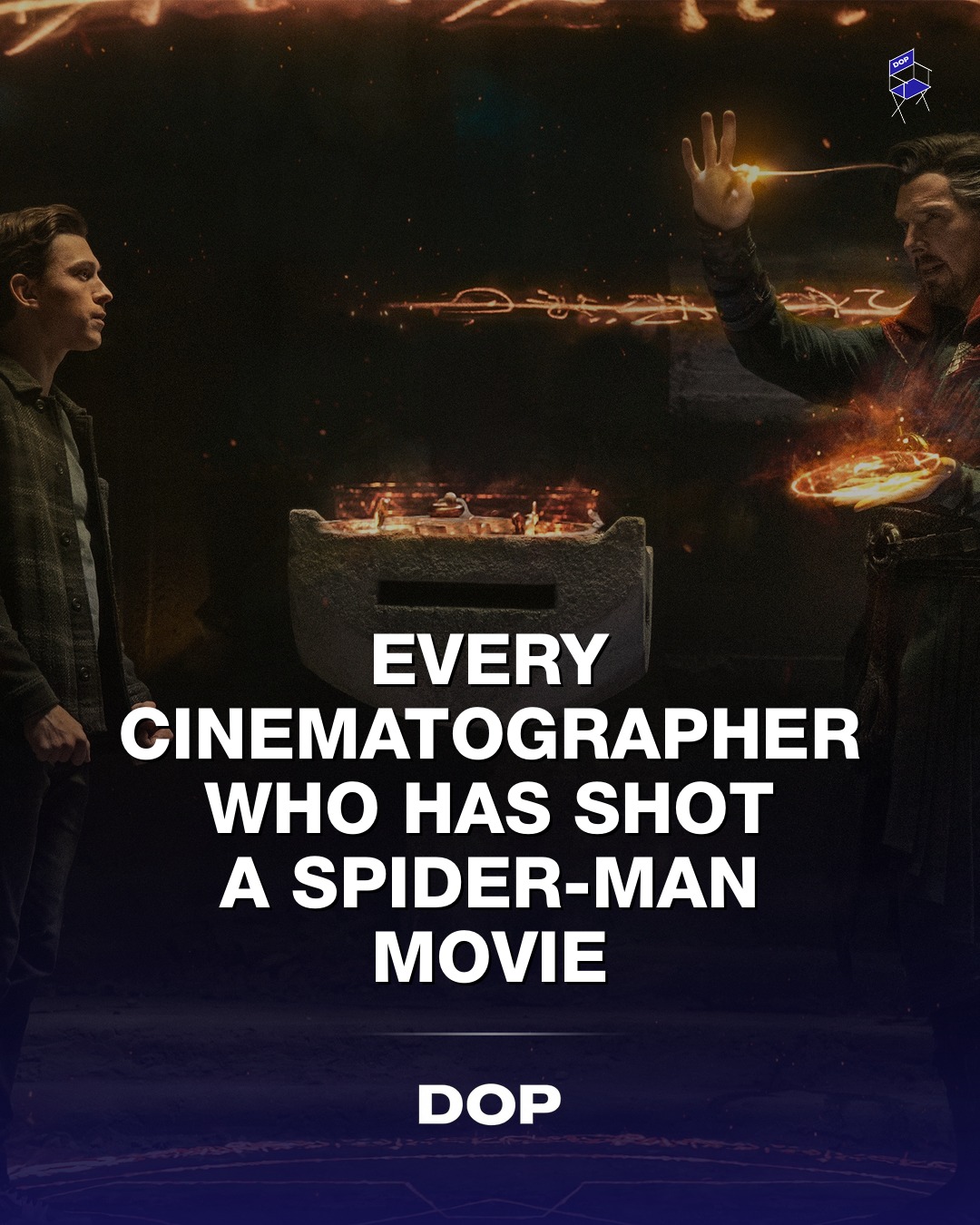
The cinematic tapestry of Spider-Man is as rich and varied as the hero's rogue's gallery, with each iteration bringing a fresh visual perspective to the beloved web-slinger. As Spider-Man: Brand New Day prepares to swing into theaters, all eyes are on cinematographer Brett Pawlak, marking his continued collaboration with director Destin Daniel Cretton, a partnership that dates back to the poignant indie gem Short Term 12. This latest installment places Pawlak in a unique position: the tenth cinematographer to lens the iconic character in live-action, a testament to the enduring appeal and constant reinvention of Spider-Man's world.
Pawlak's filmography, particularly his work with Cretton on films like The Glass Castle and the blockbuster Shang-Chi and the Legend of the Ten Rings, suggests a DP with a keen eye for both intimate character study and large-scale action. His ability to ground fantastical elements in a palpable reality, often through naturalistic lighting and a sensitive camera, bodes well for a character as inherently human as Peter Parker. One can anticipate a visual language that balances the high-flying spectacle with the emotional weight of Peter's journey, perhaps leaning into a more tactile, less overtly stylized aesthetic than some of its predecessors.
The Visual Legacy of Spider-Man
To fully appreciate Pawlak's contribution, it's essential to look back at the visual architects who built the foundations of Spider-Man's live-action world. Salvatore Totino, with his work on Spider-Man: Homecoming, established the vibrant, sun-drenched aesthetic that defined the initial MCU trilogy. Totino's choice of anamorphic lenses, likely Panavision G-Series or C-Series, contributed to the film's widescreen grandeur and subtle optical imperfections, lending a classic cinematic feel to the modern superhero narrative. His lighting often embraced practical sources and a bright, youthful palette, perfectly capturing Peter's early, optimistic adventures.
"Each cinematographer brings their own brush to the canvas, painting a unique visual chapter in the ongoing saga of Spider-Man. It's a testament to the character's versatility and the power of cinematic interpretation."
Following Totino, Matthew J. Lloyd took the reins for Spider-Man: Far From Home, evolving the visual language towards a slightly darker, more grounded, and often grittier look, particularly evident in the European sequences. Lloyd, known for his work on films like The Farewell, often favors a more naturalistic approach, utilizing available light and a less overtly glossy finish. This shift allowed for a subtle maturation of Peter's character, reflecting the increased stakes and emotional complexity he faced. His likely use of spherical lenses, possibly ARRI Signature Primes, would have offered a cleaner, more contemporary image, contrasting with Totino's anamorphic aesthetic.
Mauro Fiore, a seasoned DP with an Oscar for Avatar, then helmed Spider-Man: No Way Home, a film that shattered box office records with its staggering $1.92 billion haul. Fiore's visual approach was necessarily grander, tasked with weaving together multiple cinematic universes and tones. His work balanced the intimate character moments with bombastic, multi-dimensional spectacle. The lighting in No Way Home was often dramatic and contrasty, particularly in the climactic sequences, employing sophisticated LED lighting rigs and complex VFX integration to create truly memorable, often breathtaking, imagery. The sheer scale and ambition of the film demanded a DP who could masterfully blend practical and digital elements, and Fiore delivered.
Anticipating Pawlak's Vision
Given this rich lineage, what can we expect from Brett Pawlak in Spider-Man: Brand New Day? His collaboration with Cretton is characterized by a commitment to authenticity, even within fantastical narratives. In Shang-Chi, Pawlak demonstrated a remarkable ability to capture both the intimate, character-driven drama and the expansive, visually stunning action sequences. He often employs a fluid camera, keeping the audience connected to the character's perspective, and his lighting tends to be motivated and purposeful, enhancing the emotional beats of the story without drawing undue attention to itself.
It's plausible that Pawlak might lean into a more organic, perhaps even slightly desaturated, color palette compared to Totino's vibrant hues, creating a visual tone that feels both contemporary and grounded. His lens choices could favor a set known for its clean, yet characterful, rendition, perhaps something like the ARRI Signature Primes or even modern Cooke S7/i lenses, which offer a beautiful balance of sharpness and pleasing fall-off. The sensor choice, likely an ALEXA LF or Mini LF, would provide excellent dynamic range and color science, crucial for capturing both the intricate details of Spider-Man's suit and the epic scope of his battles.
Ultimately, the beauty of the Spider-Man cinematic universe lies in its visual evolution. Each cinematographer, from Totino's foundational brightness to Lloyd's grounded realism, and Fiore's multi-versal grandeur, has left an indelible mark. Now, Brett Pawlak steps into this storied legacy, poised to offer a fresh perspective that will undoubtedly intertwine his signature style with the enduring spirit of everyone's favorite friendly neighborhood Spider-Man. The question remains: which Spider-Man film, visually, resonates most deeply with you, and what new visual heights will Pawlak achieve?
This article contains affiliate links. We may earn a small commission at no extra cost to you. Learn more.