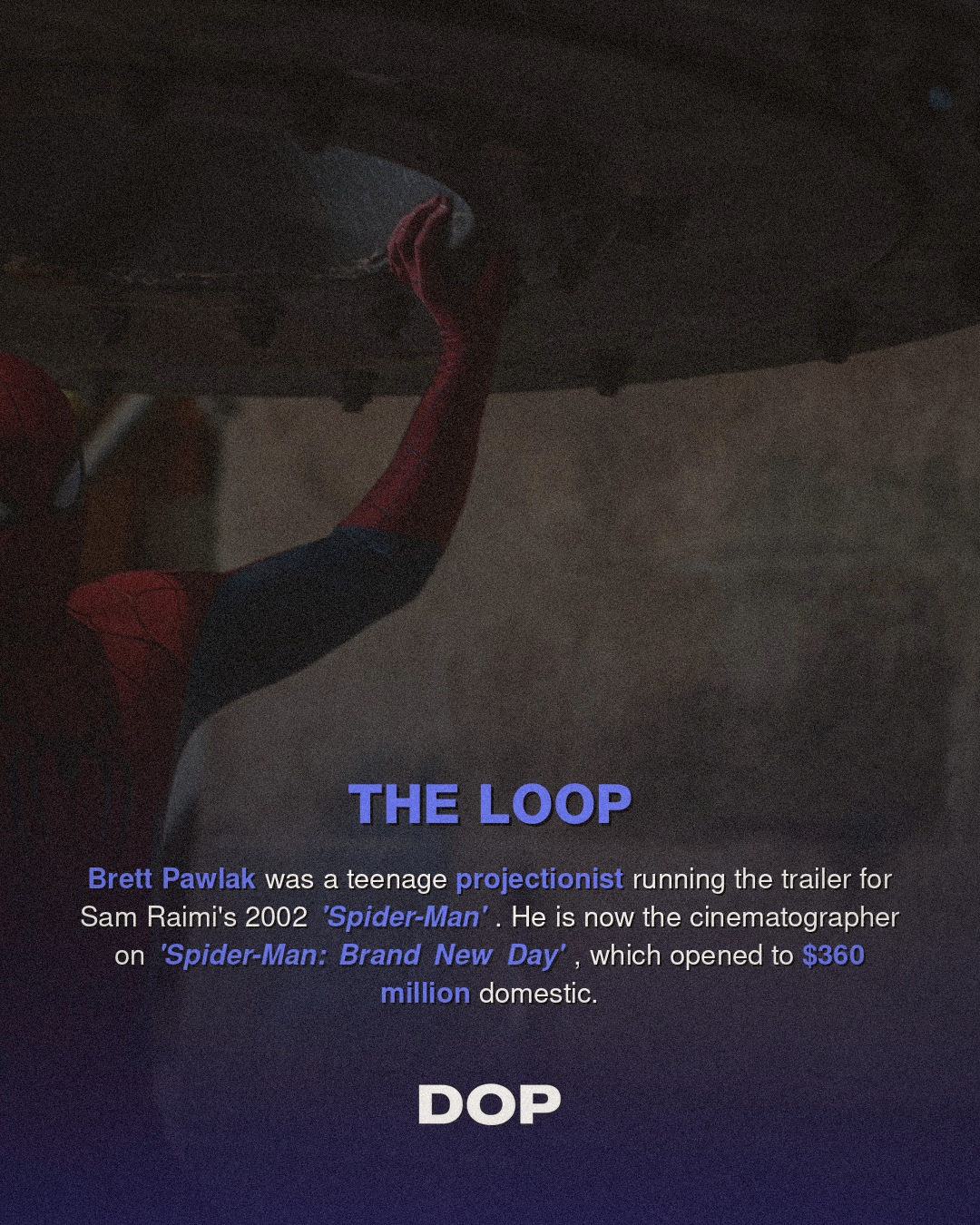
The journey from the flickering beam of a projection booth to the nuanced control of a cinema camera’s image sensor is one many cinematographers dream of, but few realize with such spectacular resonance. Brett Pawlak, the director of photography behind the monumental success of Spider-Man: Brand New Day, embodies this trajectory. A former teenage projectionist who once threaded the very trailer for Sam Raimi’s seminal 2002 Spider-Man, Pawlak has now delivered a visual spectacle that has captivated audiences and critics alike, evidenced by its staggering $360 million domestic opening weekend.
Pawlak’s approach to Brand New Day is a masterclass in marrying technological prowess with artistic intention. He opted for a large-format camera system, a choice that immediately signals an ambition for cinematic scale and immersive detail. While specific camera models are often guarded secrets during production, the visual language of the film strongly suggests a sensor with a significantly larger surface area than Super 35, likely a VENICE 2 or an ARRI ALEXA 65, chosen for its unparalleled resolution, shallower depth of field capabilities, and superior low-light performance. This choice allowed for breathtaking wide shots that envelop the viewer in New York City's sprawling urban landscape, while simultaneously rendering intimate close-ups with a painterly fall-off that isolates characters in moments of vulnerability or intensity.
Crafting a Comic-Inspired Aesthetic
Beyond the sensor, Pawlak pushed the boundaries with prototype lenses. The decision to employ unreleased or custom-designed glass speaks volumes about his commitment to a unique visual signature. These lenses likely offered distinct characteristics, perhaps a specific flair, a unique chromatic aberration signature, or a particular way of rendering out-of-focus elements, that departed from commercially available options. This bespoke approach to optics allowed Pawlak and his team to sculpt light in ways that were entirely their own, imbuing the film with a fresh, yet familiar, aesthetic that honors its comic book origins without succumbing to slavish imitation.
“Pretend we're on the shady side of all the streets.”
A crucial element in translating the comic book’s vibrant yet often dramatic palette to the screen was the development of custom LUTs (Look Up Tables) derived directly from the source material. This is where the artistry truly intertwines with technical precision. By analyzing the color schemes, contrast ratios, and ink textures of the original comics, Pawlak and his color science team crafted bespoke LUTs that served as the foundational color grade. This allowed for a consistent visual language that felt both authentic to Spider-Man’s legacy and distinctly cinematic. The result is a film that boasts saturated primaries without feeling cartoonish, deep blacks with rich detail, and a dynamic range that handles both the sun-drenched streets and the shadowy alleyways of the city with equal aplomb.
The Philosophy of Shadow and Collaboration
Pawlak’s core lighting philosophy for Brand New Day was distilled into a single, evocative directive given to his gaffer and production designer Charles Wood on the Pinewood backlot: “Pretend we're on the shady side of all the streets.” This seemingly simple instruction reveals a profound understanding of how light shapes mood and character. By consistently seeking out the cooler, more diffused quality of light found in shadow, Pawlak created an atmosphere of inherent drama and mystery. This approach avoids the flat, over-lit look that can plague superhero films, instead opting for a more chiaroscuro effect that emphasizes form, texture, and emotional depth. It’s a technique that harkens back to film noir, subtly imbuing the superhero narrative with a grounded, almost gritty realism, even amidst fantastical elements.
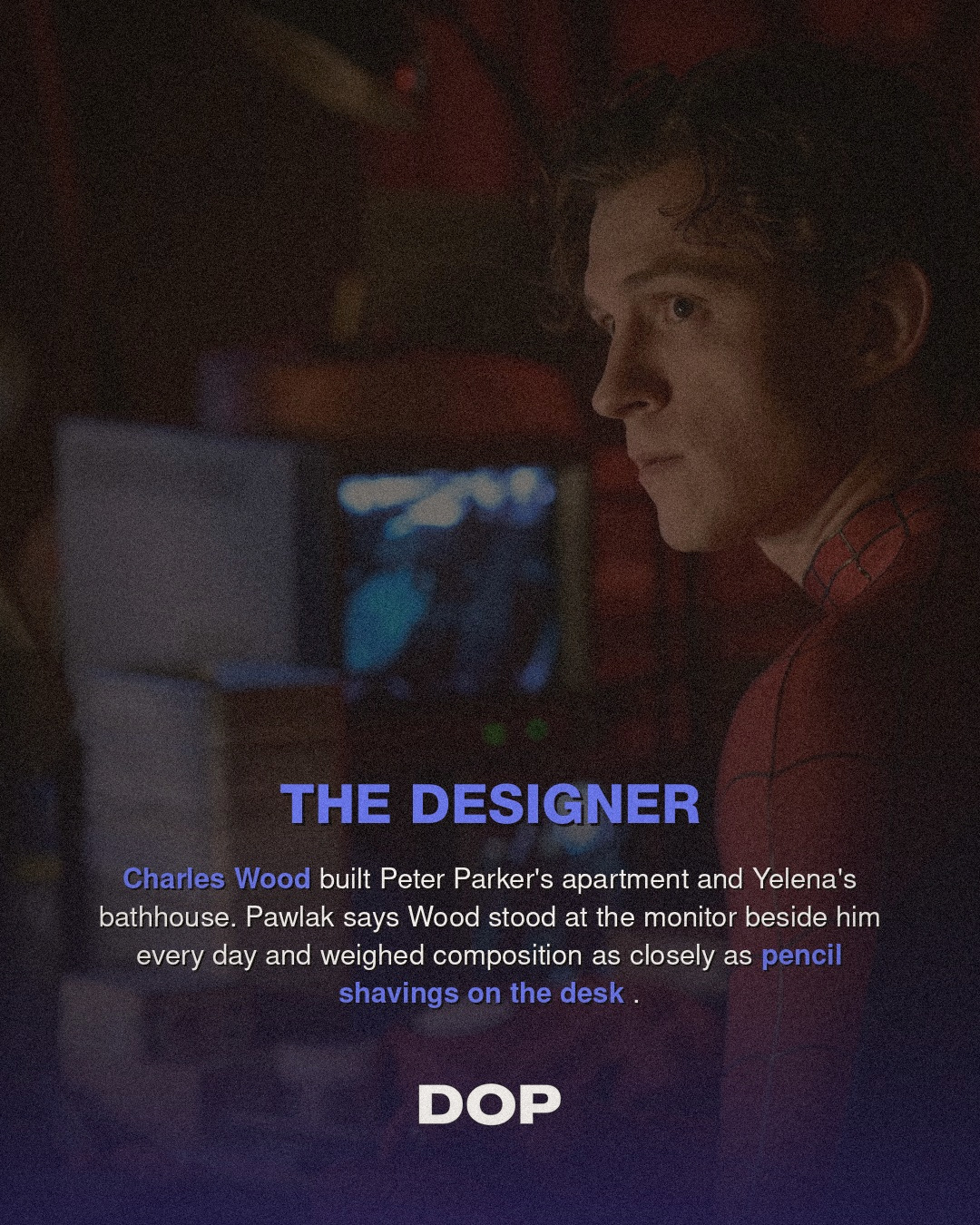
The collaboration with production designer Charles Wood was evidently symbiotic. Wood, known for his intricate world-building in films like Avengers: Endgame and Guardians of the Galaxy, stood at the monitor beside Pawlak every day. This constant dialogue between cinematography and production design is critical for achieving a cohesive visual language. Wood’s sets, designed with Pawlak’s lighting philosophy in mind, would have incorporated textures, practical light sources, and architectural elements that naturally lent themselves to the “shady side” aesthetic, creating a seamless integration of environment and illumination.
Pawlak’s filmography, while diverse, often showcases a knack for grounded realism even within heightened narratives. His work on films like Short Term 12 and Just Mercy demonstrates a sensitivity to natural light and a preference for evocative, rather than ostentatious, camera work. With Spider-Man: Brand New Day, he has successfully scaled this intimate approach to a blockbuster canvas, proving that considered cinematography, even on the largest stages, can elevate spectacle into genuine cinematic art. His journey from projection booth to blockbuster DP is not just a personal triumph, but a testament to the enduring power of purposeful visual storytelling.