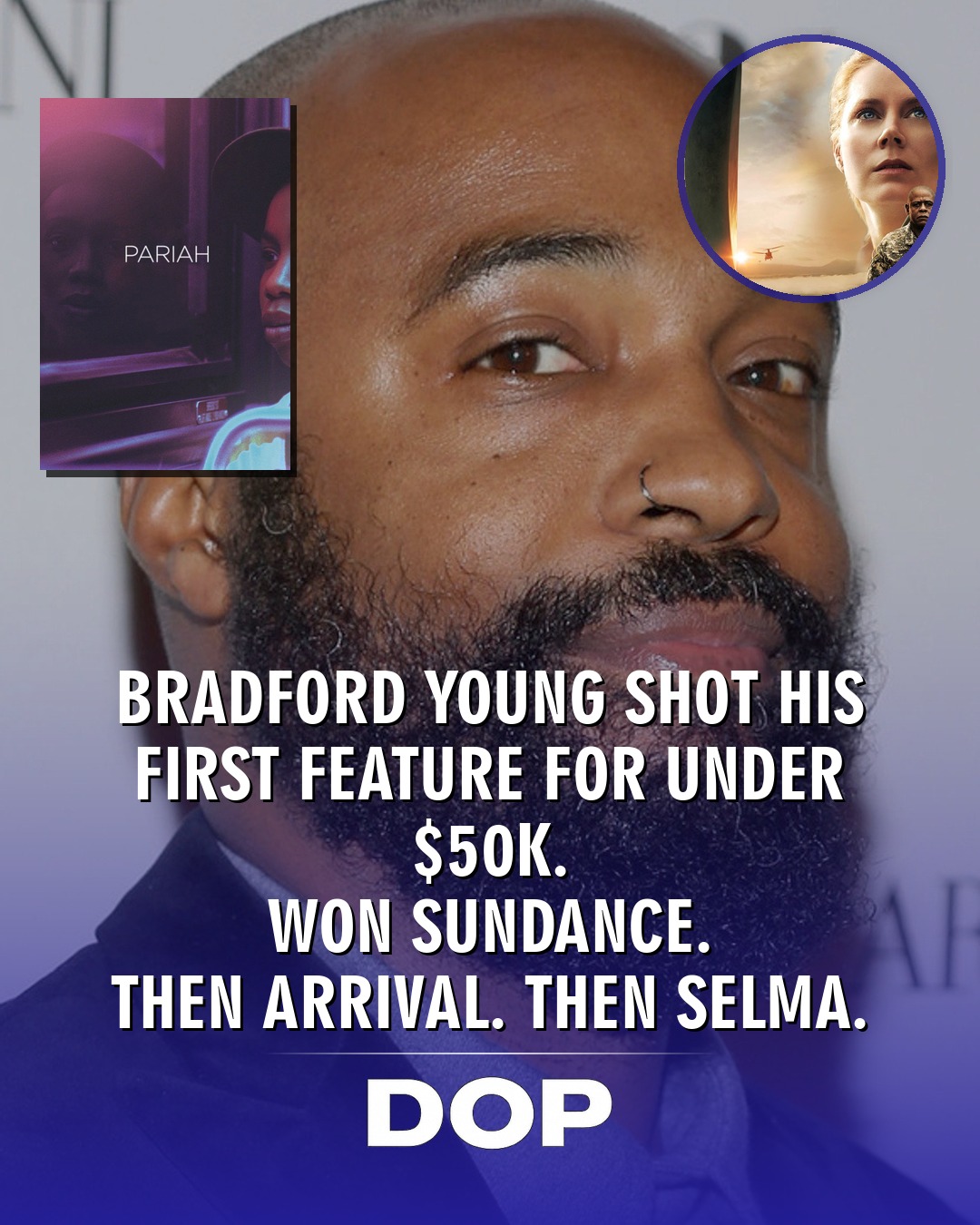
In the often-homogenized landscape of modern cinema, where the allure of pristine digital imagery can overshadow genuine artistic expression, Bradford Young stands as a towering figure. His work on 2013's Mother of George, a film crafted on an estimated budget of just $750,000, is a masterclass in resourceful, culturally resonant cinematography. It's a testament to the power of a distinct visual philosophy, one that eschews conventional brightness for a more profound, emotionally charged interplay of light and shadow, deeply rooted in West African aesthetics.
Mother of George didn't just win the Excellence in Cinematography Award at Sundance; it marked a pivotal moment, not just for Young, but for independent cinema. This wasn't his first rodeo at Sundance either, having previously secured the same honor for Dee Rees' Pariah in 2011. These early accolades weren't mere happenstance; they were a recognition of a cinematographer who dared to challenge established norms, who understood that true visual poetry often lies in the underexposed, in the chiaroscuro that speaks volumes without uttering a single word.
The Art of Underexposure and Cultural Resonance
Young's approach to Mother of George is particularly instructive for DPs navigating the tightrope of limited resources. Instead of fighting against the constraints of natural light, he embraced them, weaving them into the very fabric of the narrative. The film's visual language is characterized by rich, deep tones, often allowing faces to emerge from shadow, their contours defined by ambient light rather than aggressive keying. This isn't merely a stylistic choice; it's a profound act of cultural immersion, drawing inspiration from West African photographic traditions and painting, where the interplay of darkness and luminosity often carries symbolic weight.
"Young's approach to Mother of George is particularly instructive for DPs navigating the tightrope of limited resources. Instead of fighting against the constraints of natural light, he embraced them, weaving them into the very fabric of the narrative."
While specific camera and lens details for Mother of George are less publicized than his later blockbusters, the visual evidence suggests a keen understanding of sensor latitude and the art of working within its limitations. His masterful use of available light, often pushing the boundaries of underexposure, implies a deliberate choice to prioritize mood and texture over clinical clarity. This philosophy, honed under the mentorship of legendary filmmaker Haile Gerima at Howard University, instilled in Young a deep appreciation for the historical and cultural weight of images, a perspective that would serve him well as his career ascended.
From Indie Gem to Galactic Grandeur
The trajectory of Young's career following his Sundance triumphs is nothing short of remarkable. Within approximately five years, he transitioned from the intimate, character-driven narratives of independent cinema to the expansive canvases of major studio blockbusters. His work on Ava DuVernay's Selma (2014) showcased his ability to handle historical epics with grace and gravitas, imbuing every frame with dignity and emotional depth. Then came Denis Villeneuve's Arrival (2016), a sci-fi masterpiece where Young's cinematography played a crucial role in establishing the film's ethereal, contemplative tone. His use of soft, often diffused light, combined with a muted color palette, created an atmosphere of wonder and unease, perfectly complementing the film's intellectual depth.
In Arrival, Young reportedly utilized the ARRI ALEXA XT and ALEXA 65, often pairing them with Panavision anamorphic lenses. This combination allowed for the stunning wide shots and the subtle, shallow depth of field that became a signature of the film's visual style. The large format sensor of the ALEXA 65, in particular, offered an incredible dynamic range and a unique aesthetic that lent itself beautifully to the film's otherworldly narrative. His color science, often leaning towards desaturated greens and blues, further enhanced the film's cool, cerebral mood.
The Enduring Craft of a Visionary
Even when tackling a franchise behemoth like Solo: A Star Wars Story (2018), Young's distinctive craft remained evident. While the visual language necessarily adapted to the established aesthetic of the Star Wars universe, Young still managed to infuse it with his signature textural richness and an intelligent approach to lighting, creating a grittier, more grounded feel than some of its predecessors. This ability to adapt his deeply personal style to diverse narratives and scales is a testament to his versatility and his unwavering commitment to visual storytelling.
Bradford Young's journey from indie darling to Hollywood's most sought-after DPs is a powerful reminder that technical prowess, while essential, is only one part of the equation. It is his profound understanding of light as a narrative tool, his deep cultural sensitivity, and his willingness to push aesthetic boundaries that truly define his artistry. He doesn't just light a scene; he imbues it with soul, making him a true luminary in the world of cinematography.