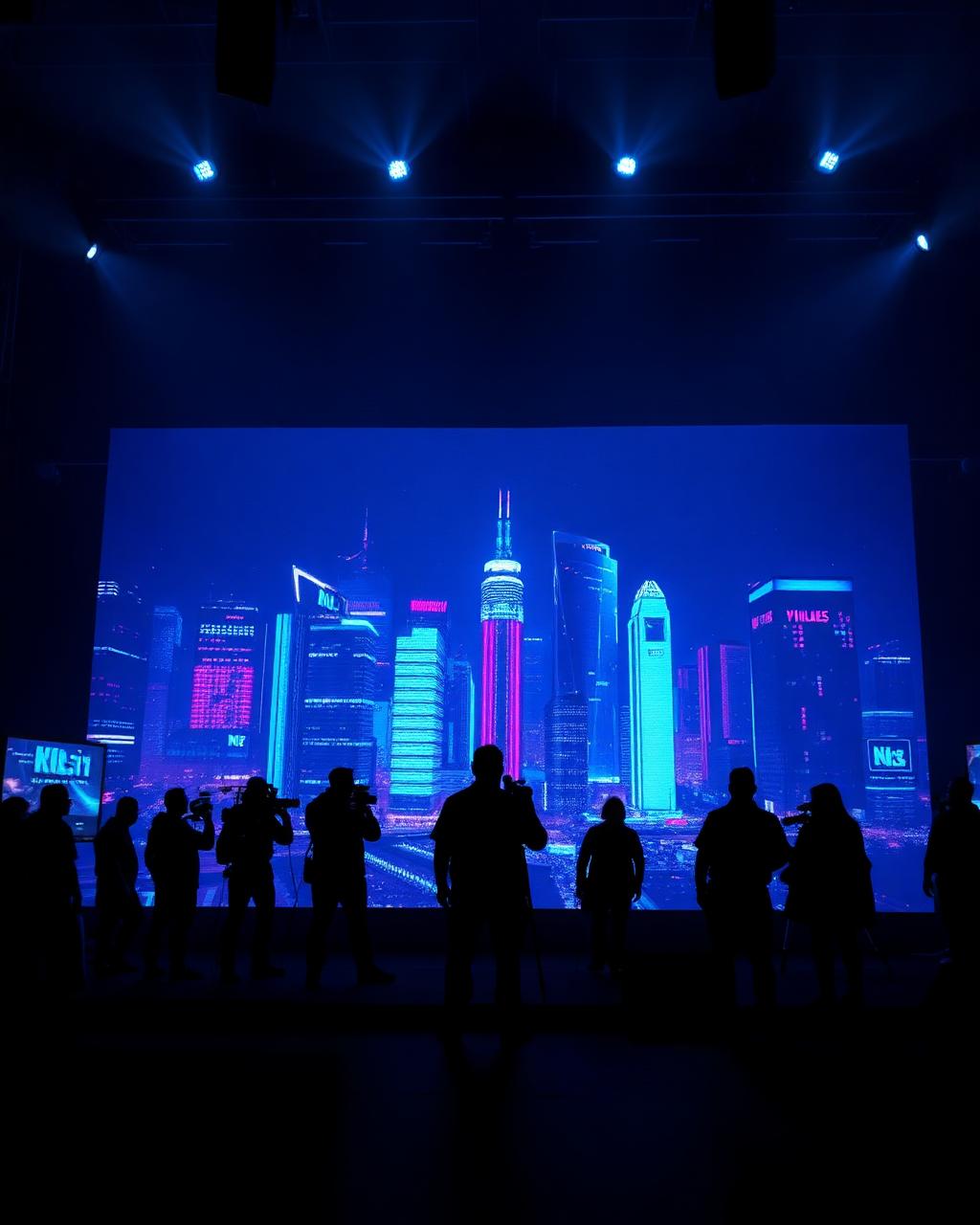
Maayane Bouhnik made her Berlinale 2026 debut and her feature debut simultaneously on Where To?, a film that presented a specific production design problem: how to create visual fluidity in a car interior that never moved. Her solution—an LED stage—announces her as a cinematographer who approaches technical problems by asking which tool serves the film, not which tool is conventional.
The Berlinale's Perspectives competition is designed for first features, emerging voices, and formal experimentation. Bouhnik's placement there, with her feature debut, suggests that the festival recognized both the film's artistic vision and the cinematographer's technical innovation. Working on an LED stage in a feature debut is not conservative. It is the emerging DP's approach: identify the production design problem, research available tools, and select the solution that serves the film's needs.
Bouhnik is based in Berlin, which is significant context. The city has become a center for European independent cinema, with infrastructure that supports experimental approaches. Berlin's rental facilities include some of the most advanced LED stage technology in Europe. Her decision to work with LED technology for a taxi interior becomes less surprising when you understand that she had access to the right tool and a film community that values problem-solving innovation. Berlin is where that combination is possible.
The production design problem that Where To? presented was specific: two people in a taxi, having a conversation that crosses cultural and linguistic borders, in a contained space where the exterior world is as important as the interior. A conventional approach would use rear projection, practical windows, and lighting tricks to simulate movement outside the car. Bouhnik chose to build the entire exterior world on an LED stage. This allows her to change the exterior instantly, to control every aspect of the environment without repositioning the camera, and to maintain consistent exposure and depth across every shot.
LED technology brings specific advantages for this kind of work. The lighting is controllable, consistent, and highly responsive to changes in camera position or exposure needs. The color temperature can be adjusted in real time. The brightness can match exterior light precisely, which is crucial for convincing car window reflections and interactions. Bouhnik's choice was not revolutionary. It was smart cinematography in service of a specific problem.
For emerging cinematographers, the lesson is clear: the future of the craft includes hybrid approaches that combine traditional cinematography knowledge with emerging technology. Bouhnik is not abandoning conventional cinematography on her feature debut. She is expanding the toolkit. She understands that LED stages are not just for green screen and effects-heavy work. They are a tool for solving specific production design problems with precision and control.
Her Berlinale 2026 debut in the Perspectives section is a recognition that this approach—thoughtful, problem-solving, technically informed—is exactly what the festival is looking for in emerging cinematographers. The feature debut is not the place to invent new cinematographic approaches or to be overly ambitious with untested technology. It is the place to execute a clear vision with precision. Bouhnik's vision for Where To? required an LED stage, and she had the confidence and technical knowledge to use it.
Berlinale 2026 debut. Feature debut. LED stage car interior. Visual fluidity in a taxi that never moved. That is an announcing debut.
Gear Recommendations
- DaVinci Resolve Studio | Adorama – B&H Photo
- Tangent Element Panels | Adorama – B&H Photo
- Blackmagic Pocket Cinema Camera 6K Pro | Adorama – B&H Photo
- Sigma 18-35mm f/1.8 Art | Adorama – B&H Photo
- DJI RS 4 Pro Gimbal – Amazon
Note: Links above are affiliate links. Occupy Cinematography may earn a commission on qualifying purchases at no additional cost to you.