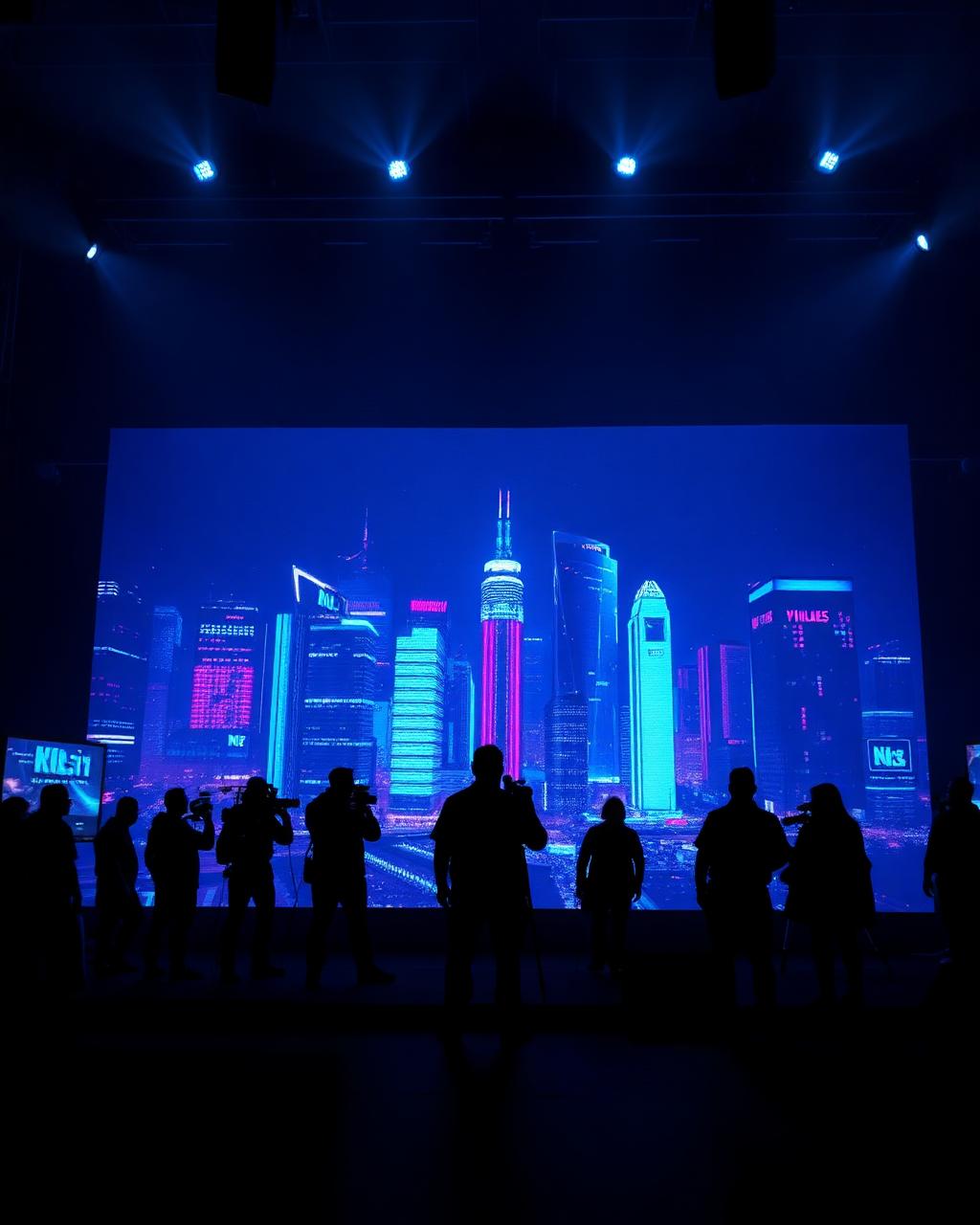
The Berlin-based cinematographer Maayane Bouhnik made her feature debut on Where To? (Berlinale 2026 Perspectives) with a camera setup that most cinematographers would avoid entirely: an LED stage. The Perspectives section is designed for first features, and Bouhnik's decision to work with LED technology for a confined interior—a taxi that never moved—demonstrates something crucial about contemporary cinematography: the right tool is not always the traditional tool.
Conventional wisdom suggests that LED stages are for green screen, for complex effects work, for visual effects-heavy productions. They are not for intimate dialogue-based features, especially not for debut DPs. But Bouhnik understood something that traditional cinematography training sometimes obscures: the problem she needed to solve was not how to light a real taxi. It was how to create visual fluidity in a car interior that never moved. An LED stage was the answer because it allowed her to change the exterior world instantly, to control every aspect of the environment without moving the camera or the actors, and to maintain consistent exposure across the entire shoot.
Maayane Bouhnik is based in Berlin, which is significant. The city's infrastructure of international film production, its density of rental facilities, and its tradition of supporting experimental cinematography approaches made Berlin the right place to solve this problem with new technology. She was not working in isolation. She had access to equipment, crew expertise, and a film culture that values problem-solving innovation.
The production design problem that Where To? presented was unique: two people in a taxi, having a conversation that moves across cultural and linguistic boundaries, in a confined space where the exterior is as important as the interior. A conventional approach might use rear projection or practical windows and lighting tricks. Bouhnik chose to build the entire exterior on an LED stage, which allowed her to design the visual grammar of the journey without being constrained by the physical limitations of a camera car or a moving vehicle.
For emerging cinematographers, the lesson is clear: technology is not your limitation. Technology is your tool. The question is not whether to use LED stages or traditional lighting or hybrid approaches. The question is which tool allows you to solve the specific problem the film presents. Bouhnik looked at Where To? and recognized that an LED stage was not a limitation. It was a liberation. It allowed her to focus on the emotional and narrative requirements of the film without being constrained by the physical world.
Her debut in the Perspectives section, designed for first features, is a recognition that new cinematographers are bringing new approaches to old problems. The confines of a taxi interior become an opportunity to explore what LED technology can do in the service of intimate cinema. That is how cinematography evolves: not through rejection of new tools, but through thoughtful integration of them into films that benefit from their specific capabilities.
First feature. LED stage. Berlinale Perspectives. Bouhnik and Machnes built a contained world where two men talked across cultural borders.
Gear Recommendations
- Blackmagic Pocket Cinema Camera 6K Pro | Adorama – B&H Photo
- Cooke miniS4/i Prime Set | Adorama – B&H Photo
- SmallHD Ultra 7 Monitor | Adorama – B&H Photo
- Tiffen Black Pro-Mist 1/4 Filter | Adorama – B&H Photo
Note: Links above are affiliate links. Occupy Cinematography may earn a commission on qualifying purchases at no additional cost to you.