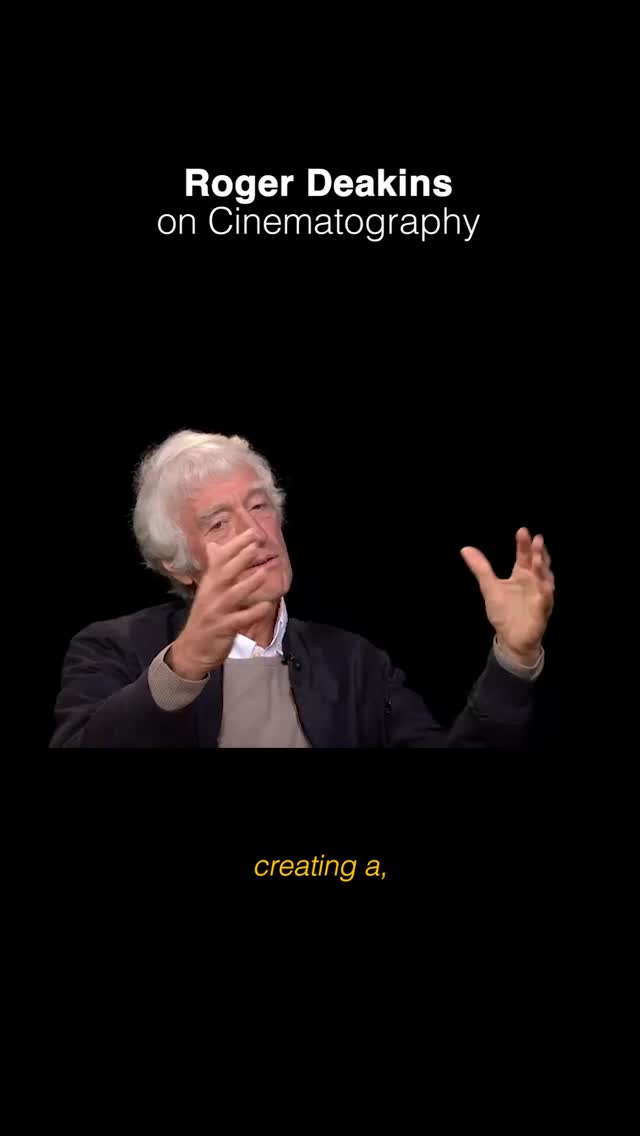
In the often hyper-technical world of cinematography, where discussions frequently revolve around sensor sizes, lens aberrations, and the latest LED fixtures, it's easy to lose sight of a fundamental truth: film is, at its core, about human performance. A truly masterful Director of Photography understands that their role extends far beyond merely capturing images; they are, in essence, an architect of the environment in which those performances can blossom. As the legendary Roger Deakins, ASC, BSC, so succinctly put it, "If you don't have a performance, you don't have anything." This statement, deceptively simple, encapsulates a profound philosophy that elevates the DP from a mere technician to a crucial collaborator in the theatrical alchemy of filmmaking.
The DP's influence on performance is multifaceted. Consider the subtle dance of light and shadow: a soft, enveloping key light can invite vulnerability and intimacy, perfect for a quiet dramatic scene. Conversely, harsh, contrasty lighting, perhaps achieved with hard-edged sources like an Arri M-series HMI punching through a window, can accentuate tension, fear, or aggression. The choice of lens also plays a pivotal role. A wide-angle lens, while offering expansive vistas, can also create a sense of observational distance, keeping the audience slightly removed. Meanwhile, a telephoto lens, compressing space and isolating the subject, can draw us into a character's internal world, emphasizing their emotional state by blurring away distractions. Think of the intense close-ups in Emmanuel Lubezki's work on The Revenant, often rendered with longer focal lengths on ARRI ALEXA XT cameras, which force an almost uncomfortable proximity to Hugh Glass’s suffering.
Crafting Atmosphere: Light, Lenses, and Leading the Way
Beyond the technical specifications, the DP's presence and leadership on set are equally critical. A calm, focused, and respectful set is a fertile ground for actors. A DP who understands the nuances of an actor's process, who can communicate effectively with them about blocking, eye-lines, and the emotional beats of a scene, is invaluable. This isn't about directing the actor, but rather about creating a visual framework that supports and enhances their portrayal. A gaffer, under the guidance of the DP, might meticulously sculpt light to highlight an actor's eyes, ensuring that their emotional truth is palpable. Perhaps a subtle bounce card off a white wall, or a carefully placed negative fill, can sculpt the face in a way that accentuates a particular emotion the actor is striving for. This collaborative synergy between light, camera, and performer is what elevates a scene from good to unforgettable.
"If you don't have a performance, you don't have anything." - Roger Deakins
Deakins himself is a master of this ethos. His work on films like Blade Runner 2049, shot on the ARRI ALEXA XT Studio with anamorphic lenses, is a testament to his ability to craft immersive worlds that serve the narrative and, crucially, the performances within them. The deliberate pacing, the meticulously designed practical lighting, and the precise framing all contribute to an atmosphere where Ryan Gosling's K can embody his existential journey. Even in his more naturalistic films like No Country for Old Men, where the visual language is austere, the lighting choices – often motivated by available light – are always in service of the psychological states of the characters. The stark, unforgiving landscapes mirrored the brutal inner worlds of Llewelyn Moss and Anton Chigurh, enhancing the raw, visceral performances.
The DP as Set Conductor: Beyond the Frame
The DP also runs the set in a broader sense, orchestrating the often complex ballet of crew, equipment, and artistic vision. This leadership role involves not just technical expertise but also significant emotional intelligence. A DP who can maintain a positive, efficient, and respectful environment frees actors to take risks and delve deeper into their characters. Conversely, a chaotic or tense set can stifle creativity and hinder genuine performance. This requires a profound understanding of not just light and lenses, but also human psychology and team dynamics. It’s about more than just hitting the mark; it's about fostering an atmosphere of trust and collaboration.
Consider the color science choices made by a DP. A desaturated, cooler palette might enhance a sense of bleakness or isolation, while a warm, vibrant scheme could evoke comfort or joy. These choices, often baked into the camera's LUTs or meticulously graded in post-production, directly impact how an audience perceives a character's emotional journey. Greig Fraser's work on Dune, for instance, utilized a distinct color palette and textural quality, often achieved through large format ARRI ALEXA LF cameras and custom lenses, to create a world that felt both alien and deeply resonant, allowing the actors to inhabit their roles with conviction against this epic backdrop.
Ultimately, the DP's artistry is not confined to the frame. It permeates the entire filmmaking process, from the initial discussions with the director about visual language to the final moments of a shoot. By understanding that their craft is inextricably linked to the actor's performance, and by actively fostering an environment conducive to that performance, a Director of Photography truly transcends the technical and becomes a vital storyteller, shaping not just what we see, but how we feel.
This article contains affiliate links. We may earn a small commission at no extra cost to you. Learn more.