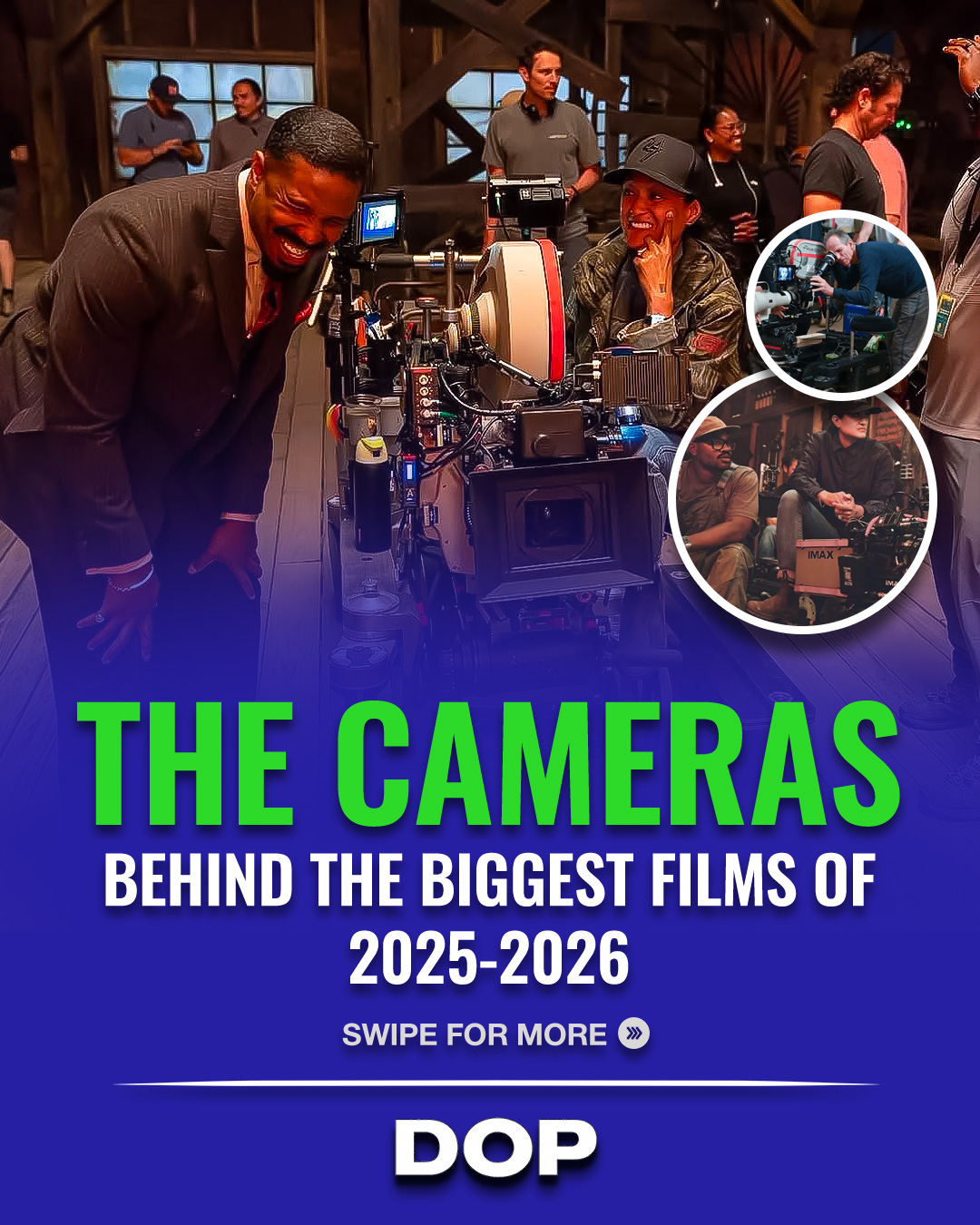
In the high-stakes world of professional cinematography, the camera body often becomes the focal point of discussion, a totem around which brand loyalties and technical debates coalesce. Yet, as any seasoned Director of Photography will attest, the camera itself is merely a sophisticated tool, a foundational component in a complex visual ecosystem. The true artistry lies not in the make or model, but in the discerning eye and deliberate decisions of the cinematographer, who orchestrates a symphony of lenses, lighting, filtration, and color science to craft a singular vision.
The market unequivocally showcases ARRI's formidable presence. The ARRI Alexa family, in its various iterations—Mini LF, SXT, 35—continues its reign as the industry standard, a testament to its unparalleled color science, robust dynamic range, and intuitive workflow. Surveys consistently highlight its dominance, with over 65 percent of major productions entrusting their images to an Alexa. This isn't mere brand loyalty; it's a recognition of a reliable, high-performance system that delivers film-like aesthetics and offers immense flexibility in post-production. The Alexa's naturalistic skin tones and gentle highlight rolloff are legendary, providing a canvas that DPs know and trust.
The Rise of the Challengers: Venice's Versatility
However, the landscape is far from monolithic. Sony's Venice and its successor, the Venice 2, have aggressively carved out a significant niche, particularly within the booming episodic television sector. The allure of the Venice lies in its full-frame sensor and groundbreaking dual base ISO capabilities. This empowers cinematographers with extraordinary versatility, allowing for pristine images in challenging low-light scenarios without compromising dynamic range or introducing excessive noise. For DPs navigating the tight schedules and diverse locations of television production, where lighting conditions can vary wildly, the Venice offers a compelling solution, expanding creative possibilities without sacrificing technical integrity.
“The most relevant factor in visual quality is the skill of the cinematographer, not the specifications of the equipment.”
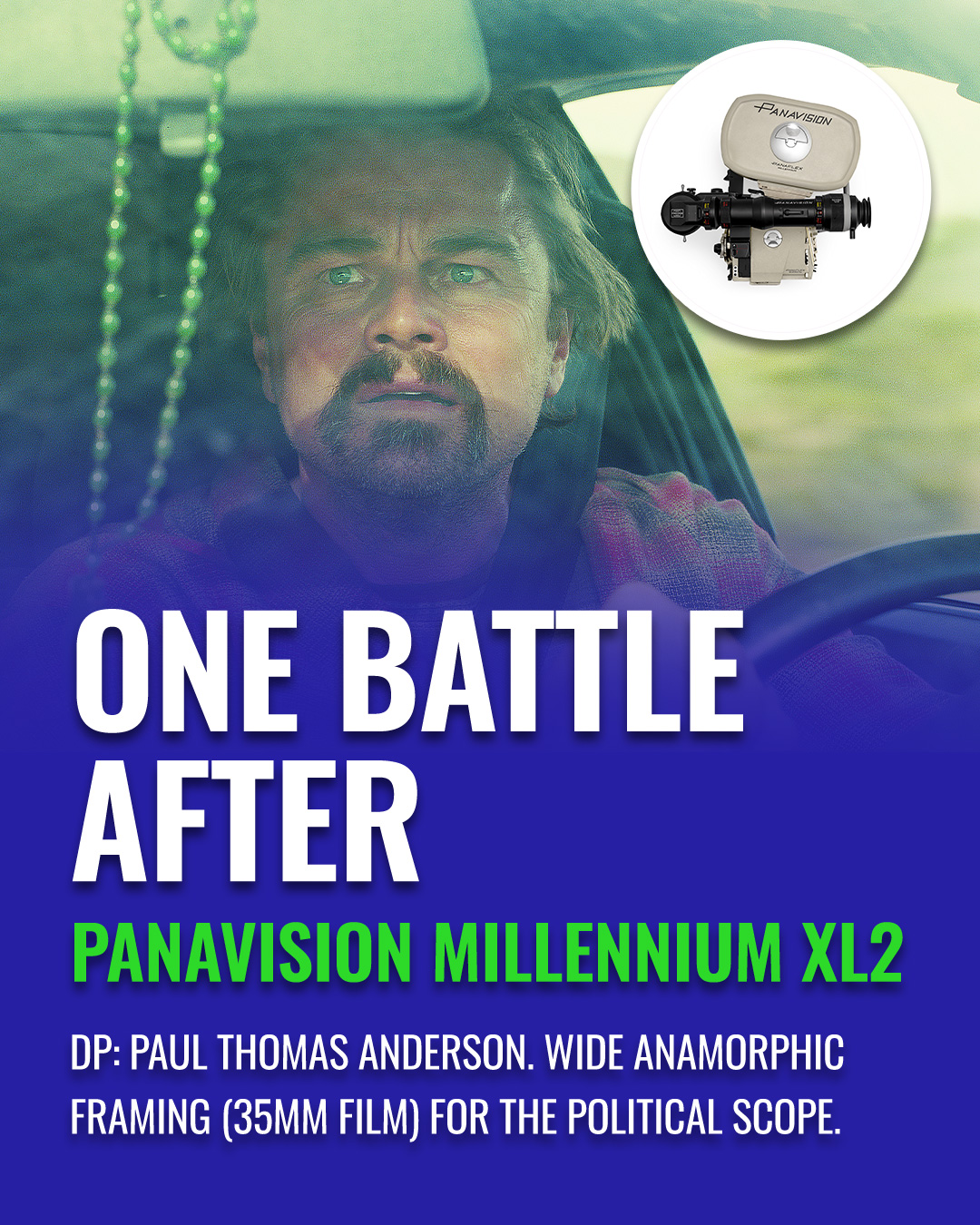
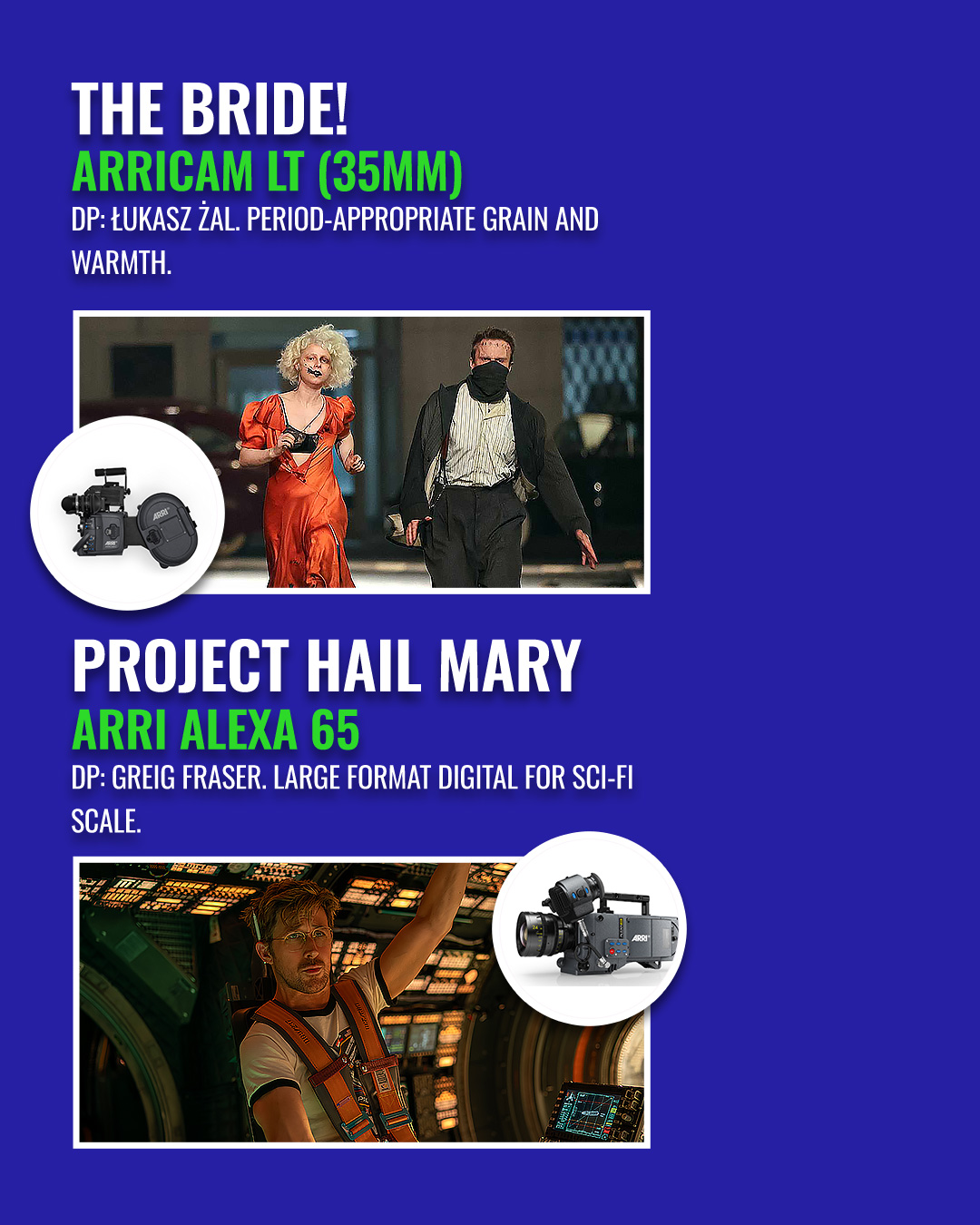
Consider the recent camera selections for projects like Sinners, One Battle After Another, Frankenstein, and Project Hail Mary. These productions, while diverse in genre and scope, share a common thread: their camera choices were meticulously driven by specific visual demands, not by a default brand preference. For a period piece like Frankenstein, a DP might lean towards a camera and lens combination that evokes a particular vintage aesthetic, perhaps pairing a modern Alexa with vintage anamorphic glass to achieve a specific flare characteristic and shallow depth of field. Conversely, a science fiction epic like Project Hail Mary might prioritize the high resolution and clean imagery of a Venice 2, especially if extensive VFX work and large format projection are anticipated.
Beyond the Sensor: The DP's Holistic Vision
The camera body, with its sensor size, resolution, and color processing, is undeniably crucial. Yet, its contribution to the final image is often less determinative than the collective decisions a DP makes across the entire imaging chain. The choice of lenses—whether spherical or anamorphic, vintage or modern, fast or slow—profoundly shapes the image's character, dictating distortion, falloff, bokeh, and flare. Filtration, from diffusion to polarizers, subtly manipulates light and texture, adding mood and dimension. The lighting design, encompassing everything from key and fill ratios to color temperature and practical placement, is the very bedrock of visual storytelling, sculpting faces and revealing environments.
Ultimately, the cinematographer's role is that of a visual architect, meticulously balancing these myriad elements. They understand that a camera is an amplifier, not a creator, of vision. A skilled DP can coax breathtaking imagery from a capable but less expensive camera, while an unskilled hand can produce mediocre results even with the most cutting-edge equipment. The true power lies in the understanding of light, composition, movement, and the psychological impact of color—a mastery cultivated through years of experience, experimentation, and an unwavering dedication to the craft. The camera, then, is merely an extension of their artistic will, a tool to translate their unique perspective into the moving image.