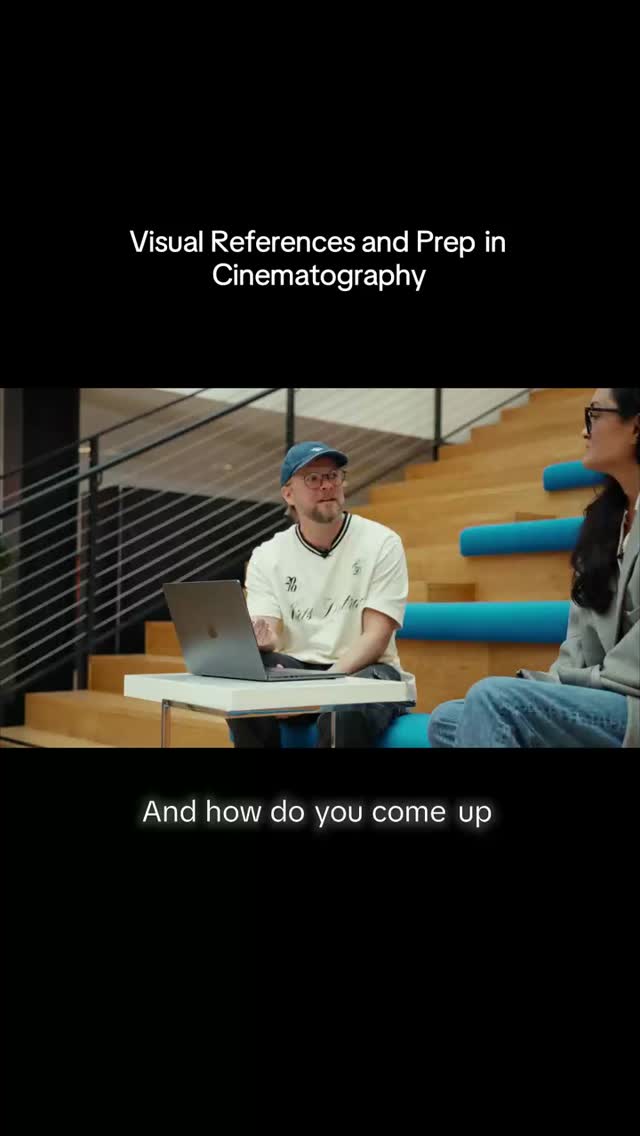
The camera package is easy to spec out; any DP with a modern production budget can rent an ARRI ALEXA 35 or Sony VENICE 2, mount vintage glass, and deliver a pristine video feed to video village. But true cinematography isn't born in the rental house gear prep room. It begins in the shadowy, uncertain realm of early pre-production, long before a single lighting fixture is rigged or a sensor resolution is debated.
Great visual storytelling demands that the cinematographer step beyond the comfortable domain of exposure meters and focal length tables. Instead, the DP must submerge themselves entirely into the director's psyche, forging a shared visual and emotional language that will govern every frame of the motion picture.
Translating Emotional Intent Into Visual Grammar
Before discussing contrast ratios or color pipelines, elite DPs invest time in absorbing the director's core emotional intent. This stage is rarely about shot lists; it is fueled by late-night phone calls, deep dives into mid-century photojournalism archives, or examining fine art prints from painters like Edward Hopper or Caravaggio. Whether dissecting the high-contrast monochrome work of Fan Ho or the soaked night photography of Todd Hido, these references serve as emotional anchors.
This abstract dialogue eventually crystallizes into visual rules. A director’s desire for a scene to feel 'claustrophobic yet fragile' transforms through the DP’s lens into specific choices: tight focal lengths paired with wide-open apertures, shallow depth of field, and a cramped 1.33:1 aspect ratio that physically traps the characters within the frame.
Pushing Exposure Boundaries at the Toe of the Curve
Once the emotional blueprint is established, the DP's technical discipline takes over to bring that mood onto the digital sensor or film emulsion. Creating atmospheric, moody depth often requires deliberately pushing digital sensors to their extreme physical limits. It means abandoning safe exposure practices and learning to live comfortably in the dark.
nullOperating near the noise floor demands an intimate understanding of sensor physics and dynamic range. A cinematographer aiming for rich shadow detail will often push the exposure index (EI) or underexpose the image by two or three stops, deliberate in their knowledge of how the sensor’s toe handles falloff. Paired with vintage optics, like uncoated Cooke Speed Panchros or re-housed Kowa Anamorphic glass, the shadows gain an organic, painterly texture rather than a sterile digital blackness.
To safeguard this delicate lighting balance, DPs collaborate early with trusted DITs and colorists to construct custom 3D LUTs during pre-production. A bespoke LUT ensures that video village monitors display the true intended shadow density, preventing jittery producers from demanding extra ambient light on set.
Curating the Crew to Guard the Frame
A brilliant visual concept lives and dies by the team executing it under pressure. The ultimate mark of a seasoned cinematographer is the ability to surround themselves with collaborators who protect and elevate that unified vision. A gaffer who understands contrast as emotional weight, a key grip who treats camera motion as character psychology, and an operator with flawless instincts are non-negotiable assets.
When the pressure mounts on set and production schedules tighten, it is this trusted crew that shields the artistic integrity of the image. By aligning technical precision with deep artistic conviction during prep, cinematographers ensure that when the lights go down in the theater, the audience sees precisely what was envisioned in those early, unfiltered creative sparks.
This article contains affiliate links. We may earn a small commission at no extra cost to you. Learn more.