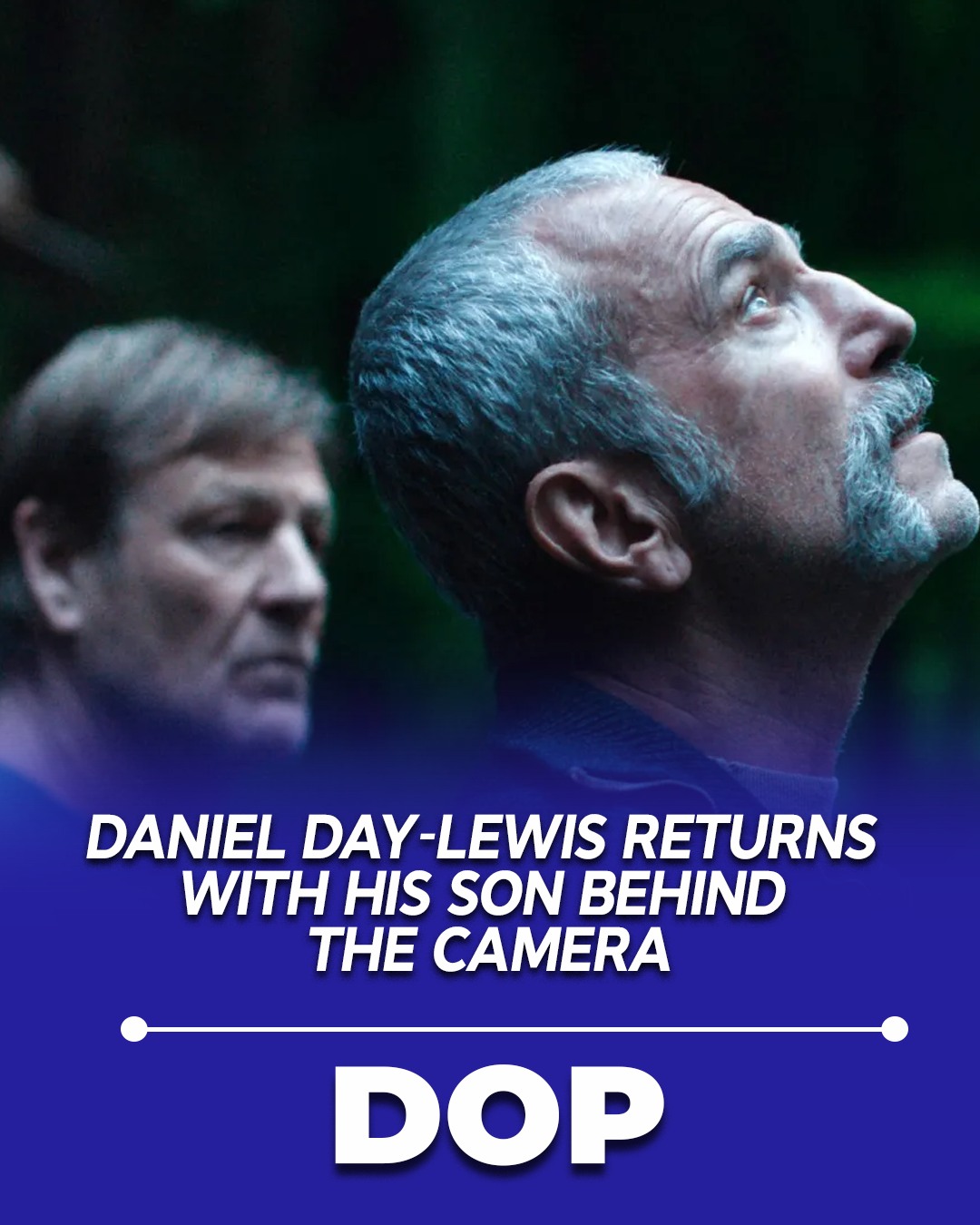
In an age where digital immediacy often threatens to flatten the cinematic image, certain cinematographers stand as bulwarks against aesthetic dilution, reminding us that film remains a profoundly painterly art form. Ben Fordesman, with his exquisite work on 'Anemone,' emerges as one such visionary, crafting a visual language deeply steeped in art historical traditions yet entirely contemporary in its execution. His approach is less about simply capturing reality and more about meticulously constructing it, frame by frame, with the precision of a master painter.
Fordesman’s visual signature on 'Anemone' is characterized by an almost tactile emphasis on texture and a sophisticated understanding of color relationships. He doesn't just light a scene; he sculpts it, allowing light to fall with purpose, revealing the nuanced surfaces of period costumes, the aged patina of furniture, and the delicate interplay of skin tones. This isn't merely about achieving historical accuracy; it's about infusing the visual narrative with a sense of lived-in authenticity and emotional depth, making the past feel intimately present.
The Art of Classical Composition and Digital Canvas
What truly distinguishes Fordesman’s work is his unwavering commitment to classical composition principles. Each frame in 'Anemone' feels like a carefully considered tableau, echoing the balanced aesthetics of Old Master paintings. From the rule of thirds to leading lines and negative space, these foundational elements are deployed not as rigid rules but as intuitive guides, creating images that are both aesthetically pleasing and narratively potent. This classical rigor, however, is seamlessly integrated with the capabilities of modern digital cinematography. Fordesman leverages the dynamic range and color fidelity of contemporary digital cameras, perhaps a high-end Alexa or Venice system, to achieve a level of detail and subtle gradation that might have been challenging in previous eras.
“Fordesman’s visual signature on 'Anemone' is characterized by an almost tactile emphasis on texture and a sophisticated understanding of color relationships. He doesn't just light a scene; he sculpts it.”
The choice of lenses also plays a crucial role in translating this painterly vision. While specific lens sets aren't always publicly detailed, one can infer a preference for optics that offer a certain character, perhaps vintage glass or modern lenses designed for a more organic, less sterile rendering. This choice would contribute to the film’s distinctive texture, providing a subtle fall-off in focus or a gentle flaring that softens the digital edge, further enhancing the film's artistic, handcrafted feel.
Illuminating History: Lighting and Color Science
The lighting design in 'Anemone' is a masterclass in period illumination. Fordesman meticulously recreates the quality of natural light from a bygone era, often relying on practicals and carefully motivated sources to mimic candlelight, gaslight, or the soft glow of window light. This isn't just about historical accuracy; it's about using light as a narrative tool, shaping mood, highlighting character emotions, and guiding the viewer's eye through the frame. His understanding of how light interacts with different materials, the sheen of silk, the dullness of wool, the reflection off polished wood, is exemplary.
Furthermore, Fordesman’s color science on 'Anemone' is deeply intentional. Rather than a blanket grade, the film likely employs a nuanced approach to color, where palettes are carefully curated to reflect the emotional arc of the story and the specific period. Warm, earthy tones might dominate interior scenes, evoking a sense of intimacy or claustrophobia, while cooler, desaturated hues could signify moments of melancholy or external hardship. This sophisticated use of color, combined with a discerning approach to contrast and exposure, allows the film to breathe with a visual richness that transcends mere realism.
Fordesman's filmography, though diverse, often reveals a common thread of visual sophistication and a deep respect for the image. From the stark, atmospheric beauty of 'The Lighthouse' (as a camera operator, absorbing visual lessons from Jarin Blaschke) to his own DP work on projects that demand a unique aesthetic, he consistently demonstrates an ability to adapt his technical prowess to serve the story's visual needs. 'Anemone' stands as a testament to this versatility, showcasing a deliberate and thoughtful approach to cinematography that prioritizes artistry and narrative impact.
In 'Anemone,' Ben Fordesman doesn't just photograph a story; he paints it onto the screen, using light as his brush and the lens as his canvas. His work is a powerful reminder that in the hands of a true artist, digital tools can elevate, rather than diminish, the enduring power of cinematic imagery, creating works that resonate with both historical depth and contemporary relevance. For aspiring DPs and film enthusiasts alike, 'Anemone' offers a compelling case study in the enduring art of visual storytelling.
This article contains affiliate links. We may earn a small commission at no extra cost to you. Learn more.