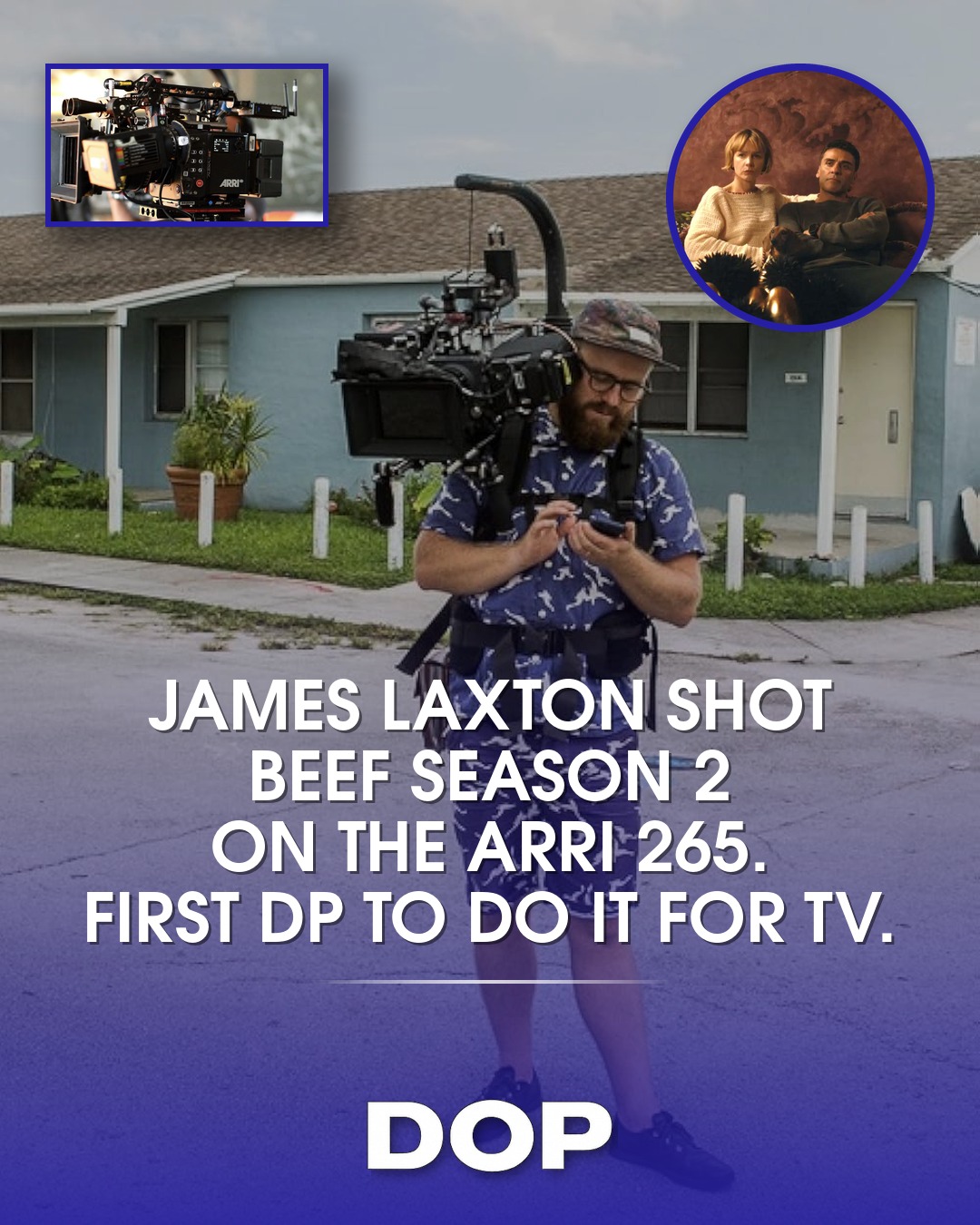
The announcement that James Laxton, ASC, served as Director of Photography for BEEF Season 2, utilizing the groundbreaking ARRI ALEXA 265, sends a clear signal throughout the cinematography world: large-format capture is not just for the silver screen anymore. This move is significant not only for its technical ambition but also for its implications for the visual language of episodic television. Laxton, a master of evocative imagery, known for his nuanced collaborations with director Barry Jenkins on films like Moonlight and If Beale Street Could Talk, is now applying his singular vision to a format traditionally reserved for high-end features, bringing the cinematic grandeur of 65mm to Netflix's acclaimed series.
The ARRI ALEXA 265 itself is a marvel of engineering, representing ARRI's continued commitment to evolving digital cinema. It's a compact, large-format digital camera system that cleverly integrates a high-end 65mm sensor into a lightweight, agile body. This design philosophy is crucial; it acknowledges the practical demands of television production, where speed and flexibility are paramount, without compromising on image quality. For a show like BEEF, which thrives on intimate character studies and often dynamic, emotionally charged scenes, the ability to capture expansive, detailed imagery with a camera that doesn't hinder movement is invaluable. The large sensor provides an unparalleled canvas for depth, dimension, and a subtly rendered fall-off that distinguishes it from Super35 capture.
The Large Format Imperative in Episodic Drama
Laxton's decision to embrace the ALEXA 265, paired with ARRI DNA lenses, underscores a growing trend towards large-format cinematography in premium television. While the first season of BEEF, shot by Larkin Seiple, ASC, (and later Christian Sprenger, ASC, for later episodes) on various ARRI ALEXA Mini LF and Mini cameras, already pushed visual boundaries for TV, Laxton's choice solidifies the 65mm format as a viable, and perhaps even preferred, option for ambitious series. The larger sensor area offers myriad benefits: a shallower depth of field that can isolate subjects with breathtaking precision, enhanced low-light performance, and a wider, more expansive field of view that immerses the audience directly into the narrative space. This isn't merely about higher resolution; it's about a fundamentally different way of seeing and feeling the story.
“The application of 65mm large-format to an episodic series like BEEF isn't just a technical upgrade; it's a profound statement about the evolving visual ambition of television, moving beyond the confines of the small screen to deliver a truly cinematic emotional experience.”
The character of the ARRI DNA lenses, designed specifically for ARRI's large-format sensors, further complements the ALEXA 265. These lenses are known for their unique blend of clinical precision and organic character, often exhibiting a subtle softness and beautiful flare characteristics that can add a distinctive aesthetic signature. This careful pairing of camera and glass allows Laxton to sculpt light and shadow with an almost painterly finesse, ensuring that every frame contributes to the emotional landscape of the series. For BEEF, a show that delves into the raw, often messy complexities of human emotion, such a nuanced visual palette can elevate the storytelling, making the internal struggles of its characters palpable.
Laxton's Legacy and Technical Prowess
Laxton's filmography is a testament to his mastery of visual subtlety and emotional resonance. His work on Moonlight, which garnered him an Academy Award nomination, was celebrated for its tender, naturalistic lighting and profound use of color to delineate narrative chapters and character development. Similarly, If Beale Street Could Talk showcased his ability to craft rich, painterly compositions that felt both timeless and intimately personal. These experiences, honed over years of close collaboration with Jenkins, undoubtedly inform his approach to BEEF Season 2. We can anticipate a continued exploration of motivated lighting, a keen eye for composition that uses depth and negative space effectively, and a color science philosophy that supports the narrative's emotional arc without ever feeling artificial.
The technical aspects of shooting on the ALEXA 265 are not without their challenges. While the camera is designed for agility, managing the sheer volume of data generated by a 65mm sensor requires robust workflows and careful planning in post-production. However, the benefits in terms of image fidelity and creative latitude far outweigh these considerations for a cinematographer of Laxton's caliber. His choice signifies a belief that the enhanced visual information and the distinctive aesthetic afforded by large format will profoundly impact the audience's engagement with the story, elevating BEEF from a mere television series into a truly cinematic experience.
As BEEF returns to Netflix, following its triumphant sweep at the Emmys for its first season, the anticipation for its visual evolution is high. James Laxton's pioneering use of the ARRI ALEXA 265 on such a prominent production is a landmark event. It not only showcases the camera's capabilities but also demonstrates the ongoing commitment of cinematographers and streamers alike to pushing the boundaries of visual storytelling. This is more than just a camera choice; it’s a powerful statement about the future of television, where the cinematic scale and immersive quality of large-format capture are becoming an integral part of episodic drama's visual language.
This article contains affiliate links. We may earn a small commission at no extra cost to you. Learn more.