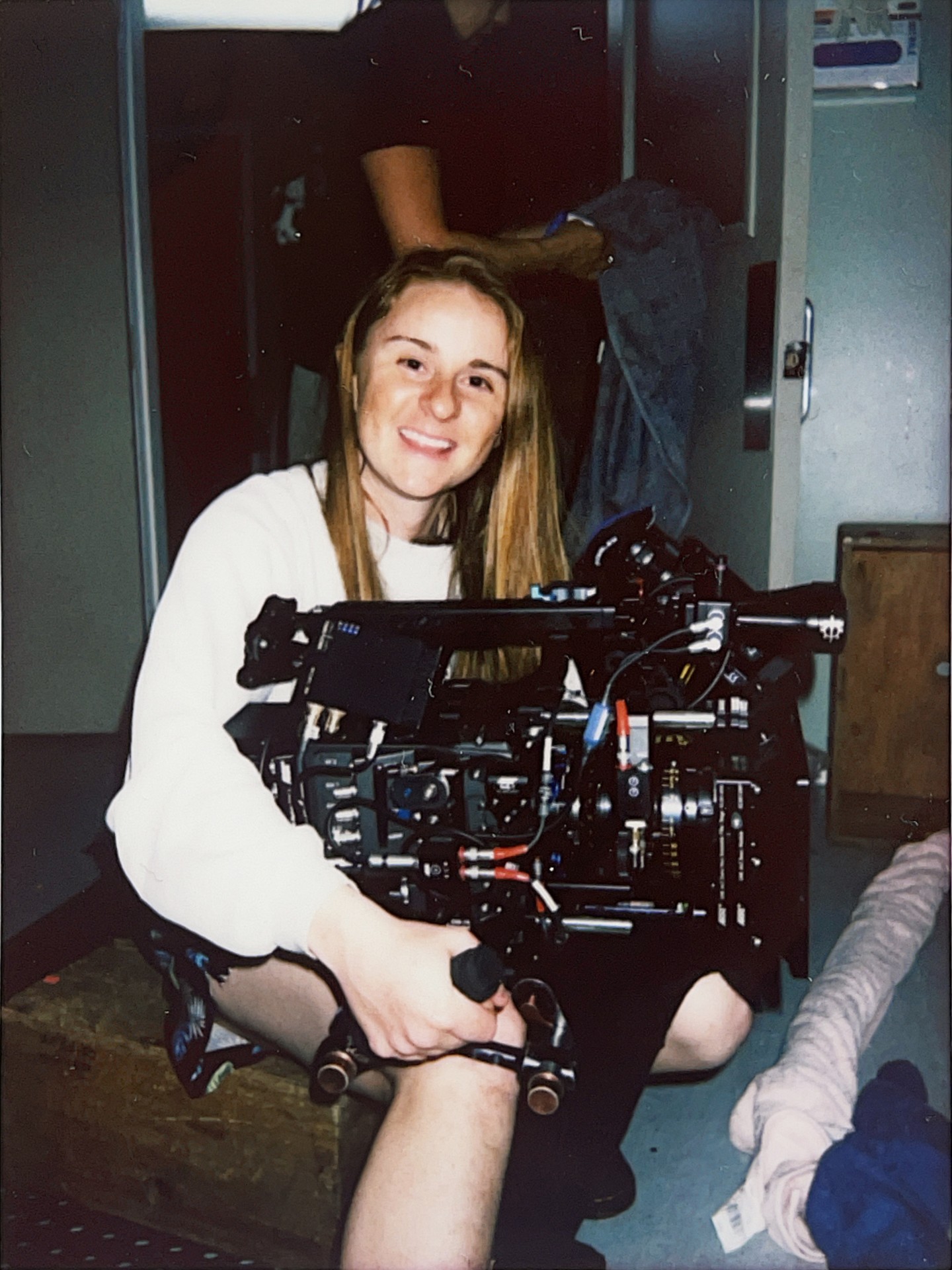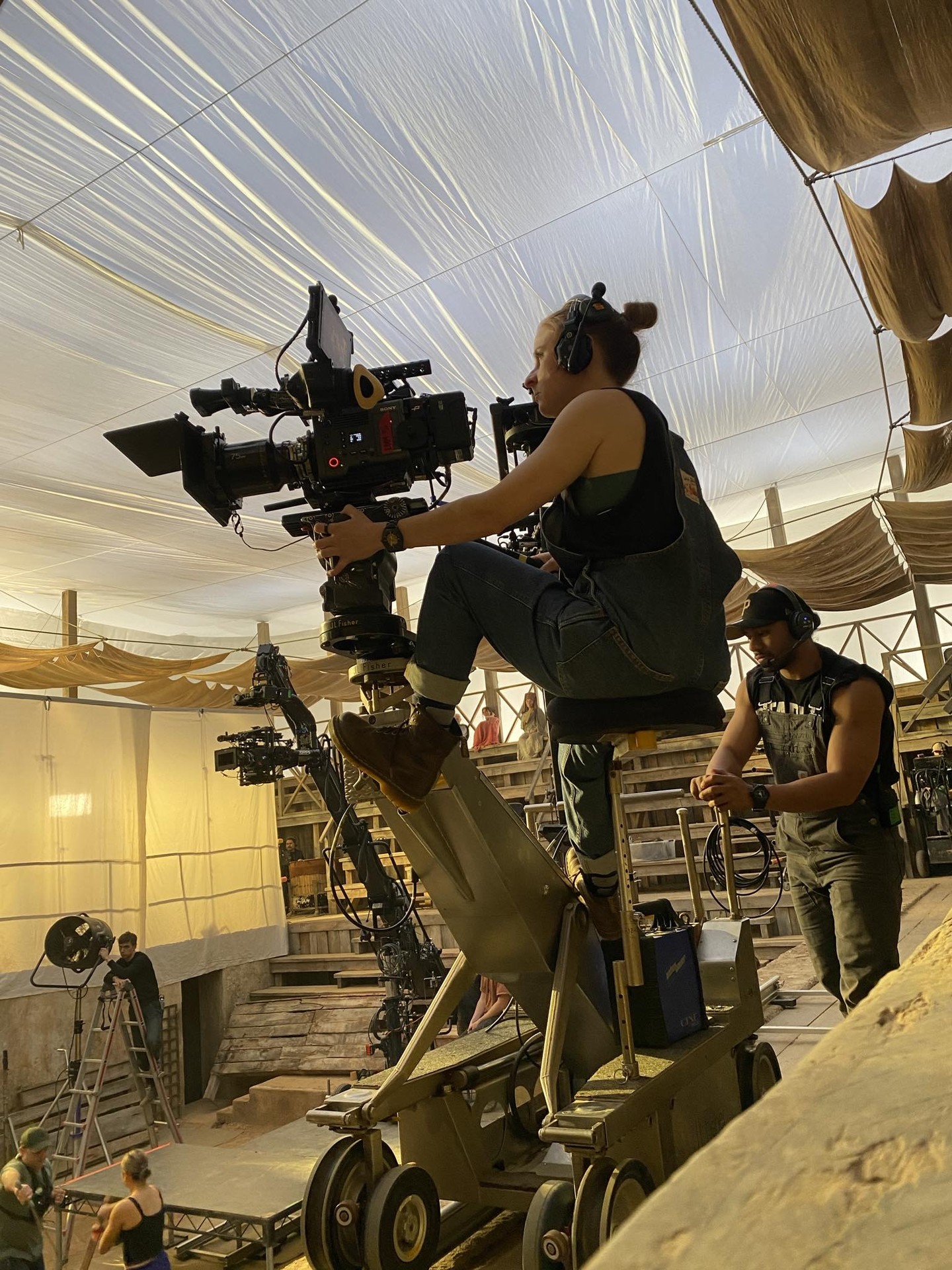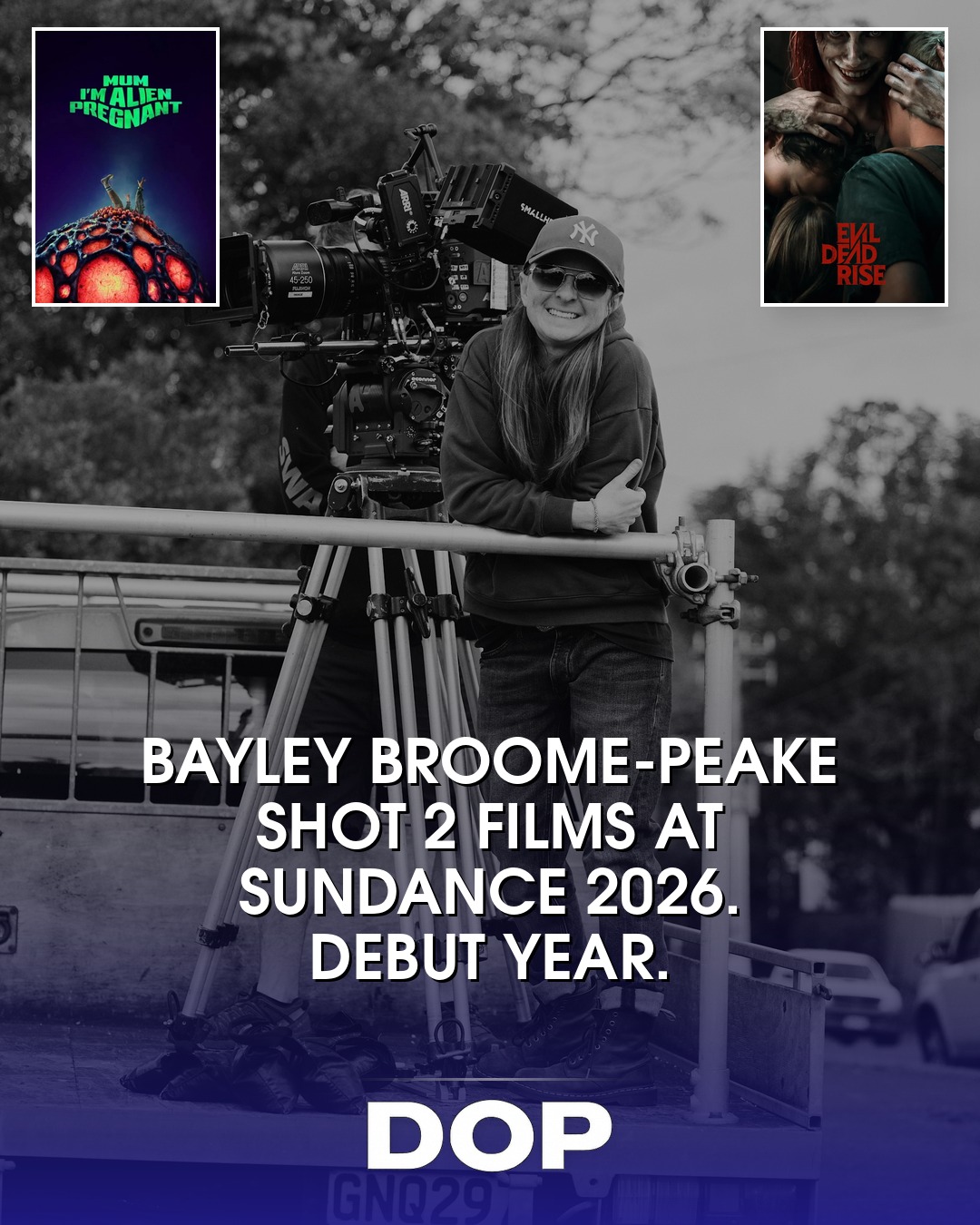
The buzz out of Sundance 2026 wasn't just about a powerful new narrative; it was about a powerful new voice in cinematography: Bayley Broome-Peake. Her debut feature as a Director of Photography didn't merely screen in Park City; it captivated, showcasing a sophisticated visual language that belies her relative newness to the feature world. This wasn't a fluke; it was a meticulously crafted vision, a testament to a cinematographer who understands that the camera isn't just an eye, but a storyteller in its own right.
Broome-Peake's approach to this breakout film is particularly fascinating for its deliberate evolution of optical character. We're often told to pick a look and stick with it, to maintain a consistent visual grammar. Yet, Broome-Peake, with audacious confidence, defied this convention. Her strategy involved an 'evolving kit of anamorphic and prime lenses,' a bold choice that speaks volumes about her understanding of how glass can sculpt emotion and define narrative arcs. This isn't about arbitrary lens swaps; it's about a profound commitment to the film's psychological journey, where the very act of seeing changes as the story unfolds.
The Anamorphic Embrace: Act I's Emotional Weight
For the initial acts, Broome-Peake leaned heavily into anamorphic glass, a choice that immediately signals a certain cinematic grandeur, a sweep and scale often associated with epic narratives or heightened realities. While the specific brand of anamorphics hasn't been widely disclosed, the visual evidence points towards lenses with distinct character – perhaps Cooke anamorphics for their creamy fall-off and organic flares, or maybe Atlas Orion series for their balance of modern sharpness with classic anamorphic aberrations. The wider aspect ratio inherent to anamorphic capture inherently creates a sense of detachment, of characters existing within a grander, sometimes overwhelming, environment. This choice likely served to establish the film's initial emotional landscape, perhaps highlighting isolation, a longing for connection, or the expansive nature of the protagonist's internal world.
"The camera isn't just an eye, but a storyteller in its own right."
The subtle distortions, the oval bokeh, and the characteristic horizontal flares would have imbued the early scenes with a dreamlike quality, a visual poetry that hints at underlying tension or unspoken desires. It's a method of imbuing 'emotional weight' not just through performance or dialogue, but through the very fabric of the image itself. This isn't just about making pretty pictures; it's about using the unique properties of anamorphic optics to shape audience perception and emotional resonance.
The Prime Shift: Intimacy and Rawness in Later Acts
As the narrative progressed, Broome-Peake made a pivotal shift, transitioning to prime lenses. This move is a powerful statement. Where anamorphic often provides a certain romanticized distance, primes, especially modern, faster sets, can bring an uncompromising intimacy. We can speculate that this change coincided with a deepening of character, a stripping away of artifice, or a confrontation with raw truth. Perhaps she moved to a set like the ARRI Signature Primes for their pristine clarity and gentle fall-off, or maybe even a more vintage set for a grittier, more tactile feel, depending on the emotional arc of the film's latter half.
The transition from the expansive, sometimes ethereal, quality of anamorphic to the directness and precision of primes would have created a palpable shift in the audience's experience. It's a move from observing to feeling, from the grand to the granular. This deliberate evolution in optical strategy underscores Broome-Peake's nuanced understanding of how lens choices directly impact the psychological landscape of a film. It demonstrates a cinematographer who isn't afraid to break from conventional wisdom to serve the story, adapting her toolkit to mirror the internal and external transformations of the characters.
Beyond Lenses: A Holistic Approach to Visuals
While her lens strategy is a standout, it's crucial to acknowledge that this visual sophistication doesn't exist in a vacuum. Broome-Peake's work suggests a holistic approach to visual storytelling, where lighting, blocking, and color science are all meticulously integrated. Her ability to achieve such a polished and impactful debut at Sundance points to a deep understanding of light modification – how to shape it for dramatic effect, how to use fall-off to sculpt faces, and how to create mood through color temperature and saturation. One would imagine a keen awareness of sensor characteristics, whether she shot on an ARRI ALEXA Mini LF for its renowned color science and latitude, or perhaps a Sony VENICE for its dual native ISO and full-frame capabilities, to maximize the dynamic range and visual fidelity required for such an ambitious lens plan.
Bayley Broome-Peake's Sundance debut serves as an exhilarating reminder that true cinematography is an act of profound interpretation and deliberate design. Her work is a testament to the power of thoughtful optical choices, not as mere technical specifications, but as essential tools for forging emotional connections and guiding the audience through the heart of a story. To achieve such a standout vision in her first feature is not a coincidence; it is the mark of an emerging master, and Occupy Cinematography will be watching her career with immense anticipation.
This article contains affiliate links. We may earn a small commission at no extra cost to you. Learn more.