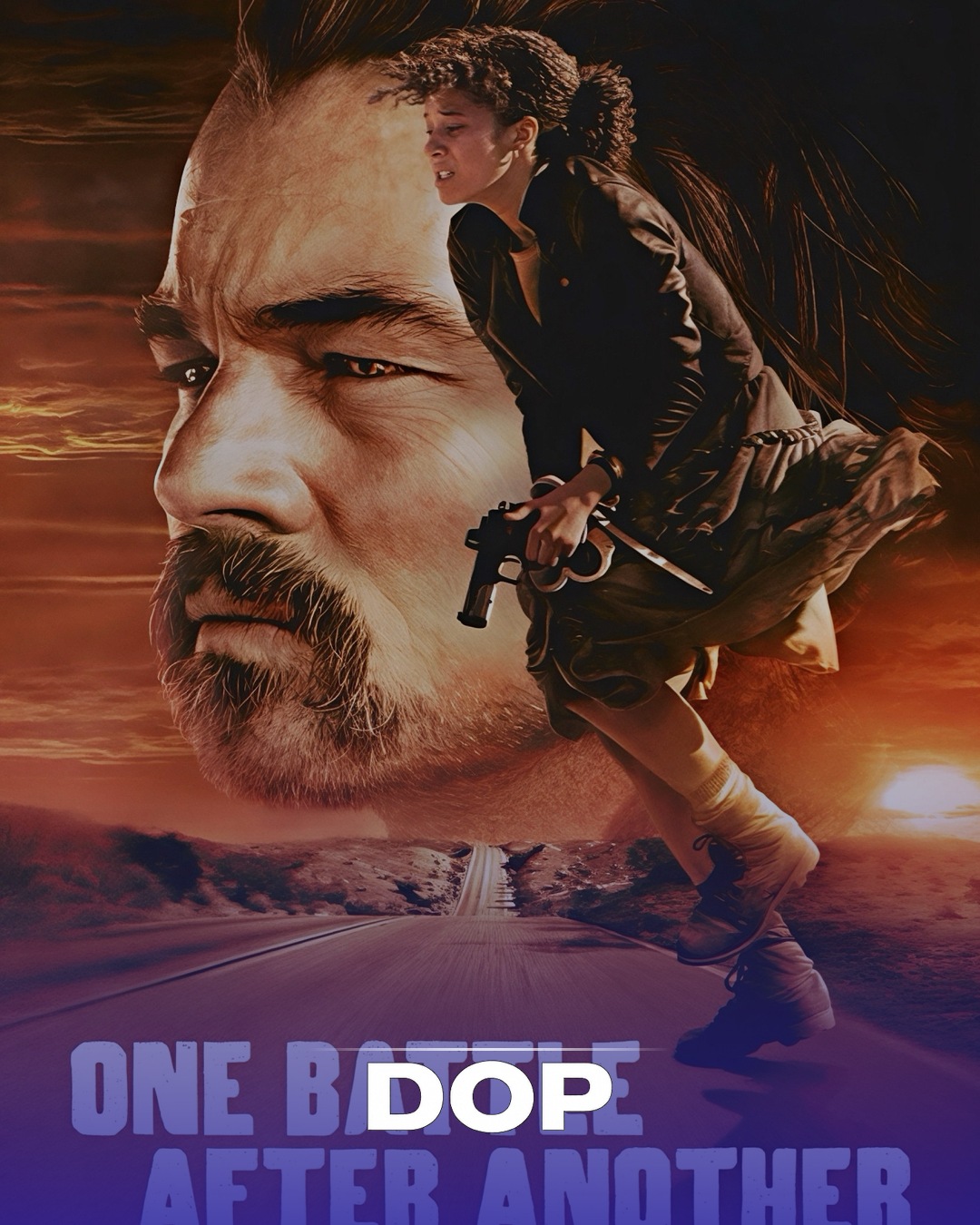
In an era increasingly dominated by digital acquisition, the decision by cinematographer Michael Bauman to shoot Paul Thomas Anderson's epic One Battle After Another on horizontal VistaVision wasn't merely notable – it was a seismic event within the cinematography community. This audacious move, which rightfully earned him the ASC Award for Best Cinematography and an Oscar nomination, wasn't a nostalgic indulgence but a calculated artistic choice that leveraged the unique properties of a near-obsolete format to achieve an unparalleled visual language.
VistaVision, originally developed by Paramount Pictures in the 1950s, is a vintage system that runs 35mm film horizontally through the gate, exposing an image area approximately twice the size of a standard 35mm frame. This 'fat negative' yields an astonishing level of detail, a finer grain structure, and a breathtaking sense of depth that few other formats, digital or analog, can truly replicate. For One Battle After Another, a film described by Bauman himself as possessing a 'controlled chaos,' this high-resolution, gritty aesthetic was paramount. It grounded the sprawling action and intricate period detail of its 1970s setting in a visceral, almost tactile immediacy.
The Philosophy Behind the Format
Bauman's filmography, which includes collaborations with Anderson on projects like Seduction and the visually arresting The Last Stand of the Samurai, often showcases a deep commitment to exploring the texture and emotional resonance of different film stocks and formats. His work consistently demonstrates a philosophy where the technical medium is not just a recording device but an active participant in the storytelling. With One Battle After Another, the choice of horizontal VistaVision was intrinsically linked to the film's narrative ambition – to immerse the audience in a period of intense social upheaval and personal struggle, making them feel the grit, the heat, and the sheer scale of the events unfolding.
“The horizontal VistaVision negative provided an expansive canvas, allowing us to capture the chaos and intimacy simultaneously. It's about feeling the breath of the era, not just observing it.”
The technical implications of this choice are profound. The larger negative size inherently reduces grain visibility, even when pushing film, and offers incredible latitude for color grading and visual effects work, should it be needed. It provides a foundational image quality that is robust and immensely flexible. However, operating these vintage cameras, often modified Panavision or Arri systems, presents its own set of challenges. They are heavier, louder, and require specialized handling, demanding a crew deeply familiar with the nuances of analog filmmaking. This commitment to craft, from the camera department to the lab, speaks volumes about Bauman's dedication to his vision.
Crafting the 'Gritty Immediacy'
Beyond the format itself, Bauman's lighting philosophy for One Battle After Another undoubtedly played a crucial role in achieving that 'gritty immediacy.' While specific lighting setups aren't detailed in the caption, one can infer a preference for practical light sources, perhaps enhanced by carefully placed HMIs or tungsten units to replicate the harsh, unfiltered light of the 1970s. The larger negative's ability to hold detail in both highlights and shadows would have allowed for more nuanced and naturalistic lighting approaches, eschewing the need for excessive fill and preserving a raw, documentary-like feel.
Lens choice would have been equally critical. Given the VistaVision format, vintage anamorphic lenses would have been incompatible, pushing Bauman towards spherical options. One can speculate a leaning towards period-appropriate lenses – perhaps older Panavision Primos or even rehoused vintage still photography lenses – to introduce subtle imperfections, flaring characteristics, and a particular bokeh that further cemented the film's aesthetic. These lenses, often with slightly lower contrast and unique optical signatures, would complement the organic nature of film, especially a large-format negative like VistaVision.
Bauman's pioneering use of horizontal VistaVision for One Battle After Another is more than just a technical achievement; it's a powerful reminder of the enduring artistic potential of analog formats in an increasingly digital world. It underscores the idea that format choice is not merely about resolution or convenience, but about the emotional resonance and textural depth it brings to the cinematic experience. His work has undoubtedly redefined technical possibilities for large-scale cinema, inspiring a new generation of cinematographers to look beyond the immediate and explore the vast, rich history of image capture.