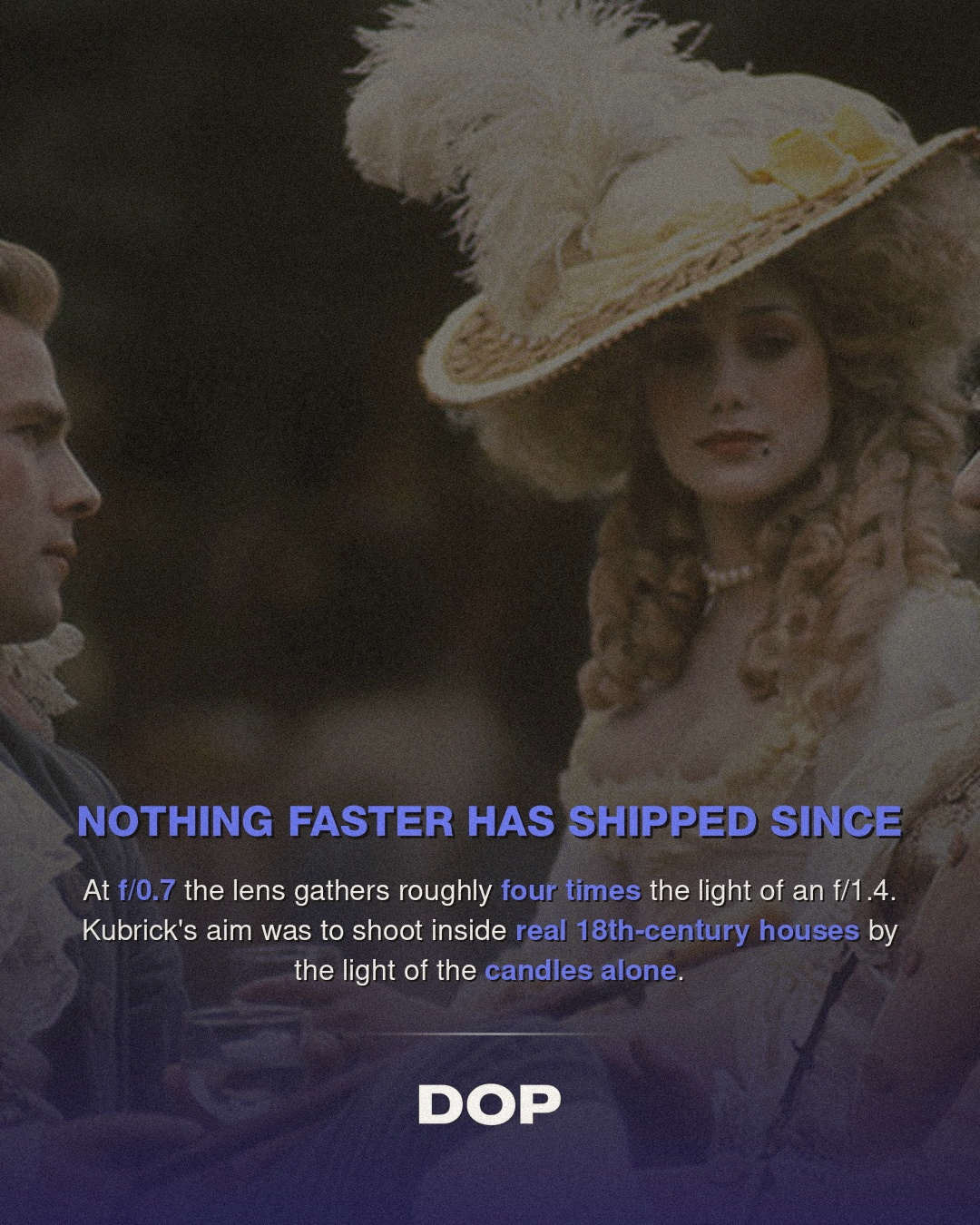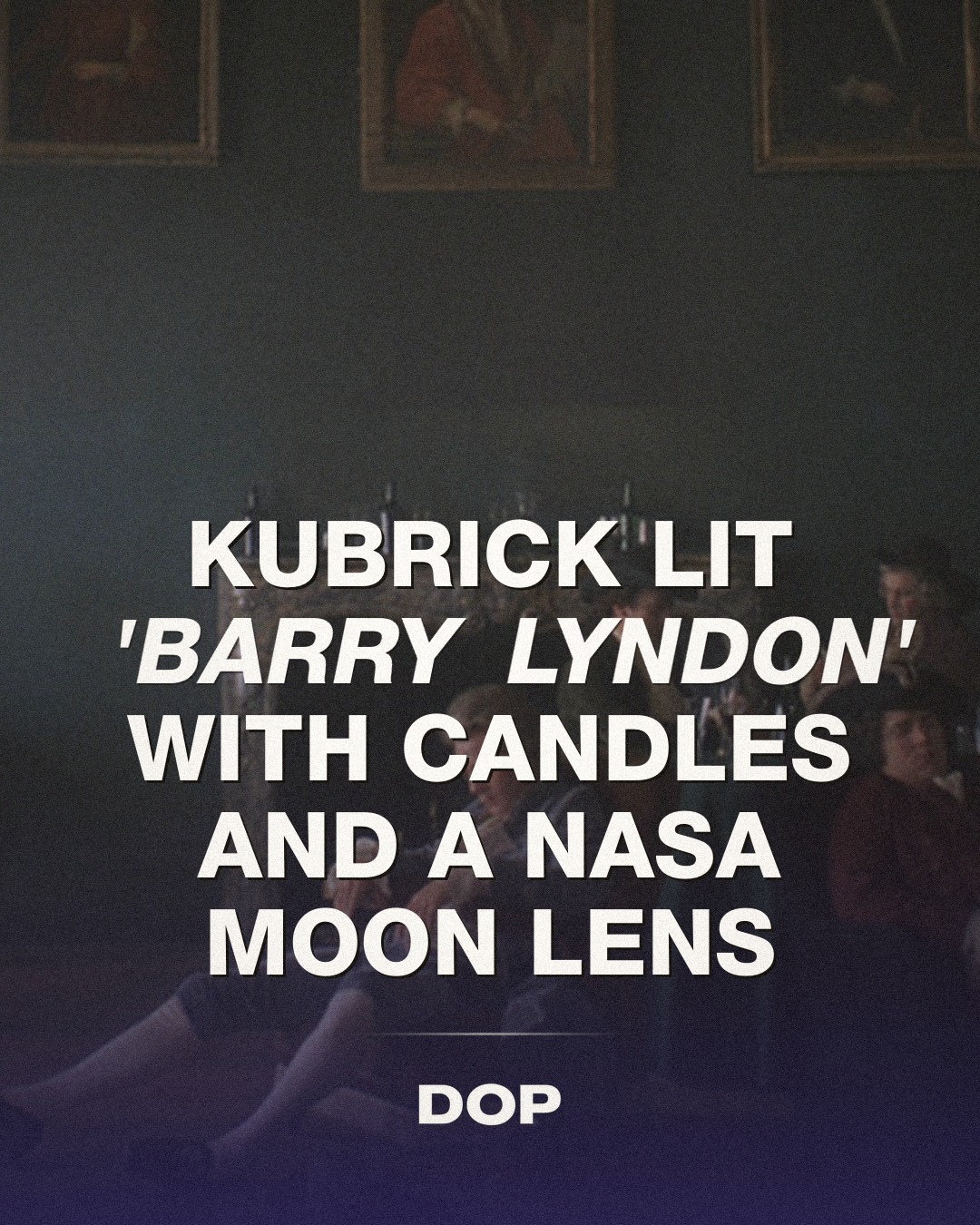
In the annals of cinematic history, few films evoke such immediate reverence for their visual artistry as Stanley Kubrick's 1975 masterpiece, Barry Lyndon. More than just a period drama, it stands as a towering testament to the power of cinematography, largely thanks to a technical innovation so audacious it borders on myth: the use of Carl Zeiss Planar f/0.7 lenses, originally developed for NASA. This wasn't merely a choice of equipment; it was a philosophical statement, a commitment to an aesthetic purity that would forever alter the perception of natural light on screen.
The story begins not in the dimly lit halls of an 18th-century European manor, but in the advanced optics labs of Carl Zeiss in 1966. Tasked with developing lenses for the burgeoning American space program, Zeiss engineered the Planar f/0.7, a lens of unparalleled speed. While the romantic notion of it being designed to photograph the far side of the moon persists, Zeiss itself has clarified that its primary purpose was more grounded, albeit equally critical, for low-light applications in space. Only ten of these optical wonders were ever produced: six went to NASA, one remained with Zeiss, and, in a stroke of cinematic genius, the remaining three found their way into the hands of Stanley Kubrick.
The Kubrickian Vision: Candlelight and Compression
Kubrick's acquisition of these ultra-fast lenses wasn't a whimsical indulgence; it was the cornerstone of his vision for Barry Lyndon. He sought an authenticity previously unattainable in period films: to illuminate scenes solely by natural light, including the flickering glow of hundreds of candles. This wasn't just about aesthetics; it was about immersing the audience in the temporal reality of the 18th century, where electric lights were centuries away. Cinematographer John Alcott, who would justly win an Academy Award for his work, became the maestro of this delicate ballet between available light and extreme optics.
“Kubrick pushed the boundaries of natural light cinematography, forcing a re-evaluation of what was photographically possible on a film set.”
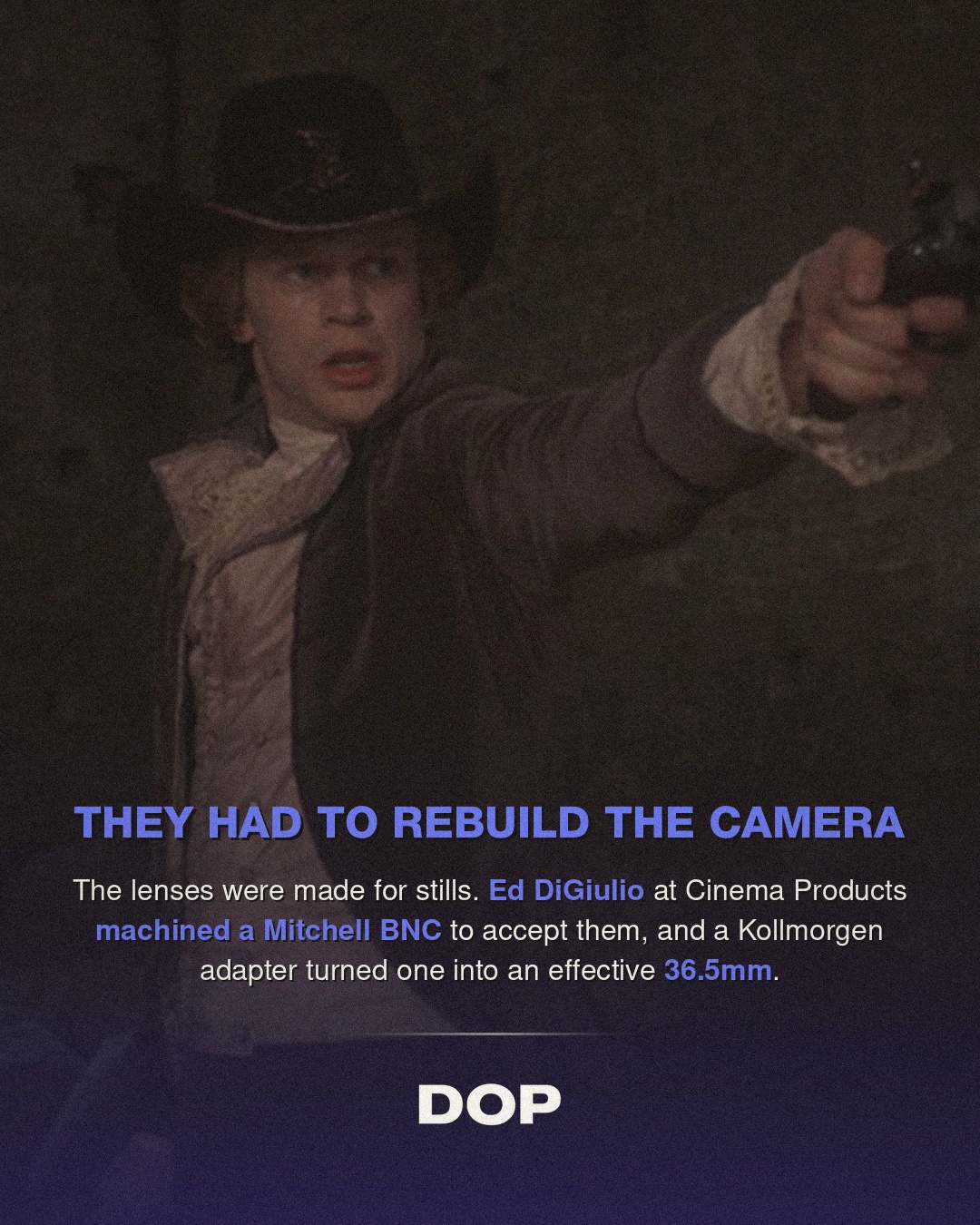
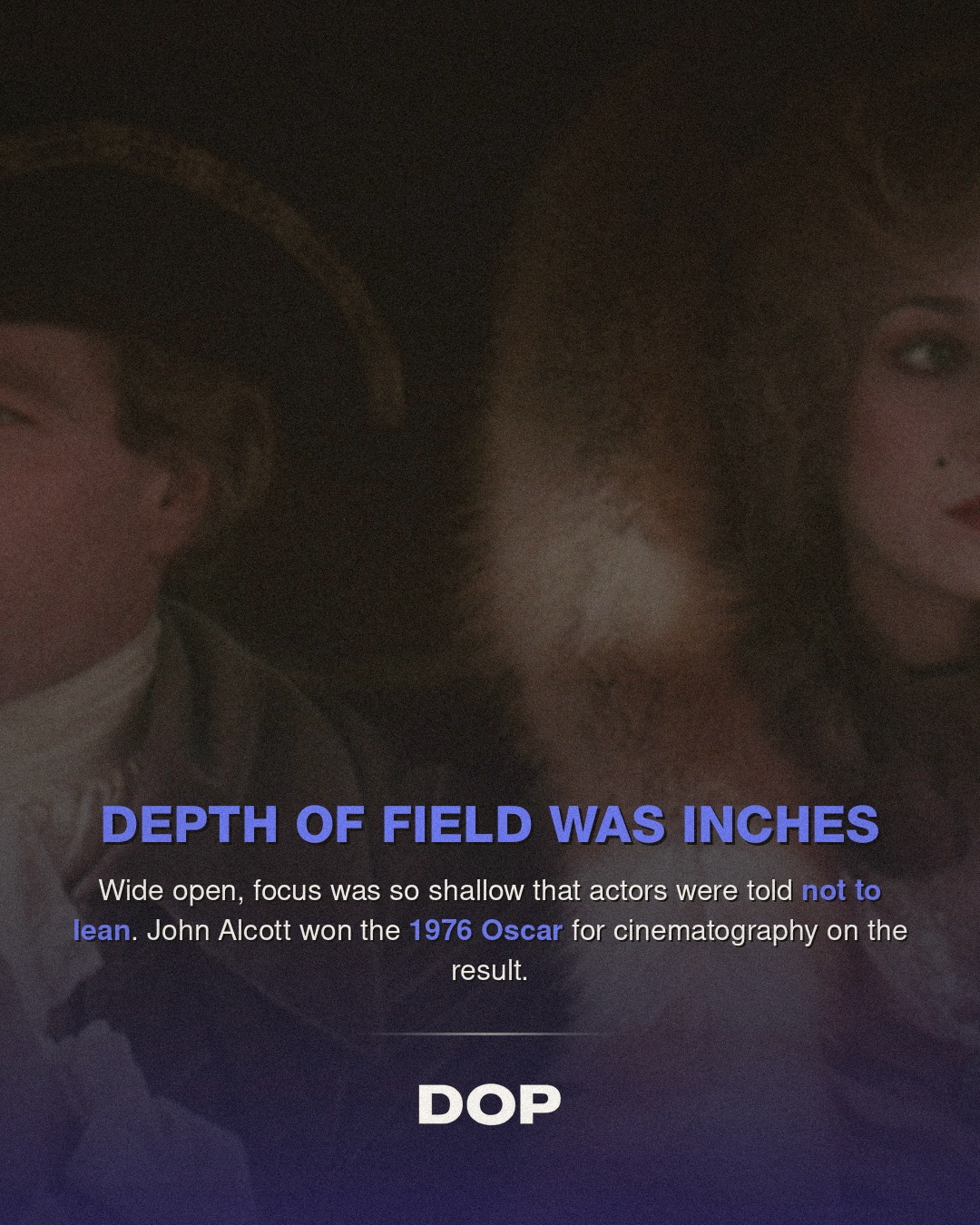
The technical challenges were immense. The f/0.7 Planar lenses were designed for still photography, not motion pictures. Enter Ed DiGiulio of Cinema Products, who meticulously machined and modified Mitchell BNC cameras to accommodate these massive, purpose-built lenses. This wasn't a simple mount swap; it involved significant engineering to ensure precise focus and structural integrity. The sheer size and weight of these lenses, combined with the incredibly shallow depth of field at f/0.7, meant that focus pulling became an art form of its own. Actors were reportedly instructed to minimize movement, holding their positions with a rigidity that contributes to the film's painterly, almost tableau-like compositions.
Beyond the Lens: Lighting Philosophy and Sensor Sensibility
While the f/0.7 lens is the headline, understanding Barry Lyndon's visual language requires appreciating the complete lighting philosophy. Alcott and Kubrick meticulously planned every shot, often relying on practical sources, candles, windows, fireplaces, to sculpt light and shadow. The film's interiors possess a soft, diffused quality, often with a warm, golden cast from the candles, contrasted with the cool, ethereal daylight filtering through large windows. This interplay creates a chiaroscuro effect reminiscent of Dutch Masters paintings, a deliberate artistic choice that aligns perfectly with the film's period setting.
The choice of film stock also played a crucial role. While specific stocks are often debated, it's clear that Kubrick and Alcott were working with the best available low-light emulsions of the era, pushing their capabilities to the limit. The combination of extremely sensitive film and the f/0.7 lens allowed for exposure levels that would be considered impossibly dim by conventional standards. This wasn't just about getting an image; it was about capturing the subtle nuances of light, the way it falls and dissipates, creating a rich, textural quality that feels both authentic and breathtakingly beautiful.
The legacy of Barry Lyndon's cinematography extends far beyond its initial release. It challenged DPs to rethink their approach to natural light, proving that with ingenuity and a relentless pursuit of vision, technical limitations could be overcome. It influenced countless filmmakers, fostering a renewed appreciation for practical lighting and the subtle character of fast glass. In an era dominated by digital sensors and increasingly powerful artificial lighting, Barry Lyndon remains a powerful reminder that sometimes, the most groundbreaking advancements come from adapting existing technologies in unforeseen ways, all in service of an unparalleled artistic vision. It stands as a monumental achievement, a film where the very tools of its creation became an integral part of its enduring legend.