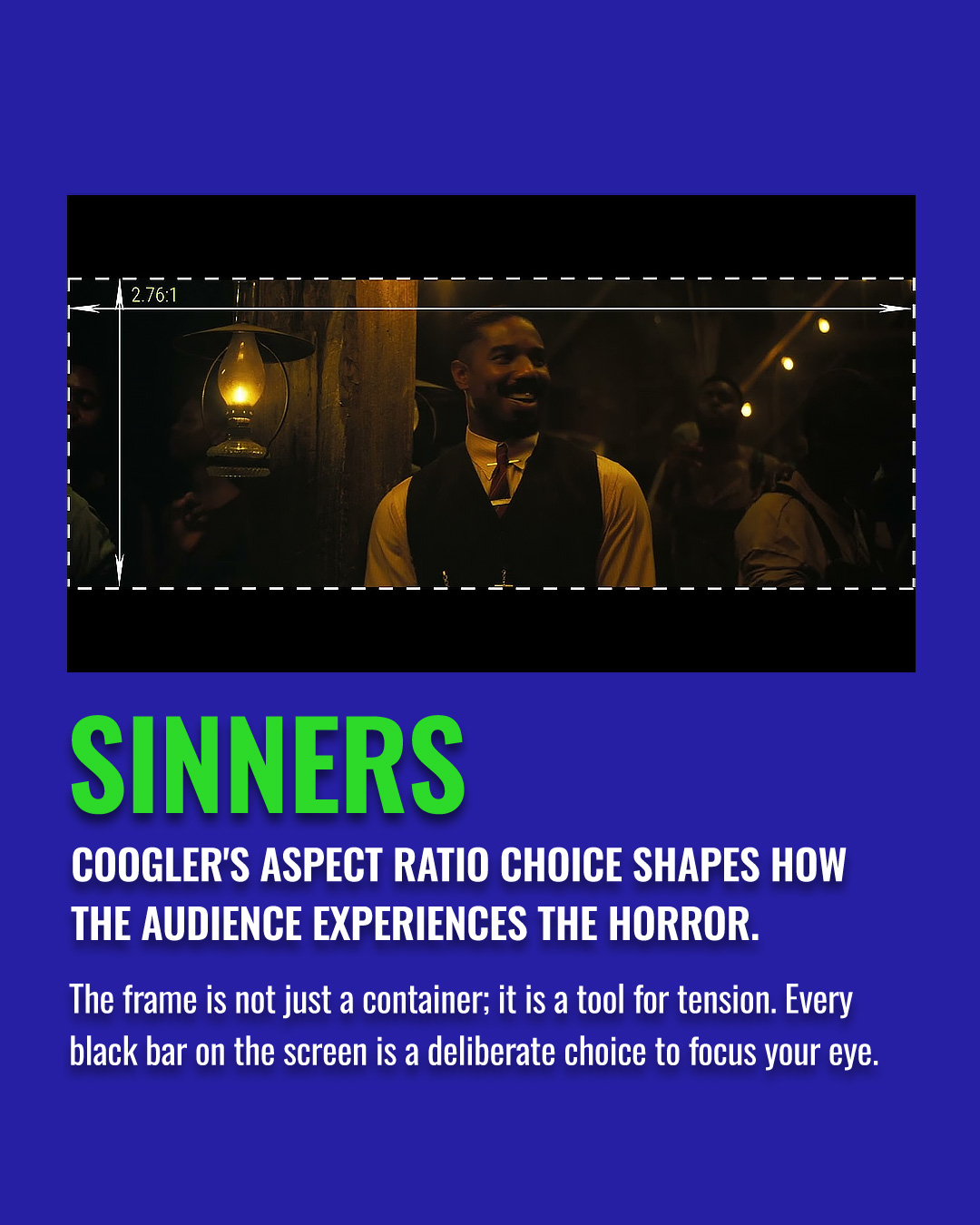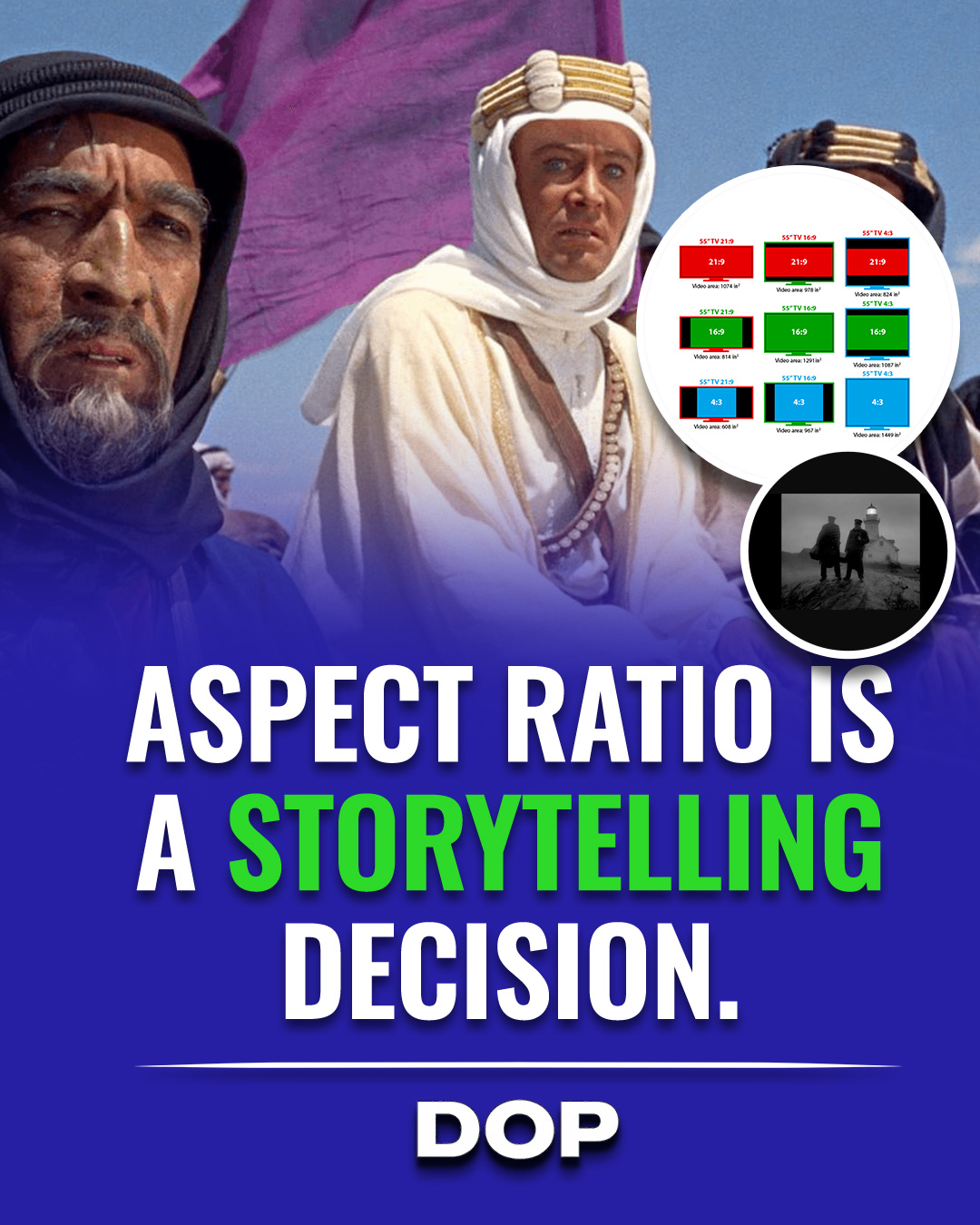
In the rarefied air of high-end cinematography, every decision is a brushstroke, every technical specification a narrative lever. Among these, the aspect ratio stands as one of the most fundamental, yet often misunderstood, choices. It’s far more than just the shape of the image; it’s a pre-compositional act, dictating the very boundaries of our visual storytelling and profoundly influencing how an audience perceives character, environment, and narrative tension.
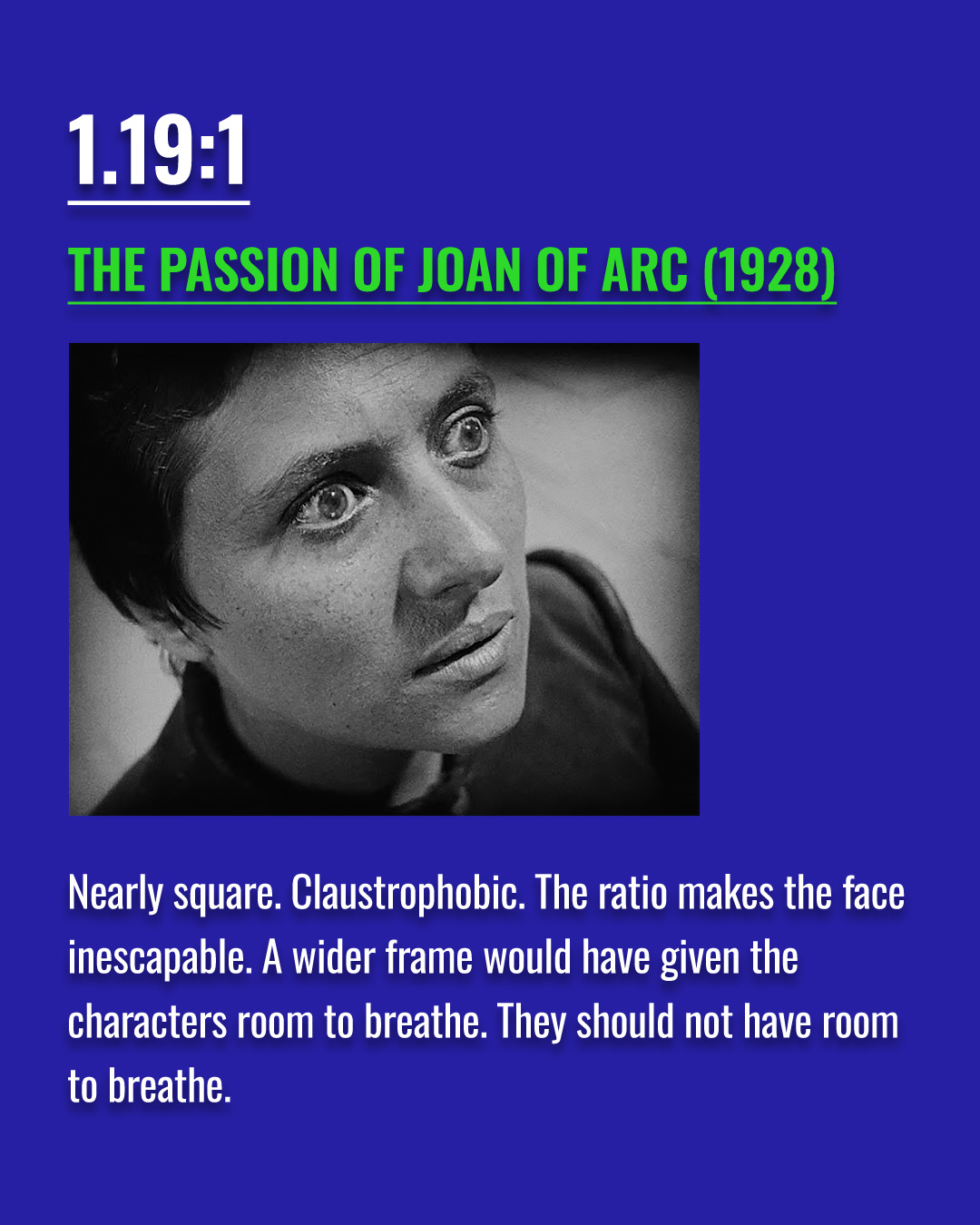
Consider the stark, unsettling world of Robert Eggers’ The Lighthouse (2019), masterfully lensed by Jarin Blaschke. Their choice of a 1.19:1 aspect ratio was not an aesthetic whim, but a calculated narrative assault. This nearly square frame, reminiscent of early silent cinema and the nascent days of sound, is inherently claustrophobic. By severely restricting horizontal visual information, Blaschke denied his characters—and by extension, the audience—any sense of peripheral escape. The frame itself becomes a cage, trapping Willem Dafoe and Robert Pattinson in a perpetual state of inescapable proximity, intensifying their descent into madness. There's no room to breathe, no distant horizon to offer solace; only the oppressive verticality of the lighthouse and the encroaching madness within its walls. This deliberate constriction forces an unnerving intimacy, making the environment an active antagonist, not just a backdrop.
The Power of the Frame: From Claustrophobia to Grandeur
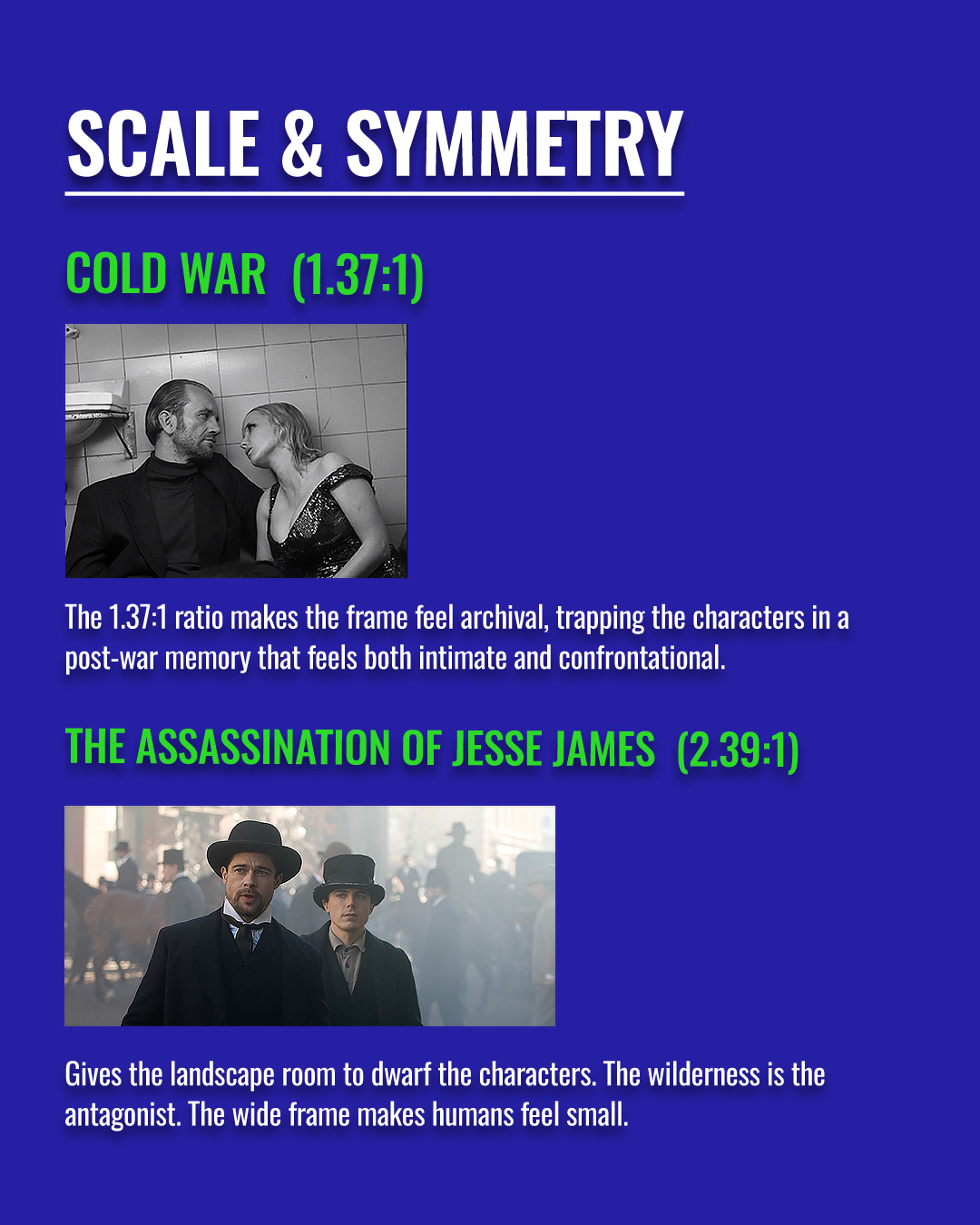
Contrast this with the meticulous, often whimsical worlds crafted by Wes Anderson. His consistent embrace of the 1.37:1 aspect ratio, the so-called 'Academy Ratio' of early sound cinema, is equally deliberate. For Anderson, this taller frame perfectly accommodates his signature symmetrical compositions and his diorama-like visual aesthetic. It creates a contained, often theatrical proscenium feel, allowing him to arrange characters and props with painterly precision within a visually stable, almost static environment. The 1.37:1 ratio, while seemingly antiquated to some, is precisely what allows Anderson’s meticulous visual grammar to flourish, turning each frame into a carefully curated tableau, brimming with detail and idiosyncratic charm. It’s a ratio that invites the audience to observe, to appreciate the artistry of the arrangement, rather than to be swept away by expansive vistas.
Then there's the breathtaking, often brutal landscape cinematography of Emmanuel Lubezki. In Alejandro G. Iñárritu’s The Revenant (2015), Lubezki opted for the expansive 2.39:1 anamorphic format. This ultra-wide aspect ratio was not chosen for mere cinematic grandeur; it was a narrative imperative. The vast, unforgiving wilderness of the American frontier needed to dwarf Hugh Glass, to make him a tiny, vulnerable speck against the indifferent majesty of nature. The 2.39:1 ratio provides copious horizontal space, allowing the environment to breathe, to stretch, and crucially, to function as the film's primary antagonist. The sheer scale of the landscapes, the endless forests, the raging rivers, all serve to emphasize Glass's isolation and his desperate struggle for survival. The wider frame accentuates the visual information that is around the characters, placing them firmly within a hostile and overwhelming world.
“The selection of aspect ratio determines what the audience can see, what is excluded, and how relationships between characters and environment are experienced. A wider ratio provides horizontal space and environmental context. A taller ratio compresses and confines.”
Beyond the Technical: The Emotional Canvas
These examples are not mere technical footnotes; they are foundational pillars of each film's visual language and emotional impact. The aspect ratio is a primary tool for framing narrative intent. A wider ratio, such as 2.39:1, inherently provides more horizontal space, offering environmental context and a sense of scale. It can evoke freedom, isolation, or the grandeur of a sweeping landscape. Conversely, a taller ratio, like 1.19:1 or 1.37:1, compresses and confines, fostering intimacy, claustrophobia, or a heightened focus on the human face and form. It can create a sense of being trapped, observed, or intimately connected.
The choice of aspect ratio should never be a default, nor should it be driven by the erroneous assumption that 'wider is always more cinematic' or 'standard is always more intimate.' Such generalizations betray a superficial understanding of the craft. Instead, DPs like Blaschke, Lubezki, and the cinematographers who collaborate with Anderson, treat aspect ratio as a crucial pre-production decision, a narrative compass guiding the visual journey. It's about understanding the emotional and narrative requirements of the specific story being told. Does the narrative demand a sense of oppressive confinement, or an expansive vista of human vulnerability? Does it call for the meticulous arrangement of a theatrical stage, or the immersive sweep of a natural epic?
Ultimately, the aspect ratio is one of the most powerful, yet often subliminal, ways a cinematographer can shape audience perception and emotional engagement. It's the first frame of the story, defining the canvas upon which all other visual elements will be painted. A truly masterful DP doesn't just fill the frame; they choose the frame itself, making it an integral, expressive part of the storytelling.