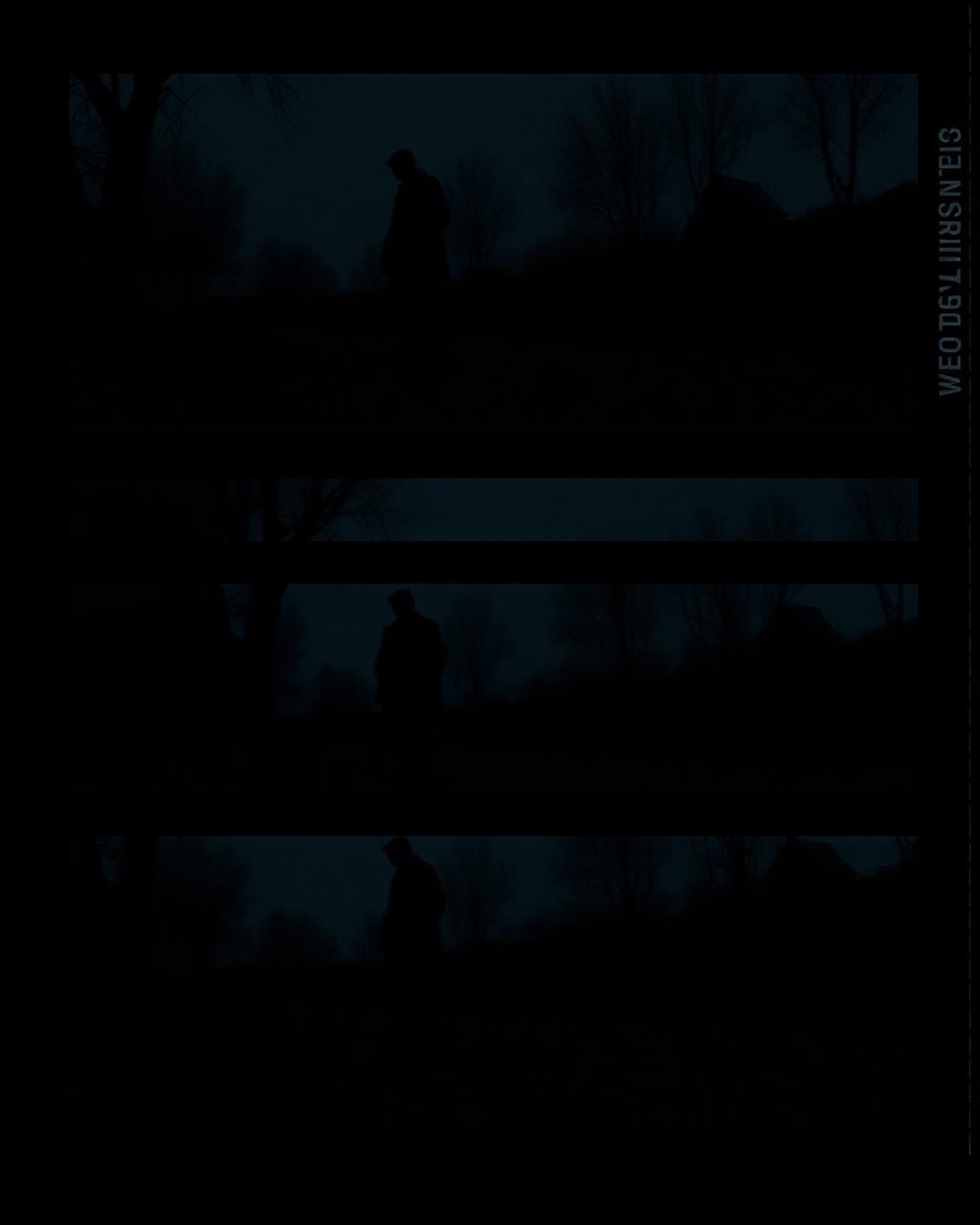
Benjamin Loeb's choice of aspect ratio for Zi is a direct visual argument against the cinematic tradition of Hong Kong filmmaking that preceded it. The film uses a boxy aspect ratio—likely 1.33:1 or 4:3, the square-ish proportions of pre-widescreen cinema—in a city that has become synonymous with sweeping, panoramic cinematography. This is not accidentally boxy. This is deliberately boxy. The frame's shape is the film's statement.
Screen Daily noted that the boxy ratio "emphasises shadows and fluorescent lights" rather than cityscape panorama. This is precise observation. A wide aspect ratio—the 2.35:1 anamorphic or even the 1.85:1 theatrical standard—opens the frame horizontally. It invites the eye to scan across the image, to see the city's scale, to appreciate the panoramic beauty of architecture and landscape. A boxy ratio refuses that invitation. The frame presses inward. The city is not opened. It is compressed.
Kogonada and Loeb were working against a specific cinematic lineage. Wong Kar-wai and cinematographer Christopher Doyle built an entire visual tradition across the 1990s and 2000s around wide, fluid, slow-motion cinematography of Hong Kong. Their Hong Kong is romantic, neon-lit, architecturally sophisticated, visually gorgeous. The cityscape is the subject. The characters move through the beauty like navigating a visual terrain. This is one of cinema's most seductive and influential visual languages.
In Zi, Hong Kong is not romantic. It is dense. It is fluorescent. The boxy frame makes the city claustrophobic rather than expansive. The character cannot see around. The frame does not open to show her the scale of the environment. Instead, the frame creates the sense that she is trapped in narrow urban corridors, surrounded by the city's density, unable to escape the visual pressure of the environment pressing in from all sides.
The fluorescent light is crucial to this argument. Where Wong Kar-wai's Hong Kong uses neon in romantic registers, Loeb's Hong Kong uses fluorescent as the dominant light source—cold, clinical, institutional. The boxy frame emphasizes the fluorescent by containing it. A wide frame might diffuse the fluorescent's presence. A boxy frame concentrates it. The light fills the space between the frame edges. The viewer cannot escape it.
Aspect ratio is one of the most fundamental cinematographic choices, and it is often overlooked in discussions of visual language. The frame's shape determines what the viewer can see and cannot see. It determines composition possibilities. It determines the viewer's psychological relationship to the image. A boxy 4:3 frame reads differently than a theatrical 1.85:1, which reads differently than an anamorphic 2.35:1. These are not stylistic variations. These are fundamental perceptual differences.
For cinematographers making aspect ratio decisions, Loeb's Zi demonstrates that the choice can be a statement about what kind of story you are telling. If you are telling a story about a character navigating a vast city, the wide aspect ratio invites that geography. If you are telling a story about a character trapped by urban density, a boxy ratio communicates that entrapment. The aspect ratio does not just contain the image. It argues about what the image means.
Loeb's choice is also a choice against contemporary convention. Most contemporary films, especially festival-circuit cinema, default to theatrical 1.85:1 or anamorphic 2.35:1. Shooting in 4:3 signals deliberate rejection of the contemporary norm. It reads as a statement. In the context of Zi, that statement is: this Hong Kong is not the Hong Kong you have seen before. This is not Wong Kar-wai's city. This is a different visual argument.
Gear Recommendations
- Atlas Lens Co. Orion 2x Anamorphic | Adorama – B&H Photo
- Vazen 40mm 1.8x Anamorphic | Adorama – B&H Photo
- Kodak Vision3 500T 5219 35mm | Adorama – B&H Photo
- Kodak Vision3 50D 5203 16mm | Adorama – B&H Photo
- Kodak Vision3 200T 5213 | Adorama – B&H Photo
Note: Links above are affiliate links. Occupy Cinematography may earn a commission on qualifying purchases at no additional cost to you.