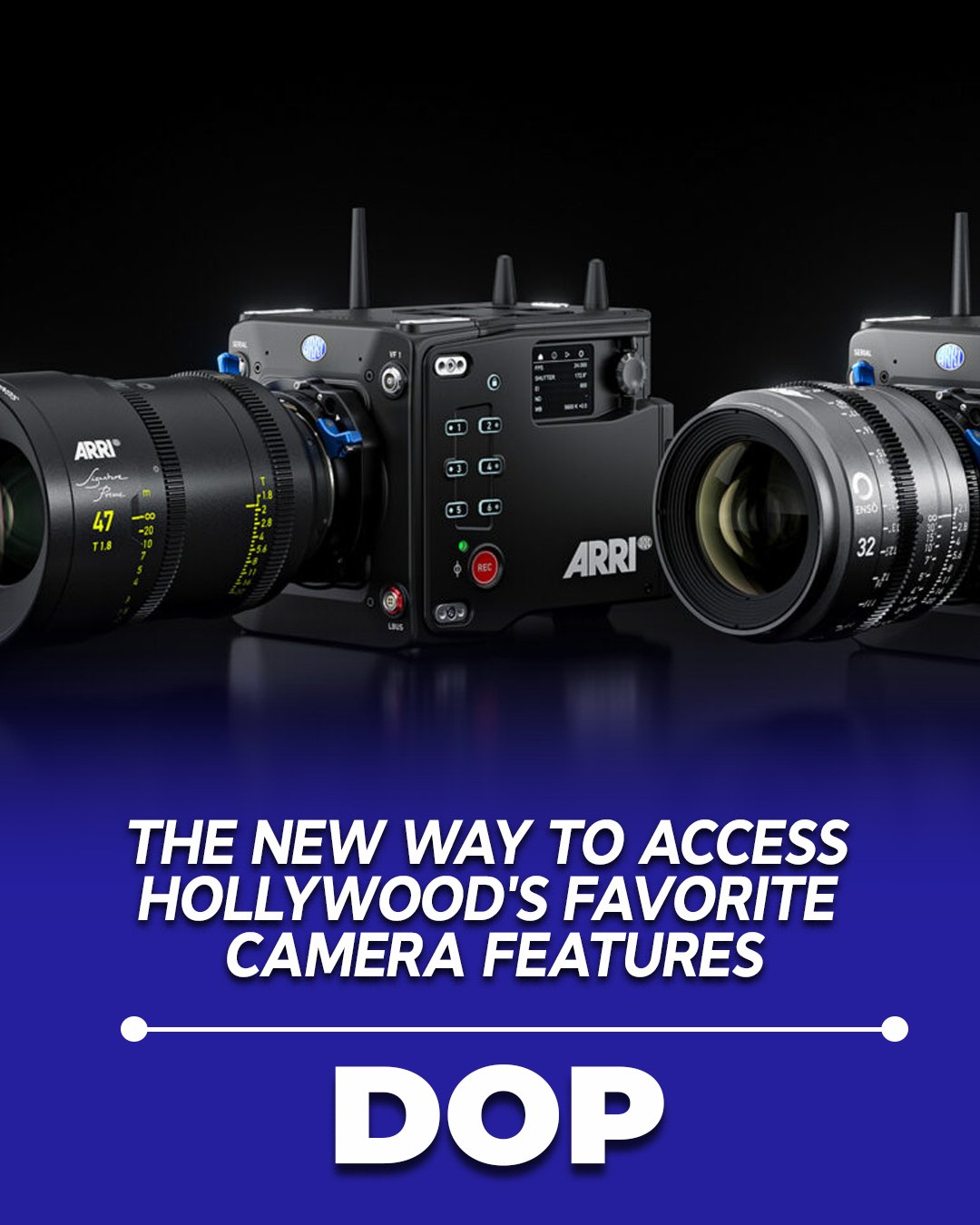
In the ever-evolving landscape of digital cinematography, camera manufacturers are constantly innovating, not just in sensor technology or ergonomic design, but in how their sophisticated tools are deployed and utilized on set. ARRI, a name synonymous with cinematic excellence, has introduced a fascinating and somewhat controversial licensing system for its flagship ALEXA 35. This tiered approach to features, rather than being a mere technical footnote, represents a significant shift in the economics and operational flexibility of high-end camera rentals.
At its core, the ALEXA 35's licensing model allows rental houses to configure a single camera body with different feature sets based on a production's specific needs. Imagine a base camera, capable of stunning 4.6K imagery, but then unlocking enhanced frame rates for a high-speed sequence, additional recording formats like ARRIRAW HFR for a VFX-heavy shoot, or extended timecode options for multi-camera setups, all through software licenses. This isn't just about offering more choices; it's about optimizing inventory and maximizing the utility of a substantial capital investment.
The Economics of Adaptability
For decades, rental houses have grappled with the challenge of maintaining a diverse and up-to-date inventory. Different productions demand different capabilities, often leading to the purchase of multiple camera variants or specialized units that might see infrequent use. ARRI's licensing system directly addresses this pain point. Instead of needing to stock an ALEXA 35 with a dedicated high-speed package and another with specific recording formats, a single ALEXA 35 can dynamically transform its capabilities to meet diverse client requirements. This flexibility translates into more efficient inventory management, reduced overheads, and potentially a quicker return on investment for rental companies.
"The ALEXA 35's licensing model isn't just about selling features; it's about selling adaptability, a crucial commodity in today's fast-paced production environment."
This approach isn't entirely new to the tech world, but its robust implementation in high-end cinema cameras marks a significant step. It mirrors the software-as-a-service (SaaS) model, where functionality is unlocked or enhanced through subscriptions or one-time licenses. For cinematographers, this means that while the core imaging prowess of the ALEXA 35 remains consistent, the specific tools available to them on any given rental can be precisely tailored to their creative and technical demands, ensuring they're not paying for features they don't need, or conversely, that the specific feature they absolutely require is readily available.
Impact on Cinematography and Production Workflows
From a creative perspective, this system empowers DPs and their teams with unprecedented flexibility. A cinematographer might be tasked with a project requiring standard frame rates for dialogue scenes, but then a specific sequence demands 120fps for a slow-motion effect. With a licensed ALEXA 35, there's no need to swap camera bodies or incur additional rental costs for a separate high-speed unit. The camera's capabilities can be adjusted on the fly, streamlining on-set operations and reducing logistical complexities. This adaptability can foster greater creative freedom, allowing DPs to explore more ambitious visual approaches without being constrained by hardware limitations.
Consider the technical implications: the ALEXA 35, with its new ALEV 4 sensor, boasts a 17-stop dynamic range and ARRI's new REVEAL Color Science, delivering stunning image quality. The licensing system doesn't alter these fundamental characteristics but rather expands the operational envelope within which this image quality can be captured. For example, unlocking ARRIRAW HFR allows cinematographers to push the boundaries of visual effects plates or capture hyper-realistic slow motion with the full fidelity of ARRI's raw codec, previously a more cumbersome proposition without dedicated high-speed cameras or specific camera configurations.
The Future of Camera Ownership and Rental
While the initial reaction to such a system might raise questions about perceived limitations or additional costs, the long-term benefits for the industry, particularly rental houses, are substantial. It allows them to maximize the utilization of their core assets and offer a more granular, project-specific service to their clients. For cinematographers, it means access to a highly versatile tool that can be precisely configured for their vision, avoiding the 'one-size-fits-all' approach that can sometimes compromise creative intent or inflate rental budgets.
The ALEXA 35's licensing system is more than just a pricing strategy; it's a strategic response to the evolving demands of modern film production. It underscores a shift towards software-defined hardware, where a camera's true potential is unlocked not just through its physical components, but through intelligent, adaptable software. As the industry continues to push the boundaries of visual storytelling, such innovative approaches to camera deployment will undoubtedly play a critical role in empowering filmmakers with the tools they need to bring their cinematic visions to life.
This article contains affiliate links. We may earn a small commission at no extra cost to you. Learn more.