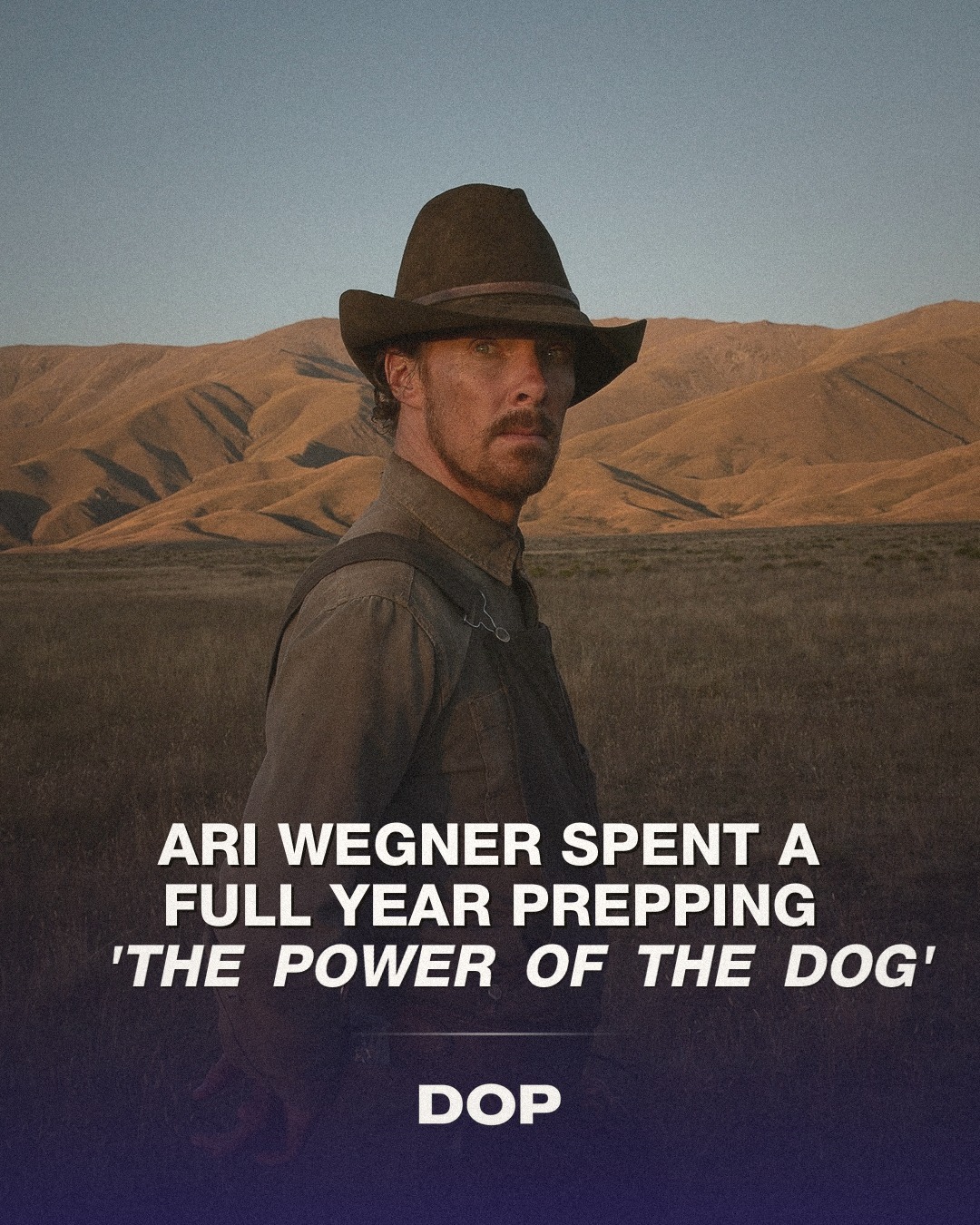
In the rarefied air of auteur cinema, true collaboration often begins long before the first frame is exposed. For Ari Wegner, ASC, ACS, and her masterful work on Jane Campion’s The Power of the Dog, this wasn’t just a preference, it was a mandate. Campion’s singular condition for her director of photography was an unwavering commitment: a full year of immersion before principal photography even began. This extraordinary prelude speaks volumes about the depth of visual storytelling Campion demands and the caliber of cinematographer required to meet it. Wegner, already lauded for her evocative work on films like Lady Macbeth and Zola, embraced this challenge, embarking on a journey that would etch the vast, unforgiving landscapes of 1920s Montana onto the cinematic canvas, even if that canvas was, in reality, New Zealand’s South Island.
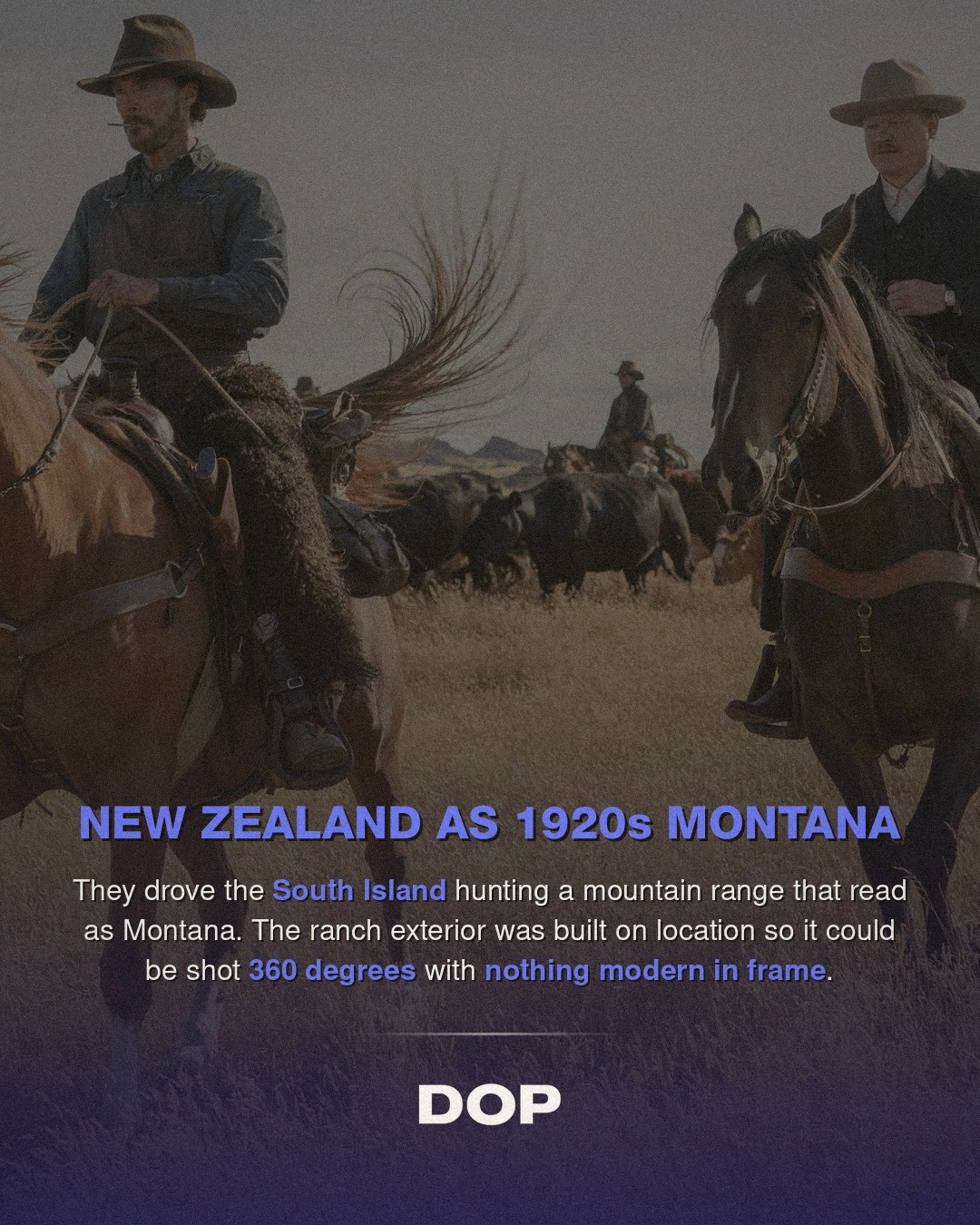
The genesis of The Power of the Dog’s visual identity was forged in these months of reconnaissance. Wegner and Campion crisscrossed the South Island, meticulously scouting locations that could convincingly stand in for the rugged, expansive plains of Montana. This wasn't merely about finding picturesque backdrops; it was about understanding the light, the texture of the land, and how these elements would inform the psychological drama unfolding within. Their quest culminated in the construction of the Burbank ranch, a pivotal set designed for 360-degree shooting. This architectural decision was a game-changer, liberating the camera from traditional constraints and allowing Wegner to capture the characters’ isolation and the omnipresent, almost suffocating, grandeur of their environment without compromise.
Crafting the Aesthetic: Light, Lens, and Landscape
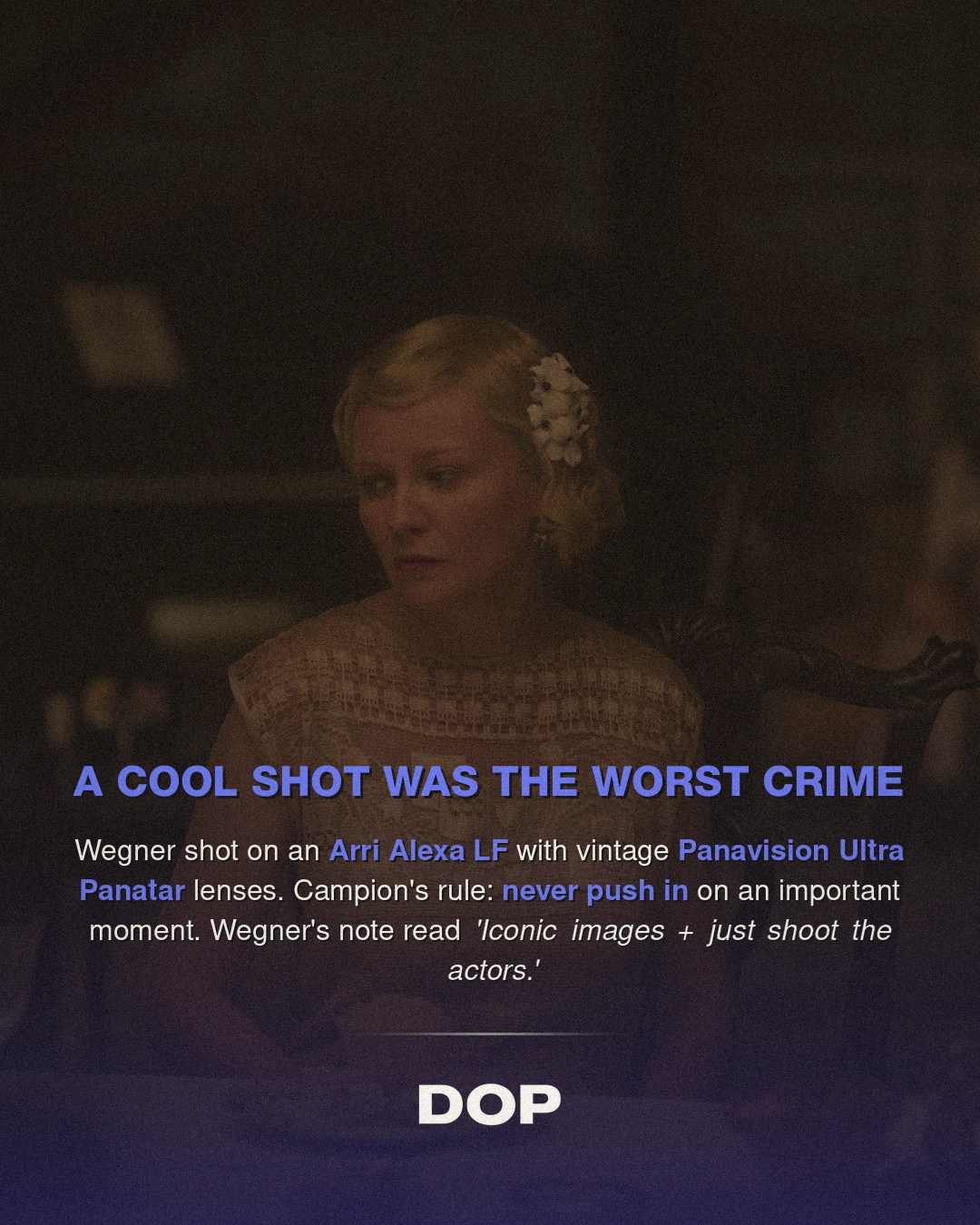
Wegner’s technical choices were as deliberate as her preparatory journey. To capture the sweeping vistas and the intimate, yet often fraught, human drama, she opted for the ARRI Alexa LF. The large-format sensor provided an expansive canvas, lending a tactile realism and depth to the imagery that was crucial for Campion’s vision. Paired with this cutting-edge digital sensor were vintage Panavision Ultra Panatar lenses. This seemingly counterintuitive combination, modern digital capture with classic anamorphic glass, was a stroke of genius. The Ultra Panatars, known for their distinctive oval bokeh, subtle fall-off, and unique flaring characteristics, imbued the pristine LF image with a melancholic, almost painterly quality, perfectly echoing the film’s period setting and its underlying themes of repression and longing. The anamorphic squeeze further emphasized the horizontal expanse of the landscape, dwarfing the human figures within it and underscoring their solitude.
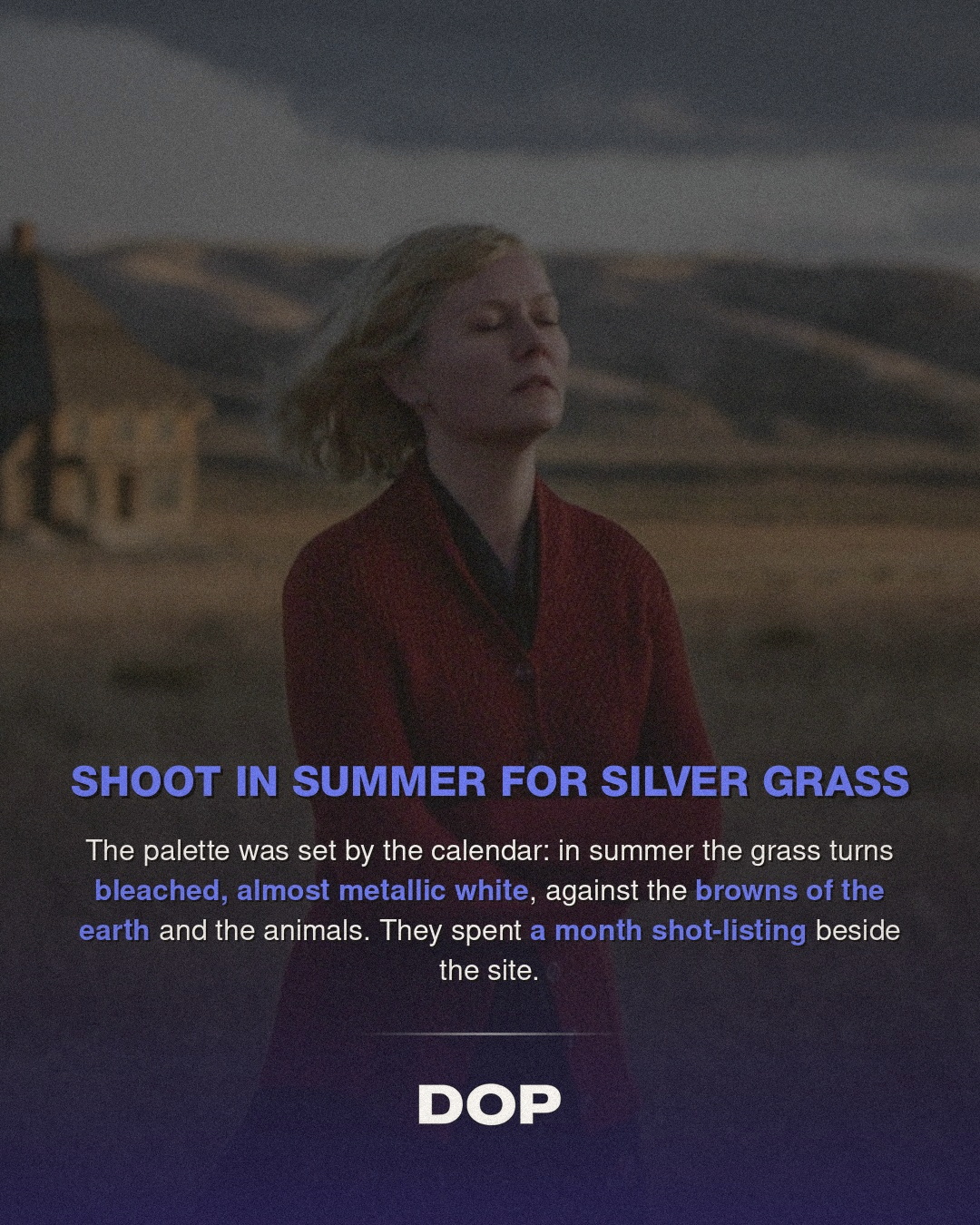
The interplay of light was another critical element. The caption notes how summer turned the grass “almost metallic white.” This observation hints at Wegner’s acute sensitivity to natural light and its transformative power. She harnessed the harsh, high-contrast light of the New Zealand summer, allowing it to sculpt the environment and the characters. The metallic sheen on the grass suggests a desaturated, almost bleached palette, which contributes to the film’s austere beauty and the characters' emotional desiccation. Rather than fighting the natural light, Wegner embraced its intensity, using it to define textures, create stark shadows, and evoke the unforgiving nature of the land and the men who inhabit it.
“The year of prep wasn't just about scouting locations; it was about internalizing the very breath of the landscape, understanding how light would sculpt both the environment and the characters' inner lives.”
The Campion-Wegner Language: A Shared Vision
Jane Campion’s directorial directives are legendary for their specificity, and The Power of the Dog was no exception. One particularly telling instruction was her ban on push-ins during important moments. This seemingly simple rule carries profound cinematic weight. The push-in is a classic technique for emphasizing a character’s reaction or a crucial detail, drawing the audience’s eye directly to it. By forbidding it, Campion and Wegner deliberately chose a more observational, less manipulative approach. This forced the camera to hold its distance, allowing the audience to absorb performances, spatial relationships, and environmental cues more organically. It fostered a sense of quietude and allowed the emotional weight of a scene to unfold without overt cinematic punctuation, aligning perfectly with the film’s restrained yet potent emotional landscape.
Wegner’s filmography showcases a remarkable versatility, yet a consistent thread of visual precision and emotional depth runs through her work. From the stark, almost Dutch Master-esque compositions of Lady Macbeth to the vibrant, chaotic energy of Zola, she demonstrates an innate ability to craft a visual language that serves the narrative. In The Power of the Dog, her collaboration with Campion elevates this to an art form. The long, contemplative takes, the deliberate camera movements (or lack thereof), and the masterful use of negative space all contribute to a film that feels both epic and intensely personal. The color science, too, plays a crucial role; a subdued, earthy palette dominates, punctuated by the occasional pop of color, a red scarf, a vibrant wildflower, that feels all the more significant due to its rarity.
The year-long immersion wasn’t just a logistical exercise; it was an alchemical process. It allowed Wegner to deeply understand Campion’s artistic intentions, to absorb the script’s nuances, and to develop an intuitive connection with the environment that would become the film’s silent, yet ever-present, character. The result is a film where every frame feels considered, every shadow purposeful, and every expansive vista laden with unspoken emotion. The Power of the Dog stands as a testament to the power of meticulous preparation, the synergy of a visionary director and a gifted cinematographer, and the enduring magic of cinema itself.