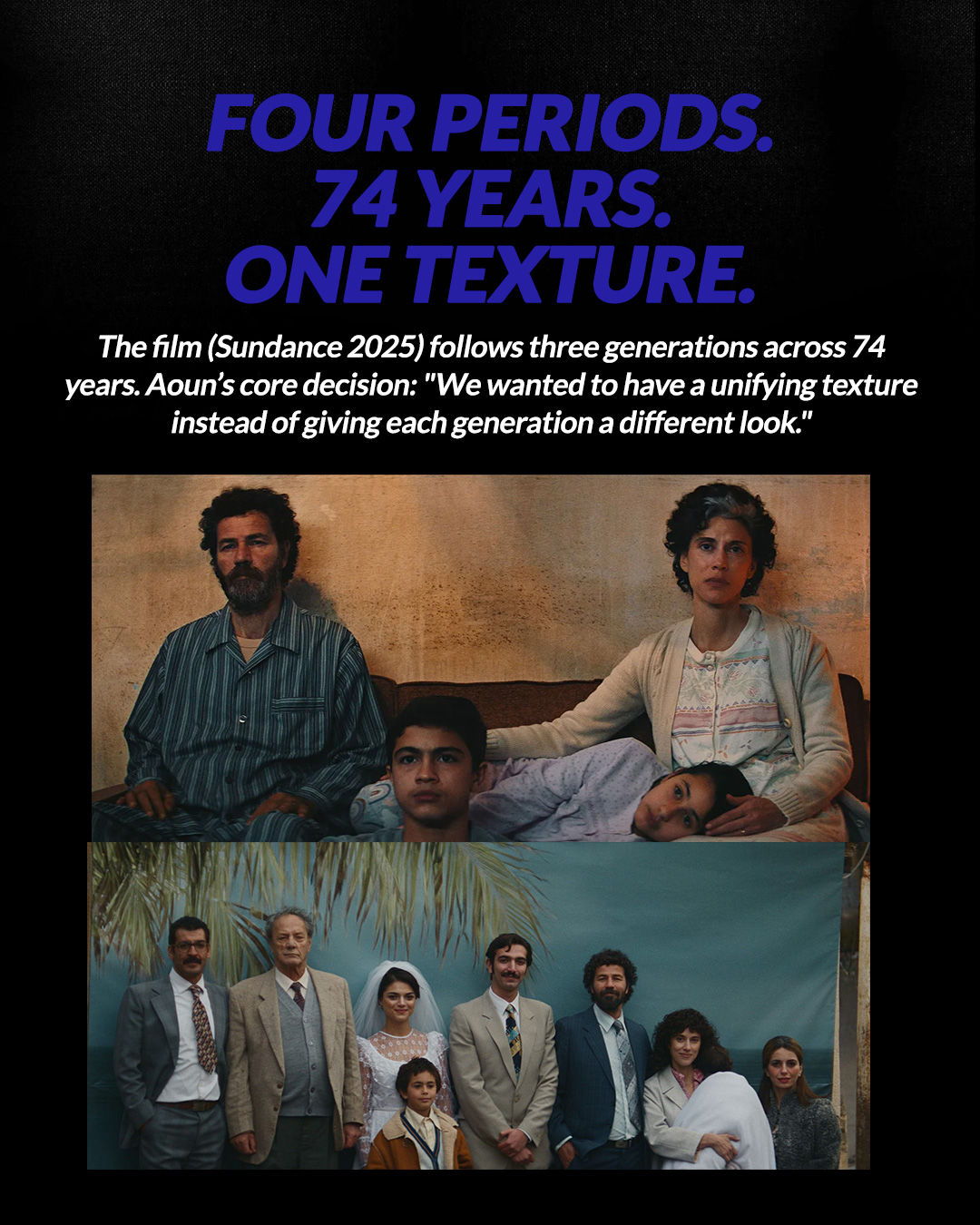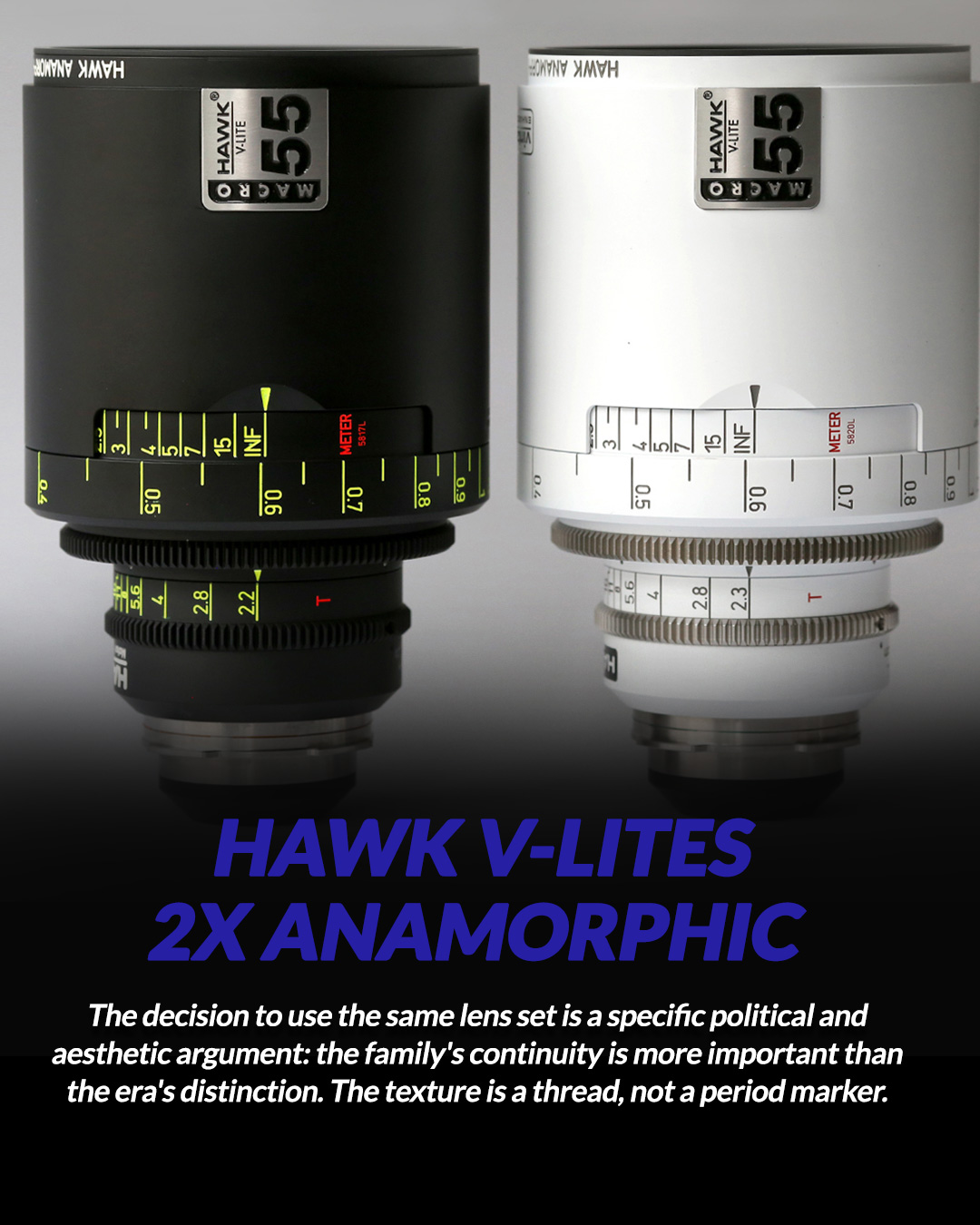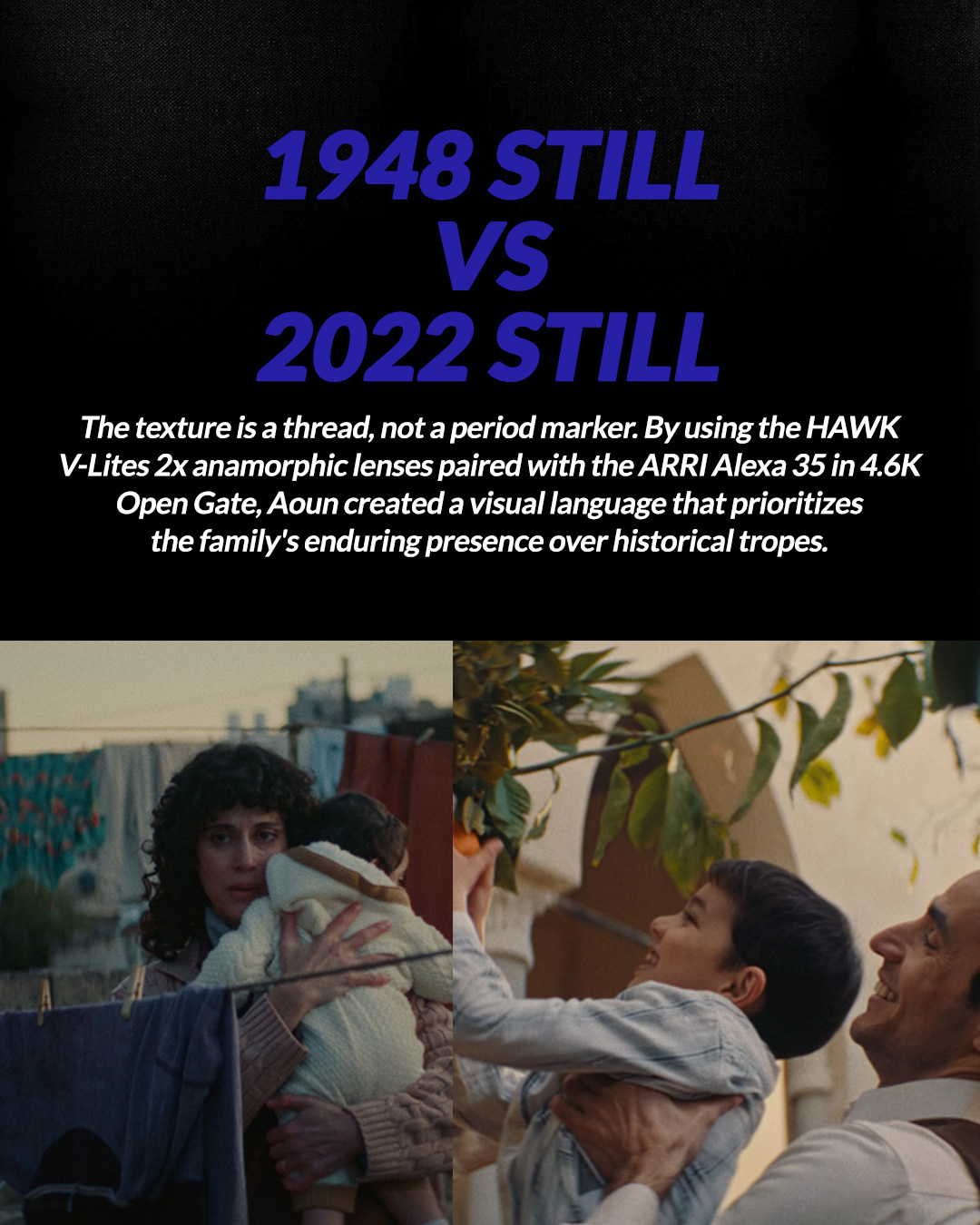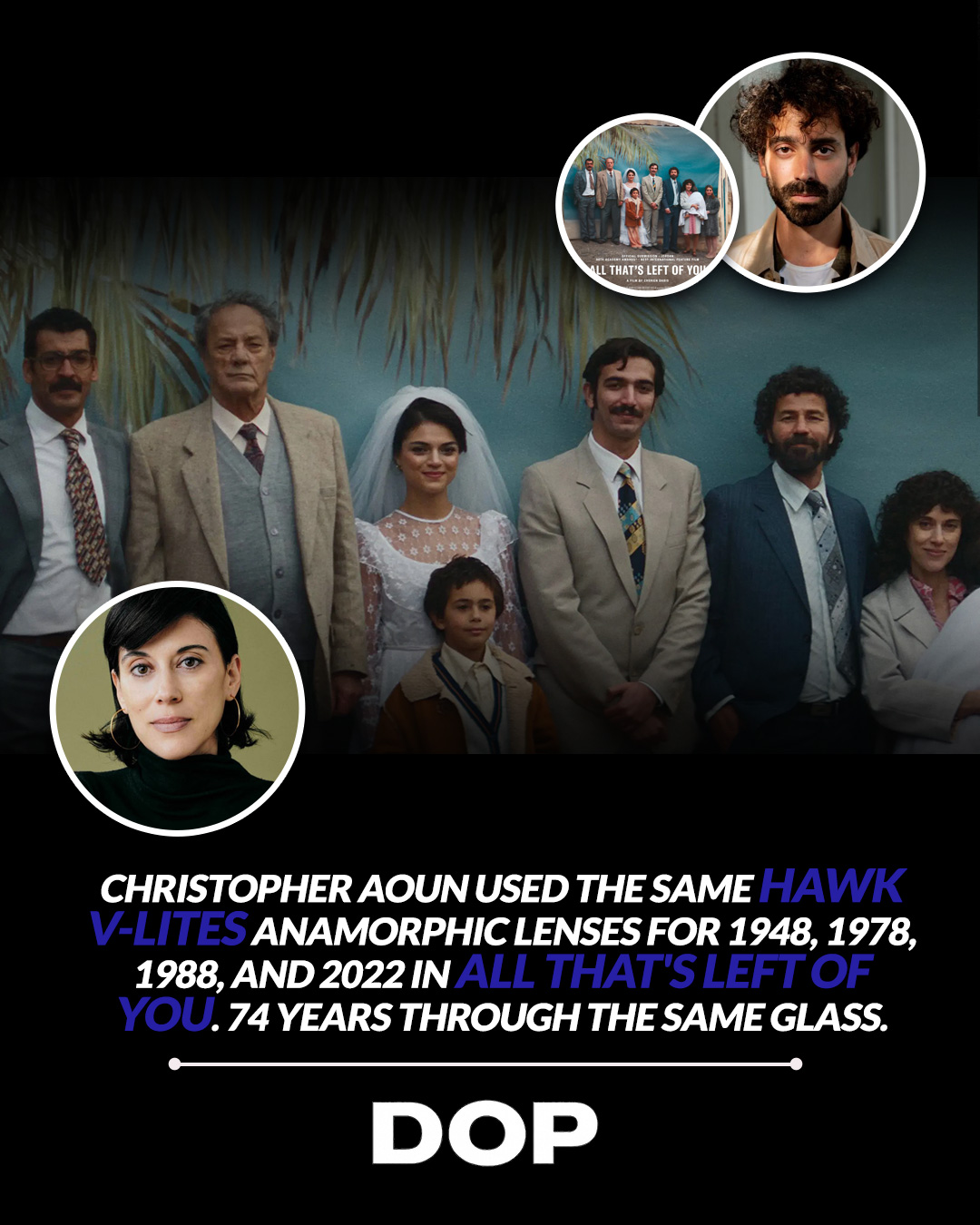
In an industry often obsessed with period authenticity through visual differentiation, Cinematographer Christopher Aoun BVK, alongside director Cherien Dabis, has delivered a profound aesthetic statement with All That's Left of You. Premiering at Sundance 2025, this multi-generational Palestinian family drama spans an astonishing 74 years, from 1948 to 2022. Yet, in a move that defies conventional wisdom, Aoun opted to shoot all four distinct time periods with the exact same set of Hawk V-Lite 2x anamorphic lenses on an ARRI Alexa 35. This wasn't merely an artistic flourish; it was a deeply considered visual argument for continuity over temporal fragmentation.
The prevailing cinematic approach to portraying historical periods often involves a deliberate manipulation of visual language: different film stocks, varying levels of grain, distinct color palettes, or even specific vintage lenses to evoke a bygone era. Think of the desaturated, gritty textures of war films set in the mid-20th century, or the vibrant, often softer looks of 70s nostalgia pieces. These techniques serve to immediately orient the audience within a specific timeframe. Aoun and Dabis, however, consciously rejected this visual demarcation. Their decision speaks volumes about the film's thematic core: the enduring spirit and continuity of a family, and by extension, a people, across decades of upheaval.
The Unifying Power of Anamorphic Glass
Aoun’s choice of the Hawk V-Lite 2x anamorphic lenses is particularly insightful. Hawk anamorphics are celebrated for their organic, painterly quality, characterized by beautiful, elongated bokeh, subtle flaring, and a gentle fall-off that can imbue images with a certain timeless elegance. Unlike some anamorphics that can be overly aggressive in their optical aberrations, the V-Lites offer a refined balance. By employing these lenses consistently, Aoun ensures that despite the passage of decades, the visual texture of the narrative remains unbroken. The same distinctive anamorphic breathing, the same elliptical out-of-focus elements, the same subtle character, binds 1948 to 2022. This creates a powerful, almost spiritual, tether between generations, emphasizing that while the world around them changes, the essence of the family endures.
"We wanted to have a unifying texture instead of giving each generation a different look by using the same lenses throughout."
This quote from Aoun to IndieWire succinctly articulates the film's visual thesis. The "unifying texture" becomes a character in itself, a silent narrator speaking to the unbroken lineage and shared experience of the family. It suggests that the past isn't merely a predecessor to the present but an active, living component of it. For cinematographers, this presents a fascinating challenge: how do you convey the passage of time without relying on the usual visual crutches? Aoun and Dabis demonstrate that the answer lies in focusing on the human element, allowing the performances, production design, and narrative beats to define the era, while the cinematography provides a bedrock of visual consistency.
Technical Harmony: Alexa 35 and Hawk V-Lites
The pairing of the Hawk V-Lites with the ARRI Alexa 35 in 4.6K Open Gate further underscores the technical sophistication of this approach. The Alexa 35, with its new ALEV 4 sensor, offers an unparalleled dynamic range and a native ISO that provides incredibly clean images, even in challenging low-light conditions. Shooting Open Gate maximizes the sensor's real estate, allowing for greater flexibility in post-production reframing, but more importantly, it captures the full character of the anamorphic lens. This combination ensures that the nuanced optical qualities of the V-Lites – their gentle focus fall-off, subtle barrel distortion, and beautiful flare characteristics – are rendered with pristine fidelity. The high resolution of the Alexa 35 also means that these delicate textures are preserved, allowing for an immersive, detailed image that still retains the organic feel of anamorphic.
Aoun's previous work, often characterized by a keen eye for evocative imagery and a sensitive approach to character, includes films like The Insult and Hanna. His filmography reveals a cinematographer who understands how to blend naturalism with a heightened sense of visual poetry. In All That's Left of You, he leverages this expertise to create a visual language that is both grounded and transcendent. The choice of anamorphic not only lends a cinematic grandeur to the personal story but also subtly reinforces the idea of a stretched, perhaps even distorted, reality for a family living through decades of displacement and resilience.
Beyond Convention: A New Paradigm for Period Drama
The implications of this creative decision extend beyond a single film. Aoun and Dabis are, in a way, proposing a new paradigm for how we approach period dramas. By making the lens a constant, they force the audience to confront the narrative's themes of continuity and enduring identity head-on. The "texture as a thread, not a period marker" is a powerful conceptual framework. It suggests that certain human experiences transcend the superficial markers of time, and that the visual language can, and perhaps should, reflect that. For cinematographers seeking to make bold artistic statements, All That's Left of You offers a compelling case study in intentionality and the profound impact of optical choices on narrative meaning.
This film challenges us to reconsider our assumptions about visual storytelling. It’s a testament to the idea that sometimes, the most radical choice is to maintain consistency, allowing the unchanging gaze of the lens to capture the ebb and flow of generations, emphasizing the shared human experience that binds them across the decades. Christopher Aoun's work here is not just technically proficient; it is philosophically resonant, a brilliant example of cinematography serving as a vital, articulate voice in the narrative.
This article contains affiliate links. We may earn a small commission at no extra cost to you. Learn more.