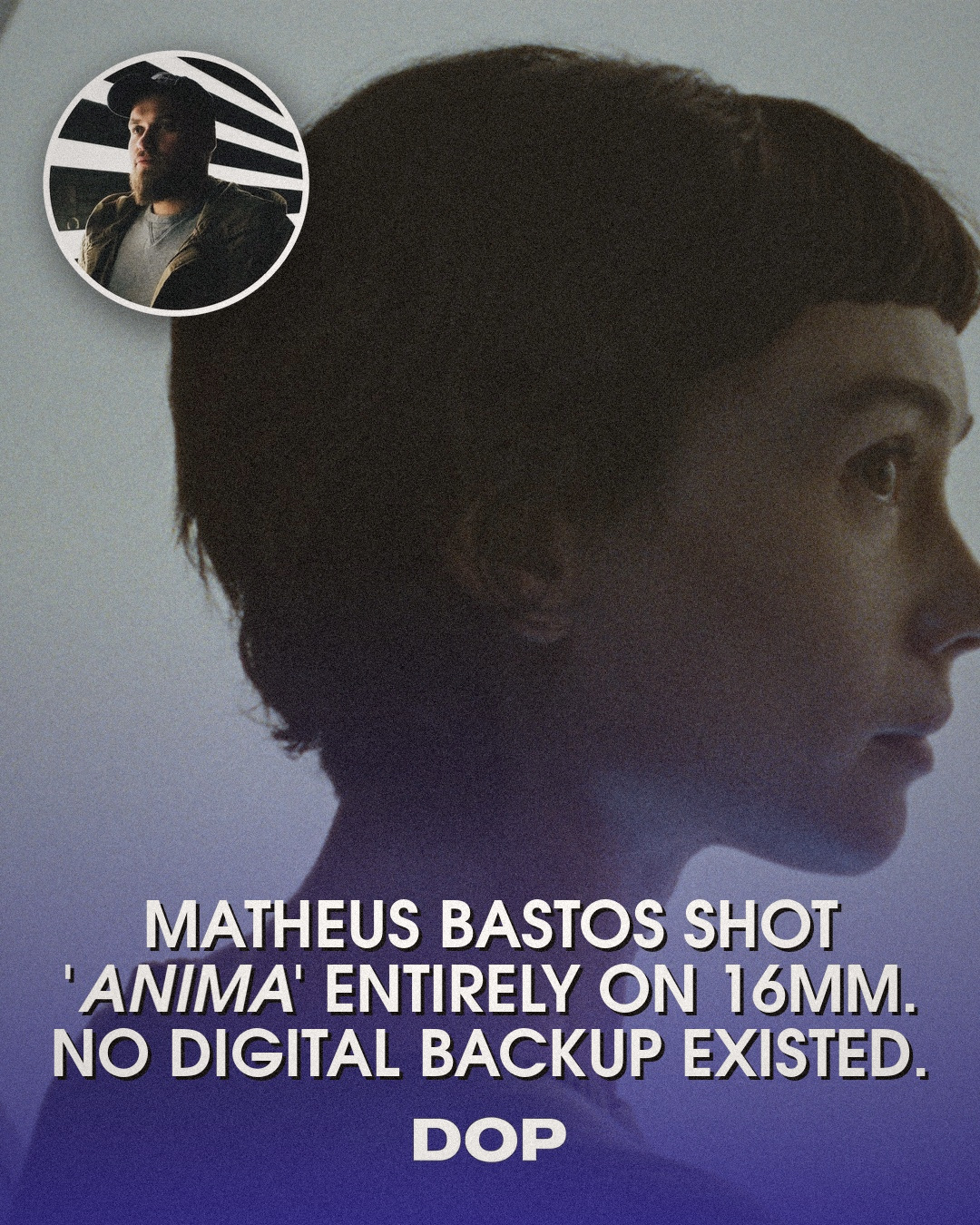
In an era where digital acquisition reigns supreme, the decision to shoot an entire feature film on 16mm celluloid is not merely a creative choice; it's a profound statement of artistic conviction. Cinematographer Matheus Bastos and director Brian Tetsuro Ivie made just such a statement with their sci-fi road drama, Anima, which premiered to critical acclaim at SXSW 2026. Their commitment to the analog medium, eschewing digital backup entirely, was a calculated gamble that, by all accounts, has paid off handsomely, delivering a visual tapestry lauded for its warmth and grain.
Bastos’s choice of the Arriflex 416 camera immediately signals a dedication to the craft. The 416, a super 16mm workhorse, is renowned for its ergonomic design and reliability, making it a favorite among DPs who value the tactile experience of film. Paired with Cooke S4 and SK4 prime lenses, Bastos wasn't just chasing a 'film look'; he was embracing the inherent characteristics of a classic optical lineage. Cooke lenses, celebrated for their 'Cooke Look', a subtle warmth, gentle fall-off, and pleasing skin tones, perfectly complement the organic nature of 16mm film. This combination creates an image that feels both contemporary and timeless, a crucial balance for a sci-fi narrative that explores themes of humanity and connection.
The Texture of Storytelling: Why 16mm Matters for Anima
The reviews from SXSW consistently highlighted the cinematography's warmth and grain, descriptors that resonate deeply with the experiential qualities of 16mm. Unlike the pristine, often clinical sharpness of digital, film imbues an image with a living, breathing texture. The subtle undulations of grain, the way light interacts with emulsion, and the nuanced color rendition all contribute to a sensory experience that digital, for all its advancements, still struggles to replicate authentically. For a sci-fi road drama starring Sydney Chandler and Takehiro Hira, this tactile quality likely serves to ground the fantastical elements, making the emotional journey of the characters feel more immediate and visceral.
The financial and logistical hurdles of shooting a feature on film, especially without a digital safety net, are considerable for any independent production. Film stock, processing, and telecine costs add up, and the 'no-look-back' nature of film demands meticulous planning and trust in one’s craft. Every frame exposed is a commitment. This pressure, however, often sharpens focus and fosters a more deliberate approach to composition, lighting, and performance. Ivie and Bastos's unwavering belief that the analog texture would better serve Anima's tone speaks volumes about their artistic integrity and their understanding of how form can elevate content.
“The subtle undulations of grain, the way light interacts with emulsion, and the nuanced color rendition all contribute to a sensory experience that digital, for all its advancements, still struggles to replicate authentically.”
Bastos's filmography, while still emerging, demonstrates a clear affinity for evocative imagery and a keen understanding of light and shadow. His work on Anima suggests a cinematographer who isn't afraid to push boundaries and prioritize artistic expression over perceived convenience. The deliberate choice of 16mm film, combined with the Cooke primes, implies a desire for a softer, more humanistic portrayal of the future, perhaps contrasting with the often stark and sterile aesthetic common in the sci-fi genre. This approach can foster a deeper emotional connection with the audience, drawing them into the characters' inner worlds rather than merely presenting a spectacle.
Technical Nuance and Creative Risk
Beyond the aesthetic, the technical implications of shooting on 16mm are profound. The smaller negative size means a shallower depth of field at equivalent focal lengths compared to 35mm or larger formats, which can be leveraged to isolate subjects and guide the viewer's eye. The inherent color science of film stocks offers a rich, organic palette that can be pushed and pulled in post-production with a unique character. Bastos's mastery of these elements would have been crucial in crafting Anima's distinctive look, ensuring that every frame contributed to the narrative's emotional resonance.
The success of Anima at SXSW is a powerful testament to the enduring power of film and the courage of filmmakers who champion its unique qualities. It serves as a reminder that while digital tools offer incredible flexibility, there's an irreplaceable magic in the photochemical process. Bastos and Ivie's collaboration on Anima is a beacon for independent cinema, demonstrating that sometimes, the greatest creative rewards come from taking the boldest risks, especially when those risks are rooted in a deep understanding and love for the craft of cinematography.
As DPs, camera operators, and film enthusiasts, we often discuss the 'why' behind equipment choices. Anima provides a compelling answer: the format isn't just a medium; it's an active participant in the storytelling, capable of imbuing a narrative with an emotional texture that transcends mere visuals. Matheus Bastos and Brian Tetsuro Ivie didn't just make a movie; they crafted an experience, proving that sometimes, the old ways are still the most potent.
This article contains affiliate links. We may earn a small commission at no extra cost to you. Learn more.