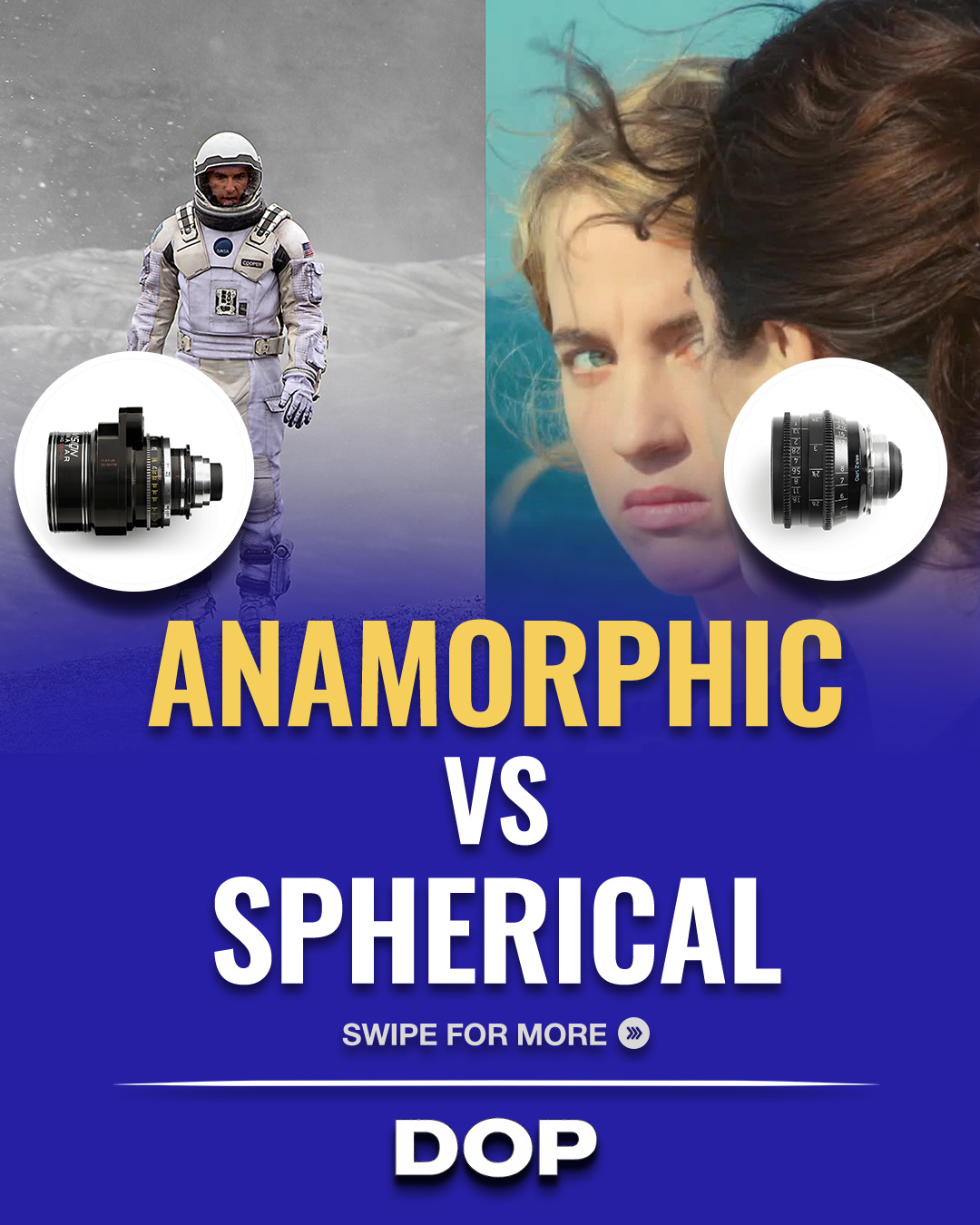
In the vast arsenal of a cinematographer, few choices are as foundational and aesthetically potent as the selection between anamorphic and spherical lenses. This isn't merely a technical preference; it's a profound storytelling imperative, dictating the very visual language and emotional impact of the images captured. For too long, the conversation has been oversimplified, often reduced to a discussion of aspect ratios. But as any seasoned DP knows, the magic – or the meticulously crafted invisibility – lies in the optical imperfections and pristine renderings themselves.
Anamorphic lenses, with their distinctive cylindrical elements, are alchemists of light and space. They perform a remarkable feat, compressing a wider field of view onto the sensor, only to be desqueezed in post-production. The 2.39:1 widescreen ratio, often mistakenly cited as the primary reason for their use, is merely a byproduct of this compression. Spherical lenses can achieve the same aspect ratio through simple cropping. The true allure of anamorphic lies in its unique optical signature: the characteristic horizontal lens flares that streak across the frame, the beautifully rendered oval bokeh, the subtle yet pronounced edge distortion, and the captivating depth compression that pushes backgrounds further away, creating a discernible separation between foreground and background elements. This isn't just a look; it's a feeling, a visceral connection to the cinematic tradition.
The Art of Imperfection: Anamorphic's Signature
Consider the work of Roger Deakins, ASC, BSC, in films like *Blade Runner 2049*. While often utilizing spherical lenses for their precision and clarity, when he leans into anamorphic, as he did for parts of *Prisoners*, the visual texture shifts dramatically. The anamorphic glass imbues the frame with a specific kind of 'cinematic' grit and grandeur. These perceived 'imperfections' – the way light interacts with the cylindrical elements to create those iconic flares, the painterly quality of the oval bokeh that renders out-of-focus elements with a dreamlike quality, and the subtle warping at the edges – are not flaws. They are character. They are the brushstrokes of a master, imbuing the image with a hand-crafted, almost tactile quality that spherical lenses, by design, often strive to avoid.
The visual qualities distinguishing anamorphic photography are the optical imperfections themselves: the flare behavior, bokeh shape, and edge rendering create a texture that reads as distinctly cinematic.
Think of the classic Panavision C-series or Kowa anamorphics, beloved for their unique flaring characteristics and distinct fall-off. Modern anamorphic sets like the Arri Master Anamorphics or Atlas Orion series offer a more controlled, yet still undeniably anamorphic, aesthetic. DPs choose these not for neutrality, but for expressiveness. They are tools for heightened reality, for myth-making, for enveloping the audience in a world that feels larger than life, or perhaps, subtly distorted by a character's internal state.
The Transparency of Reality: Spherical's Precision
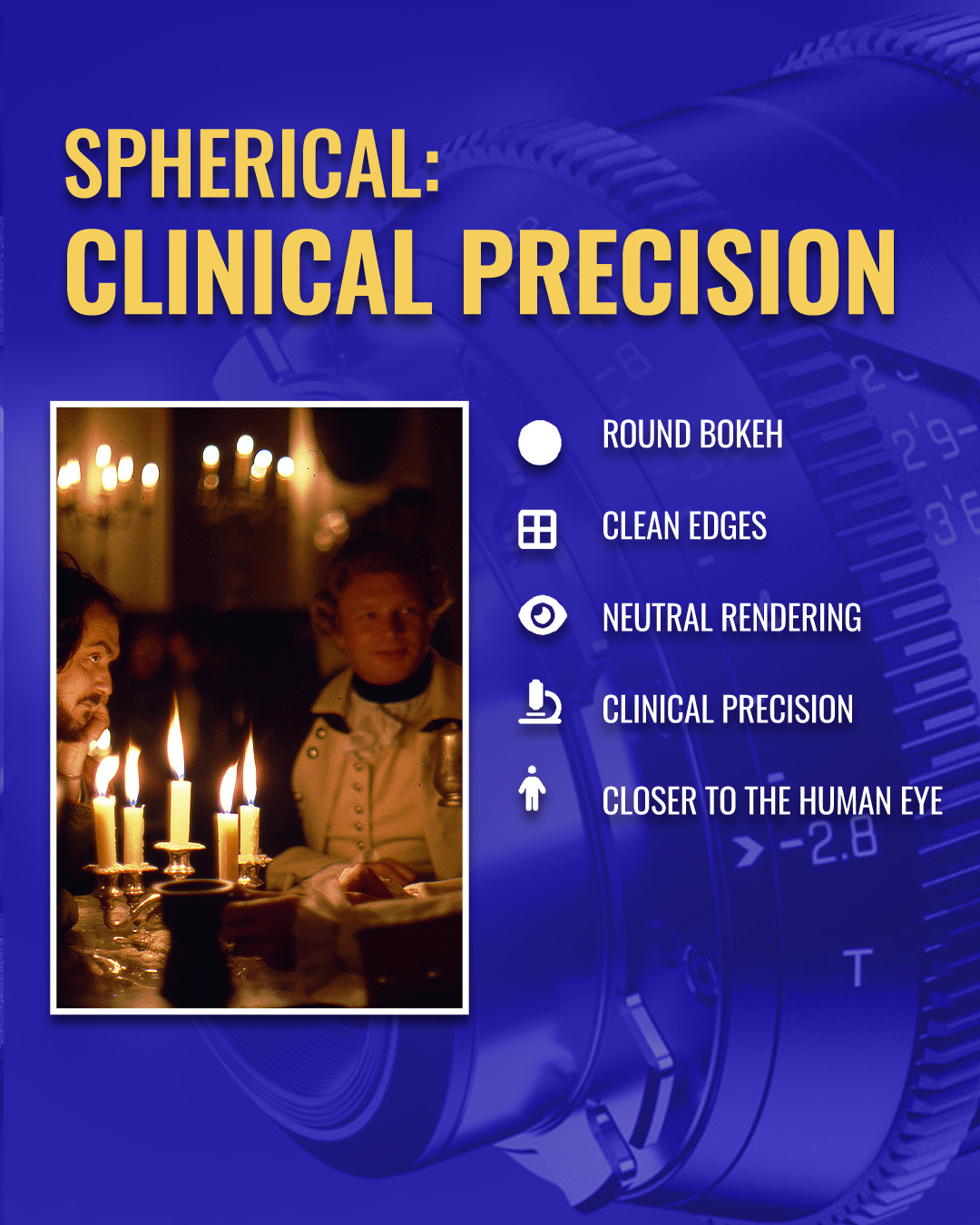
Conversely, spherical lenses champion a different kind of visual philosophy. They render without horizontal compression, delivering crisp, round bokeh, exceptional edge-to-edge sharpness, and a more neutral, transparent visual rendering. This approximation of human perception makes spherical lenses the preferred choice for projects where the camera should feel invisible, where the storytelling demands an unvarnished window into reality. This includes documentary-style narratives, the raw intimacy of psychological realism, or films where the director wants the audience to feel like an unobserved participant rather than a spectator of a grand spectacle.
Emmanuel Lubezki, ASC, AMC, often employs spherical lenses with a wide-angle sensibility to create an immersive, almost voyeuristic experience, as seen in *Birdman* or *The Revenant*. Here, the clarity, the lack of overt optical distraction, serves to deepen the audience's immersion in the character's immediate experience. Lenses like the Arri Signature Primes or Cooke S7/i series are celebrated for their clean, precise rendering, offering a beautiful balance of sharpness and pleasing fall-off without the overt optical characteristics of anamorphic glass. The choice of sensor — whether a large-format sensor paired with spherical lenses to achieve a shallower depth of field or a Super 35 sensor with anamorphic for its signature look — further refines this visual calculus.
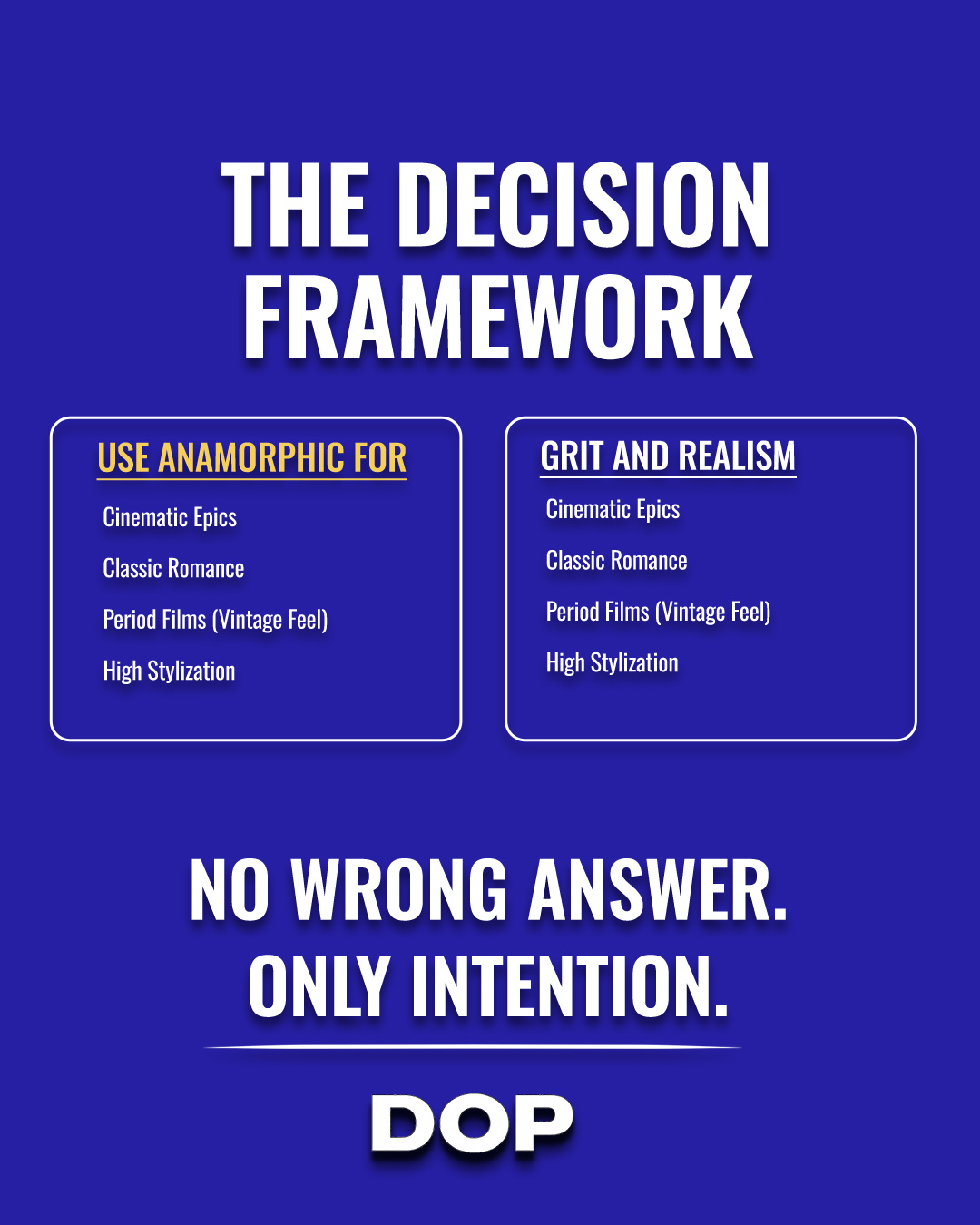
Ultimately, the decision between anamorphic and spherical is not a judgment of quality, but a profound storytelling decision. It's about asking: does the project benefit from the crafted, textured narrative that anamorphic provides, or does it demand the transparent, unadorned rendering of spherical optics? Do we want the audience to feel the presence of the lens, to be aware of the cinematic artifice, or do we want them to forget the camera is even there? Understanding these nuances, and wielding them with intention, is the hallmark of a truly masterful cinematographer.
This article contains affiliate links. We may earn a small commission at no extra cost to you. Learn more.