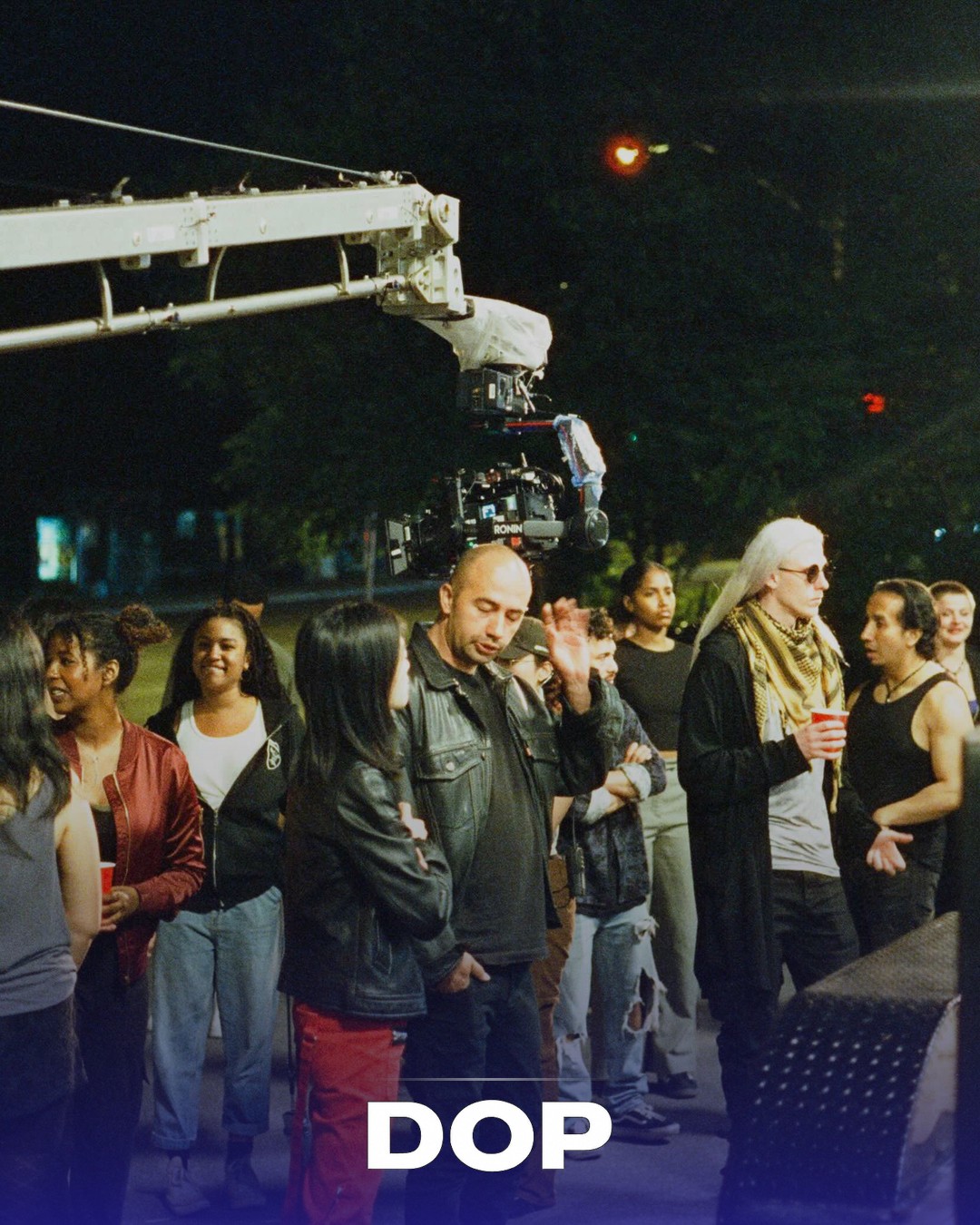
In the fiercely competitive landscape of independent cinema, where every dollar and every frame counts, the choices made by a cinematographer are paramount. Liam Higgins, the Toronto-based DP behind the acclaimed feature film A Tribe Called Love, has masterfully navigated this challenge, crafting a visual language that is both technically sophisticated and deeply characterful. His decision to pair the ARRI ALEXA 35 with Canon K35 vintage lenses is a case study in how to achieve a distinctive cinematic aesthetic without the boundless resources of a studio, culminating in the prestigious Reelworld Audience Choice Award in 2025.
The ALEXA 35, ARRI's latest flagship, represents the pinnacle of digital cinema technology. Its ALEV 4 sensor boasts an impressive 17 stops of dynamic range, unparalleled color science, and a native 4K resolution that provides DPs with immense flexibility in post-production. It’s a camera designed for precision, offering incredibly clean images, nuanced highlight retention, and rich, natural skin tones. For a filmmaker like Higgins, working on an indie budget, this technical prowess is invaluable, allowing for greater latitude in challenging lighting conditions and ensuring a high-quality image foundation.
The Character of Glass: Canon K35 Lenses
Yet, technical perfection alone often falls short of capturing the organic, emotive quality many DPs seek. This is where Higgins's lens choice becomes particularly insightful. The Canon K35s, a set of vintage prime lenses from the 1970s, are celebrated for their unique optical characteristics. They are known for their pleasing fall-off, gentle flaring, and a subtle softness that imparts a timeless, almost painterly quality to the image. Unlike modern, hyper-sharp lenses, the K35s introduce imperfections – a slight breathiness, a creamy bokeh, and a warm color rendition – that imbue the digital image with an analog soul.
"The combination of the ALEXA 35's modern sensor with the organic rendering of the Canon K35 glass produces a look that balances technical precision with visual warmth, a pairing increasingly favored by indie DPs who want both resolution and character."
This deliberate marriage of cutting-edge sensor technology with vintage glass is a growing trend among DPs, particularly in the independent sector. It allows filmmakers to leverage the resolution and dynamic range of modern digital cameras while retaining the 'filmic' texture and emotional resonance often associated with older optics. For A Tribe Called Love, this choice likely contributed to a visual style that feels both contemporary and classic, grounding its narrative in a rich, tactile reality.
Beyond the Gear: Independent Spirit
Higgins's achievement extends far beyond his gear choices. A Tribe Called Love was made without studio backing, without a studio budget, and without the extensive infrastructure typically associated with feature film production. This speaks volumes about the dedication, resourcefulness, and sheer grit required to bring an independent vision to fruition. The fact that the film garnered the Reelworld Audience Choice Award is a powerful testament to the impact of its storytelling and, undoubtedly, its compelling visual narrative.
The Reelworld Film Festival, with its commitment to diverse storytelling and underrepresented voices, is a crucial platform for films like A Tribe Called Love. Winning an audience award here signifies that Higgins and his team not only crafted a technically proficient and aesthetically pleasing film but also one that resonated deeply with its intended viewers. It underscores the idea that truly impactful cinema isn't solely about the scale of the production but the authenticity of its vision and the skill with which it's executed.
Liam Higgins's work on A Tribe Called Love serves as an inspiring blueprint for aspiring cinematographers and independent filmmakers. It demonstrates that by thoughtfully selecting and expertly utilizing the tools at hand – whether they be the latest digital sensor or a cherished set of vintage lenses – it is possible to create a cinematic experience that stands out, earns critical acclaim, and connects profoundly with audiences, even when operating outside the traditional studio system. His approach embodies the very spirit of independent filmmaking: innovation, resilience, and an unwavering commitment to the craft.
This article contains affiliate links. We may earn a small commission at no extra cost to you. Learn more.