The visual landscape of a film is a delicate ecosystem, where every choice, from sensor to lens to lumen, contributes to the overall atmospheric pressure. In the case of Georgia Bernstein's debut feature, Night Nurse, the acclaimed visual atmosphere didn't emerge by accident. It was the result of a deliberate, almost alchemical union: the Arri Alexa 35, a titan of modern digital capture, married to the venerable Cooke Speed Panchro Series II lenses, a testament to mid-century optical design. This seemingly paradoxical partnership, meticulously illuminated by gaffer Karson Kane under the discerning eye of DP Lidia Nikonova, offers a profound lesson in cinematic texture.
The decision to pair the Alexa 35 with vintage Cooke S2s, sourced from a bespoke London rental house, speaks volumes about the creative intent behind Night Nurse. The Alexa 35, with its expansive dynamic range, pristine color science, and native 4K Super 35 sensor, is celebrated for its ability to deliver an almost hyper-real clarity. Yet, Nikonova and Kane weren't chasing clinical sharpness. Their ambition was to imbue the film with a 'worn, analogue texture'—a visual patina that evokes nostalgia without sacrificing the nuanced detail and low-light performance modern digital cameras afford. This is where the Cooke S2s became indispensable.
The Vintage Glass Advantage
Cooke Speed Panchros, particularly the Series II, are legendary for their unique optical characteristics. Developed in the 1930s and phased out in the 1960s, these lenses possess a distinct warmth, a gentle fall-off from focus, and a subtle flaring that modern, highly corrected optics often strive to eliminate. On the Alexa 35, this translates to images that retain the camera’s superior color rendition and latitude but are softened at the edges, imbued with a delicate glow, and exhibit a pleasing, organic bokeh. The vintage coatings, or lack thereof compared to contemporary lenses, contribute to a beautiful, controlled halation around practicals and highlights, further enhancing that sought-after 'analogue' feel. It's a testament to the enduring power of vintage glass to add character and soul to the otherwise precise world of digital cinematography.
“The Alexa 35's latitude gave us the freedom to push the vintage glass into challenging lighting scenarios, extracting rich blacks while preserving highlight detail, all with that unmistakable Cooke character.”
Lidia Nikonova, known for her nuanced approach to visual storytelling in independent features, undoubtedly understood the subtle language of these lenses. Her prior work often favors a naturalistic yet artful aesthetic, and the Cooke S2s align perfectly with this philosophy, providing a foundation of character that the lighting could then sculpt. The choice of a Super 35 sensor, rather than a larger format, also plays into this, maintaining a classic cinematic field of view and depth of field that feels familiar and intimate.
Lighting for Texture and Tone
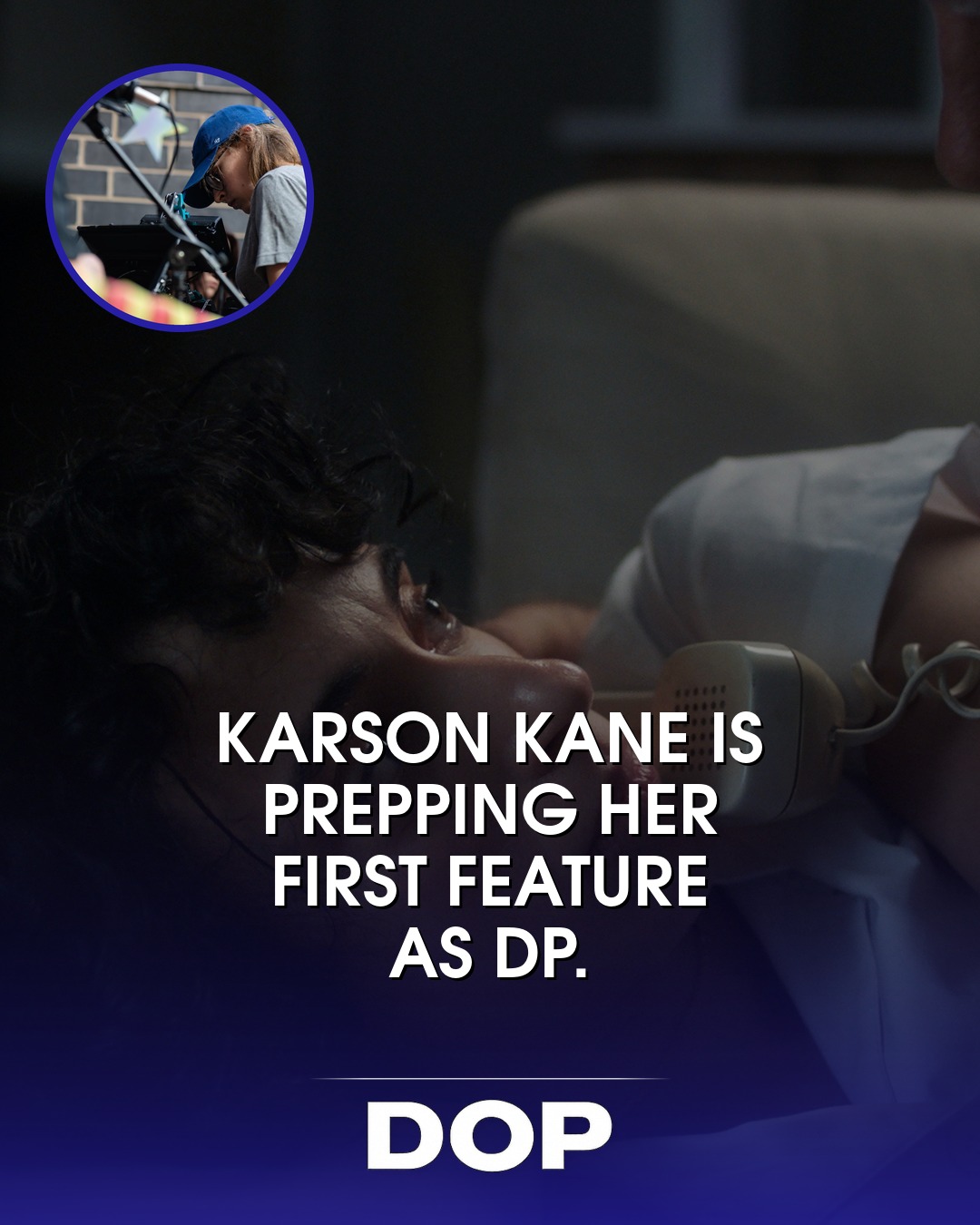
The true genius of Night Nurse's visual design, however, lies in the collaborative synergy between Nikonova and gaffer Karson Kane. Kane's role extended far beyond mere illumination; he was a co-architect of the film's visual identity. The Instagram caption highlights that Kane spent 'months testing the lighting against the Alexa 35’s color science.' This isn't a mere detail; it’s the bedrock of their success. The Alexa 35’s REVEAL Color Science is renowned for its natural skin tones and subtle color separation. Understanding how different light sources—tungsten, LED, HMI, practicals—would render through the vintage Cooke glass and onto this specific sensor was paramount.
Filmed on location in Chicago, the production faced the inherent challenges of real-world environments. Kane's lighting design, therefore, had to be both adaptable and precise. He would have been acutely aware of how the vintage lenses handle contrast and highlight roll-off. Instead of battling the imperfections of the glass, a skilled gaffer like Kane would lean into them, using diffused sources, carefully placed practicals, and subtle negative fill to enhance the Cooke's inherent qualities. This might involve using softer, larger sources to avoid harsh shadows that could appear too stark through the vintage glass, or employing specific gels to warm up cooler LED sources to better match the Cooke's natural rendition.
The result, as evidenced by the film's acclaimed visual atmosphere, is a masterclass in controlled artistry. Nikonova and Kane didn't simply point lights; they painted with them, understanding that the interaction between the Alexa 35's digital precision and the Cooke S2's analogue soul would define the film's emotional resonance. Night Nurse stands as a powerful reminder that in the pursuit of cinematic excellence, the most impactful visual textures often emerge from the harmonious interplay of seemingly disparate technologies, guided by a clear artistic vision and meticulous craftsmanship.
This article contains affiliate links. We may earn a small commission at no extra cost to you. Learn more.