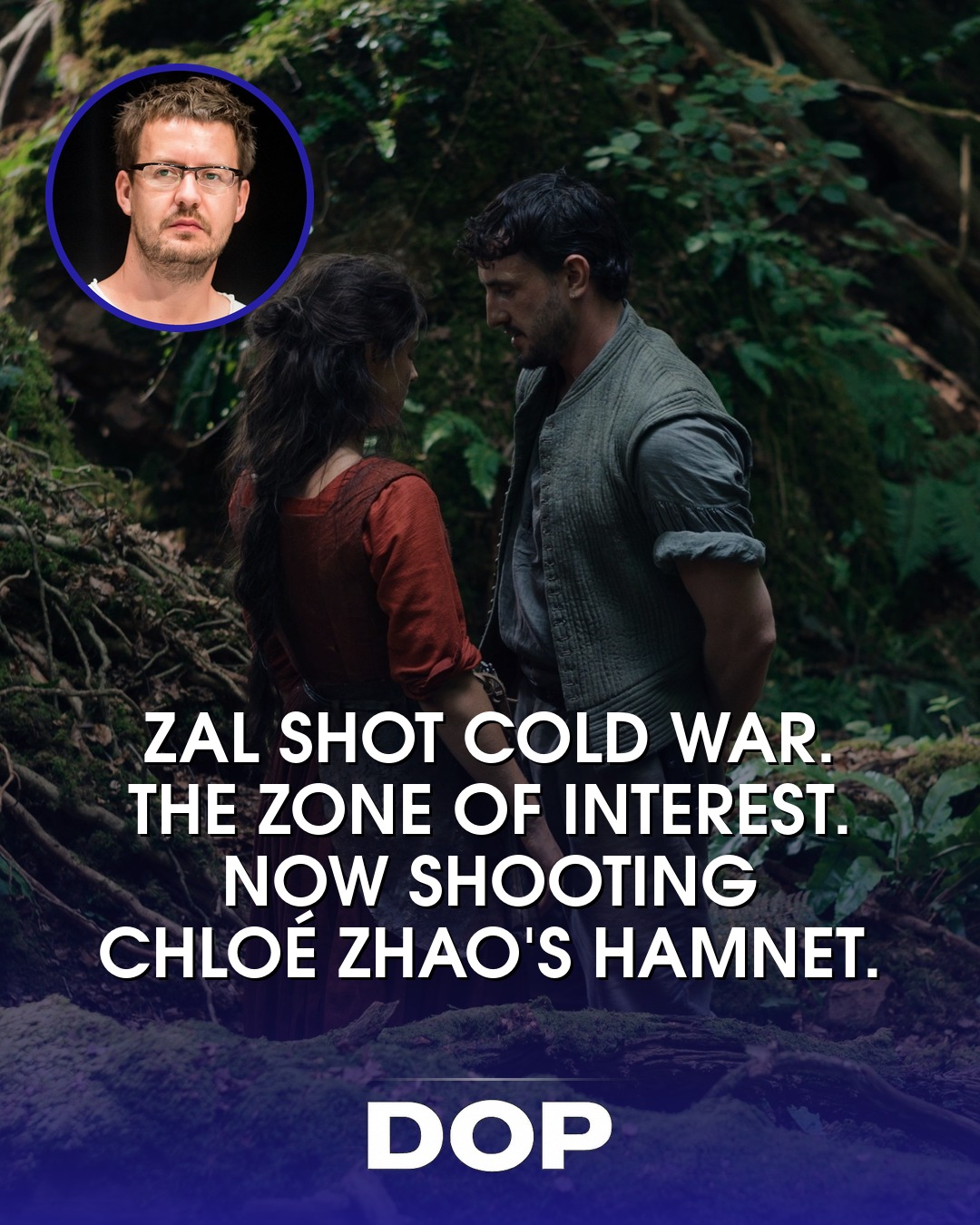
Łukasz Żal is not merely a cinematographer; he is a provocateur of the lens, a craftsman whose visual lexicon consistently defies expectation. His recent work on Jonathan Glazer's The Zone of Interest further cemented his reputation, following the critical acclaim and Oscar nomination for his stark, beautiful black-and-white photography in Paweł Pawlikowski's Cold War. What's truly remarkable about Żal's trajectory is not just his ability to deliver stunning images, but his willingness to completely dismantle and rebuild his aesthetic approach based on the narrative's soul.
The Zone of Interest stood in stark contrast to the painterly chiaroscuro of Cold War. Where Cold War embraced the poetic grandeur of 1.37:1 Academy ratio and meticulously sculpted monochrome light, The Zone of Interest was a visceral exercise in anti-cinematography. Żal, alongside Glazer, opted for a chilling, multi-camera surveillance aesthetic, deliberately stripping away the traditional comforts of cinematic lighting and framing. This was not about making beautiful images; it was about bearing witness, often from a dispassionate, voyeuristic distance. The Arri Alexa Mini, often hidden, became an unblinking eye, forcing viewers into uncomfortable observation rather than empathetic immersion. The natural, often flat, ambient light served to normalize the horrific, a deliberate subversion of the 'cinematic look' to amplify thematic dread.
The Unseen Hand: Crafting Discomfort
The technical choices in The Zone of Interest were profound. Instead of traditional film sets, the production often utilized existing locations, with cameras strategically placed and sometimes remotely operated, creating a sense of inescapable presence without visible crew. This 'unseen hand' approach meant that actors were often unaware of which camera was recording, fostering a raw, unadulterated performance. The decision to forgo elaborate lighting setups wasn't a cost-saving measure; it was a philosophical statement. By embracing natural light, Żal highlighted the banality of evil, making the horrific events unfold under the same indifferent sun that shines on everyday life. The color palette, though not overtly vibrant, was meticulously managed to reflect the unsettling normalcy of the setting, a stark contrast to the heightened reality often found in historical dramas.
“Żal’s genius lies in his ability to make the camera a character – sometimes a poetic observer, sometimes an unblinking, unsettling presence. He understands that visual language is not just about aesthetics, but about ethical stance.”
From Surveillance to Shakespeare: Hamnet's New Horizon
Now, Żal embarks on another fascinating chapter, collaborating with Oscar-winning director Chloé Zhao on the 2025 adaptation of Maggie O'Farrell's acclaimed novel, Hamnet. This project represents a significant shift, blending Żal's experimental sensibilities with the demands of a major studio production. Shot primarily on the Arri Alexa 35, a sensor celebrated for its exceptional dynamic range and nuanced color science, Hamnet promises a visual tapestry that is both historically rich and emotionally resonant. The Alexa 35, with its larger sensor and enhanced color fidelity, allows for incredibly detailed images, perfect for capturing the textures and atmospheres of 16th-century England and Wales.
Considering Zhao's signature naturalistic approach to filmmaking, often favoring available light and intimate camerawork, Żal's deep understanding of naturalistic lighting and his ability to find beauty in unvarnished reality will undoubtedly be a perfect match. We can anticipate a visual style that prioritizes authenticity and emotional truth over artificial grandeur. The choice of the Alexa 35 suggests a desire for a clean, organic image, likely paired with lenses that offer character without being overly distorting, perhaps vintage glass or modern optics with carefully controlled aberrations to evoke a period feel without sacrificing resolution or light transmission.
This collaboration is particularly exciting because it sees Żal moving from the stark, almost anti-cinematic approach of The Zone of Interest to a project that will undoubtedly embrace a more traditional, yet deeply considered, form of visual storytelling. It’s a testament to his versatility and his unwavering commitment to serving the story above all else. Whether he's capturing the chilling indifference of a surveillance camera or the nuanced emotional landscape of Shakespearean England, Żal consistently pushes the boundaries of what cinematography can achieve, proving that true artistry lies not in adherence to a single style, but in the fearless pursuit of narrative truth through light and lens.
This article contains affiliate links. We may earn a small commission at no extra cost to you. Learn more.