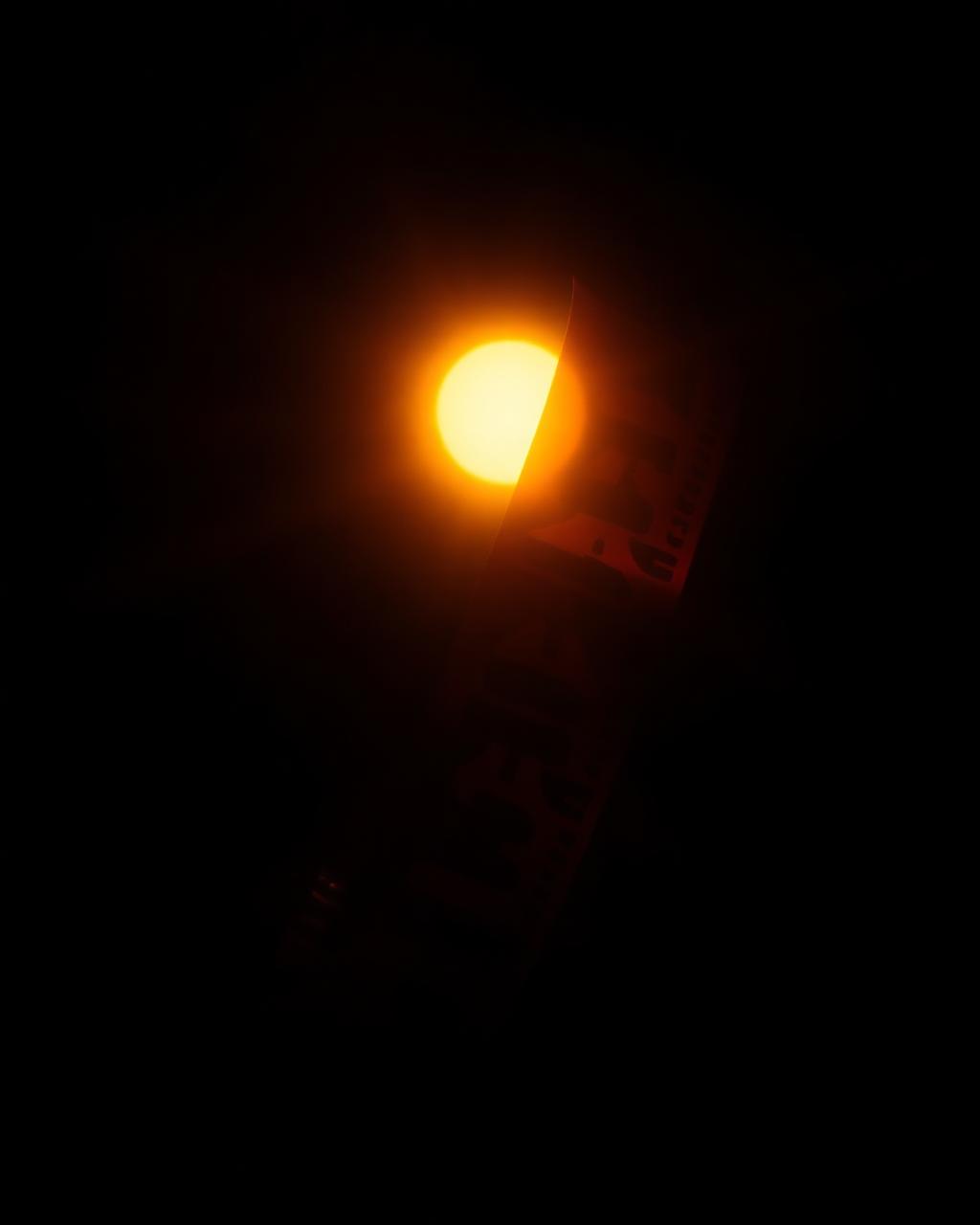
Adolpho Veloso shot two cinematographically very different films on the same format: 35mm film stock. Queen at Sea, Berlinale 2026, is a quiet London drama about stasis and emotional distance. Train Dreams, Sundance 2025, is an epic spanning the early 20th century in the Pacific Northwest, a landscape-driven narrative about memory and geological time. The films exist in completely different cinematic registers, yet Veloso made the same format choice for both. This is not consistency for its own sake. It is proof that format choice must be motivated by story, not by aesthetic doctrine.
In Train Dreams, the 35mm film stock and the grain it produces connect the story to a material history. The Pacific Northwest landscape—the forests, the mountains, the rivers—are photographed with a warmth and texture that digital cinematography, no matter how skillfully color-graded, cannot fully replicate. The grain of 35mm creates a visual texture that feels historical, that creates a connection between the film and the photographic media of the era the story is set in. This is not about authenticity in the strict sense—the film is a contemporary production—but about creating a visual register that feels like memory.
In Queen at Sea, Veloso uses 35mm for an entirely different reason. Variety's review noted: the 35mm frames carry "a stillness that emphasizes the haunting emptiness around the characters." Here, the 35mm is not creating a sense of historical memory. It is creating a visual stillness, a kind of compositional restraint where the grain of the film does not actively push information at the viewer. The 35mm renders the image as complete, as finalized, as existing in a space that does not demand the viewer's active participation.
These are opposite artistic effects from the same technical choice. The difference is not in the format itself. The difference is in how Veloso, working with his directors, deployed the format in service of the specific visual language each story required. Train Dreams needed the memory-quality of grain. Queen at Sea needed the stillness of a frame that does not actively push information. Two different arguments, one format.
This points to a larger truth about format selection that is often obscured by format debates in cinematography: the format is a tool, not an identity. 35mm is not inherently beautiful, nostalgic, or warm. It is a medium with specific optical and chemical properties. Those properties serve some stories and not others. The question is not "should I shoot on 35mm?" The question is "what visual language does this story require, and does 35mm serve that language?"
Veloso's approach requires disciplined conversation with the director about what the cinematography needs to accomplish in each specific case. It requires refusing received wisdom about formats—the idea that 35mm is romantic, that digital is clinical, that anamorphic is cinematic, that spherical is intimate. These associations are conventions, not laws. A cinematographer must interrogate them for each project.
For cinematographers evaluating format options, Veloso's work across Train Dreams and Queen at Sea offers a model: commit to the format only after you have understood what the story requires visually. If 35mm serves that requirement, shoot 35mm. If digital serves it better, shoot digital. If the story benefits from the specific optical properties of anamorphic, use anamorphic. The format is not an aesthetic position. It is a tool that either serves the story or it does not. Veloso used 35mm for both films because both films required what 35mm provides, but what each film required was different. The cinematography proves that the same choice can serve different purposes when it is made deliberately.
Gear Recommendations
- Kodak Vision3 500T 5219 | Adorama – B&H Photo
- Kodak Vision3 50D 5203 | Adorama – B&H Photo
- Atlas Lens Co. Orion 2x Anamorphic | Adorama – B&H Photo
- Vazen 40mm 1.8x Anamorphic | Adorama – B&H Photo
- Kodak Vision3 500T 5219 35mm | Adorama – B&H Photo
Note: Links above are affiliate links. Occupy Cinematography may earn a commission on qualifying purchases at no additional cost to you.