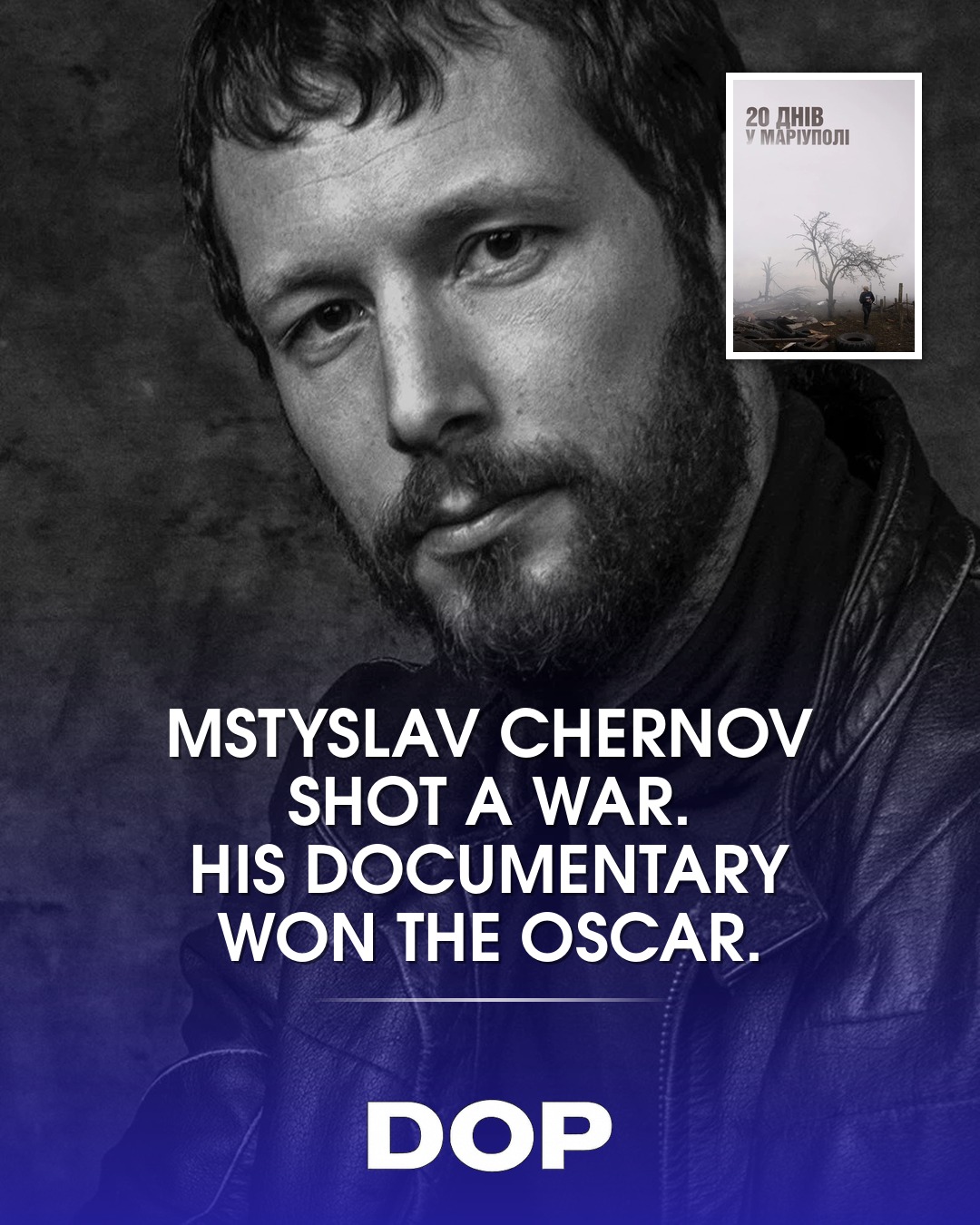
In the annals of documentary filmmaking, few works have resonated with the raw, visceral power of Mstyslav Chernov's 20 Days in Mariupol. This searing account of the 2022 Russian siege, captured under conditions of unimaginable peril, has not only garnered an Academy Award but also, significantly, recognition from the American Society of Cinematographers (ASC). This isn't merely an accolade; it's a profound statement from a community traditionally focused on the meticulously controlled environments of narrative cinema, acknowledging the unparalleled bravery and visual integrity required to craft images in the crucible of active combat.
Chernov, alongside AP photojournalist Evgeniy Maloletka and field producer Vasilisa Stepanenko, didn't just document; he bore witness. Armed with what appears to be a Sony mirrorless camera, likely an Alpha series model chosen for its compact form factor, low-light capabilities, and robust video features, Chernov navigated a city under relentless bombardment. The choice of equipment here is critical: it's not about the cinematic grandeur of an ARRI Alexa or a RED, but about portability, discretion, and reliability in an environment where every extra pound or conspicuous glint could mean the difference between life and death. The footage itself, often handheld, imbued with an almost frantic energy, speaks to the immediate, unmediated reality of a city being systematically destroyed.
The Unflinching Lens of Reality
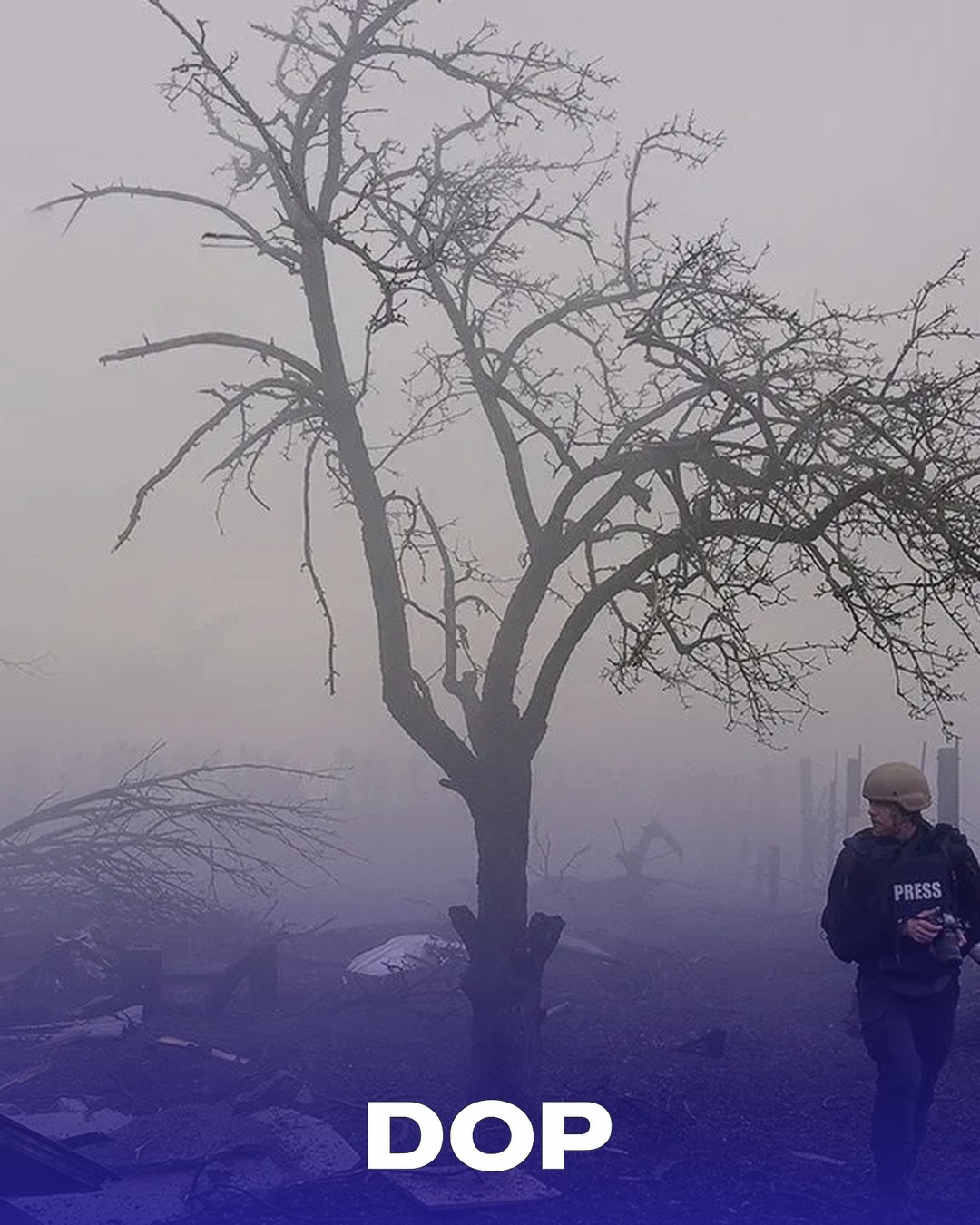
The cinematography of 20 Days in Mariupol is not about elaborate camera moves or stylized lighting; it is about the stark, unvarnished truth. Chernov’s lens is a conduit, capturing the destruction of residential buildings, the chaotic scenes in overwhelmed hospitals, and the desperate faces of civilians trapped in a humanitarian catastrophe. The available light, often the dim, flickering glow of emergency power or the harsh glare of a burning cityscape, becomes an integral part of the narrative. There's no time for gaffers or complex lighting setups; the environment itself dictates the visual palette—grays, blues, and the infernal oranges of explosions.
“This isn't merely an accolade; it's a profound statement from a community traditionally focused on the meticulously controlled environments of narrative cinema, acknowledging the unparalleled bravery and visual integrity required to craft images in the crucible of active combat.”
The technical challenges were immense. Maintaining stable footage amidst explosions, protecting equipment from shrapnel and dust, and ensuring connectivity to transmit footage out of a besieged city—these are not typical concerns for a narrative DP. Yet, Chernov and his team overcame them, often at immense personal risk. The intimacy of their camerawork, often right alongside medical staff or civilians sheltering in basements, fosters a profound sense of empathy and urgency. It transcends mere reporting; it is visual testimony, etched onto the sensor with the urgency of survival.
Redefining Cinematographic Courage
The ASC's recognition of Chernov’s work for documentary cinematography is a significant moment. It broadens the traditional definition of the craft, acknowledging that the pursuit of compelling, truthful images extends far beyond the soundstage. It recognizes that sometimes, the most powerful visual storytelling emerges not from a perfectly lit frame, but from a desperate dash for cover, a whispered interview in a crumbling basement, or the unflinching gaze at human suffering. It underscores that the cinematographer's role, at its core, is to see and to show, regardless of the comfort or safety of the conditions.
Chernov’s film stands as a testament to the power of the moving image to shape global consciousness and to hold power accountable. His work in Mariupol was not just about recording events; it was an act of resistance, ensuring that the atrocities committed would not be forgotten or denied. For cinematographers, it serves as a powerful reminder of the ethical imperative that can sometimes underpin our craft, pushing the boundaries of what is possible and necessary in visual storytelling. It challenges us to consider not just the aesthetic quality of an image, but its moral weight, its capacity to inform, to galvanize, and ultimately, to bear witness to history unfolding.