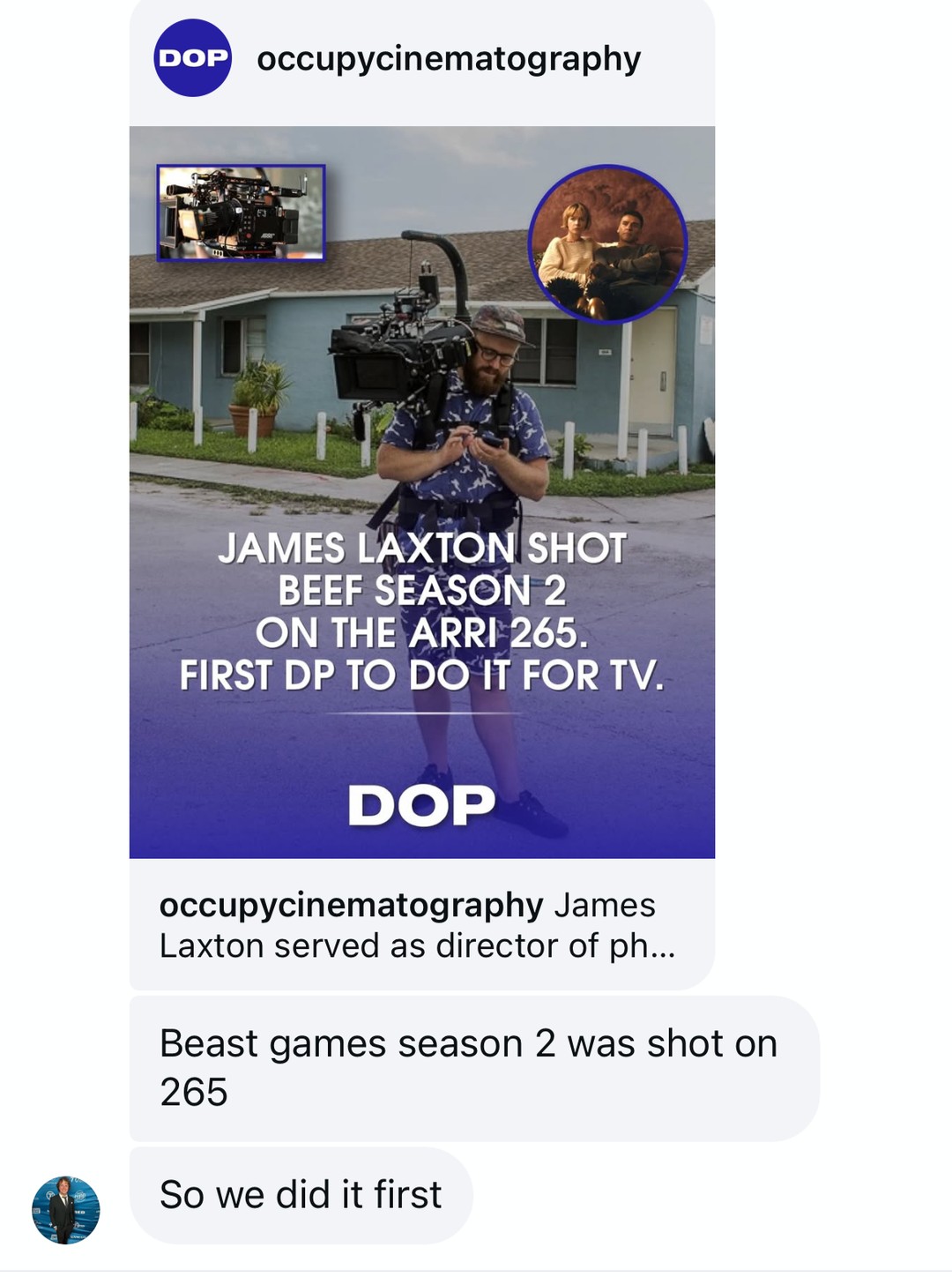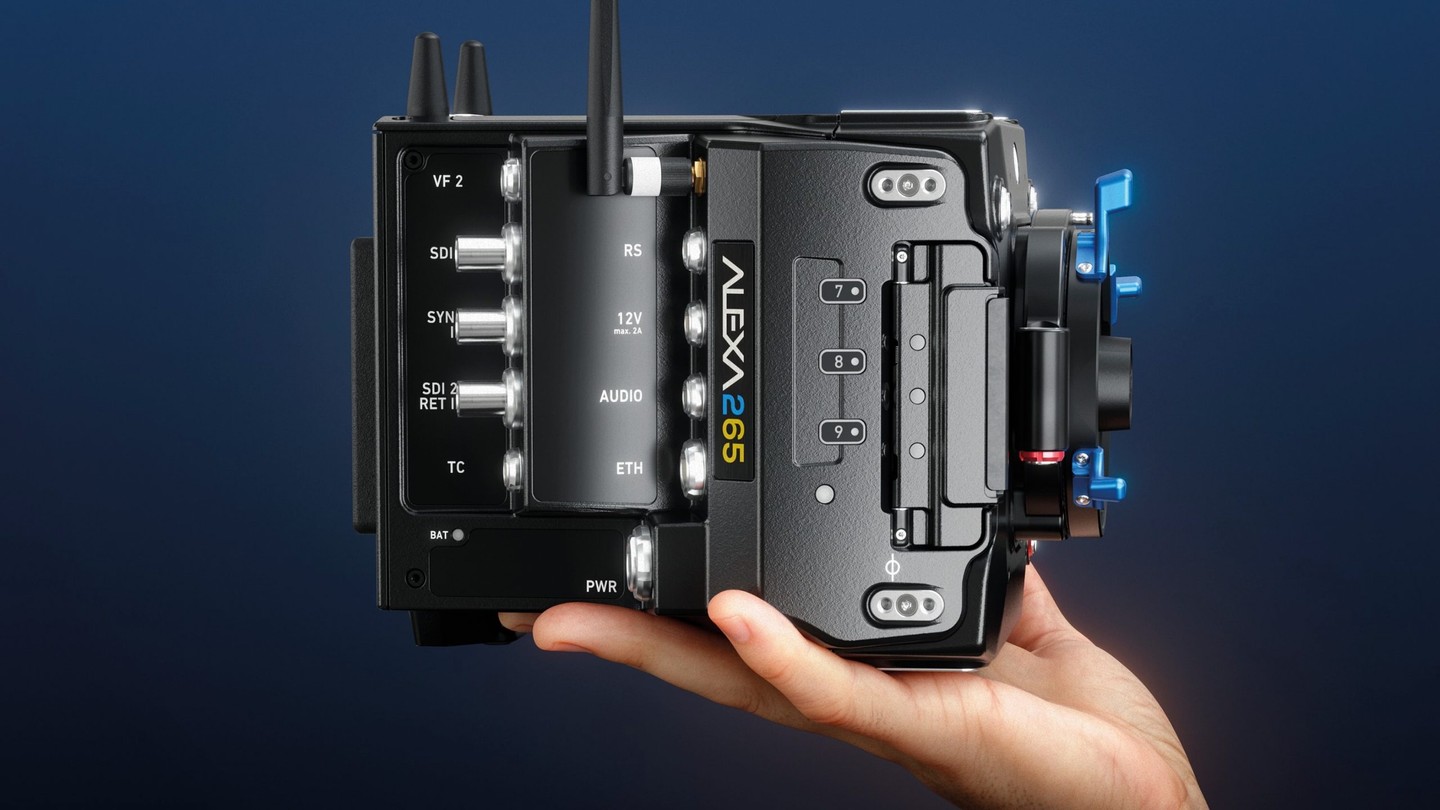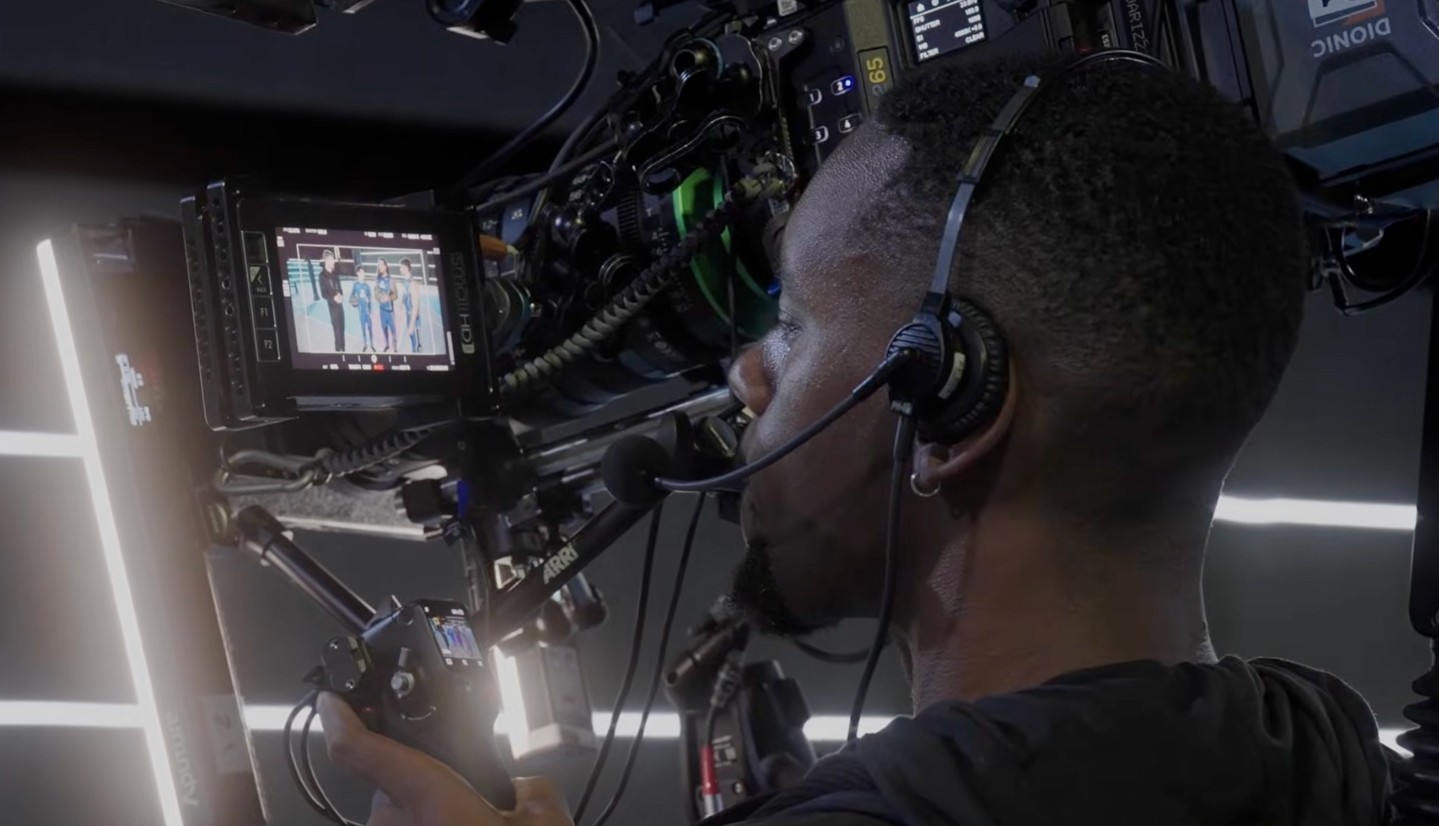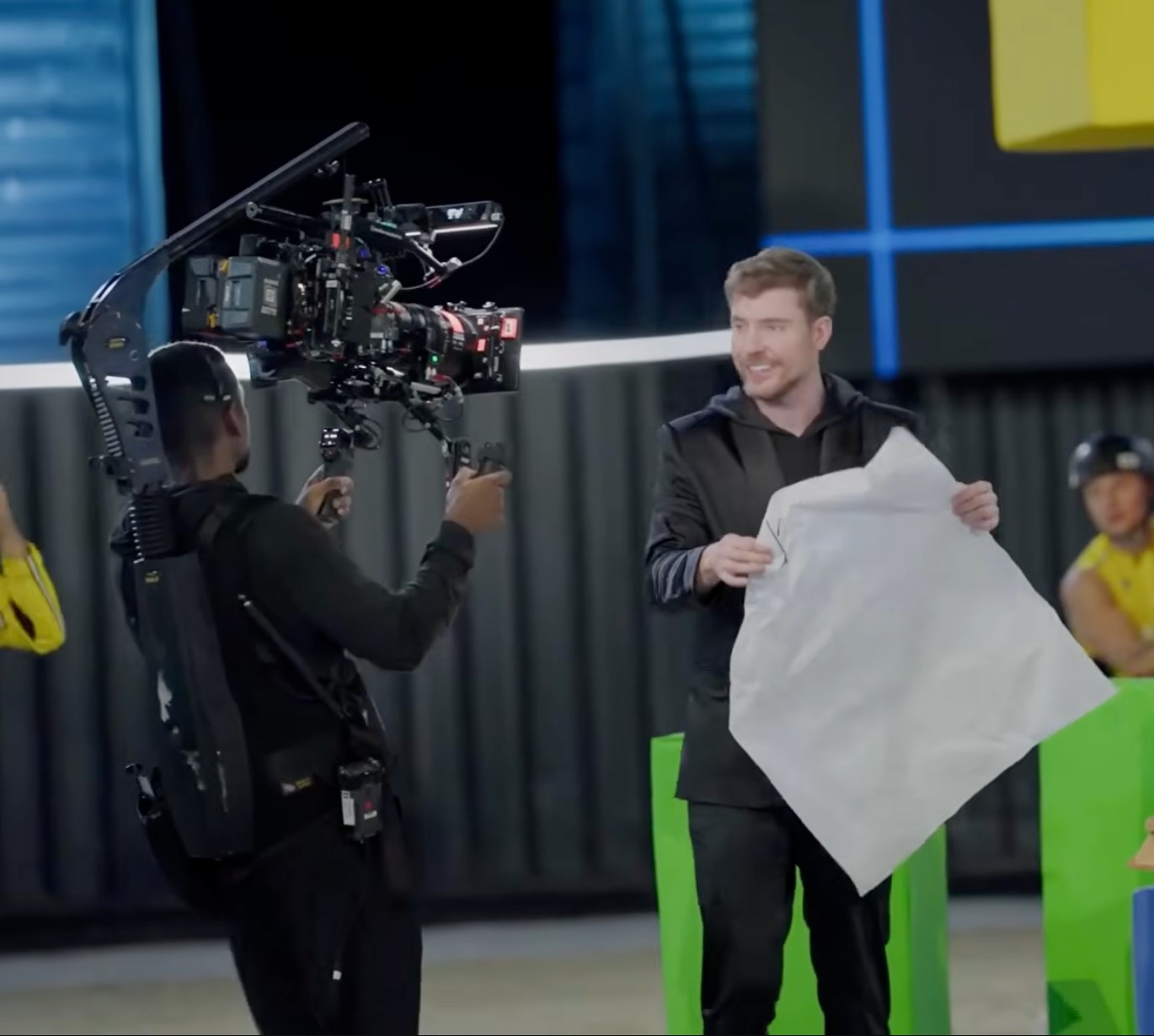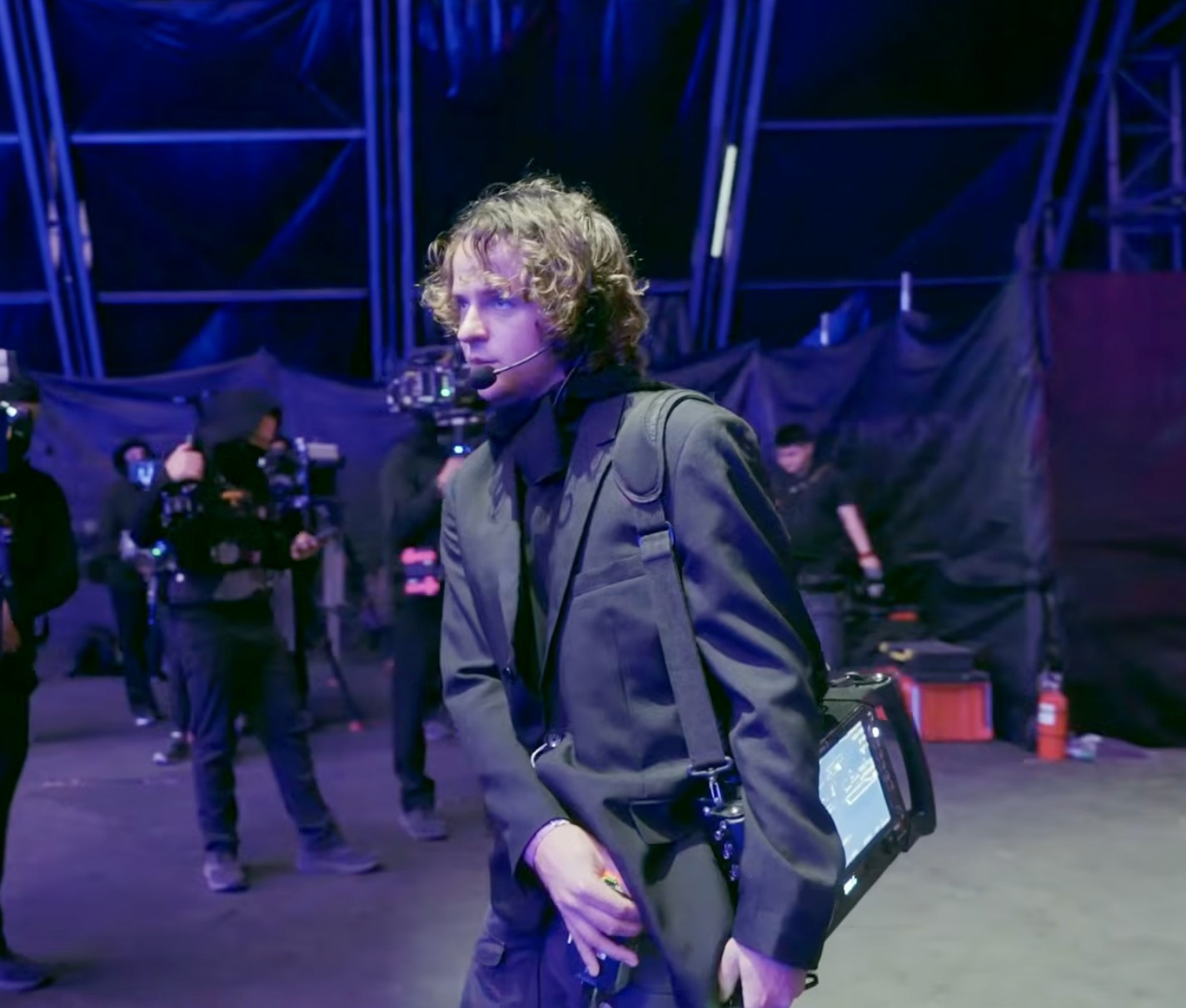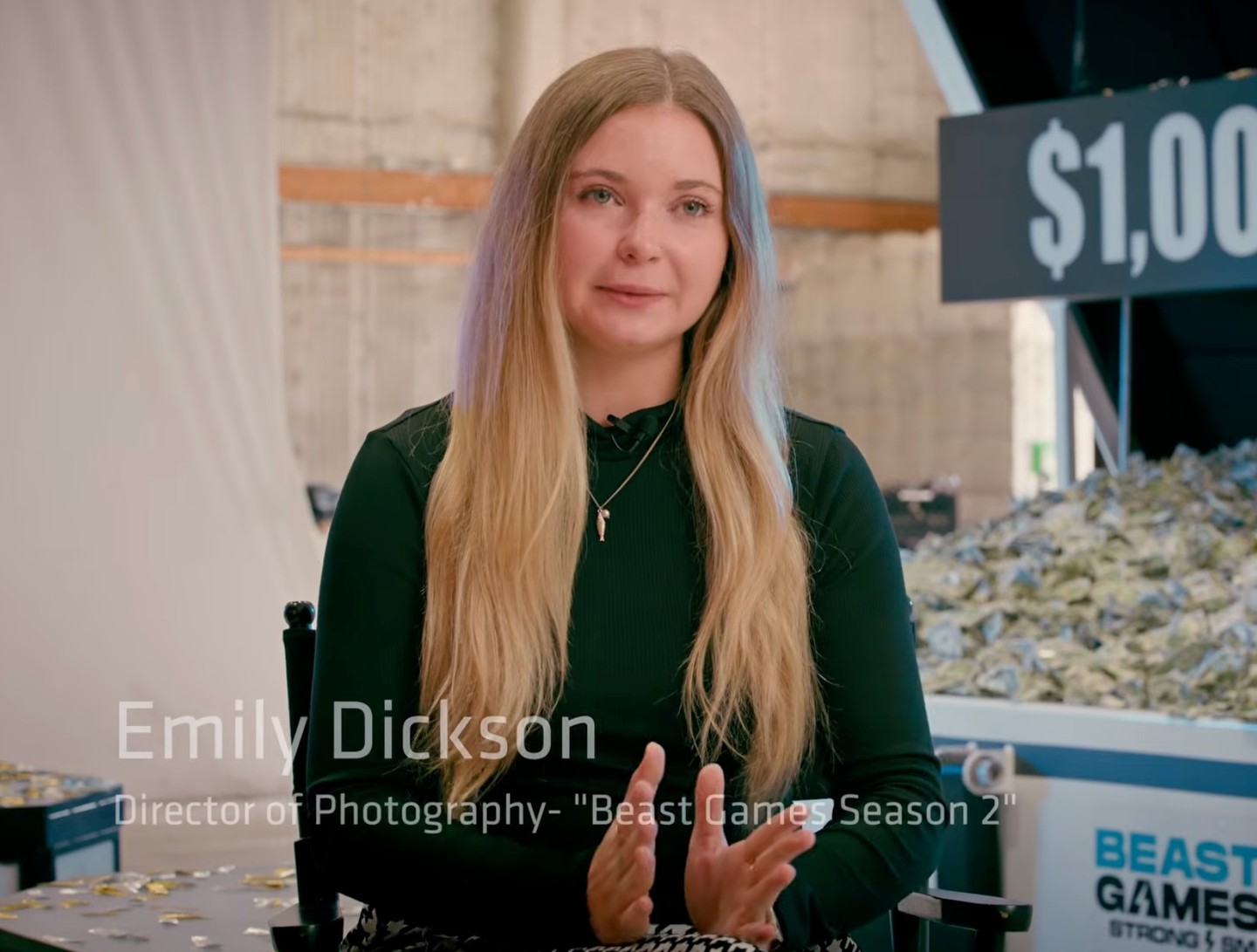
For years, the ARRI ALEXA 265 has been a whispered legend in the world of cinematography – a compact, large-format 65mm camera revered for its sensor's prowess but often relegated to the demanding, often remote, confines of aerial work, motion base photography, or specialized VFX units. Its promise was always immense: the unparalleled image quality of large format in a form factor previously unimaginable. Now, a groundbreaking production, helmed by cinematographers Russell Leggett and Emily Dickson, has thrust the 265 into the mainstream, showcasing its potential in a high-stakes, real-world application that blurs the lines between cinematic storytelling and documentary immediacy.
This isn't merely an interesting camera choice; it's a significant moment for the industry. The deployment of the ALEXA 265 on a massive competition series signals a paradigm shift, proving that the full, uncompromised ALEXA image quality, particularly from its 6.5K large-format sensor, is no longer exclusive to meticulously controlled studio environments or bespoke rigs. Leggett and Dickson's decision to integrate the 265 into such a dynamic, often unpredictable workflow speaks volumes about the camera's evolving capabilities and the industry's hunger for superior image acquisition in any scenario.
The 265's Technical Edge: Large Format, Small Footprint
What makes the ALEXA 265 so compelling for this kind of production? It begins with the sensor. ARRI's large-format sensor technology, synonymous with the ALEXA 65, delivers an aesthetic that is often described as inherently cinematic – a subtle, organic quality characterized by exquisite highlight rolloff, rich color science, and an unparalleled ability to render depth and dimensionality. The 265 distills this into a more agile package. While specific lens choices for this production haven't been fully disclosed, one can imagine a combination of lightweight large-format primes or zooms, such as the ARRI Signature Primes or Angénieux Optimo Primes, to maximize the sensor's potential while maintaining operational flexibility.
“The ability to deploy large-format image quality in configurations once impossible for cameras of this scale is not just an incremental improvement; it's a fundamental reimagining of what's achievable on location.”
The operational challenges of a competition series are immense: rapid setups, dynamic camera movement, unpredictable lighting, and the need to capture authentic, unrepeatable moments. Traditional large-format cameras, with their larger footprints and often more complex rigging requirements, would typically be prohibitive. The 265, however, offers a compelling balance. Its compact size allows for integration into gimbals, crane arms, and even handheld setups that would strain the capabilities of its larger siblings. This agility, combined with ARRI's renowned color science and robust workflow, makes it an ideal tool for capturing high-stakes action with a cinematic gloss.
Impact on Documentary & Reality Cinematography
This application of the ALEXA 265 is particularly resonant for the world of documentary and reality cinematography. Historically, these genres have often prioritized speed and portability over ultimate image fidelity, often relying on smaller sensor cameras or Super 35 formats. While these tools have their place, the emergence of cameras like the 265 signals a growing demand from audiences and creators alike for higher production values, even in unscripted content.
Imagine the subtle nuances captured in a contestant's expression, the expansive beauty of a natural landscape, or the visceral impact of a high-octane challenge – all rendered with the depth and richness typically reserved for narrative features. The work of Leggett and Dickson here is not just about using a new tool; it's about pushing the boundaries of visual storytelling in non-fiction. It demonstrates that the technical and aesthetic advantages of large format are no longer confined to the realm of fiction, but are becoming increasingly accessible and desirable for capturing the raw, unfiltered truth of the world.
The implications extend beyond just competition series. This successful deployment opens doors for more large-format integration into nature documentaries, investigative journalism, and even live event coverage where cinematic quality is paramount. It forces us to reconsider the traditional dichotomies between 'cinematic' and 'documentary' aesthetics, suggesting that with the right tools and the vision of DPs like Russell Leggett and Emily Dickson, the two can not only coexist but can elevate each other to new heights. The ALEXA 265, once a specialized instrument, is now a trailblazer, leading the charge into a future where uncompromising image quality is a standard, not an exception, across the entire spectrum of visual media.